Coachella Valley Music & Arts Festival Becomes a Hub for Wellness Brand Activations Amidst Economic Shifts and Industry Innovation

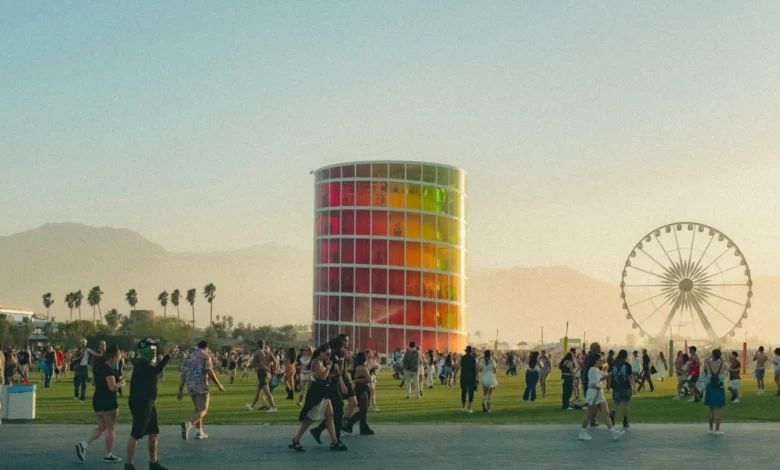
The iconic Coachella Valley Music & Arts Festival, a beacon of contemporary culture and a significant driver of brand engagement, is once again set to transform the Southern California desert into a vibrant epicenter of music, art, and increasingly, wellness. As the festival commences its 25th year, a diverse array of health and beauty brands are strategically deploying innovative activations, signaling a deepening integration of wellness into the festival experience. This year’s lineup sees a notable presence from established giants like Kenvue-owned Neutrogena and P&G-owned Always and Secret, alongside emerging players such as Medicube, Wizard Wellness, and Lifeway Foods, each vying for attendee attention through immersive experiences and product integration. Beyond the festival grounds, broader industry news highlights Technogym’s significant revenue milestone, the U.S. launch of a new GLP-1 pill, and the return of the wellness festival District Fit, painting a comprehensive picture of the current wellness landscape.
Coachella, renowned for its trendsetting influence, attracts over 100,000 attendees daily across its two-weekend run, typically held in April. This year’s festival, scheduled for April 10-12 and April 17-19, is expected to draw a similarly massive and highly engaged crowd, amplified by robust ticket sales that reportedly sold out in under an hour, a stark contrast to a slower sales period in 2024. This renewed fervor suggests a more receptive and energetic audience eager for novel experiences, presenting fertile ground for brands seeking to connect on a personal level. The festival’s ecosystem extends beyond the main event, encompassing a constellation of satellite parties, influencer gatherings, and exclusive lounges like Revolve Fest, Camp Poosh, The Nylon House, and Neon Carnival, all of which provide additional, high-visibility platforms for brand activations.
Strategic Brand Engagements: Wellness Takes Center Stage
The festival’s expansive reach and demographic appeal have long made it a coveted venue for brand marketing. Beyond traditional advertising like billboards along the I-10 freeway, companies are increasingly investing in experiential activations, influencer collaborations, and product sampling to foster genuine engagement. The rise of "influencer houses" and exclusive parties, which saw a notable increase in 2025, further underscores the strategic importance of proximity-based marketing at such high-profile events.
Neutrogena, a veteran presence at Coachella, returns for its fourth year as the official sun-care partner. The brand’s strategy this year emphasizes product immersion and extensive brand storytelling. Kicking off the first weekend, Neutrogena hosted an exclusive event for 200 guests, including 31 invited creators, at the newly opened Palm Springs Surf Club, an adult waterpark. This curated experience aims to allow attendees to experience Neutrogena’s Hydro Boost Water Gel, Hydro Boost Lip Oil, and the recently launched Evenly Clear Hypochlorous Acid Spray, in addition to its core sun protection range, in a relaxed and engaging environment.
Complementing its on-site presence, Neutrogena is deploying a multi-faceted marketing approach. Out-of-home advertising will be visible at the Palm Springs airport, featuring prominent messaging and convenient sunscreen dispensing stations. The brand is also an official sponsor of the Nylon House afterparty, extending its reach into the festival’s social periphery. Within the festival grounds themselves, Neutrogena plans a significant distribution effort: eight free SPF dispensers will offer 250 gallons of Beach Defense SPF 70 sunscreen across the festival site and campgrounds, complemented by an estimated 145,000 samples of its Ultra Sheer Invisible Gel SPF 40, ensuring widespread access to its sun protection products.
Procter & Gamble (P&G) is also making a substantial official appearance, introducing its innovative "porta party" restroom concept, branded as "the refresh room." This initiative aims to elevate the often-overlooked festival bathroom experience. The standalone, climate-controlled 30×30 foot units will offer a sanctuary with air conditioning, hand sanitizer, and water stations. Adjacent to these will be luxury toilet trailers, stocked with complimentary period products from Always (specifically Pocket FlexFoam pads) and Secret Fresh Mocktails deodorants, catering to attendees’ comfort and personal care needs. This integrated approach demonstrates P&G’s commitment to providing essential wellness solutions in a festival setting.
Medicube, the official skin-care sponsor, is establishing a significant presence within the festival grounds with a dedicated sampling booth and additional stations in the adjacent camping area. The K-beauty brand is also hosting an exclusive, invitation-only "glow oasis" pool party on Thursday evening, targeting influencers and VIPs for an intimate brand experience. This strategic placement and exclusive event aim to foster direct interaction and trial of Medicube’s skincare offerings.
Beyond direct festival participation, brands are leveraging proximity marketing to reach attendees before and during their festival journey. Wizard Wellness, a relatively new allergy brand supported by True Beauty Ventures, is deploying a distinctive branded school bus, internally dubbed the "happy nose bus." This mobile activation will serve as a shuttle for influencers, transporting them to festival grounds and various parties while distributing free products. This creative approach capitalizes on attendee movement and offers a unique, branded touchpoint.
Lifeway Foods, known for its probiotic-rich kefir products, is opting for a more traditional, yet impactful, approach by hosting a pool party at a private residence during the first weekend. The event, headlined by 90s icon Debbie Gibson and the electro music band Autograf, provides a platform for Lifeway Foods to sample its products to a captive audience, associating its brand with entertainment and refreshment.
Broader Industry Trends and Economic Indicators
The strategic brand activations at Coachella are occurring against a backdrop of significant developments in the broader wellness industry. Technogym, a global leader in fitness equipment, has announced a remarkable financial achievement, surpassing $1 billion in revenue. This milestone underscores the robust growth and increasing consumer investment in at-home and professional fitness solutions.
In the pharmaceutical sector, the U.S. has seen the launch of a new GLP-1 pill, signaling advancements in metabolic health and weight management treatments, areas that are increasingly intersecting with the wellness narrative.
Further highlighting the growing prominence of wellness as a dedicated sector, the wellness festival District Fit is returning to South Florida, indicating a sustained demand for curated wellness experiences beyond mainstream music festivals.
The U.S. Wellness Economy: A Trillion-Dollar Powerhouse
New data from the Global Wellness Institute (GWI) reveals the immense scale and growth trajectory of the U.S. wellness economy, which has now surpassed $2.1 trillion in value. From 2019 to 2024, this sector has experienced an impressive annual growth rate of 7.9%, positioning the U.S. among the top 10 fastest-growing wellness markets globally. The report further highlights that the U.S. holds the largest market share in nine out of eleven identified wellness sectors. Per capita spending within the U.S. wellness economy reached $6,293 in 2024, and the sector now constitutes a significant 7.33% of the nation’s Gross Domestic Product (GDP). This macroeconomic context provides a compelling backdrop for the increased brand investment observed at events like Coachella, as companies tap into a market segment that is both large and rapidly expanding.
Analysis and Implications
The proliferation of wellness-focused activations at Coachella reflects a strategic shift in how brands engage with consumers at large-scale events. It moves beyond mere product placement to offering tangible benefits and memorable experiences that align with attendees’ well-being aspirations. For Neutrogena, this means reinforcing its role as a protector and enhancer of skin health under the desert sun. For P&G, it signifies an effort to address fundamental attendee needs with a touch of luxury and convenience. For emerging brands like Wizard Wellness and Medicube, it represents a crucial opportunity to build brand awareness and credibility within a highly visible and influential demographic.
The success of these activations is contingent on their ability to resonate authentically with festival-goers. In an era where consumers are increasingly discerning and value experiences that contribute to their overall well-being, brands that can seamlessly integrate their products and messaging into the festival lifestyle are poised for greater impact. The emphasis on product sampling, educational touchpoints, and moments of relaxation and rejuvenation suggests a move towards a more holistic brand engagement strategy.
Furthermore, the economic data from the Global Wellness Institute underscores the profound and growing significance of the wellness sector. As the U.S. wellness economy continues its upward trajectory, brands across various industries are recognizing the imperative to align with wellness values. This trend is likely to fuel further innovation in experiential marketing and product development, with festivals like Coachella serving as crucial testing grounds and showcase platforms. The ability of brands to tap into the emotional and physical needs of consumers, particularly in high-energy, demanding environments, will be a key differentiator.
Executive Movements and Industry Headlines
While the festival buzzes, the broader wellness and consumer goods industries continue to evolve. Notable executive movements, though not detailed in the provided text, are a constant feature in this dynamic sector, reflecting strategic realignments and growth initiatives.
In other industry news, Amazon’s planned 3.5% surcharge on fulfillment services indicates rising operational costs within the logistics and e-commerce sectors, potentially impacting pricing and supply chain strategies for many brands. The Unilever-McCormick deal signifies consolidation and strategic shifts within the food and condiments market. Media discussions surrounding devices like the Oura Ring and the growing interest in adaptogens for stress management highlight consumer engagement with wearable technology and natural wellness solutions. The rise of fitness events like Hyrox and ongoing debates on dietary guidelines, as seen with the American Heart Association’s interactions with RFK Jr., showcase the multifaceted nature of health and wellness discourse. Legacy CPG companies are also actively updating their wellness strategies, demonstrating a widespread industry acknowledgment of evolving consumer priorities.
Industry Voices and Emerging Trends
The integration of artificial intelligence in wellness is a significant emerging trend, as evidenced by Dr. Nathan Price, Thorne’s chief science officer, discussing AI-powered wellness chatbots on The Glossy Beauty Podcast. Price’s insights suggest that generative AI will become a standard tool for supplement brands, enhancing customer engagement and personalized recommendations.
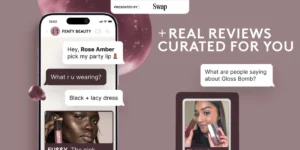
Looking back at recent Glossy coverage, Fenty Beauty’s adoption of WhatsApp AI advisors highlights the growing importance of messaging platforms as commerce channels in the beauty industry. The continued success of brands like Bath & Body Works and the impact of AI on sales, as seen with Aritzia, underscore the digital transformation occurring across consumer sectors. Partnerships, such as Paly’s collaboration with Selfridges, and the strategic launches of performance-driven makeup lines like Forta by WNBA player Lexie Hull, illustrate diverse pathways to market penetration and category innovation. The rapid conversion of viral TikTok trends into marketing campaigns, exemplified by Batiste, and the enduring appeal of trends like beauty bag charms, showcase the influence of social media on consumer behavior and brand agility. E.l.f. Beauty’s self-perception as an entertainment company rather than solely a beauty brand further emphasizes the evolving landscape where brand identity is increasingly tied to cultural engagement and immersive experiences.
The collective narrative emerging from both the Coachella activations and broader industry trends points to a wellness landscape that is dynamic, expansive, and deeply intertwined with cultural moments and technological advancements. Brands that can effectively navigate this complex environment by offering authentic, experience-driven engagement are likely to thrive.