More than two decades ago, the concept of consumers purchasing beauty products online was revolutionary. Today, in 2026, digital platforms are the norm for cosmetic sales, with consumer online behavior shifting at a pace that challenges even agile companies. E.l.f. Beauty, a conglomerate that includes E.l.f. Cosmetics, Naturium, and Hailey Bieber’s Rhode brand, is actively embracing this transformation by integrating deeply with social e-commerce platforms like TikTok Shop and leveraging artificial intelligence (AI) and large language models (LLMs) such as ChatGPT, despite ongoing consumer debates surrounding AI’s ethical implications.
The Collapsing Consumer Funnel: AI as a Discovery Engine
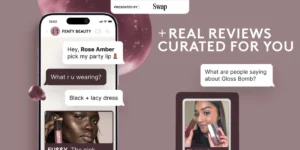
The way consumers discover and interact with brands has fundamentally changed, with generative AI playing an increasingly central role. Ekta Chopra, Chief Digital Officer at E.l.f. Beauty, highlighted this shift during Shoptalk Spring, stating, "One thing for sure is that almost 60% of discovery is happening on LLMs, specifically ChatGPT and Google. It’s not [only] about the checkout. It’s more about being there as part of the consumer’s journey, because the whole funnel is collapsing.” This sentiment underscores a critical evolution in digital strategy: brands must be present and influential at the earliest stages of a consumer’s decision-making process, which is increasingly initiated through conversational AI interfaces.
The implications of this "collapsing funnel" are profound for marketing and product development. Traditional linear marketing funnels, where awareness, interest, desire, and action were distinct stages, are now blending into a more fluid and immediate experience. Consumers are using AI not just to find product reviews or compare prices, but to actively seek recommendations, understand ingredient benefits, and even get personalized styling advice. For brands, this means a paradigm shift from broadcasting messages to engaging in personalized, context-aware conversations.
Internal AI Integration: Optimizing for LLM Visibility
E.l.f. Beauty’s adaptation extends beyond consumer-facing applications to internal operations. The company has established a dedicated internal team focused on optimizing its product content for LLM discoverability. This involves utilizing AI to "scrape" data, identifying the specific keywords, phrases, and contextual information that consumers are inputting into platforms like ChatGPT when searching for beauty products. This proactive approach aims to ensure E.l.f. brands appear prominently in these emerging search environments.
Chopra elaborated on this strategic imperative, explaining, "This is not just, ‘Hey, this is what the consumer is searching for. I’m going to build this content.’ It’s a whole mindset shift for our copy teams and our product marketing team. What we’re trying to solve for is not a short-term problem, but how the workforce is going to work in the future – that’s what we’re trying to solve for.” This indicates a long-term vision for integrating AI into the very fabric of content creation and marketing strategy, preparing the workforce for a future where AI is an indispensable tool. This involves retraining teams, developing new skill sets, and redefining roles to work collaboratively with AI.
TikTok’s Dominance in Beauty: From Trendsetting to Transactional
While AI reshapes discovery, the impact of social media platforms, particularly TikTok, on the beauty industry remains undeniable. Since its U.S. launch in 2018, TikTok has become a significant accelerator of beauty trends, cultivating a new generation of influencers and content creators. The introduction of TikTok Shop in 2023 has further revolutionized the landscape by seamlessly integrating product discovery and purchasing within a single interface.
The commercial impact of TikTok Shop is substantial and growing. Data indicates a significant surge in sales from established brands. In 2025, sales from brands with at least $30 million in annual revenue on TikTok Shop reportedly increased by 97% year-over-year. This impressive growth prompted major beauty retailers to take notice. In March 2026, Ulta Beauty announced its official integration with TikTok Shop, signaling a strategic pivot to capitalize on the platform’s immense reach and transactional capabilities. This move by Ulta, a titan in the beauty retail space, underscores the platform’s transition from a purely entertainment-focused app to a powerful e-commerce channel.
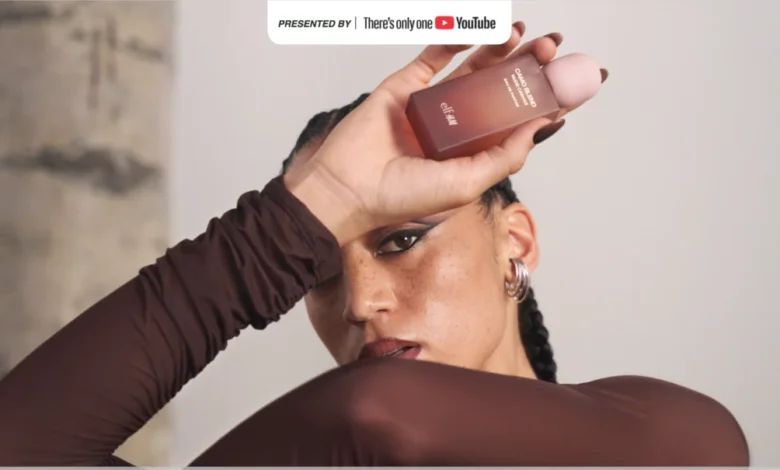
For E.l.f. Beauty, competing effectively on TikTok necessitates a redefinition of its brand identity. Chopra articulated this evolution: "The world is evolving for us. We call ourselves not a beauty brand anymore. We are entertainment, when you really think about it. Being on these platforms requires you to have a muscle in entertainment. When you’re on TikTok, entertainment is coming from what’s trending, the trendiest song, things like that. So I would say that we have to stay in tune with the culture, and culture is moving at the speed of swipe.” This perspective suggests that success on platforms like TikTok is no longer solely about product efficacy or brand heritage, but about an immersive, culture-driven entertainment experience that resonates with a fast-paced, digitally native audience.
The Competitive Arena: TikTok vs. LLMs
The beauty industry’s major players are adopting distinct strategies in their pursuit of digital commerce dominance. While Ulta Beauty strategically embraced TikTok Shop, Sephora, another industry giant, has opted for a different path, announcing an integration between its mobile application and ChatGPT. This move by Sephora, a LVMH-owned luxury retailer, is interpreted by Chopra as a testament to their confidence in ChatGPT as a trusted platform for personalized consumer experiences.
Chopra drew a parallel to the ongoing "Ulta-Sephora wars," noting, "Ulta went to TikTok, and then Sephora went to the LLM. Sephora is actually trusting to connect their 80 million loyalty members with ChatGPT for personalization. That is insane, when you think of all the trust issues [with AI] and everything.” This comparison highlights the divergent approaches: Ulta is leveraging the social virality and transactional immediacy of TikTok, while Sephora is betting on the sophisticated personalization and conversational capabilities of LLMs. The trust factor Chopra mentions is crucial; Sephora’s decision to integrate its extensive loyalty program with ChatGPT suggests a calculated risk and a belief that the benefits of AI-driven personalization outweigh potential consumer apprehension.
Sephora is not alone in its embrace of LLMs. Major e-commerce and retail entities like Shopify and Walmart have also announced integrations with OpenAI’s ChatGPT in recent months. E.l.f. Beauty itself has proactively sought to deepen its understanding of AI, reportedly inviting Google to its New York offices to assist its team in mastering AI utilization.
The Enduring Value of Human Input in the AI Era
Despite the rapid adoption of AI technologies, E.l.f. Beauty maintains a nuanced perspective on their role, emphasizing that efficiency gains through AI will not supersede the importance of human expertise. Chopra clarified the company’s stance on AI in creative processes: "There are things that will use AI in creative. ‘Hey, here’s one shot. Can you cut it in 50 different ways, change the background?’ Absolutely, that’s efficiency. Even though you can train the LLMs, it depends on where you, as a brand, draw the line on the value of human input. And E.l.f. really values the human input.”
This statement reflects a prevailing sentiment within forward-thinking organizations: AI is a powerful tool for augmentation, not wholesale replacement. The ability of AI to generate variations, optimize existing assets, and handle repetitive tasks can significantly boost creative output and operational efficiency. However, the inherent creativity, nuanced understanding of brand voice, emotional intelligence, and ethical judgment that human professionals bring to the table remain indispensable. E.l.f.’s commitment to valuing human input suggests a strategy that harnesses AI to empower its creative and marketing teams, rather than diminish their roles. This approach is likely to foster more authentic brand narratives and deeper consumer connections, distinguishing them in an increasingly automated digital landscape. The company’s forward-looking strategy appears to be a carefully calibrated balance between embracing cutting-edge technology and preserving the essential human element that defines brand identity and fosters genuine consumer loyalty.