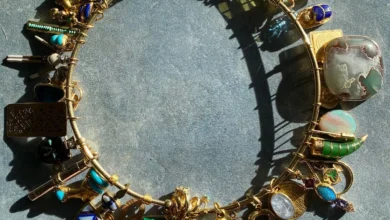
Mastering the Art of Jewelry Layering A Comprehensive Guide to Achieving the Perfect Neck Mess

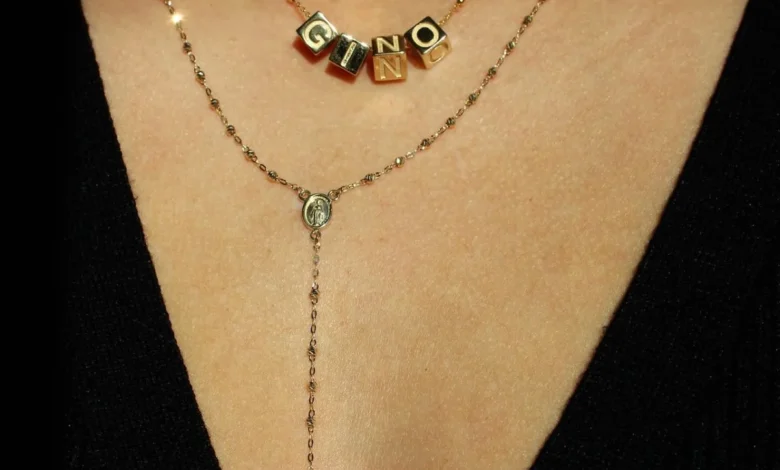
The global jewelry market, valued at approximately $350 billion in 2023, has witnessed a significant shift in consumer behavior toward personalized, maximalist aesthetics. Central to this evolution is the "neck mess" trend—a deliberate, curated layering of multiple necklaces of varying lengths, textures, and styles. While the aesthetic appears effortless, the execution requires a nuanced understanding of jewelry engineering, historical styles, and visual balance. This professional guide analyzes the technical and stylistic requirements for achieving a sophisticated layered look, supported by industry trends and historical context.
The Evolution of the Layering Trend
The practice of wearing multiple necklaces is not a modern invention but a revival of historical adornment practices. From the weighted collars of Ancient Egypt to the ornate festoon necklaces of the Victorian era, jewelry has long served as a marker of status and personal narrative. In the contemporary market, the "neck mess" emerged as a reaction to the stark minimalism of the early 2010s. Market analysts suggest that the rise of digital communication—specifically the "Zoom effect" during the COVID-19 pandemic—accelerated the demand for "above-the-keyboard" styling, placing a renewed focus on earrings and necklaces.
According to data from Grand View Research, the personalized jewelry segment is expected to grow at a compound annual growth rate (CAGR) of 8.5% through 2030. This growth is driven by a consumer desire for storytelling, where each layer of a necklace stack represents a memory, a milestone, or a specific aesthetic choice.
Step 1: Establishing the Foundation with Basics
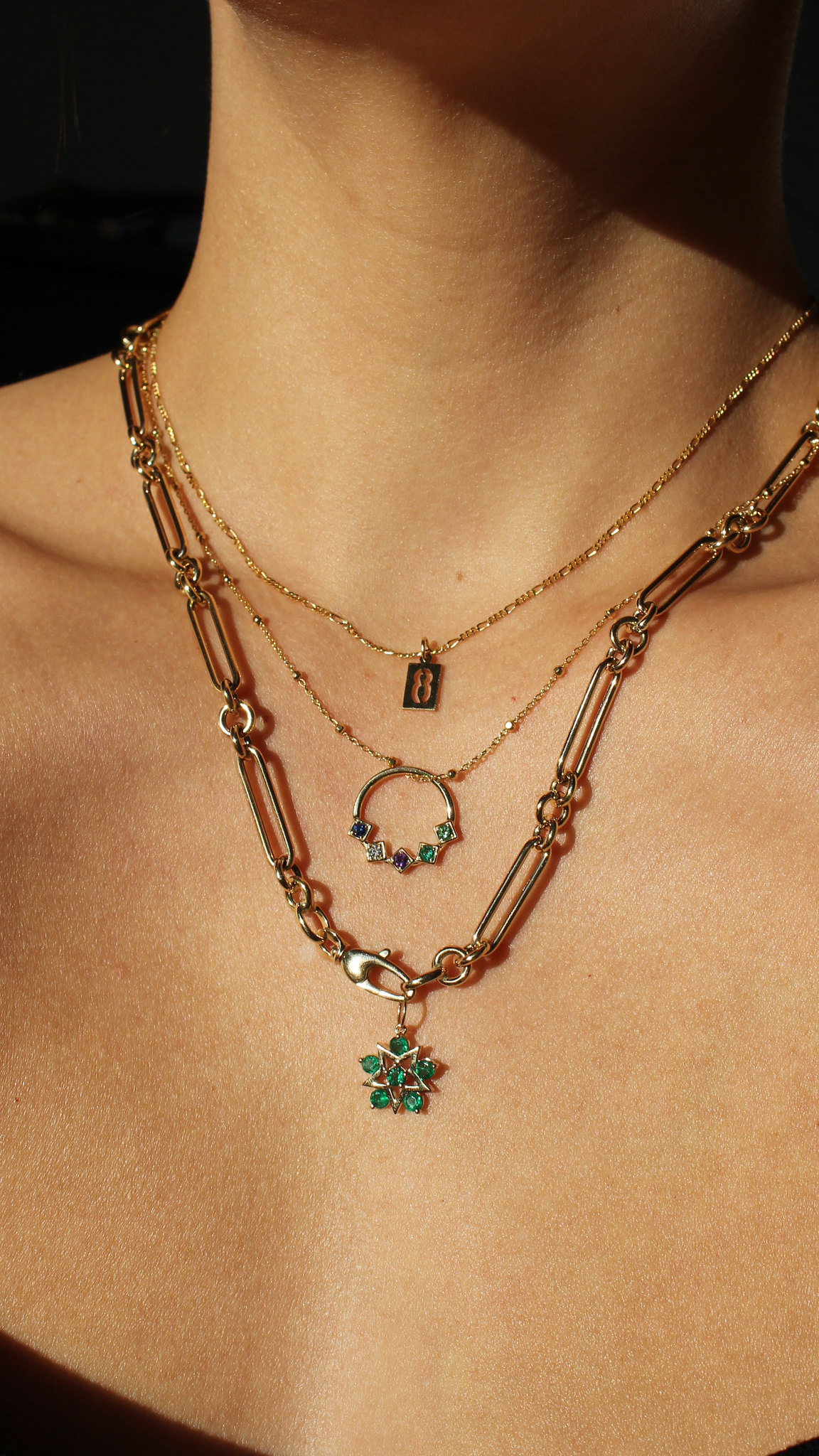
Every successful jewelry curation begins with a foundational element, typically a classic chain in the 16-inch or 18-inch range. In professional styling, this is referred to as the "anchor piece." These lengths are standard in the industry because they rest comfortably on the collarbone (the supraclavicular notch) or just below it, providing a stable center of gravity for additional layers.
Industry experts recommend utilizing this foundation to display "talismanic" jewelry—pieces with high sentimental value. This includes charms acquired during travel, birthstones, or engraved pendants. The psychological impact of jewelry is well-documented; "enclothed cognition" suggests that wearing items with personal significance can improve the wearer’s confidence and mood. Stylists caution against including pieces with negative emotional associations, such as jewelry from past relationships, as the "neck mess" is intended to be a reflection of the wearer’s current identity and aspirations.
Step 2: Geometric Variation and Length Calibration
One of the primary technical challenges in jewelry layering is the prevention of tangling, a phenomenon caused by friction and the overlapping of identical chain weights. To mitigate this, a successful stack must utilize differing lengths. A standard professional toolkit for layering includes the following measurements:
- Choker (12–14 inches): Sits tightly around the neck; serves as the highest point of the stack.
- Princess Length (16–18 inches): The most common length, resting on the collarbone.
- Matinee Length (20–24 inches): Sits at the cleavage or slightly below; ideal for larger pendants.
- Opera Length (28–36 inches): Sits at the breastbone or below; can often be doubled for a tiered effect.
By spacing necklaces at least two inches apart, the wearer creates a vertical line that elongates the neck while ensuring that each individual piece remains visible. This "tiered" approach is not merely aesthetic; it distributes the weight of the jewelry across the neck and shoulders, reducing the likelihood of the chains migrating or knotting during movement.

Step 3: Technical Diversity in Chain Styles
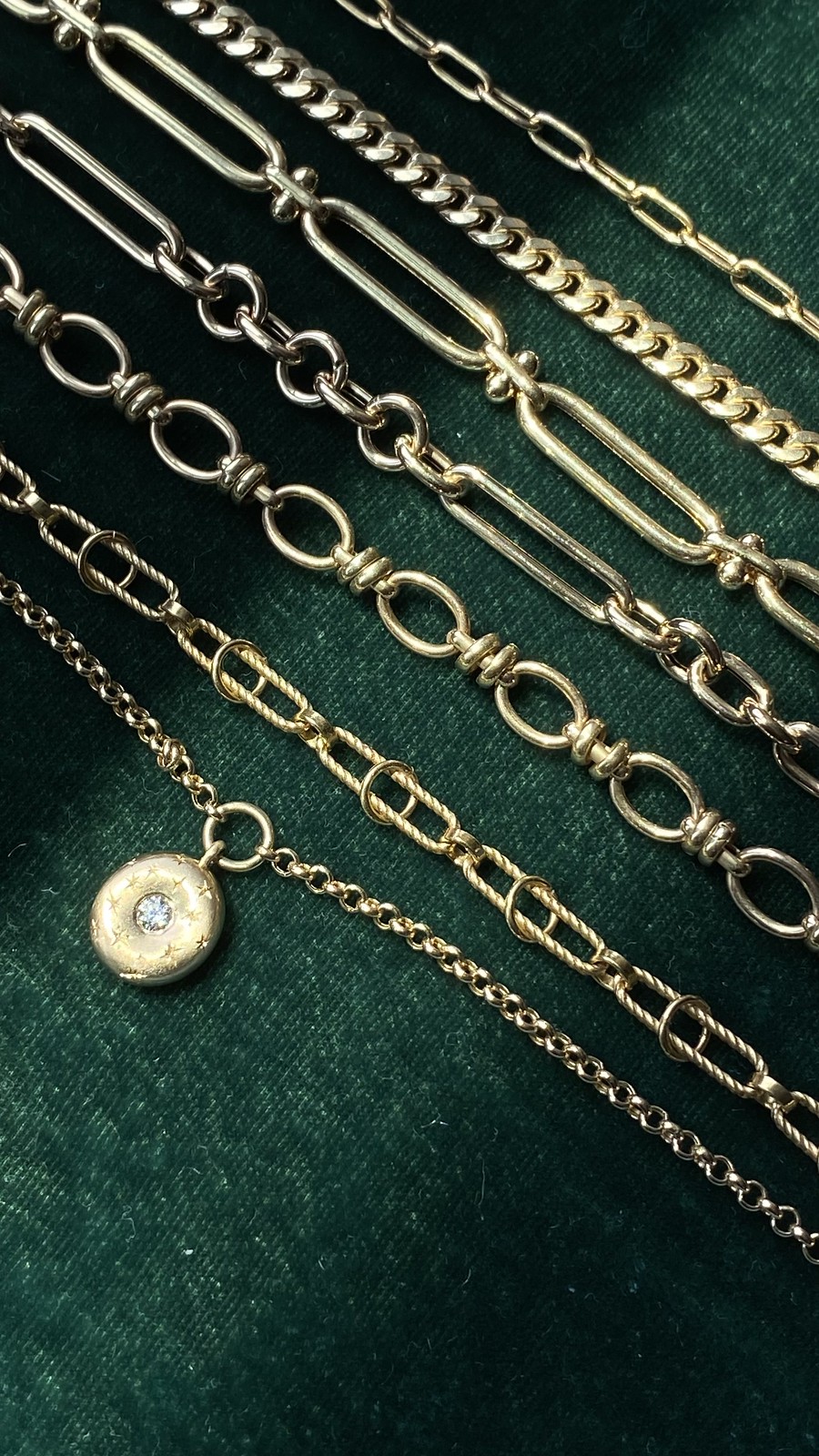
The "physics" of the neck mess relies heavily on texture. In the jewelry industry, the variety of chain links available serves both functional and decorative purposes. Utilizing different chain styles increases the surface area and varies the weight distribution, which significantly reduces the "clumping" effect that occurs when identical chains are worn together.
Key chain styles that professionals recommend for a diverse stack include:
- The Figaro Chain: A pattern of three small circular links followed by one elongated oval link. Originating in Italy, it offers a rhythmic visual appeal.
- The Mariner Chain: Inspired by the chains used to anchor ships, these links feature a central bar that prevents the chain from kinking.
- The Snake Chain: Composed of smooth, round metal plates joined together, creating a flexible, sleek look that contrasts well with textured links.
- The Paperclip Chain: A modern favorite consisting of elongated rectangular links. Its open structure makes it an excellent "spacer" between denser chains.
- The Herringbone: A flat, slanted link style that mimics the skeleton of a herring fish. While prone to kinking if not stored properly, its liquid-like sheen adds a high-fashion element.
By mixing a delicate rope chain with a heavy curb link or a smooth ball chain, the wearer creates a "textural friction" that keeps the pieces separated and visually distinct.
Step 4: Achieving Visual Symmetry and Balance
The final stage of a professional jewelry curation involves adding a "statement" piece that provides horizontal dimension. While the first three steps focus on verticality, the fourth step introduces symmetry. Styles such as the "festoon" (a necklace with draped elements), "station" (chains with gemstones or beads set at regular intervals), or "bib" necklaces act as the "closer" for the stack.
The "Cleopatra-style" necklace, characterized by wide, tapering metal plates, or a diamond-dangle station necklace, adds a focal point that anchors the entire collection. Symmetry in this context does not mean perfect mirroring, but rather a balance of visual "weight." If the left side of the stack features a heavy charm, the right side should be balanced by a similarly weighted element or a specific chain thickness to ensure the stack does not sit lopsided.
Market Implications and Social Trends
The shift toward layering has significant implications for the jewelry retail sector. Brands are increasingly moving away from selling single necklaces and are instead marketing "layering sets" or "curated stacks." This strategy has increased the average order value (AOV) for jewelry e-commerce platforms.
Furthermore, the rise of "demi-fine" jewelry—pieces made from gold vermeil or sterling silver with high-quality plating—has made the layered look more accessible. Consumers can now invest in five or six high-quality pieces for the price of one solid 18k gold necklace, allowing for the "maximalist" look without the prohibitive cost of traditional fine jewelry.
Sustainability also plays a role in this trend. The "neck mess" encourages the reuse of vintage pieces and family heirlooms, mixing them with modern acquisitions. This "circular fashion" approach appeals to Gen Z and Millennial consumers, who currently drive 45% of the global luxury goods market and prioritize ethical consumption.

Conclusion: The Future of the Curated Aesthetic
Mastering the jewelry stack is a blend of artistic expression and technical precision. By adhering to the principles of foundational basics, varied lengths, diverse textures, and symmetrical finishing, individuals can create a sophisticated "neck mess" that resists tangling and maximizes visual impact.
As fashion continues to lean toward personalization, the ability to curate a unique jewelry narrative will remain a highly valued skill. Digital platforms like Instagram and TikTok continue to fuel this trend through hashtags such as #neckmess and #gemgossipneckparty, providing a constant stream of inspiration for consumers. Ultimately, the successful layering of necklaces is an exercise in "curated chaos"—a controlled, beautiful display of personal history and stylistic expertise that reflects the complexities of modern identity.