Bath & Body Works Bets on a 20-Year-Old Fragrance to Reignite Its Identity Amidst Market Challenges

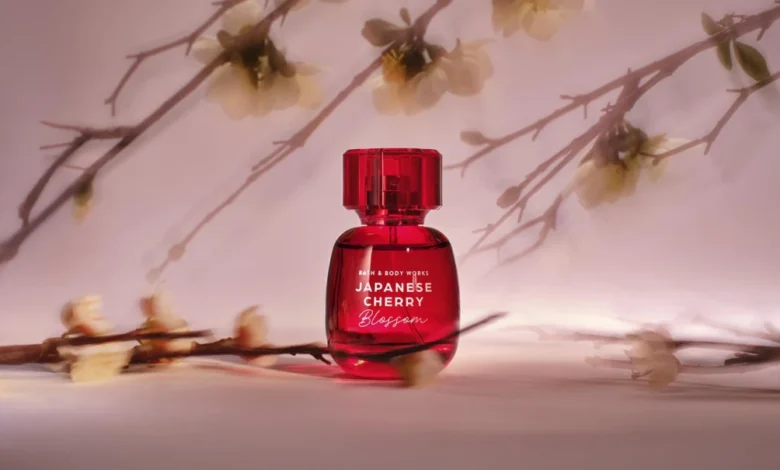
Bath & Body Works is strategically leveraging the 20th anniversary of its enduringly popular Japanese Cherry Blossom fragrance as a cornerstone of its ambitious turnaround plan, aiming to reclaim its position as a preeminent authority in the fragrance market. This initiative coincides with significant market shifts, including a class-action lawsuit filed against Oddity following a substantial decline in its share prices, and the expansion of Sol de Janeiro into new retail territories. The company’s focus on its iconic scents underscores a broader industry trend of brands revisiting their heritage to reconnect with consumers and fortify their market standing.
A Fragrance Icon’s Enduring Appeal
The narrative of Bath & Body Works’ strategic pivot is deeply intertwined with the success story of Japanese Cherry Blossom. Launched in 2006, this scent has become a monumental achievement in the career of master perfumer Harry Fremont, who has crafted hundreds of fragrances for a diverse clientele ranging from luxury fashion houses like Tom Ford to hip-hop artist 50 Cent. Fremont, a former perfumer at Firmenich who retired in 2018, recalls his early foray into the mass-market fragrance sector with Bath & Body Works as a pioneering move.
"I was maybe one of the first fine fragrance perfumers that got into Bath & Body Works at the time," Fremont stated. He attributes the unique character of Japanese Cherry Blossom to the inclusion of a Basmati rice accord, which he artfully blended with amber, floral, and musky notes. "I think the balance was right. There is this kind of very clean, out-of-the-shower feeling to it, that I think is really reassuring," he explained, highlighting the scent’s universally appealing and comforting qualities.
The commercial success of Japanese Cherry Blossom is nothing short of extraordinary. According to Bath & Body Works, the fragrance pillar has generated over $1.5 billion in lifetime sales. In the fiscal year 2025 alone, the company reported sales of more than 11 million units across the entire Japanese Cherry Blossom franchise, encompassing a wide array of product formats including fine fragrance mists, eau de parfum, and body lotions. The home fragrance segment also saw significant contributions, with Japanese Cherry Blossom driving over $8 million in candle sales in 2023, marking a peak in its popularity within this category. This sustained performance underscores the fragrance’s remarkable longevity and its profound impact on the company’s revenue streams.
Revitalizing a Legacy: The 20th Anniversary and Beyond
The enduring appeal and robust sales of Japanese Cherry Blossom make it a pivotal element in Bath & Body Works’ strategy to re-establish itself as a leader in the fragrance space. On Tuesday, the Ohio-based company marked the 20th anniversary of this iconic scent by releasing "Forever Cherry Blossom," a new flanker designed to offer a contemporary interpretation of the original.
Kristie Lewis, EVP of Merchandising at Bath & Body Works, emphasized the strategic importance of this anniversary. "It has the longevity, and it has the sales. But it also has the love from the customer, which I think is the most important thing," Lewis stated. She elaborated that celebrating the anniversary provides existing customers with renewed confidence in their favorite fragrance, assuring them of its continued availability. Simultaneously, it serves as an effective introduction to new consumers, offering a fresh perspective on a beloved classic.
The creation of Forever Cherry Blossom was a collaborative effort by IFF perfumers Patty Hidalgo and Natasha Côté-Mouzannar. They sought to update the 2006 scent by incorporating notes of magnolia and jasmine, alongside Edenolide, a proprietary and comforting musk developed by IFF.
"When you think of Japanese Cherry Blossom, it’s clean, it’s comforting, and it’s feminine, and that’s why everybody loves it. So we wanted to kind of try to do the same thing, but in a more modern way," explained Hidalgo, a perfumer with a diverse portfolio that includes scents for brands like Boy Smells and other Bath & Body Works creations. She further noted the role of flankers in modernizing and potentially elevating iconic fragrances. "Flankers rejuvenate a particular scent a little bit. And they could lead to something that becomes even more iconic [than the original]."
Interestingly, Japanese Cherry Blossom itself is a flanker, stemming from the 2005 release of "Cherry Blossom," also conceived by Harry Fremont. In commemoration of the 20th anniversary, Bath & Body Works has reintroduced the original 2005 Cherry Blossom fragrance, which relaunched on Tuesday in stores and online. Lewis indicated that this classic scent will be expanded to new distribution channels, including Amazon, a platform Bath & Body Works entered in February, with a rollout planned for later in the summer. This multi-channel strategy aims to broaden the reach of its heritage fragrances.
The "Consumer First Formula" and a Fragrance Authority Reclaimed
The emphasis on iconic scents like Japanese Cherry Blossom is central to Bath & Body Works’ "Consumer First Formula," a comprehensive turnaround plan unveiled by CEO Daniel Heaf in November. This strategy is a direct response to recent financial performance, which saw a 2% decline in net sales for the fourth quarter of fiscal year 2025, totaling $2.7 billion.
By spotlighting its best-selling fragrances, Bath & Body Works, a company that typically introduces around 200 new scents annually, aims to shift consumer perception away from its image as primarily a seasonal brand. Seasonal releases currently account for approximately 30% of the company’s total business.
"As part of our turnaround and what we’re calling our Consumer First Formula, we need to regain leadership in the fragrance space," Lewis reiterated. "We are the fragrance authority, and I think sometimes we’ve lost visibility to being perceived that way."
Japanese Cherry Blossom, consistently ranked among the top three scents in Bath & Body Works’ portfolio and recognized as the No. 4 top-selling international fragrance in 2025 outside the U.S. and Canada, is the inaugural fragrance to receive this "icon treatment." However, the company has signaled its intention to extend this approach to other beloved scents, with "Warm Vanilla Sugar," a popular 90s fragrance, being a potential candidate for similar revitalization efforts.
"We are seen very much as a seasonal brand, which is important, and that is a part of our business. But again, we have these amazing, multi-million-dollar, iconic fragrances that can rival any prestige [brand], and we don’t treat them like that," Lewis commented, underscoring a perceived underutilization of the brand’s heritage assets. She added that cultivating this focus on iconic fragrances represents a new strategic direction for the company, crucial for reasserting its identity as a fragrance authority.
Industry Shifts and Emerging Trends
The strategic moves by Bath & Body Works occur against a backdrop of dynamic changes within the beauty industry. The mention of Sol de Janeiro entering new retail partnerships highlights the ongoing expansion and evolving distribution strategies of prominent beauty brands.
Separately, the news of Oddity facing a class-action lawsuit following a sharp decline in its share prices serves as a stark reminder of the volatility and intense scrutiny that publicly traded beauty companies can encounter. While the specifics of the lawsuit and the reasons for Oddity’s stock performance are not detailed in the provided context, such events can significantly impact investor confidence and market perception.
Furthermore, a significant statistical trend emerges from the "Stat of the week" section: the U.S. has now surpassed China as the leading importer of South Korean cosmetics. K-beauty exports to the U.S. reached $2.2 billion in 2025, more than doubling the $841 million recorded in 2021. This remarkable growth trajectory indicates a sustained and increasing demand for Korean beauty products within the American market, potentially influencing product development and marketing strategies for domestic brands.
The "In the headlines" section points to several other pertinent industry discussions: the suitability of influencer Alix Earle as the face of a skincare brand, the dominance of Amazon and Walmart in beauty searches with AI emerging as a new discovery channel, and the notable influx of Australian body care brands into the U.S. market. These trends collectively illustrate a competitive and rapidly evolving landscape, characterized by the influence of digital platforms, artificial intelligence, and international market penetration.
The "Listen in" section highlights the growing importance of AI in the wellness sector, with Thorne CSO Dr. Nathan Price discussing AI-powered wellness chatbots as a future necessity for supplement brands. This underscores the broader technological integration across the health and beauty industries.
Finally, the "Need a Glossy recap?" section provides a snapshot of recent developments reported by Glossy, including E.l.f. Beauty’s strategic positioning as an entertainment company, Fenty Beauty’s innovative use of WhatsApp for AI-driven customer service, and Batiste’s agile response to a viral TikTok campaign. These examples further illustrate the fast-paced nature of the beauty market and the innovative approaches brands are taking to engage consumers.
Bath & Body Works’ reliance on the 20-year-old Japanese Cherry Blossom scent for its turnaround plan is a calculated move that taps into established brand equity and consumer loyalty. In an industry characterized by rapid innovation and shifting consumer preferences, the company is betting that its heritage can provide a stable foundation for future growth and reassert its identity as a formidable force in the global fragrance market. The success of this strategy will likely depend on its ability to not only celebrate its past but also to translate that legacy into compelling offerings for contemporary consumers, while navigating the broader economic and competitive currents of the beauty industry.