Pioneering the Future: Fashion Revolution Week Panel Explores Bio-Based Materials and the Evolution of Vegan Fashion Perceptions

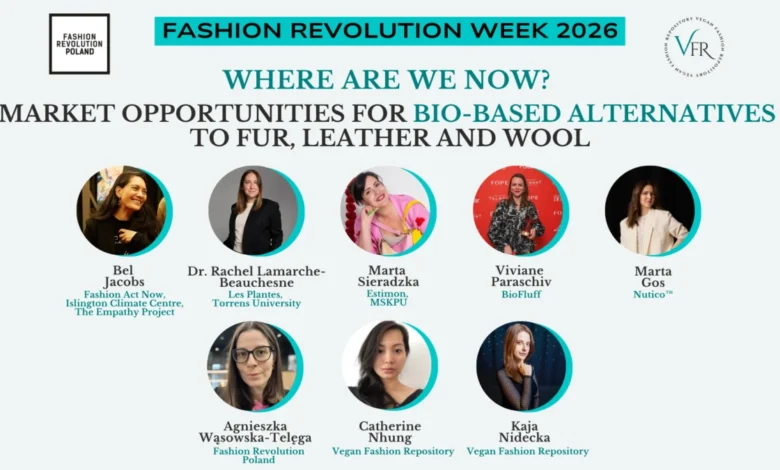
This Fashion Revolution Week, a groundbreaking collaborative panel, jointly hosted by Fashion Revolution Poland and the Vegan Fashion Repository, convened on April 23rd from 5 PM to 6 PM CEST to delve into the critical opportunities and challenges surrounding bio-based alternative materials. The online event, accessible via YouTube, aimed to move beyond outdated perceptions of vegan fashion, spotlighting the innovative advancements poised to reshape the industry. The discussion brought together a diverse group of material innovators, brands, designers, and advocates, fostering a comprehensive dialogue on the forces driving change across both the supply and demand sides of the fashion ecosystem.
The Genesis of a Movement: Fashion Revolution Week
Fashion Revolution Week, an annual global campaign, emerged in the aftermath of the tragic Rana Plaza factory collapse in Bangladesh on April 24, 2013. This catastrophic event, which claimed over 1,100 lives and injured thousands more, exposed the devastating human cost of fast fashion and the systemic lack of transparency and accountability within global supply chains. Founded by Carry Somers and Orsola de Castro, Fashion Revolution swiftly grew into the world’s largest fashion activism movement, advocating for a fashion industry that conserves and restores the environment and values people over profit.
Each year, during the week of April 24th, Fashion Revolution mobilizes millions of citizens, brands, and policymakers to demand greater transparency and ethical practices. Its iconic "Who Made My Clothes?" campaign encourages consumers to ask brands pointed questions about their supply chains, pushing for greater visibility from farm to finished garment. The movement emphasizes the interconnectedness of social justice and environmental sustainability, recognizing that exploitation of people and planet often go hand-in-hand. The panel discussion on bio-based materials, therefore, aligns perfectly with Fashion Revolution’s core tenets, addressing a crucial aspect of environmental responsibility and ethical production within the broader fashion landscape.
The Imperative for Bio-Based Innovation
The fashion industry is notoriously resource-intensive and environmentally damaging. Traditional materials like leather, wool, and fur, while historically significant, carry substantial ecological and ethical footprints. Leather production, for instance, is linked to deforestation for cattle ranching, significant greenhouse gas emissions (methane from livestock), and heavy water and chemical usage in the tanning process, often releasing toxic effluents into waterways. Conventional wool farming can contribute to land degradation and methane emissions, while the processing of wool often involves harsh chemicals. The fur industry faces widespread ethical condemnation due to animal cruelty concerns and also contributes to pollution from intensive farming and chemical-heavy processing.
Against this backdrop, the shift towards bio-based alternative materials is not merely a trend but a necessity for the industry’s long-term viability and sustainability. Bio-based materials are derived from renewable biomass sources, such as plants, fungi, and agricultural waste, offering a pathway to significantly reduce reliance on fossil fuels, minimize chemical use, lower water consumption, and decrease greenhouse gas emissions. The market for sustainable materials in fashion has been experiencing robust growth, with various industry reports projecting a compound annual growth rate (CAGR) exceeding 10% in the coming decade, driven by increasing consumer awareness and corporate commitments to environmental, social, and governance (ESG) principles. This growth underscores the significant economic opportunity alongside the environmental imperative.
Unpacking the Material Revolution
The panel explored a fascinating array of next-generation materials currently under development or already entering the market. These innovations are diverse, leveraging biotechnology and material science to create alternatives that mimic or even surpass the performance and aesthetics of traditional materials.
One prominent example is mycelium-based leather, derived from the root structure of fungi. Companies like MycoWorks (producing Reishi) and Bolt Threads (producing Mylo) have successfully engineered materials that replicate the look, feel, and durability of animal leather without its environmental drawbacks. These materials are biodegradable, require significantly less water and land, and offer a closed-loop production system. Major fashion houses and sportswear brands have already begun incorporating mycelium into their collections, signaling its growing acceptance and commercial viability.
Another significant innovation is Piñatex, a versatile material made from the cellulose fibers of pineapple leaves, a byproduct of the pineapple harvest that would otherwise go to waste. This material offers a leather-like texture and is used in footwear, accessories, and apparel. Similarly, Appleskin leverages apple waste from the juice industry to create a durable and aesthetic material. Other emerging bio-based alternatives include algae-based textiles, lab-grown silks (mimicking spider silk without harming spiders), and various plant-based leathers derived from cactus, corn, or grape waste. These materials represent a paradigm shift, moving fashion from extractive practices to regenerative ones, where waste is valorized and natural cycles are respected.
Challenges on the Path to Widespread Adoption
Despite the immense promise, the transition to widespread adoption of bio-based materials is not without its hurdles. One of the primary challenges is scalability. Producing these materials at a volume that can meet the demands of a global industry requires significant investment in research, development, and manufacturing infrastructure. Many of these technologies are still relatively new, and scaling up from laboratory or pilot production to industrial levels presents complex logistical and financial obstacles.
Cost-effectiveness is another critical factor. While the long-term environmental and ethical benefits are clear, the initial production costs for many bio-based materials can be higher than their conventional counterparts, particularly in the absence of established economies of scale. This can make them less accessible to mainstream brands and consumers, perpetuating the dominance of cheaper, less sustainable options.
Performance parity and consumer acceptance also play crucial roles. Consumers and designers accustomed to the specific feel, drape, and durability of traditional materials may be hesitant to embrace alternatives if they perceive a compromise in quality or aesthetics. Education is vital to communicate the benefits and unique properties of these new materials, challenging preconceived notions and showcasing their potential.
Finally, regulatory frameworks and standardization are still evolving. Clear guidelines for labeling, biodegradability, and sustainable sourcing are necessary to build consumer trust and prevent greenwashing. The industry needs cohesive standards to ensure claims of sustainability are verifiable and consistent across brands.
The Role of Collaboration and Advocacy
The panel’s hosts, Fashion Revolution Poland and the Vegan Fashion Repository, exemplify the collaborative spirit essential for driving systemic change. Fashion Revolution Poland operates within the global framework of Fashion Revolution, tailoring its advocacy and educational initiatives to the specific context and challenges of the Polish market while contributing to the worldwide movement. Their involvement underscores the movement’s commitment to exploring practical solutions for a more sustainable future.
The Vegan Fashion Repository plays a vital role in curating, promoting, and educating the public and industry about animal-free materials and ethical fashion practices. By providing a centralized resource for information on vegan alternatives, they help demystify the choices available and accelerate the adoption of compassionate materials. Their expertise in material innovation and ethical sourcing made them an invaluable partner in shaping the discourse around bio-based alternatives, emphasizing that "vegan fashion" today signifies not just absence of animal products but a commitment to cutting-edge sustainability and ethical production.
Representatives from both organizations, though not explicitly named in the provided content, would logically emphasize the strategic importance of such collaborative platforms. Spokespersons from Fashion Revolution would likely highlight how "this panel underscores our unwavering commitment to fostering a transparent, accountable, and sustainable fashion industry. By bringing together diverse voices, we aim to accelerate the transition to materials that respect both people and planet, aligning perfectly with our mission to revolutionize the way fashion is made and consumed." Similarly, a representative from the Vegan Fashion Repository would assert, "We firmly believe that bio-based alternatives are not merely substitutes but represent the vanguard of fashion innovation, offering superior performance, ethical integrity, and a drastically reduced ecological footprint. This discussion is vital for dismantling old biases and showcasing the true, luxurious potential of truly sustainable and compassionate fashion."
Driving Forces: Technology, Values, and Brands
The conversation during the panel spanned the multifaceted forces driving change. Technological innovation stands at the forefront, with advancements in biotechnology, material science, and manufacturing processes continually pushing the boundaries of what’s possible. Investment in research and development is crucial, leading to breakthroughs that address performance, durability, and aesthetic challenges.
Equally significant are shifting consumer values. A growing segment of the global population, particularly younger generations, is increasingly conscious of the environmental and social impact of their purchasing decisions. Reports consistently indicate that consumers are willing to pay more for sustainable products and actively seek out brands that align with their ethical values. This demand-side pressure is a powerful catalyst for change.
Finally, brand adoption and leadership are indispensable. When major brands and designers embrace bio-based materials, it signals credibility, stimulates innovation in their supply chains, and accelerates market penetration. High-profile collaborations and product launches not only normalize these new materials but also inspire smaller brands to follow suit, creating a ripple effect across the industry. Brands like Stella McCartney, Adidas, and Hermès, among others, have already invested in and launched products featuring mycelium-based leather or other innovative bio-materials, setting a precedent for luxury and mainstream markets.
Implications and the Future Outlook
The implications of a successful transition to bio-based materials are far-reaching. Environmentally, it promises a significant reduction in the fashion industry’s ecological footprint, mitigating issues such as greenhouse gas emissions, water pollution, deforestation, and waste generation. Economically, it fosters new industries, creates green jobs, and diversifies supply chains, reducing reliance on volatile commodity markets. Ethically, it offers a path towards a cruelty-free fashion system that respects animal welfare.
For consumers, the shift means access to a wider array of ethical and sustainable choices, empowering them to make purchasing decisions that align with their values without compromising on style or quality. For the fashion industry itself, it represents a paradigm shift from a linear, extractive model to a circular, regenerative one, fostering innovation, resilience, and a renewed sense of purpose.
Looking ahead, the discussion from the panel highlights the need for continued collaboration between scientists, designers, manufacturers, policymakers, and consumers. Investment in research and development must be sustained, and innovative business models that support circularity and waste reduction need to be scaled. Policy initiatives, such as incentives for sustainable production and clearer labeling standards, will be crucial to level the playing field and accelerate the transition. Education remains paramount, not only for consumers but also for industry professionals, to foster a deeper understanding of these new materials and their potential.
The Fashion Revolution Week panel on bio-based materials served as a vital forum for advancing this critical conversation. By challenging outdated perceptions of vegan fashion and showcasing the cutting-edge innovations transforming the industry, the event underscored that the future of fashion is not just sustainable but also remarkably innovative, ethical, and aesthetically compelling. The path forward demands collective action, visionary leadership, and a steadfast commitment to creating a fashion world that benefits all people and the planet. The livestream remains available for those seeking to engage with this essential dialogue and witness the unfolding revolution in sustainable material science.