Scientists Officially Identify Leopardus tilcayo as the First New Cat Species Discovered in Over a Century

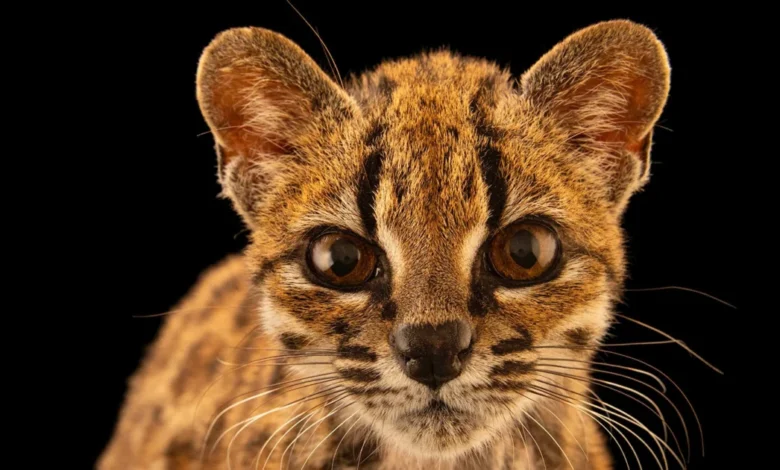
A decade-long scientific journey originating from a chance encounter in the Bolivian Andes has culminated in a monumental zoological discovery: the formal classification of Leopardus tilcayo, the first new living cat species described by science in more than one hundred years. The milestone finding, detailed in a comprehensive study published in the journal Current Biology, underscores the ongoing gaps in global biodiversity cataloging and highlights the critical intersection of wildlife rescue, genetic analysis, and modern taxonomy.
The story of Leopardus tilcayo began ten years ago when a local resident discovered a small, unusual feline wandering alone along a remote forest road in Bolivia. Initially mistaking the young animal for an ordinary domestic kitten, the finder took the creature in. As the animal matured, its distinctive physical traits—including prominent spots reminiscent of a leopard, a compacted facial structure, small rounded ears, and elongated whiskers—made it evident that the animal was a wild species. Recognizing that the cat required specialized care, the individual surrendered it to the Senda Verde wildlife sanctuary located in Coroico, Bolivia, a reputable facility dedicated to the rehabilitation and protection of local fauna.
From Unidentified Rescue to Taxonomic Breakthrough
Upon the cat’s arrival at the sanctuary, news of the "weird cat" reached Paola Nogales-Ascarrunz, a National Geographic Explorer, biologist, and the founder of the Programa de Investigación de Félidos Bolivia (Bolivian Felids Research Program). Intrigued by the animal’s striking morphology, Nogales-Ascarrunz documented the feline extensively, capturing numerous photographs. At the time, however, neither she nor her colleagues could foresee the profound taxonomic significance of the individual.
For several years, researchers provisionally categorized the animal as a member of Leopardus tigrinus, commonly known as the tigrina or oncilla, an elusive and small-spotted wild cat indigenous to Central and South America. The turning point occurred in 2019 when Nogales-Ascarrunz revisited her photographic archives while compiling an educational booklet on the wild felids of Bolivia. Examining the images with renewed scrutiny, she realized that the cat’s physical characteristics diverged significantly from the established phenotypic parameters of Leopardus tigrinus or any other recognized feline species in the region.
Recognizing the need for rigorous scientific verification, Nogales-Ascarrunz initiated a collaborative investigation alongside prominent geneticist Eduardo Eizirik of the Pontifical Catholic University of Rio Grande do Sul (PUCRS) and study co-author Jonas Lescroart of the University of Antwerp. The multidisciplinary team embarked on an exhaustive genetic and morphological analysis, comparing the sanctuary cat’s DNA samples and physical metrics against extensive databases of Neotropical felids.
The molecular data delivered an unambiguous conclusion: the cat represented a distinct evolutionary lineage. This genetic divergence provided the foundational evidence required to formally describe Leopardus tilcayo as a distinct species, setting in motion the meticulous peer-review and publication process that culminated in today’s official announcement.
Physical Characteristics and Ecological Unknowns
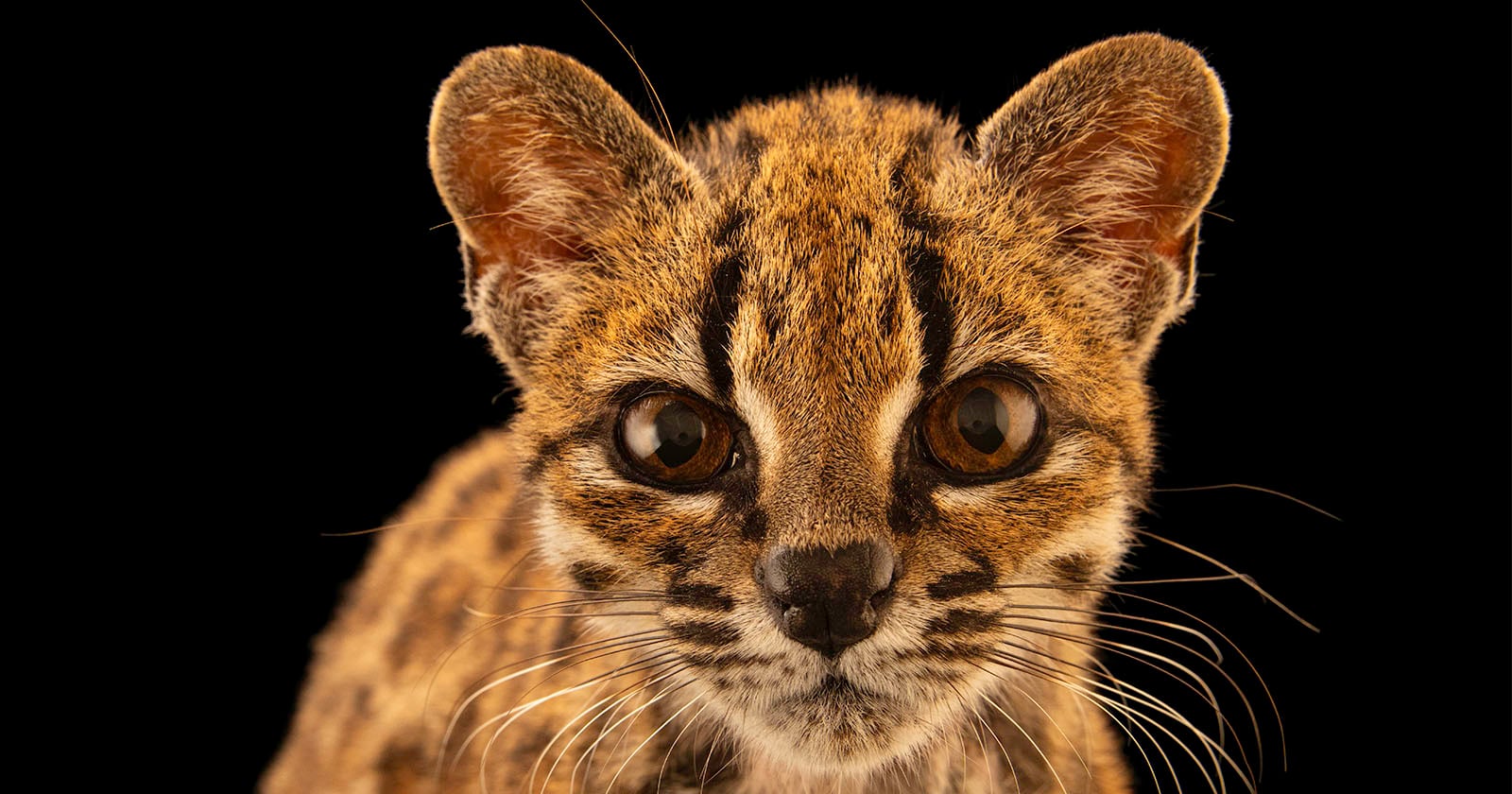
Leopardus tilcayo is distinguished by several unique physiological traits that separate it from its closest relatives within the genus Leopardus. Weighing just a few pounds—significantly less than the average domestic cat—it is among the smallest wild feline species on the planet. Its morphology includes a uniquely shortened, compact face, small and rounded ears, and pronounced whiskers, set against a coat marked by distinct leopard-like rosettes and spots.
Despite the formal naming and description of the species, foundational aspects of its ecology and natural history remain largely unknown. Wildlife biologists emphasize that critical questions regarding Leopardus tilcayo persist. Researchers have yet to document definitive data concerning its specific dietary preferences in the wild, its primary predators, its reproductive habits, or its precise geographic distribution across the Andean slopes and surrounding forest ecosystems.
Furthermore, the total population size of Leopardus tilcayo remains unmeasured, leaving conservationists unable to immediately determine its official risk status on the International Union for Conservation of Nature (IUCN) Red List. However, the circumstances of its discovery—emerging from a heavily impacted and rapidly changing landscape—suggest that population pressures could be significant.
Implications for Global Biodiversity and Conservation
The identification of Leopardus tilcayo carries profound implications for the fields of mammalogy, taxonomy, and wildlife conservation. Discovering a new mammalian species—particularly within a family as thoroughly studied and culturally prominent as Felidae—is an exceedingly rare event in modern science.
Eduardo Eizirik emphasized the broader message conveyed by the discovery during discussions surrounding the publication of the Current Biology study. He noted that even within flagship animal groups that have been the subject of intense scientific scrutiny for centuries, undiscovered species continue to exist. More critically, Eizirik warned that many of these cryptic or hidden species face immediate environmental threats, raising the alarming prospect that distinct biological lineages could become extinct due to habitat destruction, climate change, and human encroachment before science even knows they exist.
The discovery also highlights the vital role played by local wildlife sanctuaries and regional researchers. Facilities like Senda Verde serve not only as havens for displaced or injured animals but also as critical observation posts where unusual specimens can be identified, protected, and eventually brought to the attention of the scientific community.
Preservation in the National Geographic Photo Ark
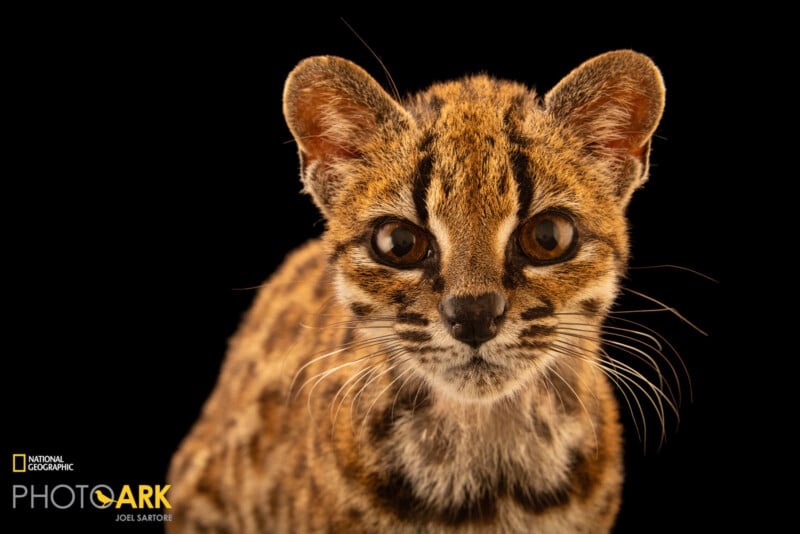
In tandem with the scientific description published in Current Biology, the newly recognized species has been integrated into the broader cultural and educational record. Renowned National Geographic photographer Joel Sartore traveled to the Senda Verde wildlife sanctuary to photograph the original individual—the very kitten found on a Bolivian roadside a decade ago—as part of the expansive Photo Ark project.
The inclusion of Leopardus tilcayo in the Photo Ark ensures that high-resolution visual documentation of the species exists for researchers, educators, and the public worldwide. As conservationists and geneticists prepare for subsequent expeditions to locate wild populations of Leopardus tilcayo in its native habitat, the formal recognition of this diminutive feline stands as a testament to the enduring mysteries of the natural world and the critical importance of continued biodiversity research.