Walgreens Pivots Retail Media Strategy with Looma Partnership to Bring Educational Digital Displays to 1,200 Stores

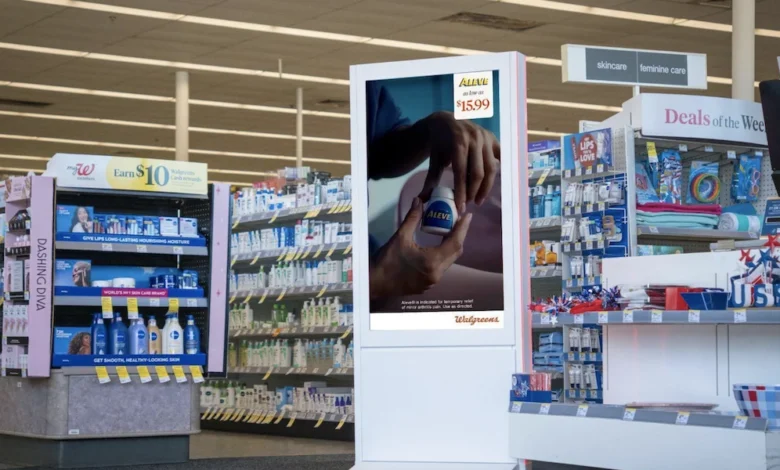
Walgreens is accelerating its expansion into in-store digital advertising through a strategic partnership with in-store media firm Looma, aiming to overhaul its retail media network and redefine how consumers interact with promotional content at the point of purchase. Beginning this October, the pharmacy giant plans to deploy digital screens featuring advertising and educational material across 1,200 of its retail locations. This initiative represents a calculated shift away from disruptive, high-pressure marketing tactics toward a content-driven framework designed to inform shoppers rather than interrupt them.
The collaboration introduces a thoughtful merchandising strategy. Rather than concealing merchandise or obstructing sightlines—an issue that plagued previous technological ventures—Looma’s displays are positioned directly alongside the products they support. Participating stores will feature two large-format screens located strategically near the front entrance and within the pharmacy waiting area. Additionally, the setup incorporates digital end caps capable of spotlighting single brands or running multi-brand educational content produced by Looma. These segments will leverage industry experts and content creators to cover diverse categories, including beauty, personal care, grocery, pharmacy, and wellness.
A Strategic Overhaul Under New Leadership
This major in-store media expansion is unfolding under the direction of John Storms, Walgreens’ vice president of digital and retail media. Storms joined the company approximately six months ago, bringing extensive industry experience built over two decades at Target and a tenure helping construct the Lowe’s Media Network. Since stepping into his current role, Storms has led a comprehensive reevaluation of the Walgreens Advertising Group to maximize the value of both digital and physical properties.
Speaking at Ascendant Network’s Showcase retail media upfront event in New York City, Storms emphasized the network’s refined focus. The leadership team is prioritizing better, higher-performing placements across both digital channels and physical stores. Despite the massive foot traffic physical retail locations command, in-store media still constitutes a comparatively small percentage of total retail media ad spending, presenting substantial room for future growth. Storms credited Looma with understanding how to effectively influence the point of purchase while keeping merchandising and customer experience at the forefront.
Learning from Past Friction: The Cooler Screens Legacy
The rollout of Looma’s displays marks Walgreens’ most significant domestic implementation of physical digital screens since its high-profile fallout with tech startup Cooler Screens. The partnership with Cooler Screens, initiated in 2018, originally aimed to replace traditional glass refrigerator doors with smart digital screens designed to display virtual rows of inventory alongside targeted advertisements.
However, the initiative encountered severe operational challenges. As documented in a comprehensive Bloomberg investigation published last year, the panels frequently malfunctioned—suffering from technical crashes, flickering displays, incorrect product mapping, and, in extreme instances, overheating issues. The technological friction culminated in 2023 when Cooler Screens filed a lawsuit against Walgreens after the retailer exited the agreement, alleging that the pharmacy chain abruptly severed data feeds to more than 100 Chicago-area stores. The legal proceedings remain ongoing.
By choosing Looma’s adjacent display architecture over embedded door replacements, Walgreens is signaling a return to non-invasive retail media. Instead of replacing foundational store infrastructure, the new hardware coexists alongside physical inventory, mitigating the technical risks and customer frustrations that characterized the Cooler Screens era.
Capitalizing on High-Dwell-Time Zones
A cornerstone of Walgreens’ new strategy involves targeting areas of the store where customers spend extended periods without active navigation. Storms specifically pointed to the pharmacy waiting area as an environment with tremendous dwell-time exposure.
Market research supports this strategic focus. A March 2026 survey conducted by Grocery TV and retail analyst Andrew Lipsman of Media, Ads + Commerce polled over 1,000 shoppers to evaluate consumer receptivity to in-store retail media. The findings revealed that grocery and pharmacy shoppers are significantly more receptive to advertisements located in pharmacy and checkout zones than to traditional shelf-edge placements or legacy cooler door screens.
According to Lipsman, consumers generally do not mind commercial messaging in high-dwell-time wait areas because it naturally complements a passive experience. Modern shoppers do not harbor an inherent aversion to commercial messaging inside brick-and-mortar stores; rather, audience acceptance hinges entirely on execution and content quality. Disruptive promotional material that shouts at consumers degrades the shopping experience, whereas high-quality brand advertising that informs buyers of relevant new products or forgotten necessities generates positive brand equity.
The Competitive Landscape: Following the Industry Blueprint
Walgreens is not operating in a vacuum. Its chief competitor, CVS Pharmacy, has established a formidable presence in the in-store retail media space, serving as an early pioneer of digital end caps. Industry analysts regard digital end caps as a vital power position within retail architecture, offering unprecedented flexibility compared to static cardboard signage.
Parbinder Dhariwal, vice president and general manager of the CVS Media Exchange, noted earlier this year that the company had already integrated digital end caps into more than 600 stores situated in high-traffic aisles. CVS’s overarching strategy mirrors Walgreens’ current philosophy: transforming digital displays into informational and educational touchpoints rather than purely promotional billboards. In addition to brand advertising, CVS utilizes these screens to highlight seasonal promotions, localized sales events, and health-related notices.
CVS has scaled its physical network aggressively. Company leadership projected that its in-store digital inventory would reach approximately 11,000 total screens nationwide this year, supported by point-of-sale checkout advertisements deployed across roughly 7,000 stores. Much like Walgreens, CVS views the pharmacy waiting area as a critical conduit for consumer packaged goods (CPG) brands seeking to capture mindshare before customers exit the pharmacy counter and transition back into the general retail footprint.
Industry Implications and the Future of Retail Media
The convergence of major pharmacy chains toward standardized, content-focused in-store digital networks underscores a broader maturation phase for retail media networks (RMNs). After years of experimental deployments, retailers have gained a clearer understanding of what operational models successfully drive conversions without alienating shoppers.
For brands and advertisers, the expansion of Looma’s network into Walgreens locations offers valuable scalability. Looma currently operates a verified network exceeding 7,000 screens across 10 distinct retail banners, collectively engaging approximately 13 million unique shoppers each month through partnerships with major grocery and wholesale entities such as Kroger, H-E-B, Harris Teeter, and BJ’s Wholesale Club. By incorporating Walgreens into this ecosystem, participating brands can seamlessly extend unified marketing campaigns across diverse retail environments while leveraging full-funnel performance metrics rather than relying solely on elementary impression counts.
As retail media continues to expand beyond owned digital websites and apps into the physical store environment, the success of these networks will likely depend on relevance, timing, and contextual appropriateness. By prioritizing education over interruption and targeting high-dwell-time zones like the pharmacy, Walgreens and its industry peers are charting a sustainable path forward for physical retail advertising—turning mandatory wait times into valuable moments of consumer discovery.