Hobbycraft returns to profit as Britain’s crafting boom gathers pace

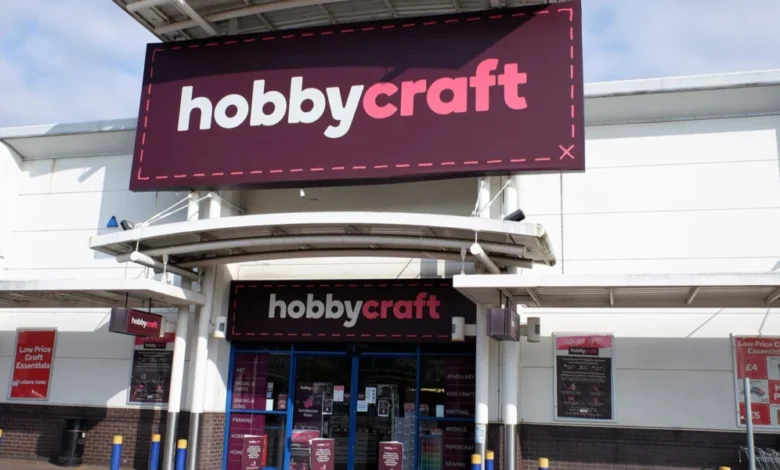
The arts and crafts sector, long considered a niche market, has undergone a significant commercial evolution in the United Kingdom, culminating in a dramatic financial turnaround for the country’s leading specialist retailer, Hobbycraft. For the 52-week period ending February 15, 2026, the company reported a statutory profit of £8.7 million, a stark reversal from the £10.1 million loss recorded during the previous fiscal year. This financial recovery serves as a bellwether for the "analogue renaissance" currently sweeping through British consumer culture, where hands-on, tactile hobbies are increasingly viewed as a necessary antidote to the pervasive influence of digital screens.
A Chronology of Financial Recovery
The path to profitability for Hobbycraft was neither immediate nor accidental; it was the result of a deliberate, high-stakes restructuring strategy implemented to navigate the volatility of the post-pandemic retail landscape.
Following the initial economic shock of the early 2020s, Hobbycraft—like many physical retailers—found its operational model strained by rising overheads, supply chain disruptions, and a shift toward e-commerce. By 2024, the company had entered into a Company Voluntary Arrangement (CVA), a legal process that allowed it to reorganize its financial obligations, negotiate lease terms, and rationalize its physical store footprint.
Throughout 2025, the company focused on aggressive cost-base management. This period was characterized by the closure of underperforming outlets, reducing the total store count from 124 to 107. By trimming its physical estate, the company was able to focus resources on its most profitable locations and streamline its inventory management systems. This "right-sizing" strategy proved effective, as evidenced by the company’s ability to exit its CVA in June 2026, a full two years ahead of the original schedule.
This recovery is further underscored by the reduction in drawn borrowings. By prioritizing debt repayment, the company successfully lowered its debt burden by £5.7 million, bringing its total borrowings down to £17.9 million. This fiscal discipline has provided the company with the liquidity required to pursue future growth, including potential international expansion and continued investment in its digital loyalty platform, which currently boasts 2.8 million members.
Market Dynamics: The Rise of the Screen-Free Consumer
The financial turnaround at Hobbycraft is inextricably linked to a broader sociological shift in the UK. As digital burnout becomes a documented phenomenon, consumers are increasingly seeking solace in non-digital activities.
Data from a 2026 study commissioned by National Rail provides compelling evidence of this trend, revealing that 34% of British adults now prioritize creative hobbies over passive screen-based leisure. This desire for "tactile engagement" is not merely a hobbyist preference; it is a lifestyle choice. The psychological benefits of crafting have been quantified by the retailer’s own research, conducted in partnership with the mental health charity Mind. The "Power of Making" report found that 8.8 million UK adults utilize crafting as a mechanism to manage their mental well-being, while 91% of those surveyed believe that children should be encouraged to reduce their screen time in favor of hands-on creativity.
This cultural shift has been accelerated by the rise of "slow living" movements on social media. Trends such as "cottagecore"—an aesthetic celebrating rural life and traditional skills—and "grandma-maxxing"—the ironic yet sincere embrace of knitting, crochet, and sewing—have captured the imagination of younger demographics. These movements are frequently bolstered by high-production-value television programs. Shows such as The Great British Sewing Bee and The Great Pottery Throw Down have effectively rebranded once-traditional crafts as aspirational, cool, and highly skill-based pursuits.
Data-Driven Growth Across Product Categories
The surge in interest has translated directly into sales performance. Hobbycraft’s performance data for the 2026 fiscal year highlights a dramatic uptick in specific craft categories that correlate with current social trends:
- Model-Making: Sales increased by 45% year-on-year, reflecting a renewed interest in precision hobbies and display-focused creative work.
- Crochet: Sales rose by 24%, aligning with the "slow fashion" and DIY clothing movements.
- Kawaii Aesthetics: Searches for Japanese-inspired, "cute" crafting products saw a staggering 221% increase, indicating a strong appetite for niche, trend-led inventory.
These metrics suggest that Hobbycraft has successfully transitioned from a static retailer of supplies to a dynamic participant in the cultural zeitgeist. By aligning its stock procurement with real-time social media trends, the company has managed to shorten the distance between consumer desire and point-of-sale availability.
Executive Perspective and Strategic Outlook
Graeme Campbell, acting chief executive of Hobbycraft, has characterized the past year as "pivotal" and "transformative." In a statement reflecting on the results, Campbell noted, "While the retail sector faced continuing inflation and subdued consumer confidence, the decisive actions we took under our turnaround plan have right-sized our cost base, revitalized our core estate, and returned the business to robust profitability."
The executive team’s focus has now shifted from survival to expansion. With the CVA concluded and the debt burden significantly lightened, the company is positioning itself to capitalize on its 2.8 million-strong loyalty membership base. Future strategy is expected to center on "social commerce"—leveraging the community aspects of crafting to drive sales through digital platforms—and experimenting with new store formats that serve as both retail spaces and community hubs for workshops and classes.
The Broader Implications for High Street Retail
The success of Hobbycraft offers a blueprint for other brick-and-mortar retailers struggling to find relevance in an increasingly digital world. The company’s trajectory highlights three critical success factors:
- Community Integration: By positioning its stores not just as warehouses for supplies but as hubs for learning (through workshops and expert advice), Hobbycraft has created an "experiential" retail environment that cannot be replicated by online-only competitors.
- Agility in Inventory Management: The ability to respond to niche trends—such as the 221% surge in Kawaii-related interest—demonstrates the power of data-driven procurement in an era where trends move at the speed of TikTok.
- Fiscal Discipline: The company’s ability to exit its CVA early serves as a testament to the importance of transparent financial restructuring and the willingness to make difficult decisions regarding store closures to protect the long-term viability of the brand.
As the UK retail landscape continues to evolve, the distinction between "digital" and "physical" retail is becoming increasingly blurred. Companies that can bridge the two—using digital platforms to foster community and physical spaces to offer tangible, hands-on experiences—are emerging as the new leaders of the high street.
For Hobbycraft, the challenge now lies in maintaining this momentum. The retail environment remains sensitive to inflationary pressures, and the "creative boom" must be sustained through continuous innovation. However, by tapping into the genuine, human need for tactile, screen-free engagement, the retailer has established a solid foundation for sustainable growth.
The transition from a company in distress to one of the high street’s winners is a significant achievement, but the real test will be whether Hobbycraft can continue to innovate as the "cottagecore" and "grandma-maxxing" trends inevitably evolve into the next wave of consumer interests. Given the company’s recent performance, the market remains optimistic that the retailer is now well-equipped to navigate the complexities of the modern retail cycle.
Related posts: