Aesop Unveils the Aposē Luminaire and Factory of Light Installation at Milan Design Week

The Australian skincare brand Aesop has officially expanded its design footprint into the realm of domestic lighting with the launch of the Aposē luminaire, a limited-edition table lamp that debuted during the most recent Milan Design Week. Accompanied by a large-scale sensory installation titled "Factory of Light," the product launch marks a significant evolution for the Melbourne-founded company, which has long been recognized for its meticulous approach to retail architecture and visual identity. Situated within the historic confines of the Santa Maria del Carmine church in Milan’s Brera district, the unveiling served as a bridge between the brand’s clinical origins and its growing influence in the global design landscape.
The Aposē luminaire is a physical manifestation of the aesthetic principles that have defined Aesop since its inception in 1987. Characterized by a "sober yet enticing" palette of earth tones and reflective metals, the lamp draws direct inspiration from the aluminum tubes used in the brand’s laboratories to test and produce its formulations. Produced in a restricted run of only 500 units, the lamp features a hand-lathed glass crown blown in the Murano style, designed to emit a soft, yellowish-brown glow reminiscent of the amber glass bottles that have become the brand’s global trademark.
The Factory of Light: A Study in Juxtaposition
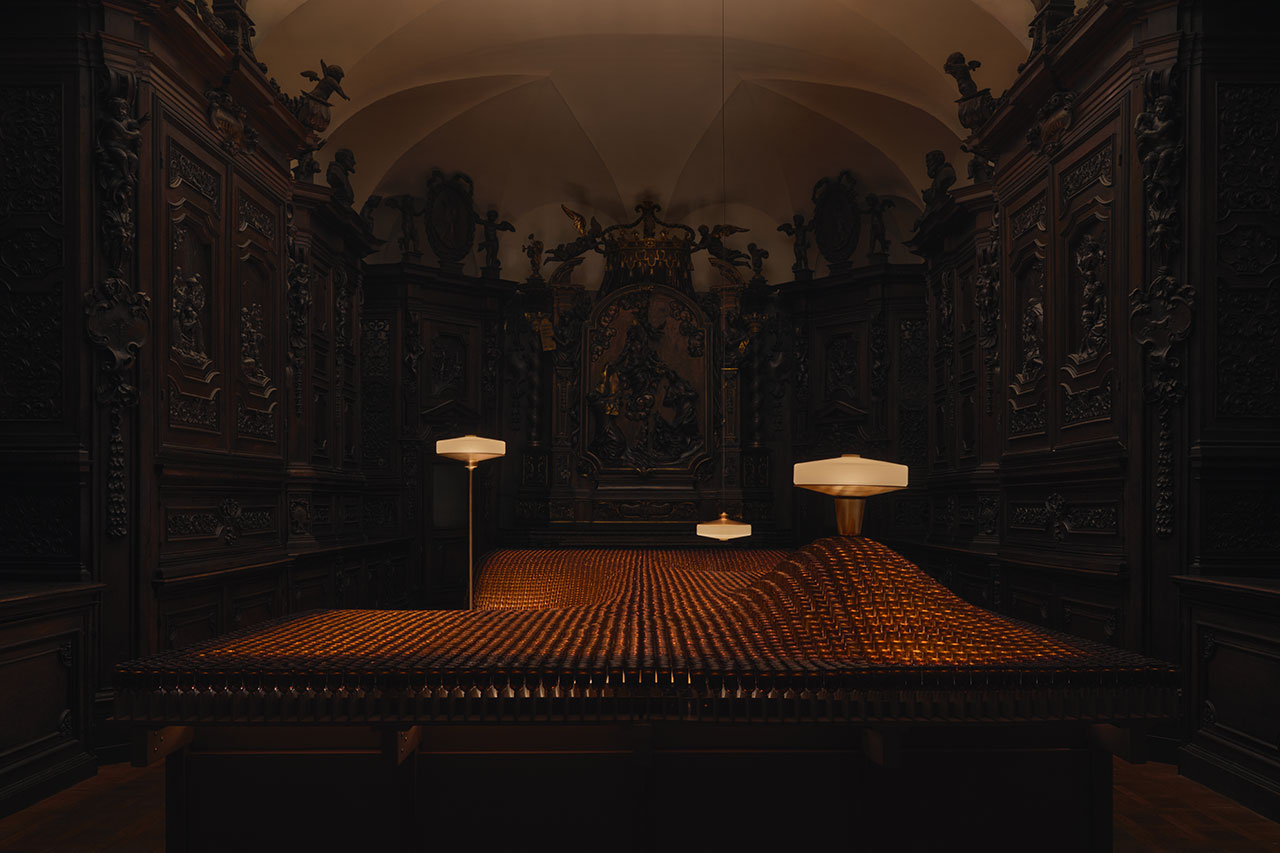
To introduce the Aposē to the international design community, Aesop commissioned long-time collaborator Rodney Eggleston, founder of the Sydney-based March Studio, to create a site-specific installation. Titled "Factory of Light," the exhibit was housed within the 15th-century Baroque-style Santa Maria del Carmine church, providing a stark architectural contrast to the modern, minimalist design of the lighting fixtures.

The centerpiece of the installation featured an undulating field of thousands of repurposed 50ml fragrance vials. These vials were meticulously anchored to create a shimmering, topographical landscape across the floor of the church. Within this field, Eggleston positioned three one-off variants of the Aposē design, height-adjusted to rise above the glass landscape like modern monoliths. The fixtures served as the primary source of illumination for the space, with their light diffusing through the field of vials to create a glistening, refractive environment.
Eggleston described the vials as "mediators" between the modern lamps and the ancient, ornate wood carvings of the church. This use of repurposed materials highlights a growing trend within the design industry toward circularity and the creative reuse of industrial components. By transforming waste products from the skincare manufacturing process into a medium for light, the installation reinforced Aesop’s commitment to sustainable design practices while maintaining its high-aesthetic standards.

Design Philosophy and Materiality
The Aposē luminaire is a collaborative effort that emphasizes artisanal craftsmanship and international heritage. The base of the lamp—a heavy, brass plinth—is hand-forged in Germany, utilizing industrial techniques that ensure durability and a tactile, weighted presence. This is topped by a frosted glass halo, crafted by glassmakers near Venice who utilize traditional Murano techniques to achieve a specific level of opacity and light refraction.
The design team at Aesop and March Studio sought to create a correlation between the "laborious handwork" required to produce the lamp and the "handcare" philosophy central to the brand’s product line. The lamp’s form is intentionally reminiscent of an Aesop handsoap bottle, utilizing a refractive quality that mimics the way light interacts with liquid through amber glass.

In addition to its visual components, the "Factory of Light" installation incorporated olfactive elements. A bespoke scent was diffused throughout the church, intended to unify the physical components of the exhibit and create a cohesive sensory experience. This multi-sensory approach—combining light, scent, and texture—is a hallmark of Aesop’s retail strategy, which often seeks to turn routine tasks like hand-washing into ritualistic experiences.
Contextualizing Aesop’s Architectural Legacy
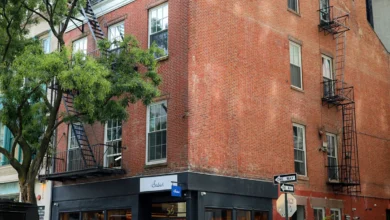
The launch of the Aposē is not an isolated venture but rather the culmination of decades of architectural experimentation. Since opening its first signature store in St Kilda, Melbourne, in 2003, Aesop has collaborated with some of the world’s most renowned architects and designers, including Snøhetta, Sabine Marcelis, and Jo Nagasaka.

Each Aesop boutique is designed to be unique to its location, often incorporating local materials and historical references while maintaining a "warm, minimalist, yet lustrous" core identity. The use of sober earth tones and carefully deployed reflective metals has become a recognizable visual shorthand for the brand. By moving into product design with the Aposē, Aesop is effectively allowing consumers to bring a piece of this retail atmosphere into their private residences.
The choice of Milan Design Week (Salone del Mobile) as the platform for this launch is also strategic. As the world’s largest and most influential design fair, the event attracts over 300,000 visitors annually, including architects, interior designers, and collectors. The Brera Design District, where the Santa Maria del Carmine is located, is the historic heart of the city’s creative community, making it the ideal setting for a brand that prioritizes cultural and historical context.

Technical Specifications and Manufacturing Process
The manufacturing of the Aposē luminaire was detailed in a series of videos presented within recessed alcoves of the Milan installation. These visual documentaries provided transparency into the supply chain and the specialized skills required for production:
- The Brass Plinth: Forged in a German facility specializing in precision metalwork, the brass components undergo a series of manual finishing processes to achieve a specific patina that will age gracefully over time.
- The Glass Halo: The Murano-style glass is hand-lathed to ensure that the "frosted" finish is consistent. This part of the process is highly volatile, as the thickness of the glass directly affects the warmth and color temperature of the light emitted.
- The Light Source: The lamp utilizes high-CRI (Color Rendering Index) LEDs to ensure that the yellowish-brown light accurately reflects the brand’s signature amber tones without distorting the colors of the surrounding environment.
The limited-run nature of the product—500 units—positions the Aposē as a collectible design object rather than a mass-market appliance. This scarcity model is common among high-end design houses but represents a new territory for a skincare-focused enterprise.

Broader Implications for the Lifestyle Market
Industry analysts suggest that Aesop’s move into lighting represents a broader trend of "lifestyle expansion" among luxury beauty and wellness brands. As the boundaries between skincare, wellness, and interior design continue to blur, brands are looking for ways to integrate their aesthetic identity into every facet of the consumer’s home environment.
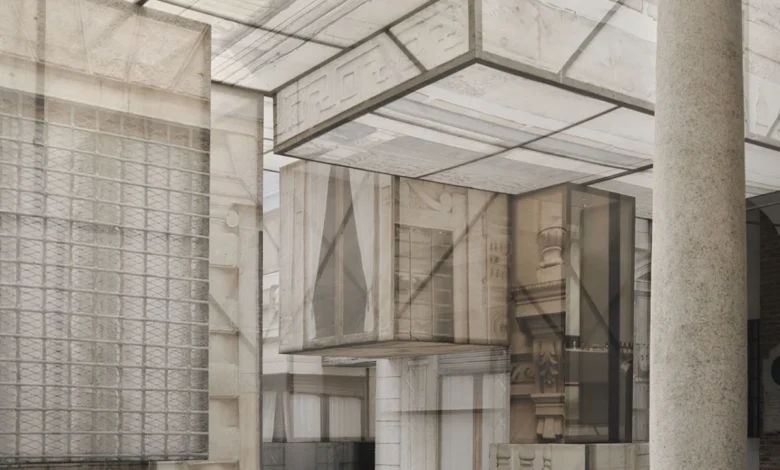
Furthermore, the "Factory of Light" installation’s external structure featured a printed scaffolding—a "trompe l’oeil" tarpaulin common in European construction. This served as a metaphor for the brand’s evolution: a structure in progress, celebrating the transition from the industrial facility to the home. The scaffolding design honored the tradition of covering restoration projects with images of the future facade, signaling that Aesop’s foray into home goods is a long-term strategic shift.

Conclusion and Market Reception
The Aposē luminaire has been met with positive reviews from the design community, particularly for its ability to translate a liquid-based brand identity into a solid, functional object. By focusing on the "clarity" of its visual identity, Aesop has successfully navigated the transition from the bathroom vanity to the living room side table.
As the 500 units enter the private collections of design enthusiasts globally, the "Factory of Light" remains a benchmark for how brands can use historic architecture to elevate modern product launches. The installation proved that even in a space as ornate as a 15th-century Baroque church, the minimalist and sober design of Aesop can hold its own, creating a dialogue between the past and the future of artisanal manufacturing.

The Aposē Table Lamp is currently available through Aesop’s dedicated digital platforms and select signature stores, marking a new chapter in the brand’s ongoing exploration of the intersection between light, form, and the human senses. For a brand that began with a single shop in Australia, the journey to the heart of Milan’s design scene reflects a global success story built on the foundation of uncompromising aesthetic integrity.