Design2tone Crafts a Sensory Balance of Materiality and Modern Asian Cuisine at SSOC Seoul

The opening of SSOC in the Seongsu district of Seoul marks a significant milestone in the city’s evolving culinary and architectural landscape, representing a deliberate departure from the sterile minimalism that has come to define many modern eateries. Designed by the visionary studio Design2tone, the space serves as a physical manifestation of "harmony in diversity," a concept that mirrors the complex East-West fusion menu developed by Chef Lee Jong-wook. By meticulously balancing industrial textures with organic warmth, the project addresses a common challenge in contemporary restaurant design: how to maintain a sleek, avant-garde aesthetic without sacrificing the inviting atmosphere essential to the hospitality experience.
The Architectural Context of Seongsu-dong
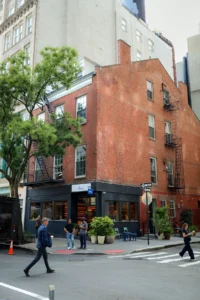
To understand the design choices made at SSOC, one must first look to its surroundings. Located in the Seongsu district, an area frequently referred to as the “Brooklyn of Seoul,” the restaurant is situated in a neighborhood defined by its industrial heritage. Throughout the mid-20th century, Seongsu was the heart of Seoul’s manufacturing sector, known specifically for its handmade shoe factories and small-scale industrial workshops. In recent years, the district has undergone a dramatic transformation, as creative professionals and entrepreneurs have repurposed these weathered warehouses into high-end galleries, concept stores, and innovative dining spaces.
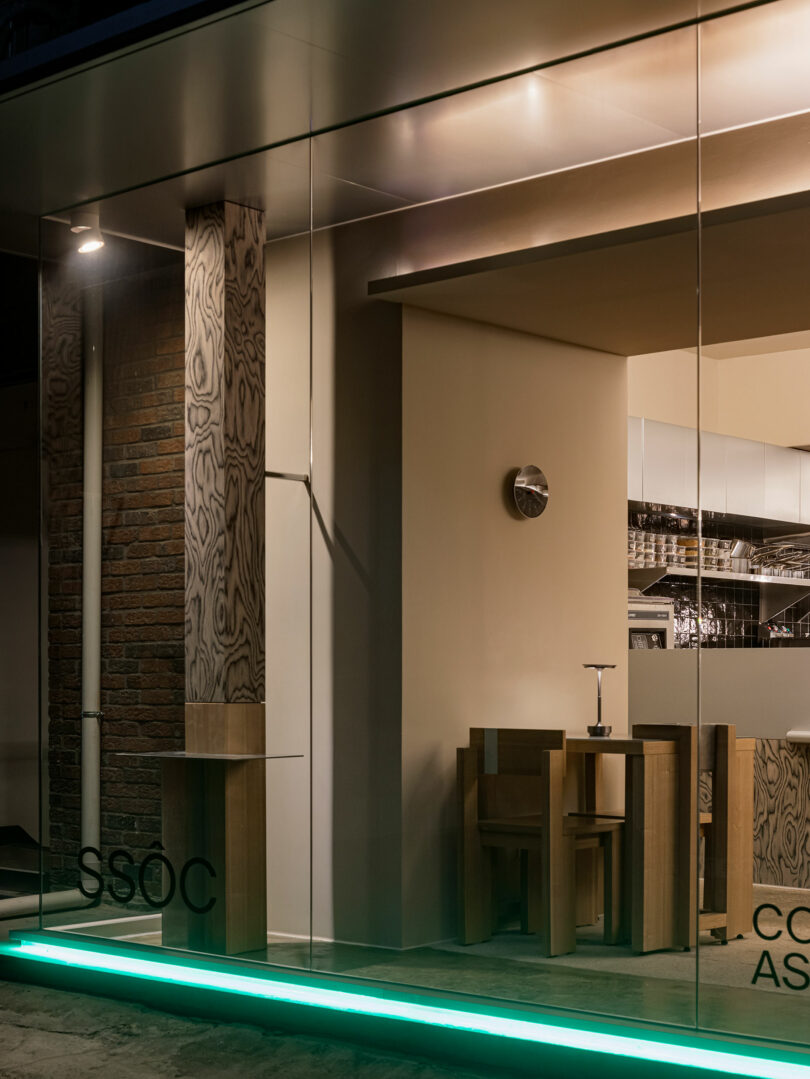
The choice of location for SSOC is intrinsic to its identity. The "Brooklyn" comparison stems from the juxtaposition of gritty, red-brick exteriors with ultra-modern interiors. Design2tone tapped into this local zeitgeist by creating a facade that respects the industrial bones of the area while signaling a futuristic interior. The metal and glass facade serves as a transparent membrane between the bustling streetscape and the curated dining environment, allowing the vibrancy of the neighborhood to filter into the restaurant.
Exterior Innovation and Interactive Illumination
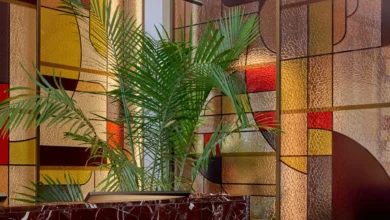
The exterior of SSOC is characterized by a sophisticated interplay of light and transparency. A custom lighting fixture, installed strategically beneath the metal and glass facade, acts as a barometer for the restaurant’s internal and external atmosphere. This lighting system is designed to produce subtle color shifts in response to the changing natural light of the day and the neon-lit energy of the Seoul night.
This interactive element serves two purposes: it creates a dynamic visual landmark for pedestrians and ensures that the restaurant’s "mood" remains in sync with its environment. During the twilight hours, the illumination captures the shifting hues of the sky, softening the transition from the work day to the evening dining service. As night falls, the lights take on a more focused, vibrant quality, reflecting the high-energy urbanity of the Seongsu streetscape.

Materiality: The Synthesis of Industrial and Organic
The core of Design2tone’s vision for SSOC lies in its sophisticated palette of materials. The designers sought to echo the culinary philosophy of Chef Lee Jong-wook, who is celebrated for blending traditional Asian ingredients with Western techniques. This "melding" is physically represented through the contrast of stainless steel, wood veneer, and exposed brick.
- Commercial-Grade Stainless Steel: Dominating the front-of-house and kitchen areas, the use of stainless steel provides a clean, clinical precision. Beyond its practical benefits—durability and ease of maintenance—the material offers a subtle sheen that reflects the ambient lighting, adding a layer of visual depth to the space. It represents the "modern" and "Western" facets of the restaurant’s identity.
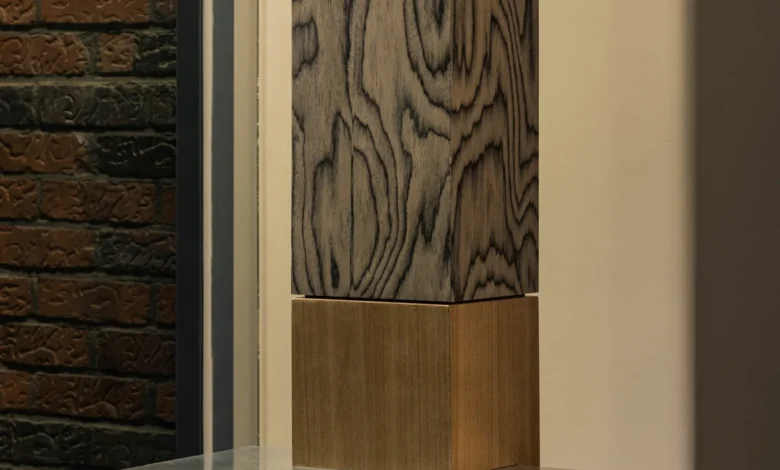
- Recomposed Wood Veneer: To counter the potential coldness of the steel, Design2tone introduced a custom wood-look veneer. This material has been recomposed to showcase an abstracted natural grain, providing a tactile, organic warmth. The wood elements serve as a bridge to the "East," referencing traditional woodworking while maintaining a contemporary edge.
- Exposed Brickwork: By retaining or mimicking the raw brickwork common to the Seongsu district, the designers grounded the restaurant in its geographical history. The rough texture of the brick provides a stark contrast to the smooth surfaces of the metal and wood, creating a sensory experience that rewards close observation.
Spatial Planning and the Diner’s Journey
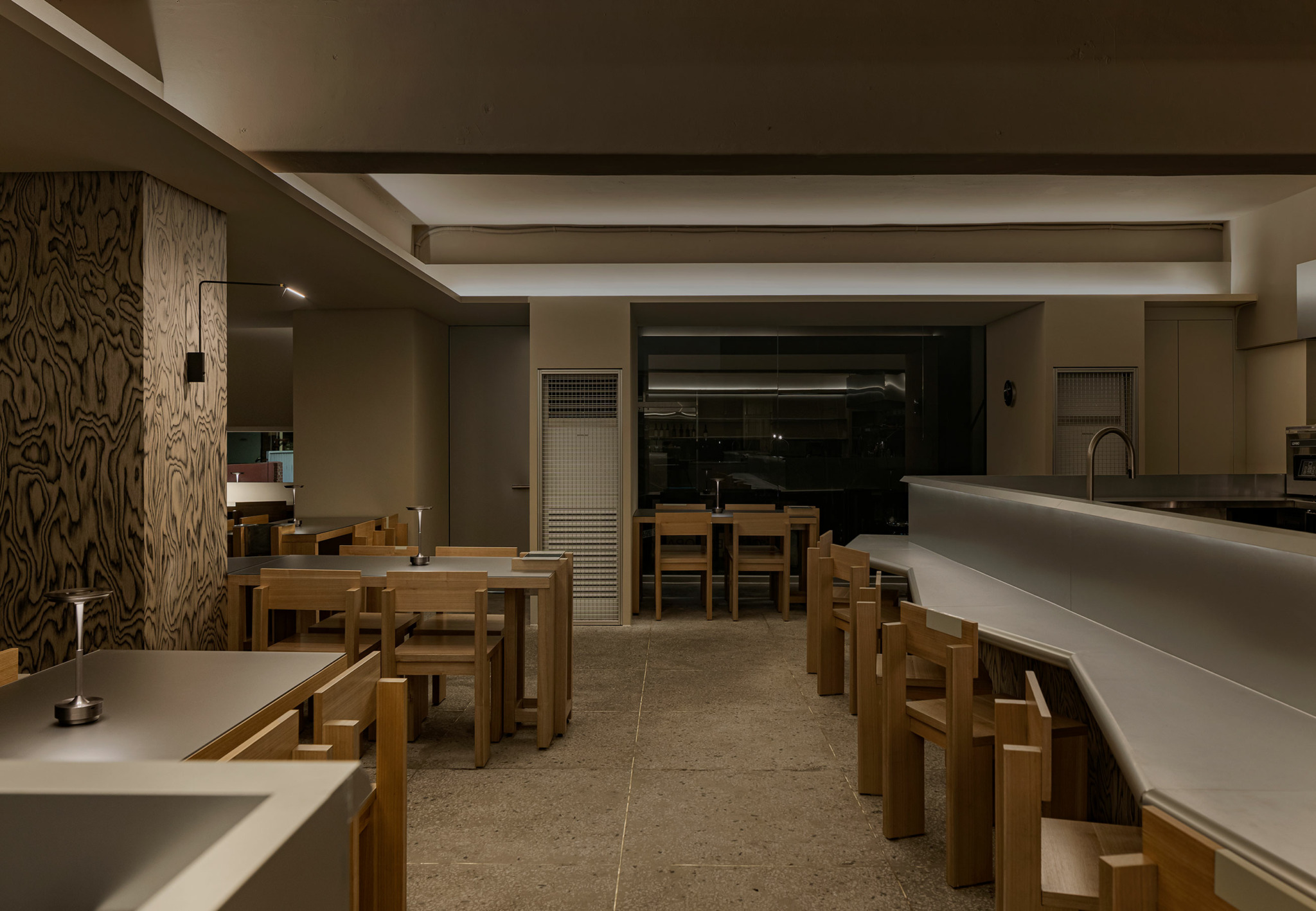
The interior layout of SSOC was engineered to accommodate various dining behaviors, from the solitary individual seeking a quiet meal to larger groups celebrating a social occasion. The centerpiece of the space is a freeform bar counter with angular edges that seems to flow through the room. This counter is specifically designed for individual patrons or couples, offering an intimate yet communal experience.

For larger parties, custom-designed four-top tables are distributed throughout the main dining area. A notable feature of these tables is the integration of built-in ice buckets. This functional design choice ensures that wine and other beverages remain at the optimal temperature throughout the multi-course meal, eliminating the need for separate floor stands and maintaining the clean lines of the interior.
The open kitchen serves as the theatrical heart of the restaurant. Featuring a backsplash of deep ebony-colored tiles and shelves displaying a curated selection of wine bottles, the kitchen is fully visible to all patrons. Design2tone strategically placed the seating to ensure that every guest has a clear line of sight to the culinary team. This transparency fosters a connection between the chef and the diner, reinforcing the idea that the preparation of the food is as much a part of the "feast" as the consumption.

Lighting Strategy: From Day to Night
The ambiance of SSOC is heavily dictated by a sophisticated lighting scheme that transitions with the sun. During the daylight hours, the restaurant maximizes the use of natural light. Large windows allow the sun’s rays to highlight the varied textures of the brick and wood, creating a bright, casual atmosphere suitable for lunch service.
As the sun sets, the lighting strategy shifts toward an "elevated" feel. The overall illumination is lowered, and focused, directional beams are employed to create visual depth. These spotlights are aimed specifically at the tables and the bar, drawing the diner’s focus toward the food and drink. This "theatrical" lighting approach ensures that the vibrant colors and intricate plating of Chef Lee Jong-wook’s dishes are the primary focus of the evening.

Culinary Integration: The Vision of Chef Lee Jong-wook
While the design is a triumph of interior architecture, it exists primarily to serve the culinary vision of Chef Lee Jong-wook. SSOC’s menu is a study in "harmony in diversity," featuring dishes that utilize local Korean produce while employing French or Italian culinary structures.
Industry analysts note that this trend of "Gastro-Design"—where the interior is an exact extension of the menu—is becoming a requirement for success in the competitive Seoul dining market. The inclusion of high-end wine service, integrated directly into the furniture, suggests a focus on the "slow dining" movement, where the environment encourages guests to linger over their meal and appreciate the nuances of the flavors and the space.

Broader Implications for the Design Industry
The collaboration between Design2tone and SSOC reflects a broader shift in the global design industry toward "emotive minimalism." Rather than pursuing minimalism for the sake of austerity, designers are now looking for ways to use minimal forms to highlight complex materialities.
The project also highlights the rising global influence of South Korean design firms. Studios like Design2tone are increasingly recognized for their ability to blend high-tech solutions with traditional craftsmanship. This "New Harmony" is not just a slogan for a single restaurant; it is a blueprint for how urban spaces can evolve to meet the demands of a modern, discerning public while respecting the historical and cultural context of their location.

Conclusion: A Feast for the Senses
SSOC stands as a testament to the power of balanced design. By refusing to choose between the cold precision of modern industrialism and the warm familiarity of natural materials, Design2tone has created a space that is both cutting-edge and deeply comfortable. As Seongsu-dong continues to grow as a global destination for fashion and food, SSOC provides a benchmark for how the "Brooklyn of Seoul" can continue to innovate without losing its soul. For the gastronome, the restaurant offers a rare opportunity to experience a meal where the environment and the plate are in perfect, harmonious synchronization.