The transition into the autumn season historically marks a pivotal shift in the retail landscape, characterized by a transition toward heavier textiles, complex layering, and a focus on durability. As temperatures decline across the Northern Hemisphere in September 2026, major apparel retailers have unveiled their seasonal collections, prioritizing a blend of heritage aesthetics and modern synthetic innovation. This year’s market data suggests a continued consumer preference for "investment pieces"—items that offer longevity through quality materials like Shetland wool and waxed cotton—despite a broader economic environment that has seen price points adjust upward across the mid-tier menswear segment.
The Seasonal Shift: Fabric Trends and Economic Realities
Market analysts note that the 2026 fall collection rollout features a significant emphasis on "transitional" outerwear. Retailers are responding to shifting weather patterns by stocking garments that offer versatility, such as unlined blazers and water-repellent wool coats. While the average price point for high-quality staples has risen by approximately 8 to 12 percent compared to the 2024–2025 cycle—attributed largely to rising raw material costs and supply chain logistics—consumer demand for items like brushed Shetland wool sweaters and Goodyear-welted footwear remains robust. Industry reports indicate that shoppers are increasingly willing to pay a premium for items that provide both utility and aesthetic longevity, a trend described as "intentional consumption."
Curated Essentials: A Breakdown of Key Arrivals
The following selection represents the most significant product launches for the current season, categorized by utility and material construction.
Outerwear and Layering
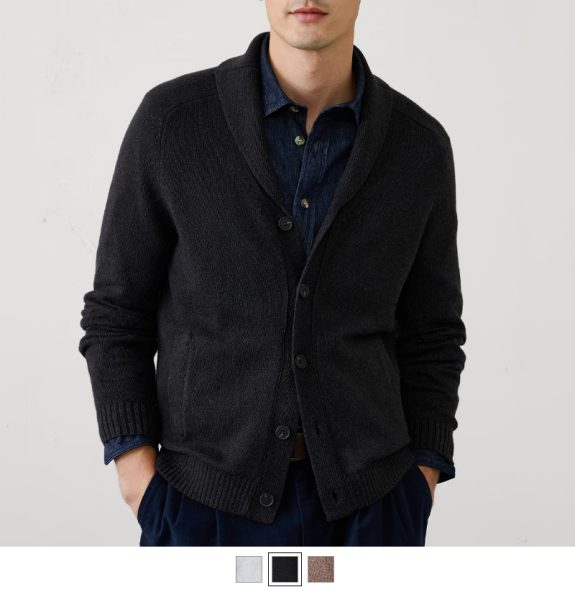
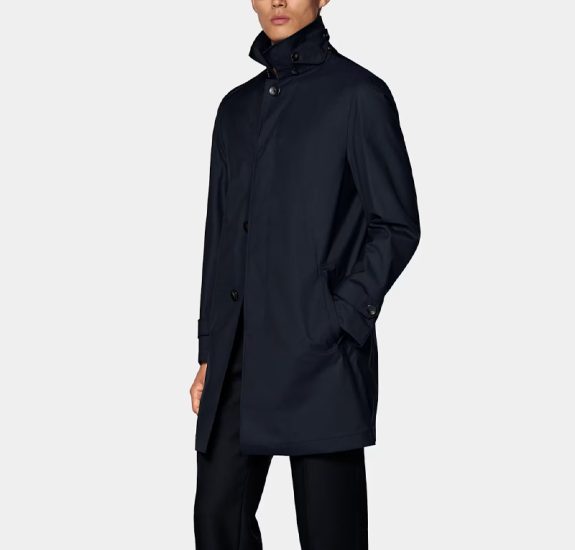
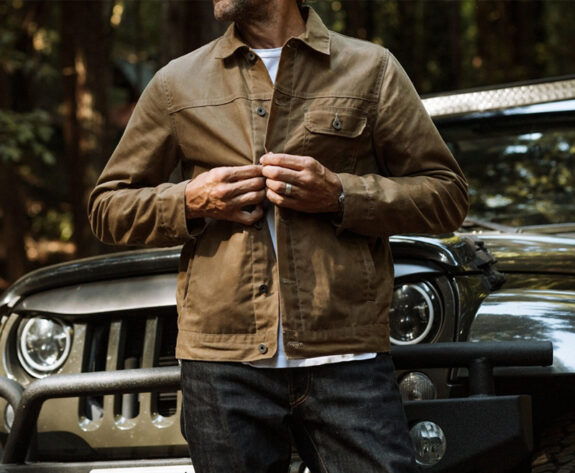
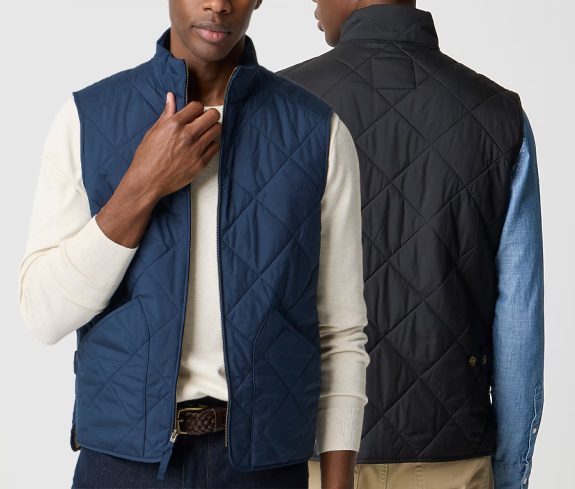
The return of the classic barn jacket and the waxed canvas trucker jacket dominates the casual outerwear category. Flint & Tinder, for instance, continues to anchor its fall offering in USA-made waxed truckers, which have become a benchmark for the "rugged-casual" segment. Complementing these are the Mac coats and trench variations from brands like Suitsupply and Banana Republic Factory. These pieces utilize a combination of wool-poly blends, providing the thermal insulation necessary for October through November, while avoiding the bulk of traditional heavy winter parkas.
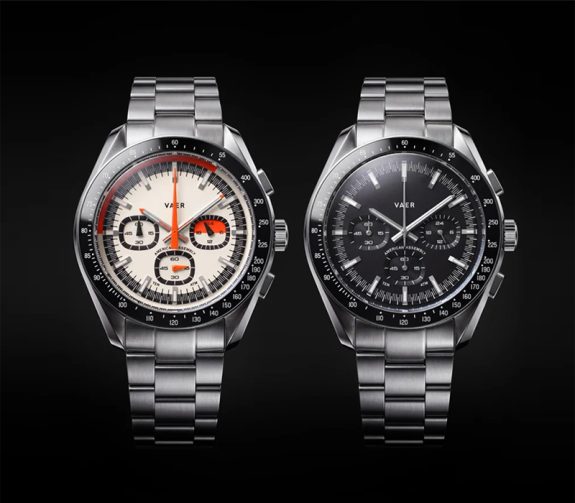
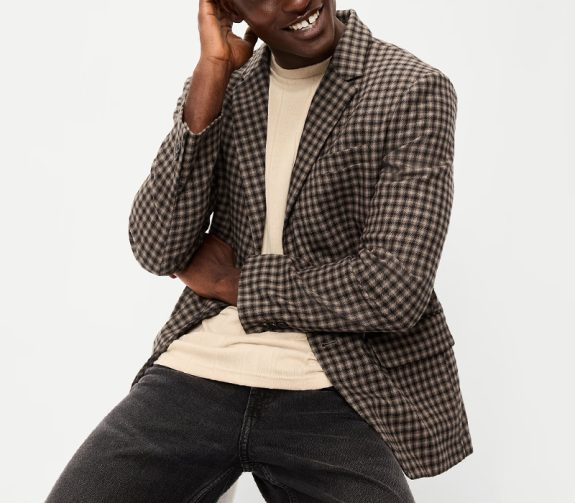
The "swazer"—a portmanteau of sweater and blazer—has evolved from a niche item into a staple. Retailers including The Tie Bar and Bonobos have introduced knit blazers that offer the structure of a formal sportcoat with the comfort of a mid-weight sweater. This development highlights a broader industry shift toward office-casual attire that remains compliant with flexible workplace dress codes.
Footwear and Precision Accessories
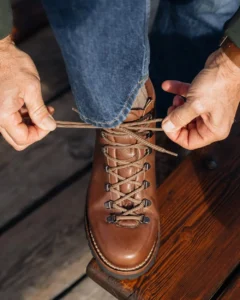
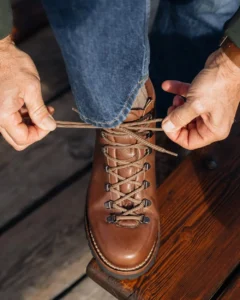
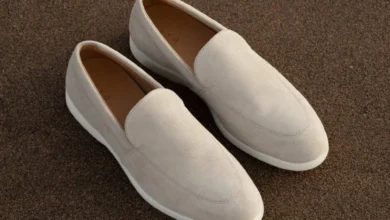
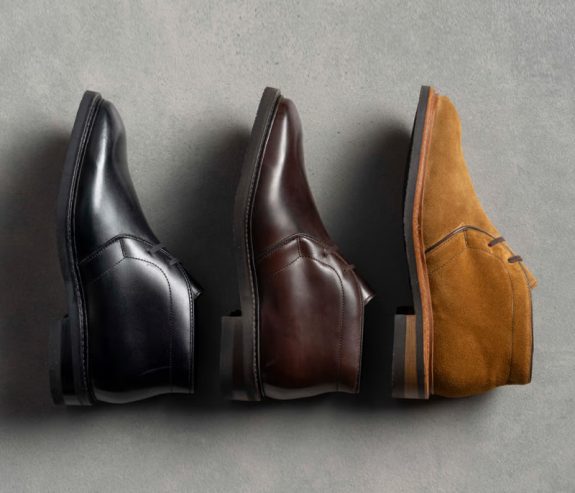
In the footwear sector, the market is currently divided between high-end domestic manufacturing and efficient, style-conscious mass production. Allen Edmonds remains a leader in the premium space, with Goodyear-welted chukka boots and dress boots serving as the standard for durability. Conversely, brands like Nordstrom are capitalizing on the entry-level premium market, offering suede derbies and cap-toes that utilize accessible pricing to capture a younger demographic.
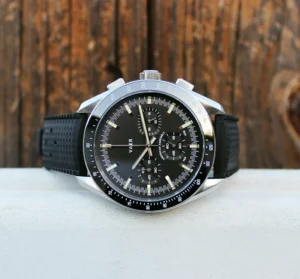
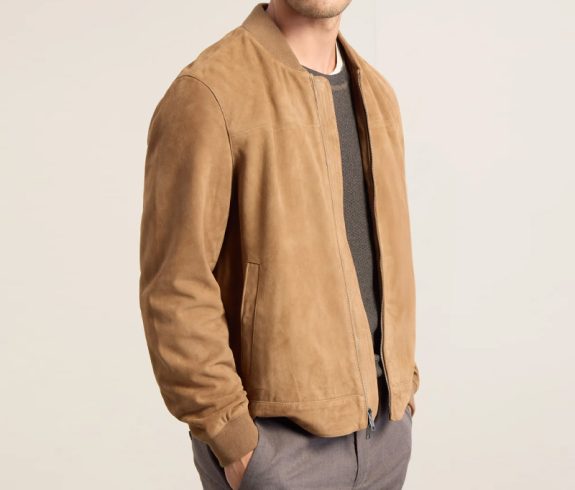
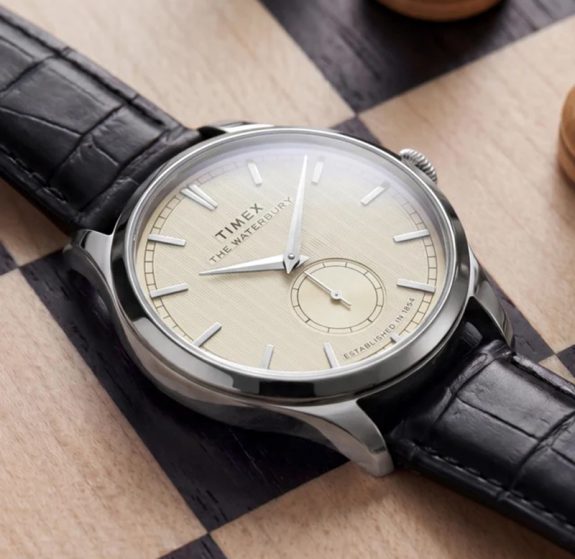
The watch market for Fall 2026 shows a distinct trend toward "reissue" aesthetics and mid-sized cases. Timex, for example, has successfully leveraged its heritage archives to release the 1976 Lexington Reissue and the Waterbury Classic series. These timepieces, typically sized between 36mm and 39mm, reflect a departure from the oversized watch trends of the previous decade. Hamilton’s introduction of the 38mm Murph in a blue dial variant further underscores the industry’s pivot toward smaller, more discreet proportions that function well under a shirt cuff.
Strategic Market Positioning and Supply Chain Dynamics
The current retail environment is defined by a "wait-and-see" approach to pricing. Many of the items featured this season, particularly those from legacy retailers like J. Crew and Spier & Mackay, have launched at MSRPs that reflect current inflationary pressures. However, retail analysts suggest that consumers should anticipate a tiered discount structure as the season progresses. Promotions typically begin in late October, as retailers aim to clear inventory ahead of the primary holiday shopping surge.

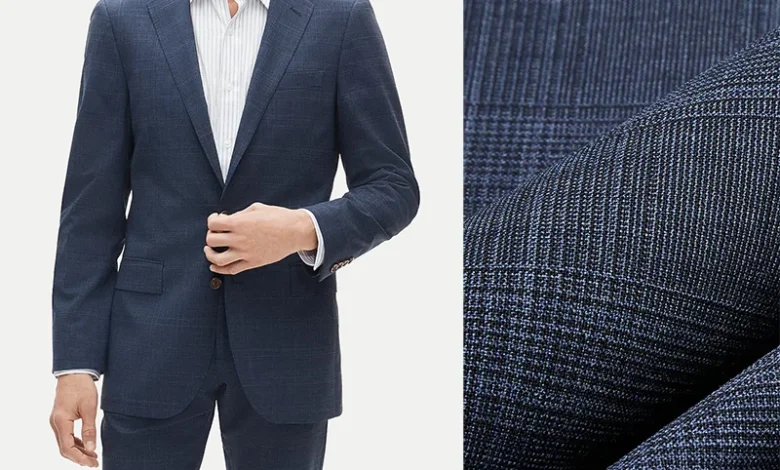
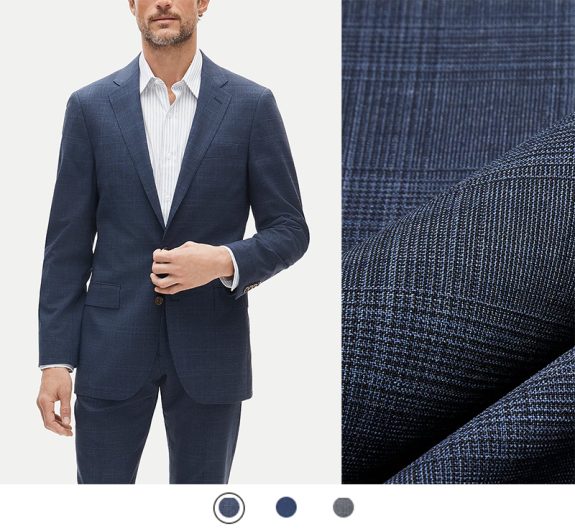
Furthermore, the "restock" model has become a primary driver of customer engagement. The J. Crew Traveler Suit, which faced severe inventory shortages in 2025, has been re-introduced with new colorways like "Atlantic Navy Glen Plaid." By managing inventory tightly and responding to historical sell-through data, brands are minimizing waste while maximizing the perceived exclusivity of their core products.
The Rise of Technical Performance in Classic Silhouettes
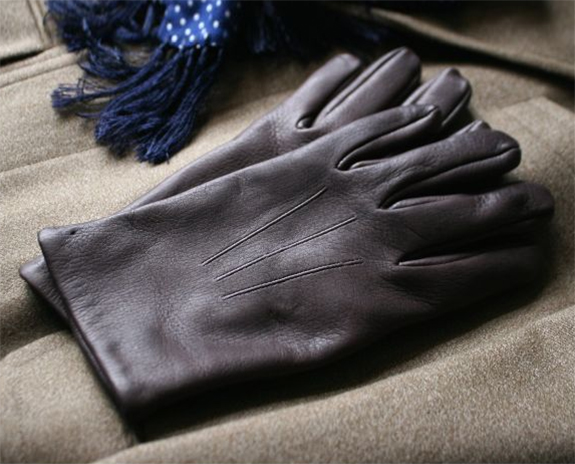
A notable trend in 2026 is the integration of technical features into traditional menswear. The use of nanotechnology in leather gloves—such as the Kent Wang deerskin touch-screen models—allows for modern connectivity without the aesthetic compromise of conductive fingertips. Similarly, the industry is increasingly utilizing stretch wool blends in formal wear. The J. Crew Traveler suit, for instance, utilizes Italian stretch wool, addressing the modern consumer’s requirement for mobility and crease resistance during travel.
Impact of Global Manufacturing Trends
The diversification of manufacturing locations remains a point of interest. While high-end, heritage-focused garments like those from Flint & Tinder emphasize "Made in the USA" branding, other high-quality lines are increasingly utilizing facilities in Indonesia and East Asia to maintain price competitiveness. The James Waxed Snap Jacket by Flint & Tinder serves as a case study for this strategy, providing a high-performance shell at a lower price point than the domestic-made alternative, thereby expanding the brand’s reach to a broader consumer base.

Broader Implications for the Menswear Sector
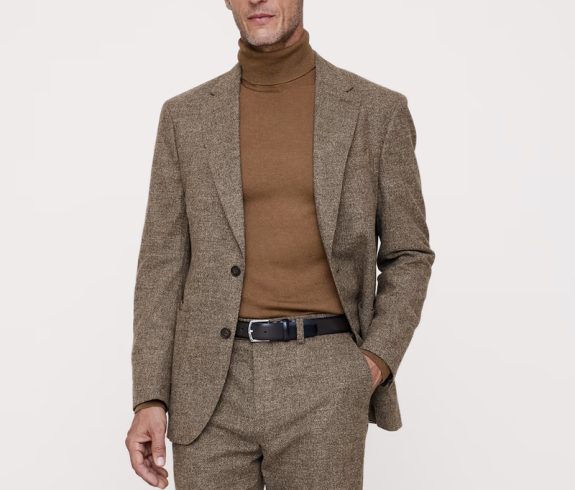
The 2026 fall season serves as a litmus test for the resilience of the mid-market. With a wide array of options ranging from $20 cotton twill trousers to $2,000 chronometer-certified watches, the market is catering to a polarized consumer base. The common denominator among successful products this season is the focus on "versatility." Whether it is a brown flannel suit that can be broken into separates or an automatic diver’s watch that transitions from a bracelet to a rubber strap, consumers are favoring products that maximize the utility of their wardrobe.
The industry’s reliance on direct-to-consumer (DTC) channels and partnerships with secondary platforms has also smoothed the returns process. Brands that offer free, streamlined shipping and returns—such as Nordstrom and Suitsupply—are effectively lowering the barrier to entry for shoppers who are otherwise hesitant to commit to higher-priced items without an in-person fitting.
Looking Ahead: Consumer Outlook
As the industry moves toward the colder months of 2026, retailers are expected to maintain their current inventory levels while monitoring the macro-economic environment. The consensus among market experts is that while the current price of luxury and near-luxury goods may seem elevated compared to historical averages, the durability and stylistic versatility of the 2026 arrivals offer long-term value.
For the average consumer, the current market represents a period of stability in design. The rejection of fleeting, high-fashion trends in favor of refined, perennial styles suggests that men’s fashion is entering a period of maturity. By focusing on materials like merino wool, deerskin, and high-grade cotton twill, the current crop of arrivals ensures that these garments remain relevant not just for the fall of 2026, but for several seasons to come. Retailers who prioritize transparency regarding their supply chains and return policies, alongside a commitment to material quality, are poised to secure the strongest performance as the fiscal year draws to a close.
Related posts: