David Epstein Named Hugo Boss CEO as Frasers Group Solidifies Majority Control and Daniel Grieder Departs

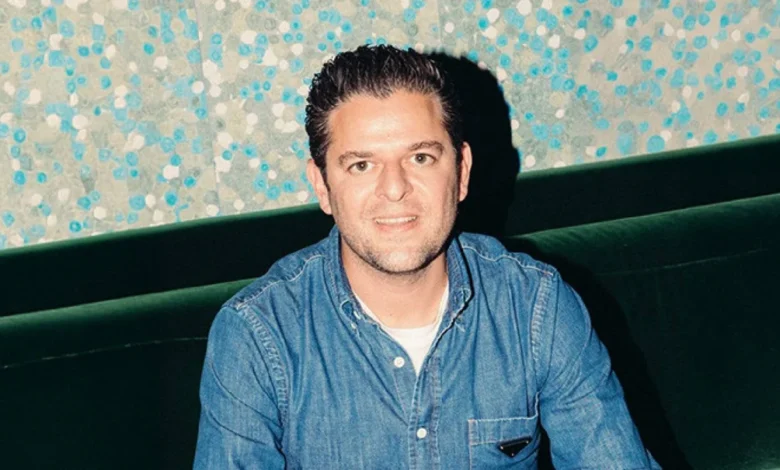
German luxury fashion house Hugo Boss has officially confirmed a significant leadership transition, announcing that David Epstein, a senior executive from Frasers Group, will take over as its next chief executive officer. Epstein is scheduled to officially assume the helm on January 1, 2027. This high-profile appointment follows closely on the heels of a strategic consolidation by Frasers Group, which secured a majority ownership position in Hugo Boss late last year.
The impending shift in executive leadership marks the conclusion of Daniel Grieder’s tenure as CEO. Grieder, who has steered the company since 2021, has decided to step down at his own request at the end of December 2026, wrapping up more than five years of transformative leadership. The transition arrives at a pivotal juncture for Hugo Boss, as the brand navigates macroeconomic headwinds, adjusts its financial outlook, and adapts to a shifting retail landscape under the expanding influence of its majority shareholder.
Ownership Shift and Frasers Group Consolidation
The path to Epstein’s appointment has been paved by a series of aggressive financial moves by Frasers Group, the British retail conglomerate controlled by billionaire Mike Ashley and led by CEO Michael Murray. In late October, Frasers Group crossed a crucial threshold by acquiring an additional 198,666 shares in Hugo Boss for approximately €7.63 million ($8.44 million). This transaction elevated the group’s stake to 50.08%, effectively granting it majority ownership of the German fashion institution.
For years, Frasers Group had steadily built up its strategic stake in Hugo Boss, utilizing financial instruments such as put and call options alongside direct equity purchases. This incremental buildup was part of a broader corporate strategy to embed itself within the European luxury and premium apparel segments. Achieving majority status not only cements Frasers Group’s financial footprint within Hugo Boss but also grants it decisive influence over the company’s long-term governance, strategic trajectory, and executive appointments.
The elevation of David Epstein—an internal Frasers Group stalwart—to the chief executive officer position at Hugo Boss is a natural extension of this majority acquisition. It signals a tighter alignment between the parent company’s overarching retail vision and the day-to-day operations of the luxury fashion house.
Daniel Grieder’s Legacy: The CLAIM 5 Era
As Daniel Grieder prepares to step down at the end of December 2026, he leaves behind a deeply transformed organization. Taking charge in 2021 amid the unprecedented disruptions of the global retail market, Grieder spearheaded the ambitious "CLAIM 5" strategy, a comprehensive roadmap designed to accelerate growth, modernize brand identity, and capture younger consumer demographics.
Under Grieder’s stewardship, both the BOSS and HUGO brands underwent aggressive relaunches. The company modernized its visual identities, pivoted heavily toward digital-first omnichannel retail, and successfully transitioned its product lines into 24/7 lifestyle offerings. Furthermore, Grieder oversaw a massive global overhaul of the company’s retail store network, modernizing physical spaces to elevate the customer experience and foster deeper brand loyalty.
Reflecting on his departure, Grieder expressed immense pride in the achievements of his teams over the past five years. He noted that bringing BOSS and HUGO back to the forefront of global fashion, redefining the company’s culture, and building a robust operational foundation were among his proudest milestones. Grieder stated that with this solid foundation firmly established, the timing is optimal to hand over the reins to the next generation of leadership, expressing enduring affection and respect for the people and brands that define Hugo Boss.
Meet David Epstein: A Proven Retail and Brand Veteran
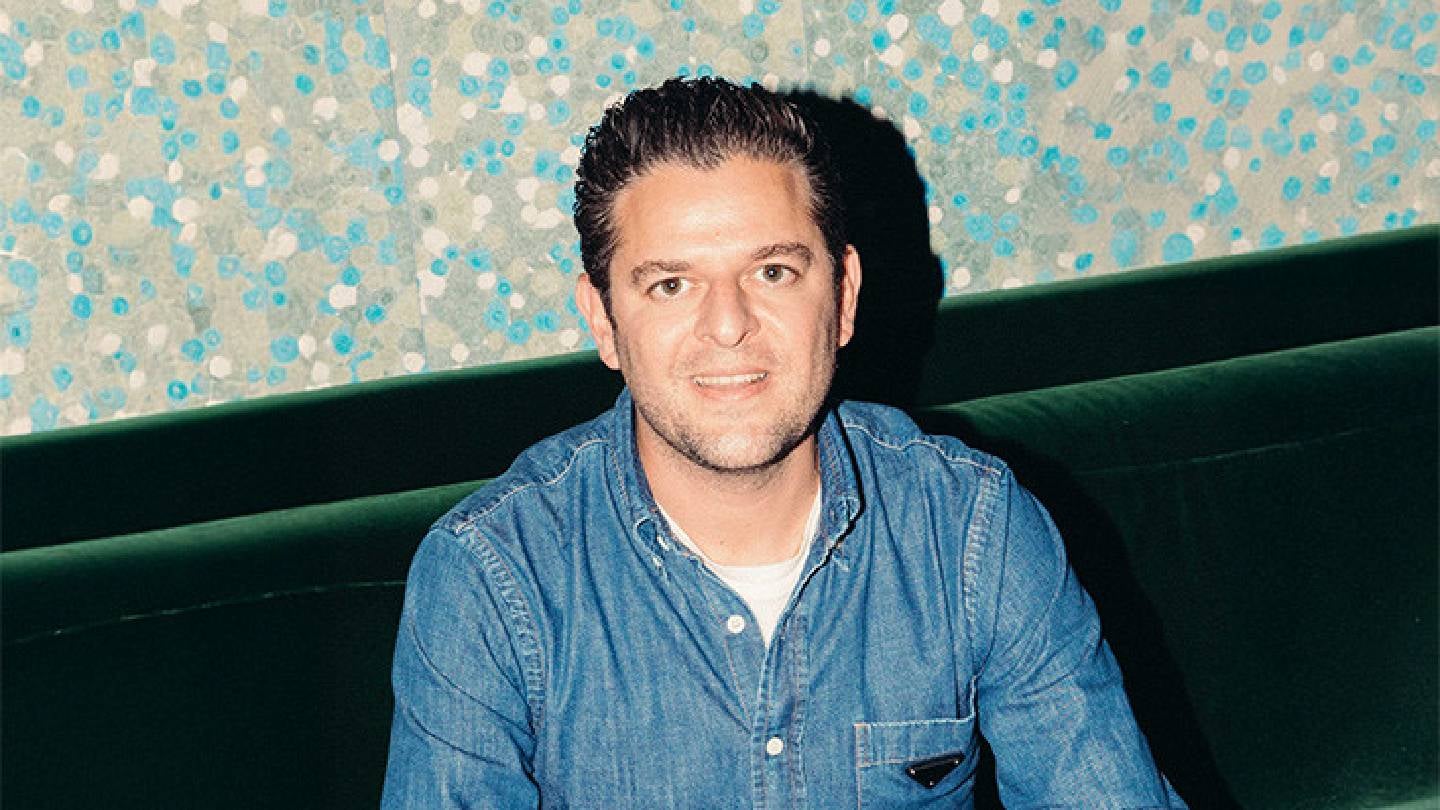
David Epstein brings a wealth of luxury retail and brand partnership expertise to his upcoming role as CEO of Hugo Boss. Prior to his appointment, Epstein served as the chief brand partnerships officer for Frasers Group beginning in 2024, where he managed complex partnerships across the group’s diverse sport, premium, and luxury operations.
Epstein’s tenure with Frasers Group spans well over a decade. During this time, he played a instrumental role in executing the conglomerate’s Elevation Strategy—an initiative aimed at pushing Frasers’ retail portfolio upmarket through enhanced store environments, elevated brand relationships, and strategic commercial tie-ins. Before stepping into his group-wide partnership role, Epstein spent five successful years as the managing director of Frasers Group’s premium and luxury divisions, granting him intimate familiarity with the high-end retail ecosystem that Hugo Boss occupies.
Michael Murray, chairman of the Hugo Boss Supervisory Board and CEO of Frasers Group, lauded the appointment, emphasizing Epstein’s unique blend of global brand acumen and retail expertise. Murray noted that Epstein possesses a precise understanding of what is required to build enduring brands, elevate consumer engagement, and drive commercial success. The board expressed absolute confidence that Epstein will inject fresh perspectives into Hugo Boss while safeguarding and building upon the strong structural foundation established during Grieder’s tenure.
Navigating Macroeconomic Headwinds and Financial Realities
The announcement of Epstein’s future leadership coincides with a period of strategic recalibration for Hugo Boss. The company has recently faced challenging market dynamics, prompting management to adjust its near-term financial outlook. Citing persistent macroeconomic pressures, subdued consumer demand in key global regions, and the costs associated with ongoing business transformation efforts, Hugo Boss has revised its performance metrics.
In recent financial disclosures, the company projected that currency-adjusted sales would decline in the high single-digit percentage range. Additionally, earnings before interest and taxes (EBIT) are anticipated to land between €250 million and €300 million. These figures underscore the reality that while the CLAIM 5 strategy successfully revitalized brand equity and relevance, the broader economic climate continues to present formidable hurdles for the discretionary luxury and premium apparel sectors.
Broader Industry Implications and Outlook
The transition of executive power at Hugo Boss under the watchful eye of Frasers Group highlights a broader trend of consolidation and strategic integration within the global fashion and retail industries. Traditional luxury houses and premium brands are increasingly finding themselves under the ownership or heavy influence of multi-brand conglomerates seeking synergies across supply chains, digital infrastructure, and global retail footprints.
For Hugo Boss, the transition period running through the remainder of 2026 offers stability and continuity, allowing Daniel Grieder ample time to guide ongoing transformation projects to their completion. Meanwhile, David Epstein’s impending arrival signals a future where commercial execution, retail innovation, and aggressive brand partnerships will likely take center stage.
As the retail sector continues to grapple with inflationary pressures, shifting consumer habits, and geopolitical uncertainties, all eyes will be on how Epstein steers Hugo Boss into its next chapter. By balancing the creative momentum generated over the past five years with the operational rigor championed by Frasers Group, Hugo Boss aims to solidify its position as a dominant force in the global premium and luxury fashion landscape.
Related posts: