The Arena x Camp Flog Gnaw drop is full of Japanese gaming nostalgia

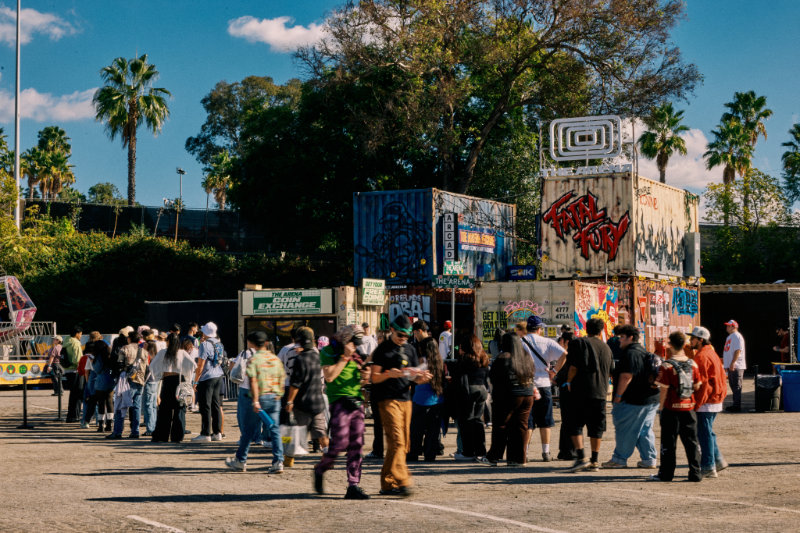
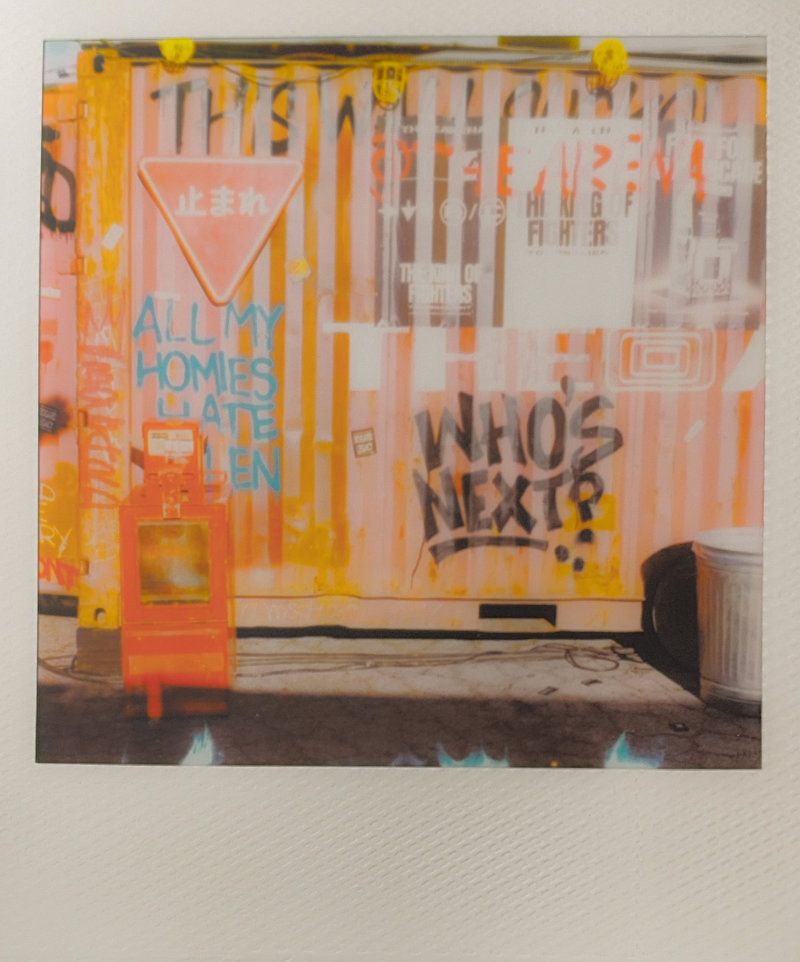
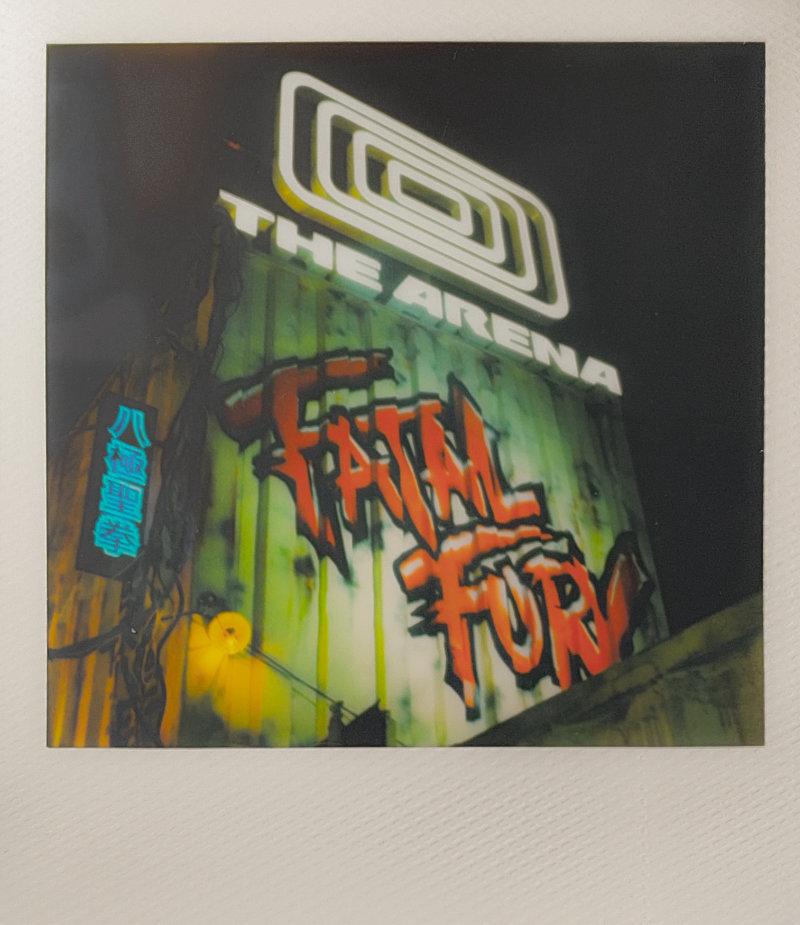
Earlier this month, the annual Camp Flog Gnaw music festival in Los Angeles served as the backdrop for a significant intersection between high-fidelity music culture and the immersive world of 1990s Japanese arcade gaming. The independent entertainment studio known as The Arena made its debut at the festival, transforming a substantial portion of the festival grounds into an expansive, neon-soaked environment reminiscent of a Japanese yokocho—a narrow, dense alleyway typically filled with eateries and small shops. By synthesizing the aesthetic of early 1990s Japanese game design with the gritty, industrialized architecture of a modern American cityscape, The Arena successfully bridged the gap between digital interactivity and physical retail.
An Immersive Architectural Feat
The installation functioned as a city-within-a-city, utilizing shipping-container architecture to create a modular, multi-level environment. This design choice provided a tactile, industrial contrast to the vibrant, high-energy neon signage and oversized billboards that defined the space. Central to the experience was a proprietary economy; upon entry, festivalgoers were issued specific festival coins, which served as the exclusive currency for the various interactive stations throughout the activation.
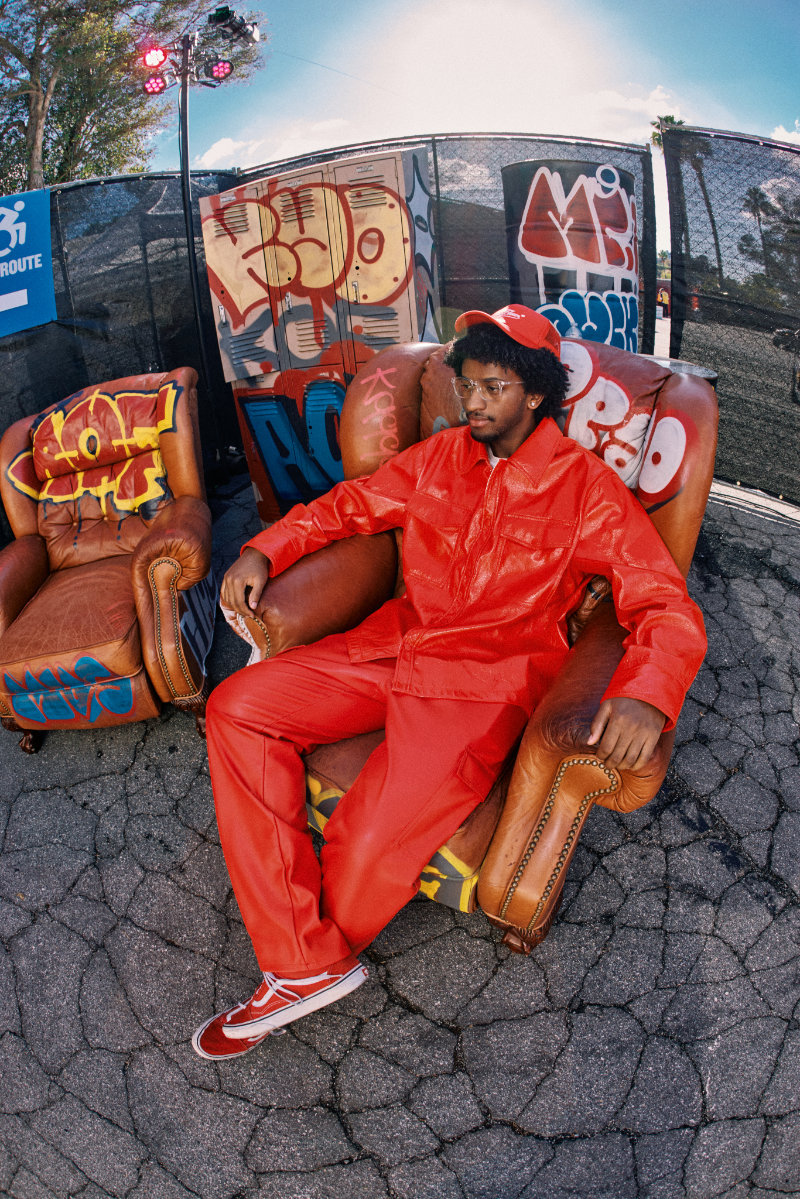
This gamified environment included a series of gacha machines and custom-built arcade cabinets, allowing attendees to engage with mechanics inspired by iconic SNK and Capcom titles such as The King of Fighters, Fatal Fury, and Metal Slug. The spatial layout was intentionally designed to encourage flow, leading visitors toward the centerpiece of the activation: The Ring. This dedicated area allowed participants to physically challenge one another in a controlled setting, mirroring the competitive spirit of the fighting games that served as the primary inspiration for the project.
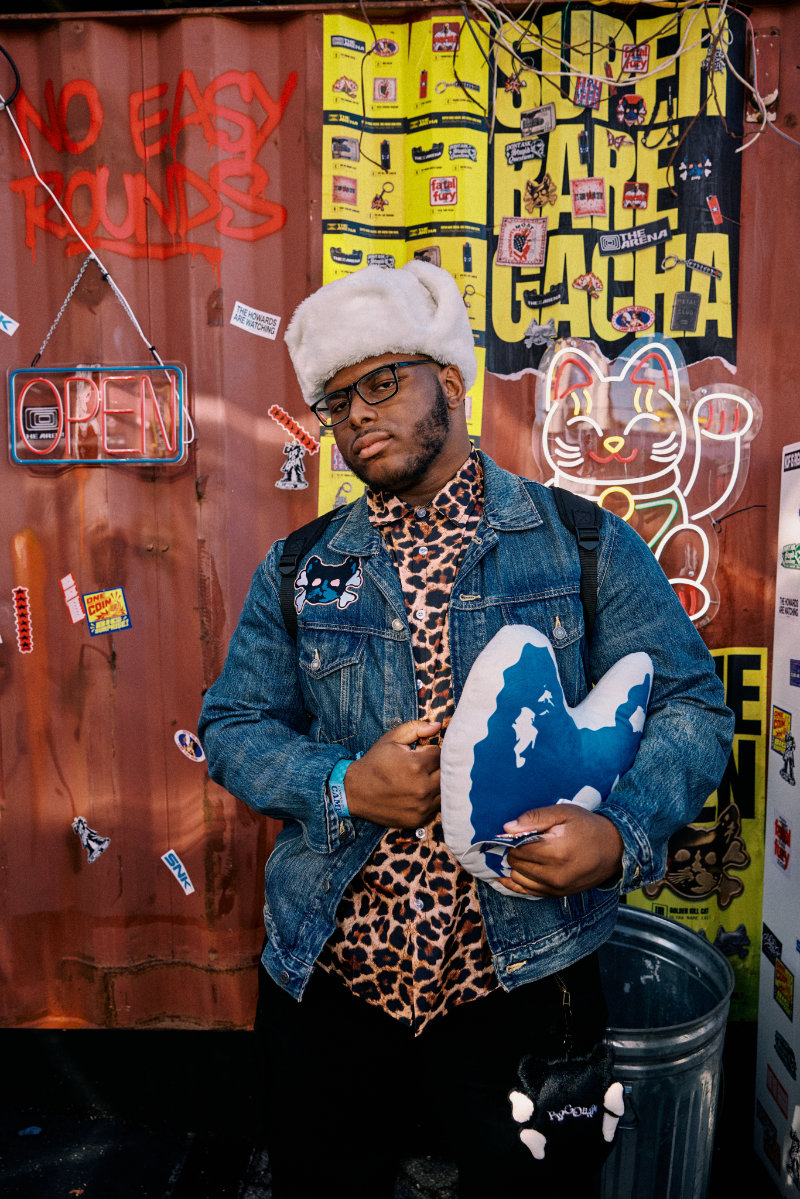
Cultural Synthesis and Retail Integration
Beyond the interactive arcade elements, the activation featured a konbini-inspired pop-up store. The Japanese "konbini" or convenience store model is renowned for its efficiency and curated lifestyle offerings, and The Arena adapted this by stocking a limited-edition merchandise capsule created in collaboration with the festival. The collection drew heavily from the character designs and color palettes of the aforementioned gaming franchises. Each piece of apparel featured subtle "easter eggs"—nods to the intricate wardrobes and lore of 1990s arcade staples—that resonated with long-time fans of the genre.
Furthermore, the iconic Pao Pao Café, a recurring setting in the Fatal Fury and King of Fighters series, was reimagined as a fully functional, immersive recording studio. This move underscored the project’s intent to treat gaming not merely as a historical aesthetic, but as a living component of contemporary music production. The studio allowed artists and attendees to engage in a creative space that felt plucked directly from the game world, reinforcing the blurring lines between digital fantasy and artistic reality.
Chronology of the Activation
The conceptual development of this project began well in advance of the festival, with The Arena prioritizing authenticity in its design language. Following the mid-month debut at Camp Flog Gnaw, the following timeline highlights the progression of the collaboration:
- Early 2026: Initial design conceptualization for a "yokocho" style immersive installation.
- Late Q3 2026: Finalization of the partnership between The Arena and Camp Flog Gnaw organizers.
- November 2026 (Festival Weekend): Public debut of the installation in Los Angeles, featuring the interactive arcade, the Pao Pao Café recording studio, and the initial merchandise drop.
- Post-Festival (Late November 2026): Scheduled digital release of remaining merchandise on The Arena’s official website following the complete sell-out of on-site inventory.
- 2027 Outlook: The Arena has confirmed that this activation serves as the inaugural project in a broader series of cultural expansions planned for the coming year.
The Rise of Gaming as a Cultural Anchor
The success of The Arena’s installation reflects a larger shift in youth culture and fashion. In recent years, data from industry analysts has indicated that the gaming market is no longer a siloed industry but a primary driver of trends in music, apparel, and experiential marketing. According to recent market reports, the "gamification of retail"—where consumers are incentivized to engage with a brand through interactive, game-like mechanics—has shown a 30% higher engagement rate compared to traditional pop-up retail models.
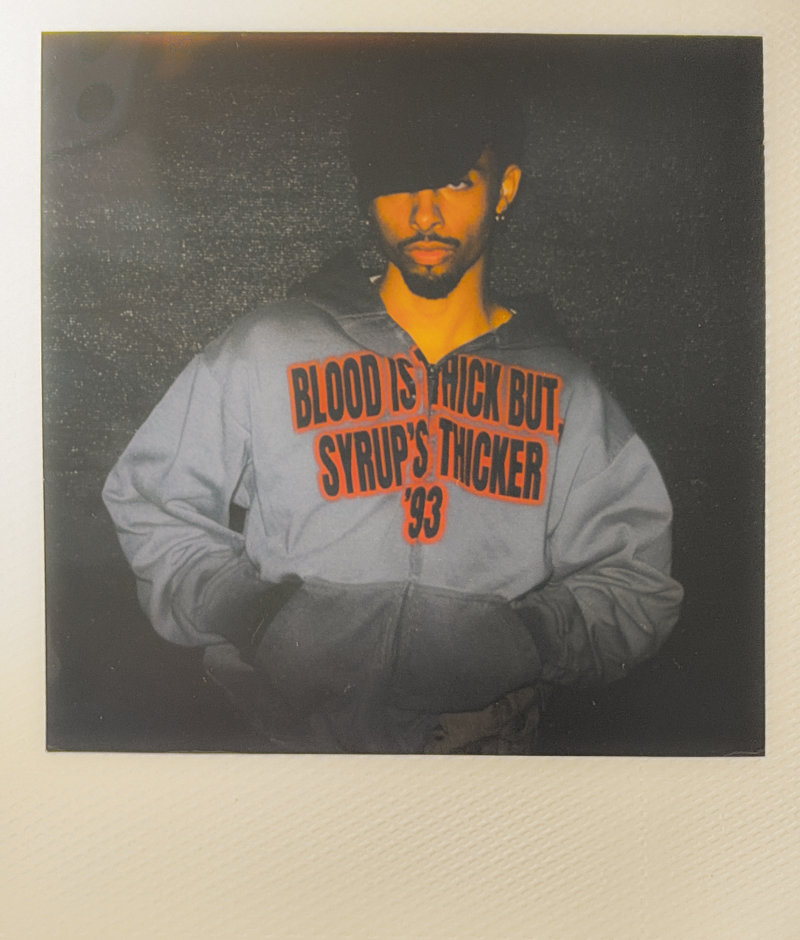
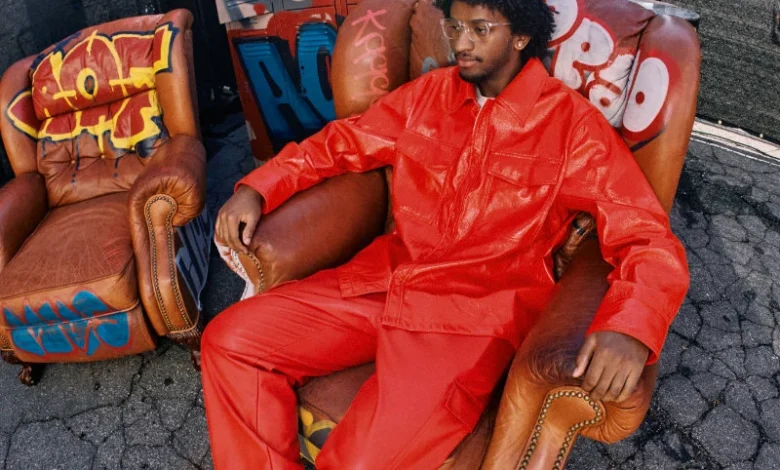
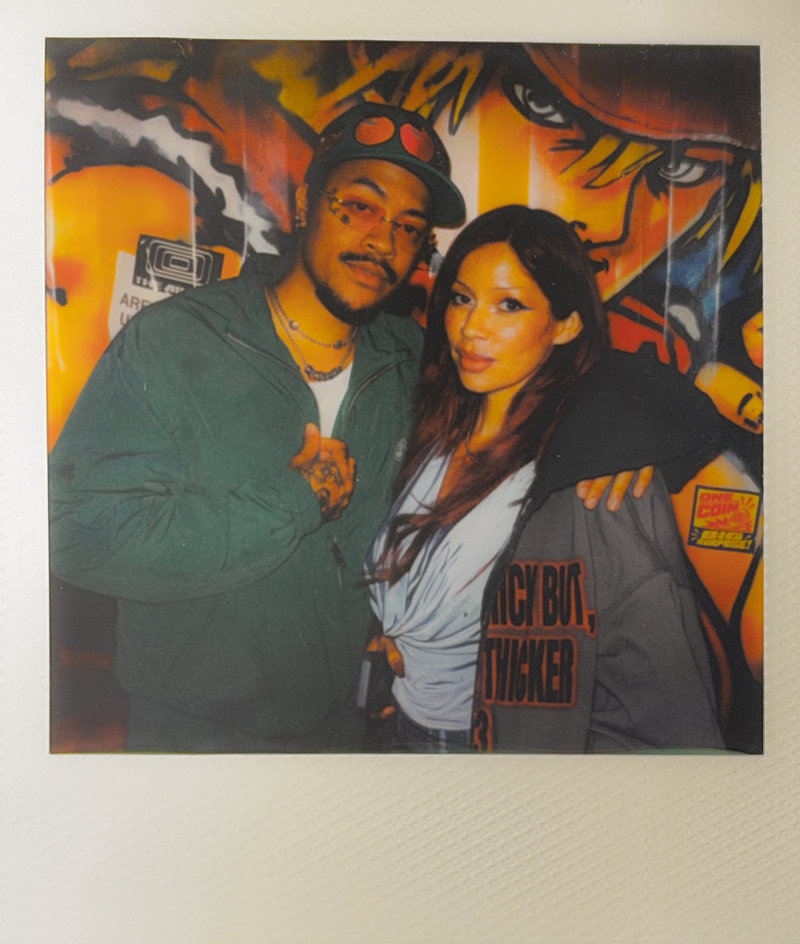
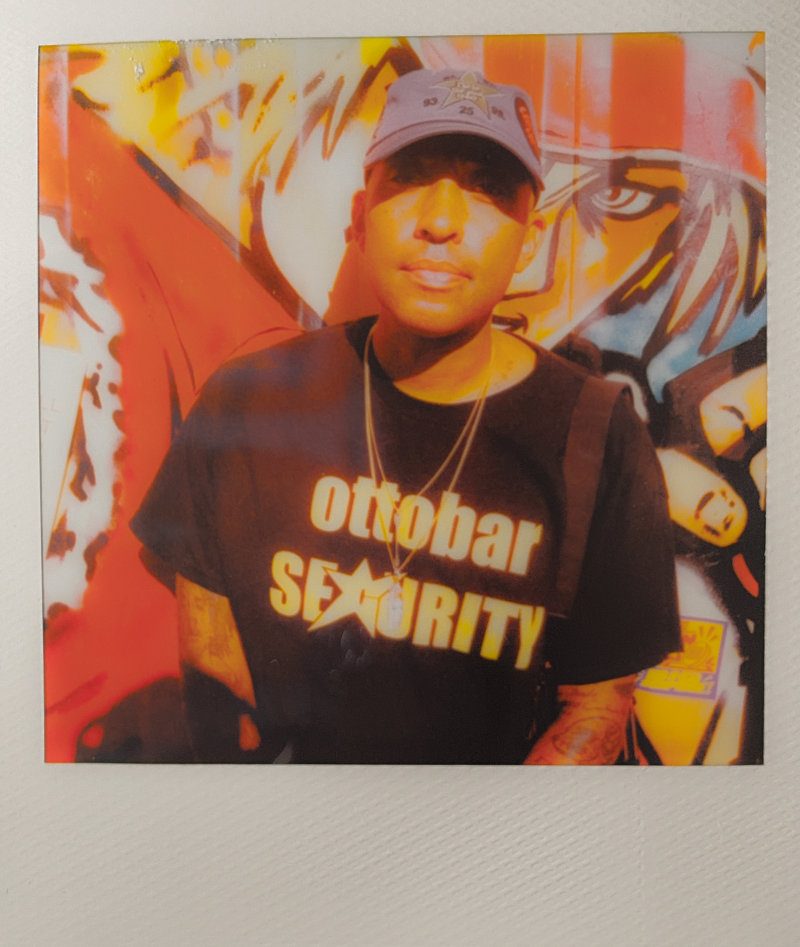
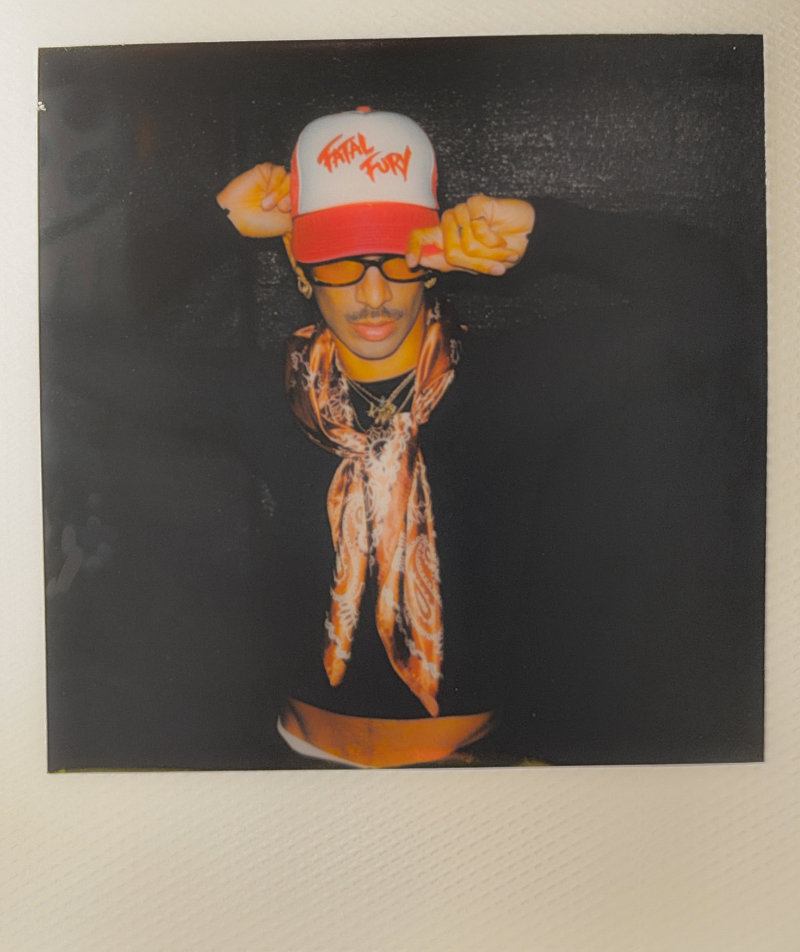
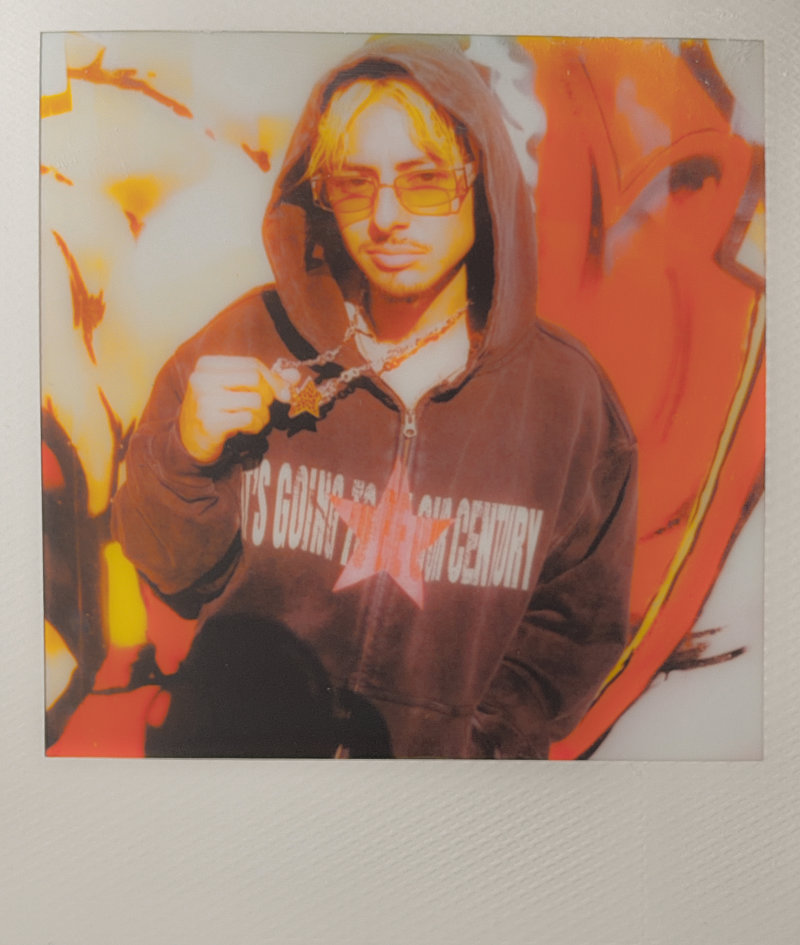
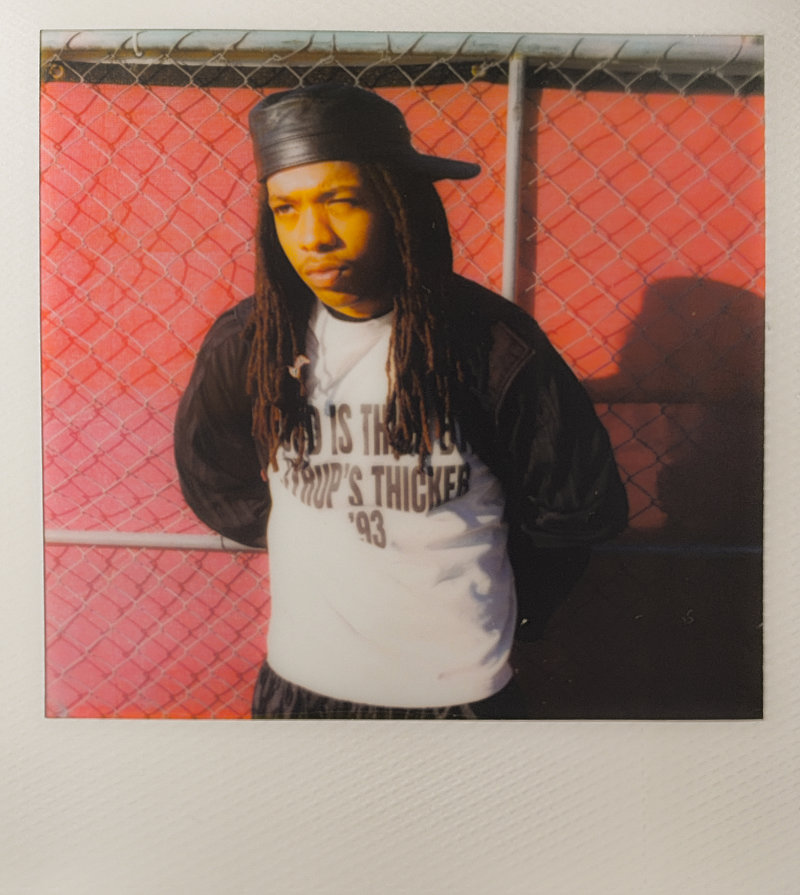
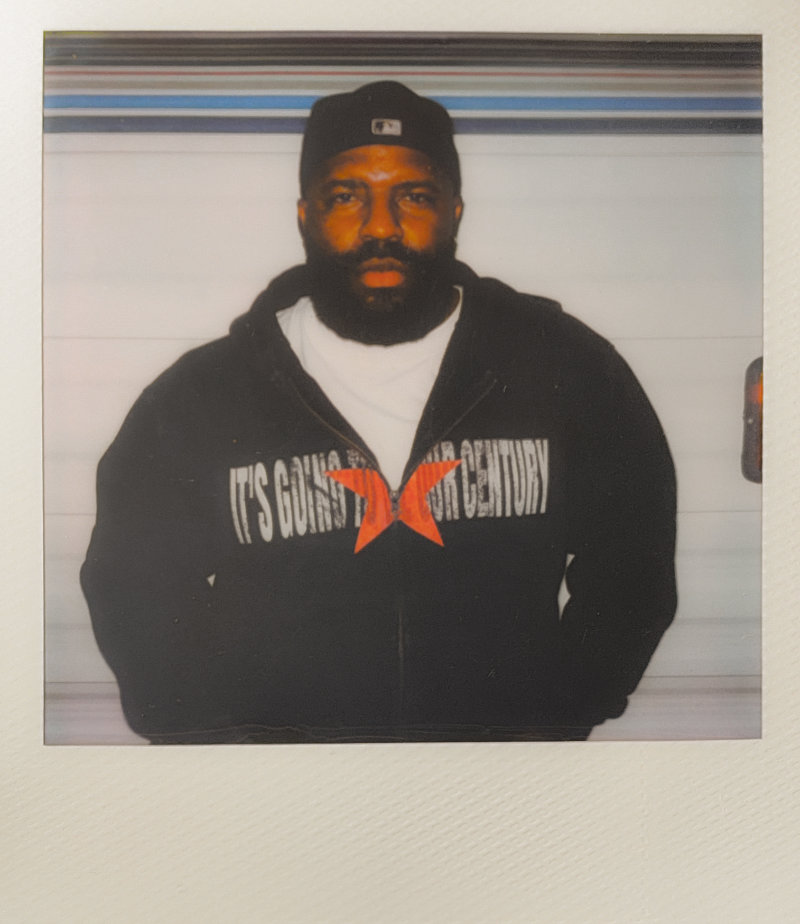
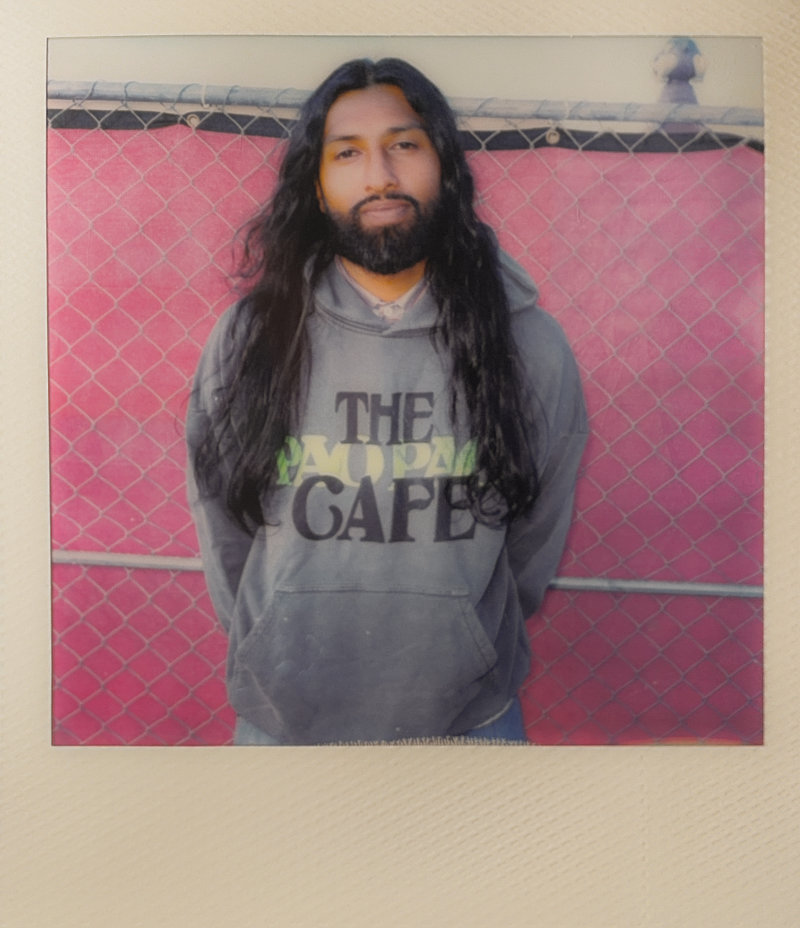
The choice to feature personalities such as Tokischa, Liim, Gabriel Jacoby, and Umi in the promotional materials—captured in a nostalgic, polaroid-style aesthetic—serves to anchor the high-concept gaming theme in the reality of current music and fashion icons. This strategic use of "friends and family" influencers helped to elevate the brand from a niche gaming-adjacent studio to a broader lifestyle force.
Broader Implications for Experiential Marketing
The Arena’s collaboration with Camp Flog Gnaw highlights a pivotal trend: the shift from passive consumerism to active participation. By providing a physical space where fans could "live" inside their favorite gaming aesthetics, the studio created a lasting impression that goes beyond the purchase of a t-shirt or hoodie.
Industry experts suggest that this "immersive branding" is the future of festival activations. Instead of static booths or standard product displays, consumers are increasingly seeking environments that offer a sensory experience. The use of custom currency and the conversion of a fictional landmark (the Pao Pao Café) into a functional space (the recording studio) demonstrates a sophisticated understanding of fan service.
From an economic perspective, the rapid sell-out of the merchandise collection at the festival confirms that the "nostalgia economy"—specifically the fascination with 1990s and early 2000s tech and gaming—remains a highly lucrative sector. By controlling the supply and shifting the remainder of the stock to a digital storefront, The Arena has managed to sustain interest in the project well past the physical dates of the festival.
Looking Toward 2027
With the conclusion of the Camp Flog Gnaw activation, focus now shifts to what The Arena has described as a "wider cultural expansion." The studio has hinted at further projects scheduled for 2027 that will likely continue to explore the intersection of digital heritage and physical lifestyle.
For the festival organizers, the inclusion of such a high-production-value installation suggests a move toward more "curated" festival experiences. Rather than focusing solely on the musical lineup, major festivals are increasingly investing in brand partnerships that provide cohesive, narrative-driven environments. As the line between the virtual and the physical continues to dissolve, the success of The Arena’s yokocho installation provides a blueprint for how brands can successfully navigate this digital-physical convergence.
The remaining merchandise from the collaboration is set to be released on The Arena’s digital platform in the final week of November. While the on-site physical experience has concluded, the project remains a primary case study in how to leverage retro-gaming culture to drive modern consumer engagement. As 2027 approaches, it is expected that The Arena will continue to lean into these retro-futuristic themes, cementing its place at the forefront of the experiential design sector.
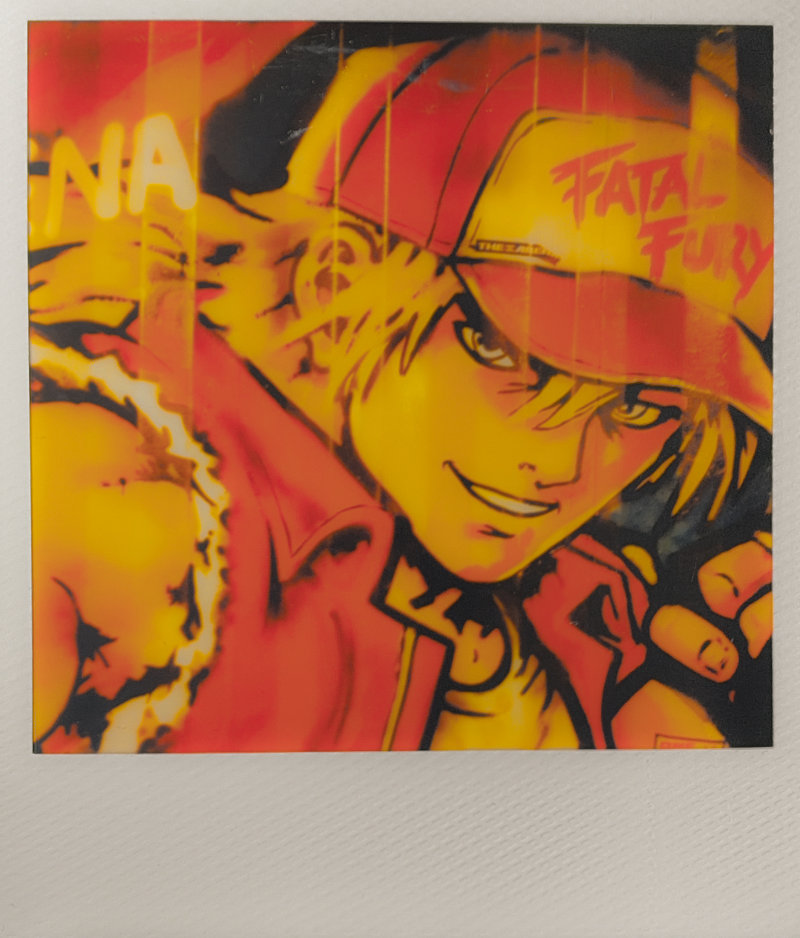
This initiative proves that when done with attention to detail—from the specific, era-appropriate typography on the billboards to the choice of vintage-inspired garments—the fusion of gaming culture and high-end retail can create a powerful, community-driven narrative that resonates with a broad demographic of fans and trend-watchers alike.
Related posts: