Global Supply Chains Brace for Seismic Shift as Strait of Hormuz Closure and Geopolitical Tensions Skyrocket Fast Fashion’s Production Costs

The precarious equilibrium of global trade and manufacturing has been profoundly disrupted, with the ongoing de facto closure of the Strait of Hormuz acting as a critical choke point that is sending shockwaves through industries heavily reliant on international shipping and petrochemical derivatives. Fast fashion, a sector built on the premise of rapid production and razor-thin margins, now faces an unprecedented confluence of economic pressures, with escalating oil and gas prices directly translating into surging costs for synthetic fibers, energy, and logistics. This multifaceted crisis is forcing a reevaluation of established production models and challenging the very foundations of an industry accustomed to abundant, inexpensive resources.
The Geopolitical Crucible: Strait of Hormuz and its Economic Fallout
The Strait of Hormuz, a narrow waterway separating Iran and Oman, stands as one of the world’s most strategically vital maritime chokepoints. An estimated 20-30 percent of the world’s total petroleum consumption and approximately 20 percent of global liquefied natural gas (LNG) transit through this strait annually. Its importance extends beyond energy, as it facilitates a significant portion of global trade between the Middle East, Asia, Europe, and the Americas. The recent escalation of geopolitical tensions, particularly following reports of US and Israeli attacks on Iran in February, has created a volatile environment that has led to a de facto closure for certain shipping operations, disrupting established routes and driving up insurance premiums and operational risks. This heightened instability in a region critical to global energy supply has predictably sent crude oil and natural gas prices skyrocketing on international markets. Since synthetic fibers like polyester are direct derivatives of petrochemicals, their production costs are intrinsically linked to the price of oil. This direct correlation means that any disruption impacting oil supply chains invariably translates into higher input costs for the textile industry, particularly for fast fashion companies that predominantly rely on these cost-effective, petroleum-based materials.
The Synthetic Fiber Squeeze: A Cascade of Price Hikes
The immediate and dramatic consequence of these rising oil prices has been a cascade of emergency price revisions across the synthetic fiber supply chain. Just last week, Teijin Frontier, a crucial subsidiary of Japan’s diversified industrial conglomerate Teijin Group, announced an "emergency" sales price revision. The company implemented significant increases across its product portfolio, raising prices on filament and staple fibers, spun yarns, and nonwoven fabrics by a minimum of 20 percent. Textiles produced by Teijin Frontier also saw substantial hikes, ranging from 15 to 25 percent. This move by a major global supplier underscores the severity of the cost pressures.
Similarly, at the beginning of April, Eastman Chemical Company, a global specialty materials company, increased prices for all its polyester and copolyester products by 25 cents per kilogram. The company explicitly cited "extreme cost escalation" in oil-derived raw materials, energy, and logistics as the primary drivers for these adjustments. These materials are fundamental to a vast array of consumer and industrial products, highlighting the broad impact of the crisis. Adding to this trend, Coim U.S.A., a specialist in polyurethanes, polyesters, and specialty resins, also declared price jumps this month. Coim’s decision was directly attributed to the necessity of offsetting mounting raw material cost increases, further demonstrating the pervasive nature of the inflationary pressures stemming from the volatile energy market. The sheer volume of synthetic fibers consumed globally, with polyester alone accounting for over 50% of the total fiber market, means these price increases will have a profound and widespread impact on manufacturers and ultimately, consumers.
Logistics Under Duress: The Cape of Good Hope Detour
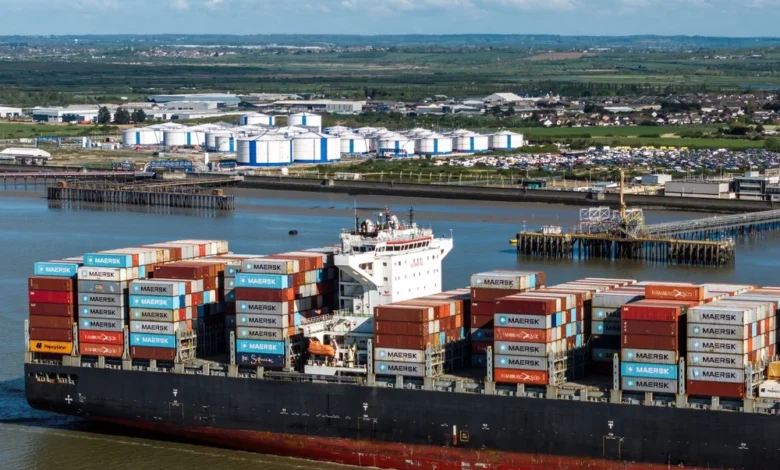
Beyond the direct cost of raw materials, the geopolitical strife in the Middle East has profoundly impacted global shipping logistics. The conflict has rendered traditional transit routes through the Red Sea and Suez Canal, which connect Asia and Europe, increasingly perilous or economically unviable for many carriers. Consequently, a growing number of shipping companies are now opting to reroute their vessels around the Cape of Good Hope, located at the southern tip of Africa. This detour, while offering a safer passage, comes at a significant cost.
The journey around the Cape of Good Hope adds substantial distance to voyages, extending transit times by an estimated 15 to 20 days for shipments travelling between Asia and Europe. This extended travel time necessitates increased fuel consumption, higher crew wages, and longer operational periods for vessels, all of which contribute to a dramatic rise in shipping costs. Industry analysts estimate these reroutings are adding between 25 and 30 percent to overall shipping expenses. For an industry like fast fashion, which relies on just-in-time inventory and rapid turnover, these delays and cost escalations create severe logistical bottlenecks. Production timelines, which are already aggressively compressed, are being pushed back, leading to potential stockouts, missed seasonal windows, and further financial strain on brands and manufacturers. The ripple effect of these logistical challenges extends beyond mere cost, impacting inventory management, supply chain predictability, and ultimately, consumer availability.
Fast Fashion’s Triple Whammy: Shein and the Margin Meltdown
The combination of surging synthetic fiber prices, escalating energy costs for production, and exorbitant shipping expenses constitutes what Rachel Kitchin, senior corporate climate campaigner for fashion and IT at Stand.Earth, a Toronto environmental nonprofit, terms a "triple whammy." This unprecedented confluence of challenges is particularly devastating for fast fashion companies, whose business models are predicated on delivering trendy clothing at extremely low prices, often operating on notoriously narrow profit margins.
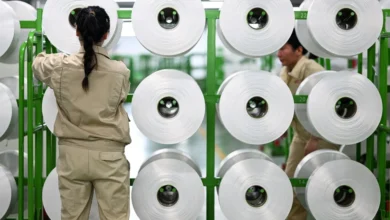
Brands like Shein, a dominant force in ultra-fast fashion, exemplify this vulnerability. Shein’s extensive product offerings, often featuring thousands of new styles weekly, are heavily reliant on polyester, which accounts for up to 80 percent of its clothing. Their operational strategy hinges on rapid production cycles and minimal inventory risk, meaning any significant disruption to their supply chain or input costs is immediately and acutely felt. Kitchin emphasizes that these price increases will be "dramatic and felt immediately, with limited capacity to absorb them." Unlike luxury brands that can pass on increased costs to consumers with less price sensitivity, fast fashion’s core value proposition is affordability. This leaves companies like Shein in a precarious position, forced to either absorb the costs and erode already slim margins, or raise prices, potentially alienating their cost-conscious customer base. The efficiency that once defined their success now highlights their fragility in the face of such systemic shocks.
The Faux Refuge of Recycled Synthetics and the Natural Fiber Dilemma
Even major sportswear purveyors like Adidas and Nike, who have increasingly championed the use of recycled polyester (rPET) as part of their sustainability initiatives, will not be immune to these price shocks for long. While rPET offers an alternative to virgin polyester, the recycling process itself is notoriously power-hungry. As global energy costs continue their upward trajectory, these higher expenses inevitably filter through to rPET manufacturers, leading to increased production costs for recycled materials. Kitchin notes that even these recycled feedstocks will become more volatile in price, diminishing their appeal as a stable, cost-effective alternative.
The surge in synthetic fiber prices has, for now, seemingly given natural fibers a competitive edge. On Tuesday, previously sleepy cotton futures experienced a significant rally, hitting a two-year high of 81 cents per pound. This represents a more than 20 percent increase since the February attacks in the Middle East, reflecting a market shift as buyers seek alternatives to petroleum-based textiles. However, Kitchin cautions that "going au naturel isn’t a cure." The fundamental challenge lies in scale: cotton simply cannot replace polyester at the rate and immense volumes that fast fashion companies churn out. Attempting such a rapid and massive transition, she warns, would place "unprecedented stress on natural ecosystems that are already on the brink."
Furthermore, the conventional production of cotton is heavily dependent on chemical fertilizers, a supply chain that is also significantly affected by the Middle East conflict. Nusa Urbanic, CEO at the Changing Markets Foundation, a Netherlands-headquartered consumer watchdog, highlights this interconnected vulnerability: "Fertilizers are not just impacted by oil prices, but also by the fact that nearly half of the world’s traded urea—the most widely used fertilizer—and large volumes of other fertilizers are exported from Gulf countries via the Strait of Hormuz, making global agriculture highly exposed to any disruption there." If the regional fighting does not ease, this could severely impact farmers’ ability to grow cotton at the scale required, undermining the perceived advantage of natural fibers and exacerbating global food and fiber security concerns.
Energy Crisis Grips Textile Production
The pressures of the current crisis extend far beyond the cost of raw materials and shipping; they encompass the entire energy-intensive process of textile production. Manufacturing fabrics, dyeing, finishing, and garment assembly all require a staggering amount of electricity and thermal energy. Unchecked energy prices threaten to strain textile mills globally beyond their operational and financial limits, potentially leading to widespread closures.
The vulnerability is particularly pronounced in key garment manufacturing hubs. For instance, in Bangladesh, approximately 90 percent of the energy powering its vast garment sector comes from on-site generation, predominantly through natural gas. With natural gas prices soaring due to the global energy crunch, manufacturers are confronting the loss of already razor-thin margins. To cope, factories will likely be forced to cut demand wherever possible, which could have dire knock-on effects for workers. Kitchin points out the difficult choices factories might face, such as having to choose between maintaining production levels and providing essential cooling, precisely as the South Asian nation enters its hottest months. This scenario could lead to reduced working hours, layoffs, or even unsafe working conditions, posing significant humanitarian and social risks to the millions employed in the sector.
A Call for Systemic Transformation and Supply Chain Resilience
In the face of these compounding crises, industry experts are advocating for a fundamental rethinking of the global fashion supply chain. Rachel Kitchin suggests that businesses best positioned to weather this latest turn of events are those that "really learn" the lessons needed to reduce short-term supply chain shocks. This means fostering long-term supplier relationships built on trust, ensuring sufficient margins for manufacturers to manage price volatility, and encouraging investment in electrification and renewable energy sources. Such partnerships would create more resilient supply networks less susceptible to external geopolitical and economic pressures.
Furthermore, a critical shift away from volatile synthetic materials towards more sustainable alternatives is imperative. This includes prioritizing closed-loop recycled materials or regeneratively farmed fibers that are less reliant on chemical fertilizers or petrochemical feedstocks. Perhaps most profoundly, the crisis underscores the urgent need for a transition towards "slower fashion" timelines. Moving away from the current model that hinges on getting new products to market within days or weeks would reduce the immense pressure on supply chains, allow for more thoughtful material sourcing, and foster greater durability and longevity in clothing.
Ultimately, these interconnected challenges demand a much-needed transformation in the way clothes are conceived, produced, and consumed. Kitchin’s broader observation encapsulates the gravity of the situation: "Zooming out, it’s worth noting that we’re now into the fourth major global shock to supply chains in just six years, and we have to ask how long this kind of instability can be hand-waved away as a short-term hurdle rather than a fundamental flaw." The current crisis emanating from the Strait of Hormuz is not merely another bump in the road; it is a stark reminder that the existing paradigm of fast, cheap, and disposable fashion is inherently unsustainable and increasingly vulnerable to the volatile realities of a geopolitically fractured and climate-challenged world. The imperative for resilient, ethical, and environmentally sound supply chains has never been more pressing.
Related posts: