Navigating the Waves: A Comprehensive Guide to Sustainable Bikinis and Ethical Swimwear Choices

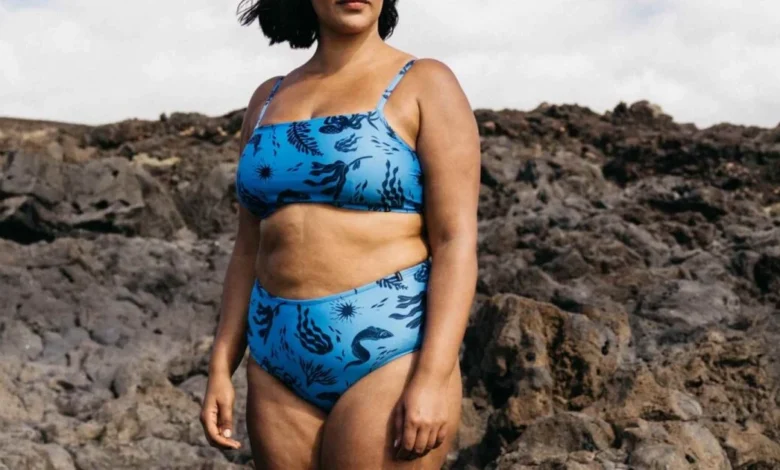
As the warmth of summer ushers in bikini season, consumers are increasingly seeking out swimwear that not only flatters the form but also aligns with their environmental and ethical values. The quest for a sustainable summer staple, however, presents a unique set of challenges within the complex landscape of the fashion industry. This comprehensive guide delves into the critical importance of ethical swimwear, explores innovative material solutions, spotlights leading sustainable brands, and offers insights into making conscious choices that support both personal comfort and planetary health.
The journey to finding the "Goldilocks set" – a bikini that fits just right, offers adequate coverage, and remains secure in the water – is a familiar one for many. Like lingerie, a bikini should inspire confidence and comfort, serving diverse purposes from leisurely poolside lounging to active snorkeling adventures. Yet, beyond style and practicality, a crucial dimension has emerged: the ethical footprint of our swimwear. This growing awareness has propelled the search for brands committed to reducing environmental harm and upholding fair labor practices.
The Environmental Imperative: Addressing Swimwear’s Hidden Costs
The allure of new trends and prints often leads to a cycle of fast fashion consumption, particularly prevalent in items like swimwear. However, the sustainability problems associated with conventional swimwear extend far beyond mere overconsumption. At the core of the issue lies plastic. The very properties that make synthetic fabrics like nylon, polyester, and spandex ideal for swimwear – their moisture-wicking capabilities, stretch, and friction reduction in water – are also their greatest environmental liabilities. These materials are versatile and inexpensive to produce, making them mainstays not only in swimwear but also in activewear, outerwear, and myriad other fast fashion garments.
The fundamental problem is that plastic is not biodegradable. This means it never truly decomposes, persisting in the environment for hundreds of years. The environmental impact begins at the production phase, which often relies on fossil fuels and contributes to greenhouse gas emissions. The issue is exacerbated during the garment’s lifecycle, particularly during washing, when synthetic swimwear releases microscopic plastic fibers, known as microfibers. Studies have shown that a single wash cycle can release hundreds of thousands of these tiny plastic particles into waterways, eventually making their way into oceans. These microfibers are ingested by marine life, entering the food chain and posing a significant threat to ecosystems and potentially human health. Ultimately, at the end of a garment’s life, these plastic-based items contribute to overflowing landfills, where they persist indefinitely. Fortunately, the most effective way to prolong swimwear life and reduce microfiber release is gentle hand washing, a practice that aligns with the garment’s typical short wear duration between washes.
Innovations in Sustainable Materials: Turning Waste into Wear
Despite the pervasive use of polluting plastics in swimwear, significant advancements in material science are offering viable, eco-friendlier alternatives. One of the most prominent innovations comes from Italian firm Aquafil, which developed ECONYL. This groundbreaking material is a regenerated nylon yarn created from synthetic waste, including industrial plastics, discarded fabric scraps, and, notably, abandoned fishing nets recovered from oceans. The recycling and regeneration process transforms this waste into a new nylon yarn that boasts the same quality and performance characteristics as virgin nylon, effectively closing the loop on a significant source of plastic pollution.
Beyond ECONYL, other swimwear brands are actively innovating, developing their own luxurious materials from recycled nylon fibers or exploring natural alternatives. For instance, REPREVE is another widely adopted recycled fiber, primarily made from post-consumer plastic bottles. Brands utilizing REPREVE divert millions of plastic bottles from landfills, transforming them into high-performance fabrics suitable for swimwear.
While recycled synthetics offer a crucial pathway to reducing virgin plastic consumption and managing existing waste, the discourse around sustainability in swimwear also includes natural fibers. Hemp, for example, is emerging as a promising contender. Known for its exceptional durability, natural antimicrobial properties, and inherent UV resistance, hemp cultivation is also significantly less water-intensive and requires fewer pesticides compared to conventional cotton. However, integrating natural fibers into swimwear necessitates addressing challenges such as elasticity and quick-drying capabilities, which synthetic blends traditionally excel at.
It is imperative, however, for consumers to remain vigilant against "greenwashing." The mere mention of "recycled" or "natural" materials does not automatically guarantee comprehensive sustainability. A truly ethical brand considers its entire supply chain, encompassing labor practices, animal welfare (where applicable), energy consumption, water management, and waste reduction. Certifications from reputable third-party organizations can help consumers discern genuinely sustainable products from those merely employing superficial environmental claims.
Holistic Sustainability: Beyond the Fabric
A truly sustainable approach to swimwear production extends beyond just the choice of materials. It encompasses the entire lifecycle of a garment, from design and manufacturing to packaging and end-of-life solutions. Ethical labor practices are paramount. This involves ensuring fair wages, safe working conditions, and respect for human rights throughout the supply chain. Brands that partner with certified factories or transparently audit their production facilities demonstrate a deeper commitment to social responsibility.
Reducing carbon footprint is another critical aspect. This can be achieved through local manufacturing to minimize transportation emissions, utilizing renewable energy sources in production, and implementing efficient processes that conserve water and energy. Packaging also plays a significant role; many ethical brands opt for recycled, recyclable, or biodegradable packaging materials to avoid contributing to plastic waste.
Furthermore, a circular economy mindset is gaining traction in the swimwear industry. This involves designing products for durability and longevity, offering repair services, and implementing take-back or recycling programs for old garments. The goal is to keep materials in use for as long as possible, minimizing waste and resource depletion.
A Curated Selection of Ethical Bikini Brands Making a Splash
The following brands represent leaders in the sustainable swimwear movement, each demonstrating unique commitments to ethical practices and innovative materials. These brands have been assessed by rigorous ratings systems, reflecting their impact on people, the planet, and animals.
Underprotection: This Danish brand seamlessly blends ethics with aesthetics, crafting underwear, loungewear, and swimwear from lower-impact materials such as organic cotton and recycled polyester. Underprotection’s commitment extends to its entire operation, utilizing recycled or biodegradable packaging and exclusively collaborating with certified factories. They champion fair working conditions and wages as fundamental human rights, with a mission to empower women to feel beautiful and comfortable. Available in sizes XS-XL, Underprotection embodies a holistic approach to ethical fashion.
Loop Swim: Founded by two women from the US and India and headquartered in Shanghai, Loop Swim is dedicated to circular design and waste reduction. The brand masterfully transforms post-consumer plastic bottles into high-performance REPREVE UP50+ sun-protective swimwear for men, women, and children. Their designs prioritize timelessness and quality, ensuring garments retain their shape and color through countless swims, reflecting a commitment to durability over fleeting trends. Most items are available in sizes XS-XL.
1 People: A Danish-designed luxury lifestyle brand, 1 People infuses Scandinavian aesthetics with minimalist design to create elegant collections for the conscious consumer. Their pieces are meticulously crafted by small, family-run manufacturers, emphasizing the use of lower-impact and certified materials. This focus on artisanal production and responsible sourcing underscores their dedication to quality and ethical integrity. The collection is available in sizes XS-XL.
Anekdot: Operating out of Berlin, Anekdot specializes in sustainable designer underwear, swimwear, and loungewear, all handmade with a strong emphasis on upcycling. The brand creates exquisite, limited-edition intimates by repurposing production leftovers, deadstock fabrics, and vintage trimmings. This innovative approach gives materials a new life, reducing waste and offering unique, story-rich garments. Products are typically found in sizes XS-XL.
ColieCo: This Portuguese brand crafts lingerie, underwear, and swimwear through a handmade-to-order process, ensuring premium quality and minimal waste. ColieCo is distinguished by its exclusive use of lower-impact and responsibly sourced fabrics for every garment. Their commitment to artisanal production and sustainable materials allows them to offer a wide range of sizes, from 2XS to 3XL, catering to diverse body types with ethical elegance.
Natasha Tonic: Pioneering swimwear made from hemp, Natasha Tonic offers a revolutionary alternative to traditional polyester-based garments. The brand’s unique natural hemp fiber fabric is antimicrobial, UV resistant, and remarkably durable, presenting a healthier choice for both skin and oceans. Each piece is hand-printed, ensuring a distinctive touch and allowing for a gorgeous, tailored fit. Collections are available in sizes XS-L, showcasing the potential of natural fibers in performance wear.
Kampos: A luxurious Italian brand, Kampos is driven by a vision of integrity and conscience for current and future generations. They actively raise awareness about overfishing and marine pollution, offering unique swimwear pieces crafted from recycled plastic bottles, recovered fishing nets, and other lower-impact organic fabrics. Kampos exemplifies how high-end design can seamlessly integrate with profound environmental responsibility. Most products are available in sizes XS-2XL.
Finisterre: Born from the rigorous demands of British surfers, Finisterre is a pioneering outdoor brand deeply rooted in sustainability. Their mission is to inspire a love for the sea through exceptionally designed products that withstand the elements. This commitment to durability, functionality, and environmental stewardship makes their swimwear a reliable choice for those who value performance and planet. Most items are available in sizes XS-2XL.
TWOTHIRDS: This brand positions itself for individuals who are acutely aware of the immense value of our oceans, yet also possess a discerning taste for style and substance. TWOTHIRDS ensures all products are manufactured locally to significantly reduce its carbon footprint. Furthermore, the brand rigorously audits all stages of its final production, guaranteeing adherence to ethical standards. Their clothing lines are available in sizes XS-L.
Spell: An Australian fashion brand, Spell draws inspiration from exotic locales, vintage treasures, and nostalgic childhood memories. Their distinctive garments are proudly designed and sampled in Byron Bay, with responsible production carried out in factories across the globe. Spell’s commitment to ethical sourcing and manufacturing ensures that their bohemian-inspired swimwear aligns with conscious consumer values. Most garments are available in sizes 2XS-2XL.
Afends: Hailing from Byron Bay, Australia, Afends stands as a trailblazer in hemp fashion. Their brand ethos, deeply influenced by the environment, streetwear, and surf culture, centers on creating sustainable clothing through innovation and positive change. As staunch advocates for hemp, Afends even purchased 100 acres of farmland, dubbed Sleepy Hollow, to cultivate their own hemp crops, spearheading a quiet revolution in textile production. Most of their range is available in sizes XS-XL.
CASAGiN: This Italian brand designs apparel for individuals dedicated to fostering a more sustainable and conscious lifestyle, extending beyond their wardrobe. CASAGiN’s commitment to ethical production and material choices positions them as a key player in the movement towards responsible fashion. Find most items in sizes XS-2XL.
Koraru: Named after the Japanese pronunciation of "coral," Tokyo-based Koraru creates swimwear inspired by circularity principles. The brand utilizes lower-impact materials and actively implements a recycling program. Koraru demonstrates a dedication to transparency by partially tracing its supply chain, offering consumers greater insight into their production processes. Available in sizes XS-XXL.
BONDI BORN: While the original article highlighted a "conscious crop" and "universal wrap skirt" made from a premium Bulgarian linen blend, BONDI BORN generally aligns with sustainable luxury, often incorporating eco-friendly fabrics and responsible manufacturing practices across its collections, including swimwear. Their elegant, versatile pieces are designed for longevity and conscious living. Garments are typically available in sizes XS-L.
Consumer Empowerment and the Future of Ethical Swimwear
The growing availability of sustainable bikini options signifies a pivotal shift in the fashion industry, driven largely by increasing consumer demand and awareness. Platforms that rigorously rate brands based on their impact on people, the planet, and animals serve as invaluable resources for consumers navigating this evolving landscape. By prioritizing transparency, material innovation, and ethical production, these brands are not only offering stylish alternatives but also actively contributing to a more responsible future for fashion.
For consumers, the power lies in informed choices. Beyond scrutinizing material composition, it’s crucial to consider a brand’s overall commitment to sustainability, including its labor practices, supply chain traceability, and waste management strategies. Supporting brands that invest in durable, timeless designs also combats the fast fashion cycle, promoting a culture of mindful consumption.
The journey towards a fully sustainable fashion industry is ongoing. While challenges like greenwashing persist, the continuous innovation in materials and the growing emphasis on holistic ethical practices offer a promising outlook. As summer approaches, embracing sustainable swimwear is more than a trend; it’s a conscious decision to protect our planet’s precious aquatic environments and support a more equitable world.