TABRA Restaurant by Andreea Cornila A Masterclass in Negative Space and Material Volumetry in Bucharest

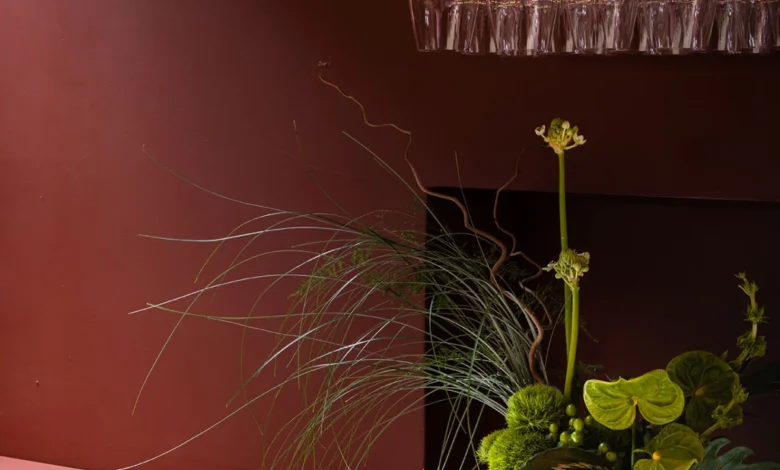
In the contemporary landscape of interior design, the concept of negative space is often misunderstood as a mere absence of objects; however, in the hands of an expert, it becomes a definitive structural tool. Expertise in high-end hospitality design suggests that this void is just as critical as the physical substance of a room, providing the necessary "breathing room" for brilliance to manifest. This philosophy is the cornerstone of TABRA, a recently completed restaurant project in Bucharest designed by Andreea Cornila. The space is characterized by an intentional and dynamic use of tactile materials, rendered with an acute sense of volume that maximizes the impact of every square meter.
The design of TABRA serves as a testament to the idea that time spent in an environment that encourages reflection and appreciation of detail is never wasted. By infusing the interior with a meticulously curated palette of rich colors and contrasting textures, Cornila has created a sanctuary that balances the opulence of the past with the clean lines of modern minimalism.
Architectural Narrative and Spatial Composition
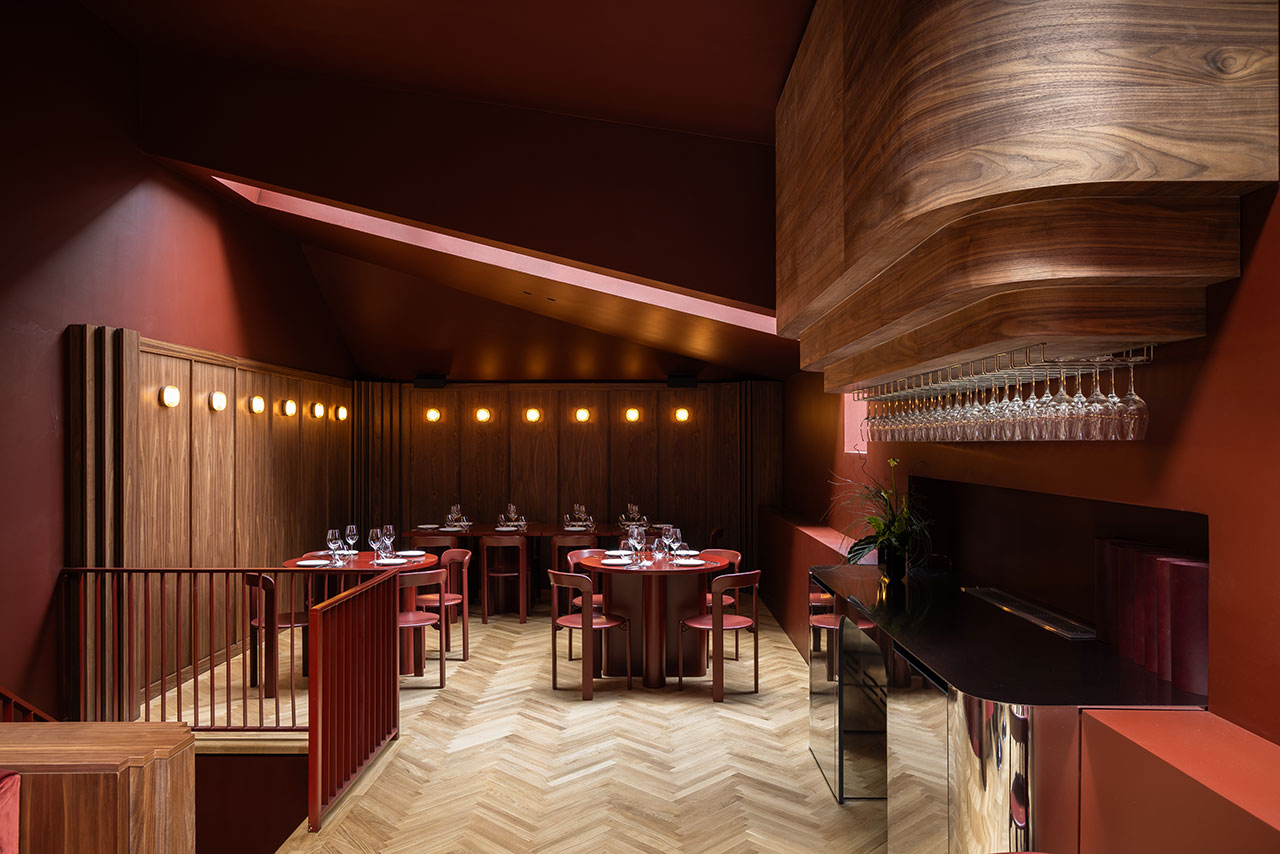
The centerpiece of the main dining hall is a singular, determined skylight that dominates the ceiling. This architectural choice serves as the primary source of natural illumination, bathing the interior in a concentrated beam of light that shifts throughout the day, creating a sundial-like effect on the floor. To complement this natural light, Cornila has integrated soft, delicate orbs across the surrounding walls. These fixtures offer a warm, endearing glow that offsets the intensity of the room’s primary color: a deep, saturated burgundy.

This "color drenching" technique—where the walls, chairs, and booth upholstery all reflect the same rich hue—creates a sense of chic opulence and immersive comfort. The psychological impact of such a color palette in a dining environment cannot be overstated; burgundy is often associated with sophistication, appetite stimulation, and a sense of timelessness. By applying this color across various surfaces, from the matte finish of the walls to the plush texture of the upholstery, the designer achieves a monochromatic depth that feels expansive rather than restrictive.
Materiality and the Tablescape
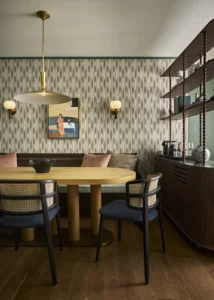
One of the most striking features of the TABRA interior is the deliberate contrast between the highly lacquered gloss of the dining tables and the warm, soft pile of the seating upholstery. This juxtaposition creates a tactile experience for the guest even before the meal begins. The tables reflect the ambient light of the wall-mounted orbs, while the chairs provide a grounding, comfortable embrace.

The tablescapes themselves are kept intentionally minimal. Clear glassware and simple settings are utilized to ensure that the food and the company remain the focal points of the experience. This restraint in table dressing allows the broader ambiance of the restaurant to take precedent, reinforcing the designer’s commitment to the "art of gathering." By removing unnecessary clutter, the design directs the guest’s attention to the sensory qualities of the meal and the surrounding architecture.
The Bar and Vertical Dynamics
The bar area introduces a new set of materials into the dialogue, most notably chrome and glass. The bar features generously curved chrome siding, buffed to a mirror finish that reflects the intricate herringbone wood flooring below. This reflective surface serves to visually expand the room, making the floor appear as though it continues beneath the bar structure.

Suspended above the bar are inset racks for wine glasses, held in place by a stately built-in cabinet. Despite the cabinet’s significant size, its design creates a surprising sense of height and lightness. This is a hallmark of Cornila’s work: the ability to manipulate volume so that heavy, functional pieces feel integrated into the airiness of the room. The hanging glassware adds a rhythmic, transparent layer to the space, catching both natural and artificial light.
Historical Context and Adaptive Reuse
The building that houses TABRA carries a rich history, having originally served as a residential living space with an integrated wine cellar. Preserving this historical "flow" was a primary objective for Cornila. The transition between rooms is marked by what the designer calls "textile portals"—archways that have been treated with heavy upholstery to add a sense of weight and transition to the act of moving from one space to another.

Because the original architectural casings could not be fully preserved due to the building’s age and structural requirements, Cornila designed golden archways that pay homage to the Art Deco influences of the era in which the building was constructed. These archways act as a bridge between the 1920s and the 2020s, honoring the decades of history that have shaped the walls while providing a durable framework for the future. The use of gold and curved lines is a direct nod to the "Little Paris" aesthetic that once defined Bucharest’s high society.
The Open Kitchen and the Blur of Service
In a move that aligns with modern culinary trends, the kitchen at TABRA is intentionally open. This design choice invites guests to witness the process of creation, effectively blurring the traditional divide between the "front-of-house" and "back-of-house." By centering the act of service and preparation, the restaurant transforms the culinary process into a form of performance art.

This transparency fosters a sense of trust and engagement. As the designer notes, frequent diners often harbor a curiosity about the inner workings of a professional kitchen. By removing the "curtain," TABRA elevates the staff and the preparation process to an honorary status within the dining room. This integration is supported by the use of bar stools that face the kitchen, allowing for a more casual, interactive dining experience that contrasts with the more formal booth seating in the main hall.
Chronology of the Designer: Andreea Cornila
Andreea Cornila established her design studio in Bucharest in 2019. In the five years since its inception, the firm has quickly gained a reputation for its bold use of color and its sophisticated approach to spatial balance. Cornila, who works as both an interior and product designer, often creates custom furniture pieces for her projects to ensure that every element aligns with her vision of "material volumetry."

Her style is defined by a lack of fear regarding saturated colors. Whether it is a "pop of red" or an entire room drenched in burgundy, her work challenges the neutral-heavy trends that have dominated the industry for the last decade. The completion of TABRA represents a significant milestone in her portfolio, showcasing a mature command over historical preservation and contemporary luxury.
Technical Analysis: The Impact of Lighting and Texture
From a technical standpoint, the success of TABRA lies in its lighting layers. The combination of the skylight (task/natural lighting), the wall orbs (ambient lighting), and the reflections from the lacquered tables and chrome bar (accent lighting) creates a complex visual environment. This multi-layered approach ensures that the deep red palette does not become oppressive or "flat."

Furthermore, the choice of herringbone flooring provides a directional texture that guides the eye through the various dining zones. The wood’s natural grain offers a warm counterpoint to the metallic and lacquered surfaces, grounding the space in organic materiality.
Broader Implications for Bucharest’s Design Scene
The emergence of spaces like TABRA indicates a shifting tide in the Romanian hospitality sector. As Bucharest continues to grow as a destination for international business and tourism, the demand for "experience-driven" design has increased. Designers are moving away from cookie-cutter industrial aesthetics toward more bespoke, historically conscious interiors.

TABRA’s success suggests that there is a strong market for high-concept, monochromatic environments that prioritize sensory engagement. By honoring the building’s past as a residence and wine cellar while introducing modern elements like the open kitchen and chrome bar, Cornila has provided a blueprint for how historical structures can be modernized without losing their soul.
Conclusion: The Art of Gathering
"Every gesture at Tabra, from the tactile portals to the curated textures and contrasting spatial moods, is designed to engage the senses," states Andreea Cornila. "It is a space that honors history, embraces contemporary elegance, and celebrates the art of gathering."

The project stands as a definitive example of how interior design can transcend aesthetics to become an emotional experience. Through the expert application of negative space, the bold use of color, and a deep respect for architectural heritage, TABRA offers a masterclass in modern hospitality design. It is a space where the volume of the room is felt as much as it is seen, inviting guests to slow down and appreciate the small, intentional details of their surroundings.