Mastering the Art of Jewelry Layering: A Comprehensive Guide to the Growing Neck Mess Trend in Modern Fashion

The contemporary jewelry market has witnessed a significant shift in consumer behavior, moving away from the stark minimalism that defined the early 2010s toward a more complex, personalized aesthetic known colloquially as the neck mess. This trend, characterized by the intentional layering of multiple necklaces of varying lengths, textures, and styles, has become a cornerstone of personal branding and self-expression in the digital age. While the visual result often appears effortless, the technical execution of a successful layered look requires a sophisticated understanding of jewelry proportions, metallurgical properties, and historical design elements. Industry experts and style consultants increasingly view necklace layering not merely as a passing fad but as a structured art form that reflects broader cultural shifts toward maximalism and curated individualism.
The Evolution of the Neck Mess and the Rise of Maximalist Jewelry
To understand the current dominance of the neck mess, one must examine the chronological shift in the global jewelry landscape over the past decade. Following the 2008 financial crisis, the jewelry industry saw a surge in minimalist designs—thin gold bands, delicate chains, and singular "bar" necklaces—driven by a desire for understated luxury. However, by 2018, market data began to show a pivot toward "stacking" and "layering" as consumers sought ways to display their growing collections of sentimental pieces.
Social media platforms, particularly Instagram and TikTok, have played a pivotal role in this evolution. The hashtag #neckmess has garnered millions of impressions, creating a community of collectors who share "neck parties" or curated displays of their daily jewelry choices. This digital visibility has transformed jewelry from a static accessory into a dynamic narrative tool. According to market analysis by Grand View Research, the global jewelry market size was valued at approximately USD 353.26 billion in 2023, with a significant portion of growth attributed to the "demi-fine" and fine jewelry sectors where layering is most prevalent. This growth is fueled by the "self-purchase" demographic—predominantly women buying for themselves—who prioritize versatility and the ability to customize their look through layering.
Structural Foundations: The Role of the Primary Chain
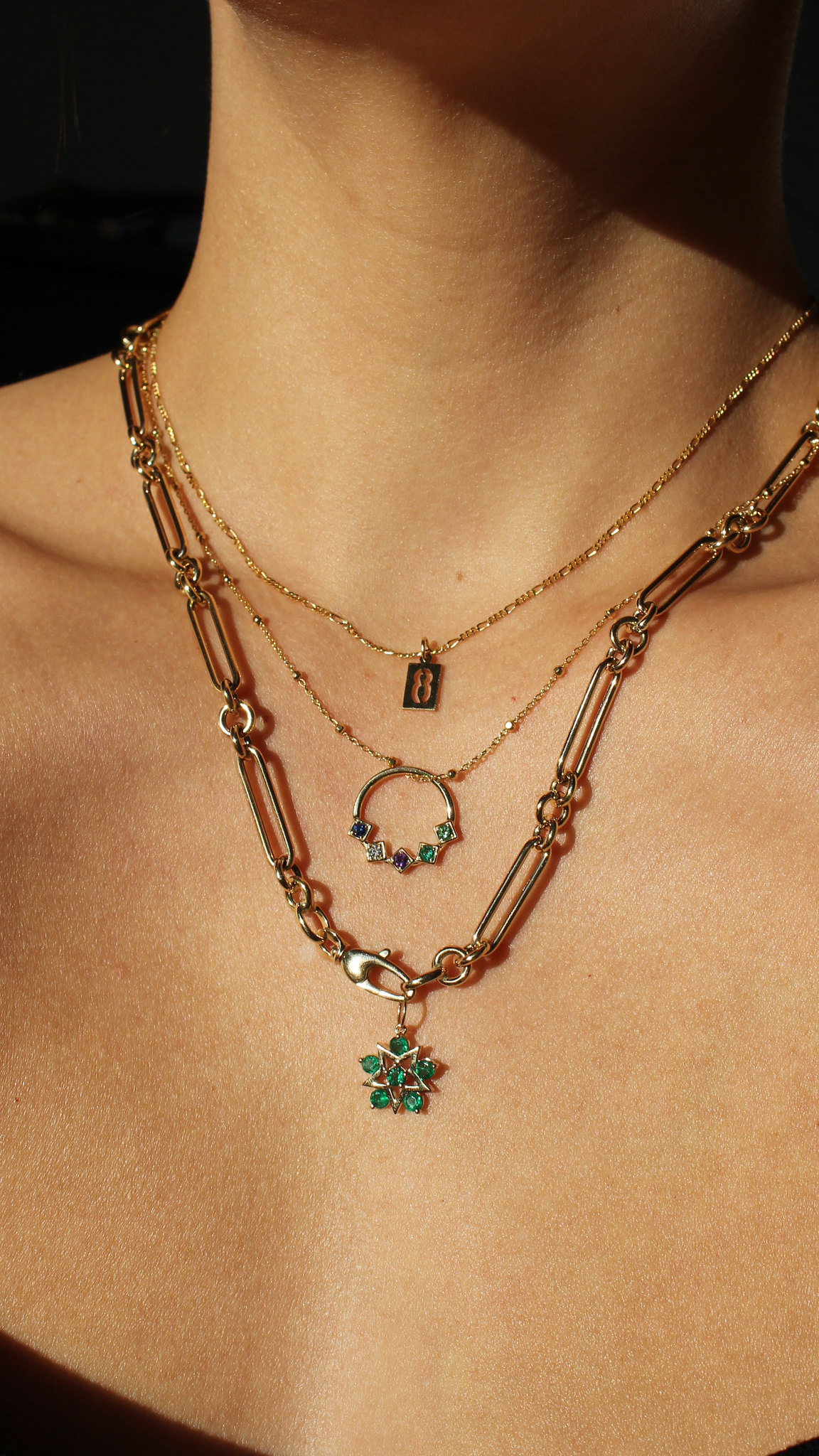
The technical assembly of a layered necklace look begins with a foundational element, typically referred to as the "basic" or anchor chain. Journalistic observation of high-end retail trends indicates that the most effective foundations are standard 16-inch or 18-inch chains. These lengths are strategically significant because they sit at the base of the neck or just above the collarbone, providing a stable visual center for the entire ensemble.
Beyond aesthetics, the foundational layer serves as a repository for sentimental value. Industry analysts note that "storytelling" is a primary driver in jewelry sales; consumers are increasingly drawn to charms and pendants that represent milestones, travel experiences, or personal heritage. Experts recommend that this base layer remains consistent, acting as a signature piece upon which more experimental layers can be built. In a professional context, this layer often features high-quality materials—such as 14k or 18k solid gold—to ensure durability, as it is the piece most likely to be worn daily.
Dimensional Engineering: The Importance of Differing Lengths
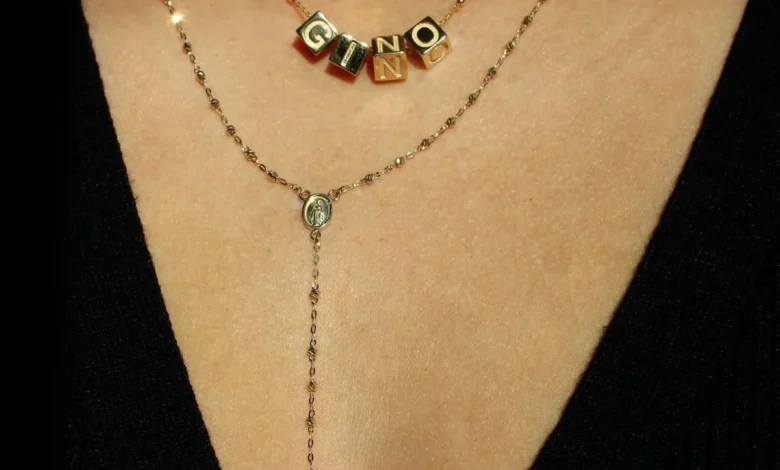
The primary challenge in necklace layering is the physical reality of tangling and overlapping, which can diminish the visual impact of the individual pieces. To mitigate this, fashion technicians emphasize the necessity of varying lengths. A successful "neck mess" is built on a vertical hierarchy that prevents chains from occupying the same physical space.
The standard industry recommendation for a balanced look involves a progression of lengths:

- The Choker (12–14 inches): Sits high on the neck, providing a clear upper boundary.
- The Short Chain (16 inches): The traditional placement for pendants.
- The Mid-Length Chain (18–20 inches): Provides the transition between the neck and the chest.
- The Long Chain (24–30 inches): Draws the eye downward, creating a lengthening effect on the torso.
Data from jewelry retailers suggest that consumers who purchase necklaces in "sets" of varying lengths are 40% less likely to return items due to dissatisfaction with how they sit on the body. Furthermore, utilizing different lengths is not merely a stylistic choice but a functional one; it significantly reduces the friction between metal links, thereby preserving the integrity of the gold or silver plating over time.
Textural Contrast and Technical Chain Styles
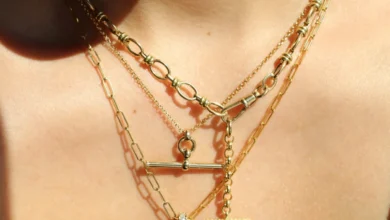
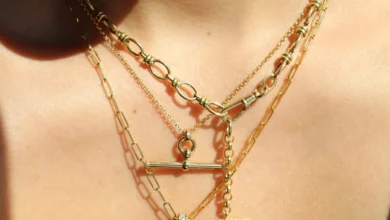
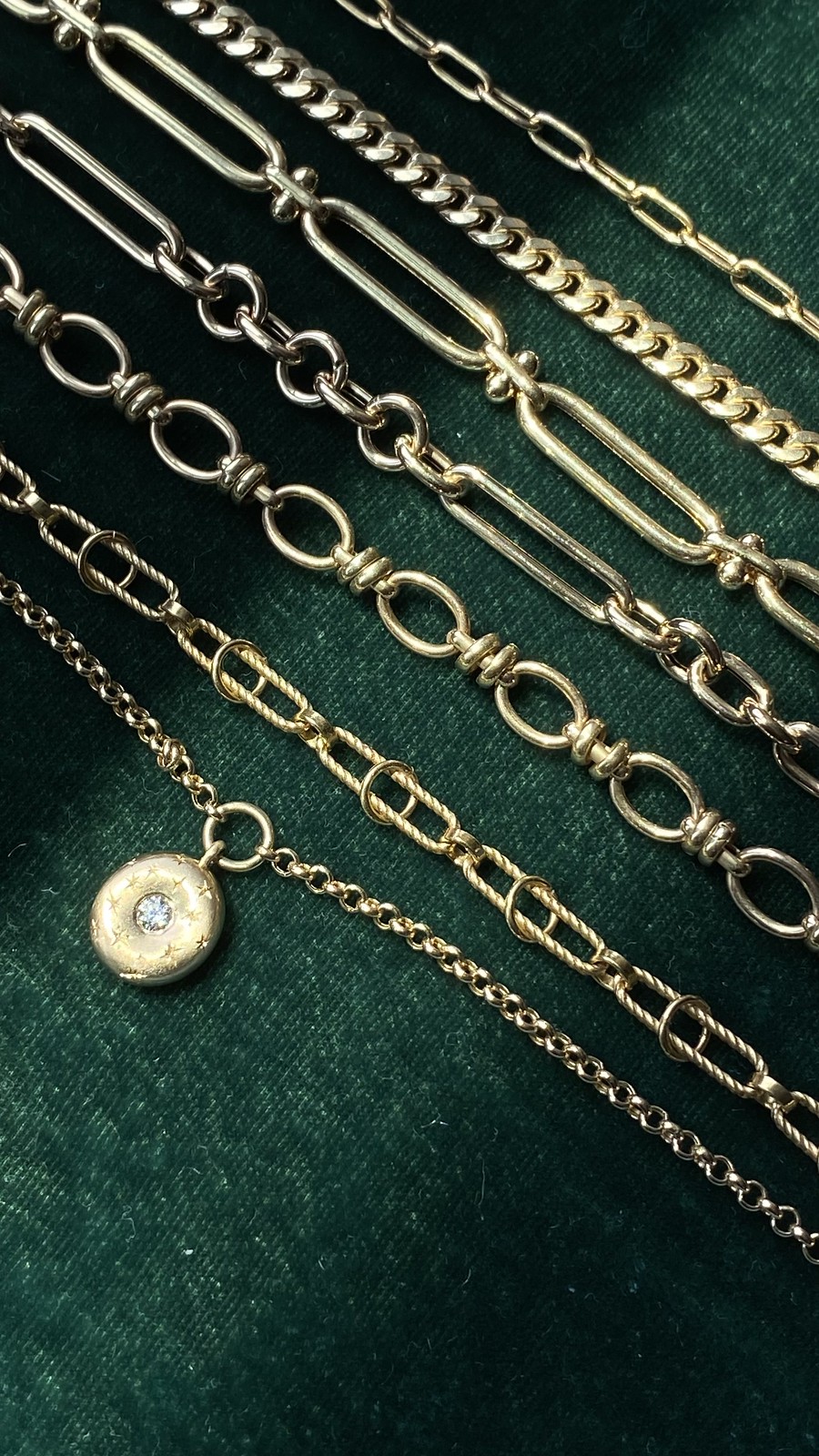
A critical but often overlooked component of the layered look is the integration of diverse chain textures. In the jewelry industry, "texture" refers to the specific link pattern of the chain. Professionals argue that "more texture equals less tangle." This is due to the varying weights and surface areas of different link styles, which interact differently with the wearer’s skin and clothing, preventing the chains from nesting into one another.
Key chain styles that are currently trending in the maximalist market include:
- The Figaro: Featuring a pattern of two or three small circular links followed by one elongated oval link, originating in Italy and popularized in the 1980s.
- The Mariner (or Anchor Chain): Inspired by the chains attached to anchors on ships, characterized by oval links with a horizontal bar across the center.
- The Snake Chain: A dense, smooth chain made of round, wavy metal rings joined side-by-side, offering a sleek, modern contrast to traditional links.
- The Paperclip: A contemporary favorite consisting of elongated, rectangular links that provide a "light" and airy aesthetic.
- The Herringbone: A flat chain with slanted links, known for its high reflective quality but requiring careful handling to prevent kinking.
By mixing a heavy Mariner chain with a delicate Rolo or Cable chain, the wearer creates visual "interruptions" that make the ensemble more sophisticated. This variety also ensures that the light reflects off the metal at different angles, increasing the overall brilliance of the jewelry.
Achieving Symmetry with Advanced Silhouettes
The final stage of professional necklace layering involves the introduction of "symmetrical" or "structural" pieces. While the initial layers provide vertical depth, the addition of a bib-style, festoon, or station necklace provides horizontal dimension. A station necklace features gemstones or decorative elements fixed at intervals along the chain, ensuring that even if the necklace shifts, the visual balance remains intact.
Fashion historians point to the "Cleopatra-style" necklace—a wide, flat collar-style piece—as the ultimate anchor for a complex layer. These pieces serve to "frame" the smaller, more delicate chains above them. In the current market, diamond-dangle station necklaces have seen a resurgence, as they offer a "fringe" effect that adds movement to the look. This level of complexity transitions the "neck mess" from a casual arrangement into a high-fashion statement suitable for formal environments.
Market Implications and the Future of the Jewelry Industry
The shift toward layered jewelry has had profound implications for the retail sector. Jewelry brands are no longer just selling individual items; they are selling "systems." Many luxury houses have responded to this trend by releasing "pre-layered" necklaces—multiple chains joined by a single clasp—to cater to consumers who desire the look without the effort of curation. However, the authentic "neck mess" remains a DIY endeavor for the true enthusiast.
Economic data indicates that the layering trend has increased the "Average Order Value" (AOV) for online jewelry retailers. Customers who previously might have purchased one gold chain are now purchasing three or four to achieve a specific aesthetic. This has also led to a boom in the "jewelry organization" market, with increased demand for specialized stands and anti-tangle travel cases.

Furthermore, the trend has encouraged a more sustainable approach to jewelry consumption. By layering "new" pieces with "vintage" or inherited items, consumers are participating in a form of circular fashion. This blending of eras—pairing a Victorian locket with a modern paperclip chain—creates a timelessness that transcends seasonal trends.
Conclusion: The Intersection of Personal Identity and Technical Skill
Mastering the "neck mess" is a testament to the modern consumer’s desire to reclaim jewelry as a form of personal storytelling. While the rules of length, texture, and symmetry provide a necessary framework, the ultimate success of the look lies in its ability to reflect the wearer’s unique history and aesthetic preferences. As the jewelry industry continues to evolve, the emphasis on customization and complexity suggests that the art of layering will remain a dominant force in fashion for the foreseeable future. By understanding the technical foundations of chain styles and spatial dynamics, anyone can transform a simple collection of necklaces into a curated masterpiece of personal style.