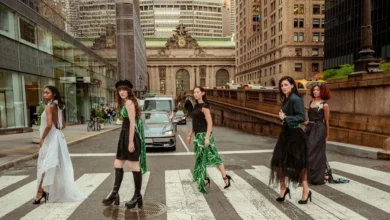
Navigating Ethical Fashion: The Intersection of Affordability and Size Inclusivity

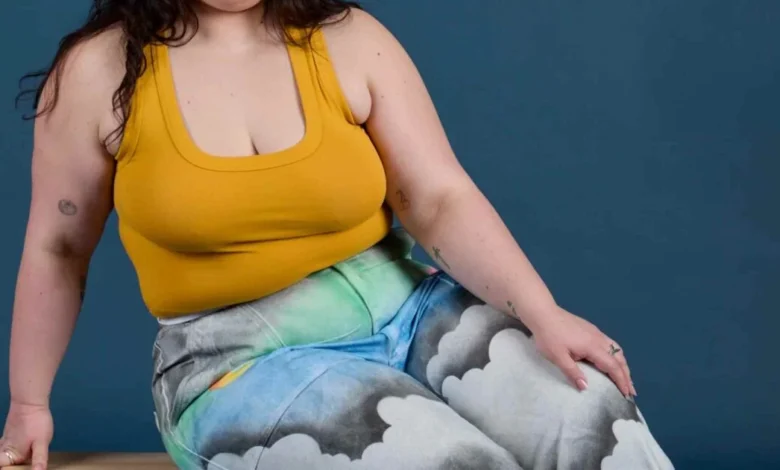
The landscape of fashion consumption is undergoing a significant transformation, driven by a growing global awareness of environmental impact and social justice. Consumers are increasingly seeking brands that align with their values, prioritizing sustainability, ethical labor practices, and transparency. However, this shift towards conscious consumption often encounters formidable barriers, particularly when specific needs such as extended sizing or strict budget constraints come into play. What should ideally be a straightforward commitment to responsible shopping frequently becomes a complex and often frustrating quest, leaving many feeling excluded from the ethical fashion movement. This article delves into the challenges and emerging solutions at the intersection of affordable, size-inclusive, and sustainable fashion, highlighting brands that are actively working to bridge these critical gaps.
The Evolution and Challenges of Sustainable Fashion
Over the past decade, sustainable fashion has moved from a niche concern to a mainstream conversation. This evolution has seen a proliferation of brands committed to reducing their ecological footprint, employing fair labor practices, and utilizing innovative, lower-impact materials. The initial growth of this movement, however, often overlooked critical aspects of accessibility. Early sustainable brands frequently focused on a limited aesthetic, catering primarily to a specific demographic that could afford higher price points and fit into a narrower range of sizes. This created a perception that ethical fashion was inherently elitist, a luxury item rather than a universal standard.
Industry reports indicate a significant upward trajectory for the sustainable fashion market. Projections suggest that the global sustainable fashion market, valued at approximately $8 billion in 2022, could reach over $33 billion by 2030, demonstrating robust consumer interest. Despite this growth, fundamental challenges persist. One of the most frequently cited obstacles for consumers is the perceived high cost, which often stands in stark contrast to the artificially low prices offered by fast fashion giants. Another persistent issue, and arguably a more exclusionary one, has been the widespread difficulty in finding sustainable brands that offer a comprehensive range of sizes beyond conventional standards.
The Imperative of Size Inclusivity
The global body positivity movement, gaining significant momentum throughout the 2010s, has reshaped societal perceptions of beauty and challenged the narrow ideals historically promoted by the fashion industry. This movement advocates for the acceptance and celebration of all body types, leading to increased demand for clothing that genuinely fits and flatters a diverse population. Simultaneously, the ethical fashion movement has championed fair treatment of workers, responsible resource management, and transparency in supply chains. However, these two vital movements, despite their shared commitment to equity and justice, have often progressed in parallel rather than in unison.
Advocates for inclusive fashion have frequently highlighted a historical disconnect, arguing that many sustainable designers have been slow to embrace extended size ranges. This oversight has left a substantial portion of the consumer base—specifically plus-size shoppers—feeling marginalized and unrepresented within the ethical fashion dialogue. Market analysis underscores the economic significance of this demographic: the global plus-size apparel market was valued at an estimated $280 billion in 2022 and is projected to continue its substantial growth. This represents a significant consumer segment whose needs are not merely a matter of social equity but also a missed economic opportunity for brands failing to adapt. The implication is clear: for sustainable fashion to achieve its full potential and truly become mainstream, it must unequivocally embrace inclusivity, ensuring that ethical choices are available to everyone, regardless of their body shape or size. Brands that neglect this aspect risk alienating a large and influential consumer base and undermining the very principles of fairness they claim to uphold.
Deconstructing Affordability: The True Cost of Clothing
The notion that sustainable fashion is inherently expensive is a deeply ingrained perception, largely shaped by the ubiquity of ultra-low-cost fast fashion. However, understanding the true cost of clothing reveals a more complex picture. The price tag of an ethically produced garment encompasses far more than just the raw materials. It includes the critical elements of paying living wages to garment workers, investing in safer and more environmentally sound manufacturing processes, utilizing certified organic or recycled materials, and ensuring transparent, audited supply chains. These practices naturally incur higher production costs than those of fast fashion, which often externalizes these costs onto exploited labor and environmental degradation.
Fast fashion’s business model relies on rapid trend cycles, cheap labor, and high-volume production of disposable garments. This approach has drastically distorted consumer expectations regarding clothing prices. Decades ago, consumers spent a larger percentage of their income on fewer, higher-quality garments. Today, the inverse is true: people spend less per item but buy significantly more, contributing to massive textile waste. This high consumption, low-cost paradigm has profound environmental consequences, from excessive water usage and chemical pollution to enormous carbon emissions and overflowing landfills.
To counter the sticker shock of sustainable clothing, many experts advocate for the "cost per wear" metric. This calculation considers the initial purchase price divided by the number of times an item is worn. A well-made, durable garment from a sustainable brand, though more expensive upfront, can be worn hundreds of times, making its cost per wear remarkably low. Conversely, a cheap fast fashion item might be discarded after only a few wears, resulting in a surprisingly high cost per wear and a detrimental environmental footprint. Embracing the cost per wear philosophy encourages a mindset shift from quantity to quality, promoting investment in timeless, versatile pieces that endure both physically and stylistically, ultimately proving more economical in the long run.
Bridging the Gap: Brands Prioritizing Inclusivity and Value
Recognizing the urgent need to make ethical fashion accessible to a broader audience, various platforms and organizations, such as Good On You, employ rigorous ratings systems to identify brands that meet high standards for people, planet, and animal welfare. By leveraging such comprehensive evaluations, consumers can navigate the market to find brands that not only uphold strong ethical values but also address the critical dimensions of size inclusivity and affordability. The following brands represent pioneering efforts in this space, demonstrating that style, ethics, and accessibility need not be mutually exclusive.
-
Yes Friends
- Price: $
- Sizing: 2XS – 4XL
Yes Friends, a UK-based brand, has made a name for itself by proving that ethical clothing can be remarkably affordable. Specializing in basics like t-shirts, they achieve their competitive pricing (e.g., t-shirts costing less than £4 to make and sold for £7.99) through large-scale production and a direct-to-consumer model, cutting out unnecessary middlemen. Their commitment extends to using more sustainable materials and ensuring ethical production practices, making them a standout for budget-conscious, size-inclusive shoppers seeking foundational wardrobe pieces.
-
Q for Quinn
- Price: $
- Sizing: XS – 3XL
Q for Quinn offers a unique focus on sustainable, non-toxic, and eczema-friendly clothing for all ages, including adults. Their essentials are crafted from organic, responsibly sourced materials, prioritizing comfort and health alongside ethical production. The brand’s dedication to providing gentle, high-quality garments that are accessible in a good range of sizes positions them as an excellent choice for those seeking both comfort and ethical integrity in their everyday wear.
-
Joyya
- Price: $
- Sizing: XS – 4XL
Joyya is more than just an apparel brand; it’s a social enterprise committed to creating positive change. Headquartered in New Zealand, the brand was founded in Kolkata, India, with the ambitious goal of generating meaningful employment opportunities in communities affected by extreme poverty and human trafficking. By making organic apparel, Joyya provides fair jobs and supports community development. Their commitment to offering a broad size range ensures that their impact extends to a diverse customer base, making them a powerful choice for socially conscious consumers.
-
SeamsFriendly
- Price: $$
- Sizing: 4XS – 16XL and beyond through custom sizing (at no extra cost), with height options
SeamsFriendly stands out for its exceptional dedication to size inclusivity and personalized fit. This brand creates beautifully tailored clothes designed to flatter all body types, with an unparalleled sizing range that includes custom sizing at no additional cost. Shoppers can also customize various design elements, from necklines to sleeve lengths, ensuring a perfect fit and personal style. Utilizing lower-impact materials like organic cotton and linen, SeamsFriendly champions both environmental responsibility and radical body inclusivity.
-
Purusha People
- Price: $$
- Sizing: XS – 4XL
For those seeking ethical activewear, Purusha People offers a range of organic, plant-based pieces designed to support an active lifestyle. Known for their dainty details and comfortable fabrics, their activewear is made to wick away sweat while maintaining a "chill" vibe. The brand’s commitment to sustainable materials and production, coupled with a solid range of sizes, makes them a go-to for mindful movement and comfortable wear.
-
Miakoda
- Price: $$
- Sizing: XS – 4XL
Another excellent option for organic, plant-based active and loungewear is NYC-based Miakoda. The brand focuses on stripped-back colors and minimalist designs, prioritizing ultimate comfort. Their pieces are crafted from organic materials, catering to a lifestyle that values both physical well-being and environmental consciousness. Miakoda’s commitment to extended sizing ensures that their cozy and ethical garments are accessible to a wide array of body types.
-
Happy Earth
- Price: $$
- Sizing: XS – 3XL
Happy Earth Apparel, a US-based B Corp certified brand, draws inspiration from nature and dedicates a portion of its efforts to environmental preservation. The brand is vegan, traces most of its supply chain, and employs lower-impact materials and low-waste cutting techniques. Their range of organic clothing is available in sizes up to 3XL, allowing consumers to support a brand that actively works towards a healthier planet while offering inclusive sizing.
-
Kotn
- Price: $$
- Sizing: XS – 2XL
Canadian-based B Corp certified Kotn distinguishes itself through its commitment to social impact beyond garment production. Working with local NGOs in the Nile Delta, Kotn helps fund school infrastructure, materials, and teacher salaries to provide quality education to children in their farming communities. Their beautifully made garments, crafted from ethically sourced materials, come in a commendable size range, ensuring that each purchase contributes to both personal style and profound social good.
-
PACT
- Price: $$
- Sizing: XS – 2XL
PACT is a brand driven by a passion for transforming the apparel industry. All of their clothing is produced under sweatshop-free and child-labor-free conditions. Their extensive activewear range primarily uses certified organic cotton, with over 50% also being Fair Trade certified. PACT’s dedication to ethical manufacturing and sustainable materials, combined with a robust size offering, makes them a reliable choice for consumers prioritizing transparency and social responsibility.
-
Subset (formerly Knickey)
- Price: $$
- Sizing: 2XS – 4XL
Subset, known previously as Knickey, offers organic cotton underwear sets that are lauded as some of the best in the market. Produced in a Fairtrade certified factory, the brand emphasizes ethical labor and sustainable materials. Beyond production, Subset also actively addresses end-of-life solutions by partnering with an NYC non-profit to recycle old undergarments, transforming them into insulation and rug pads. Their inclusive sizing up to 4XL ensures a comfortable and ethical choice for diverse body shapes.
-
Amble Outdoors
- Price: $$
- Sizing: XS – 4XL
Formerly Team Timbuktu, Amble Outdoors is an Australian brand creating high-performance outdoor wear from recycled plastic bottles. Their range includes waterproof raincoats and sweat-wicking activewear, designed for durability and functionality. By transforming waste into essential gear and offering an extended size range, Amble Outdoors demonstrates how sustainable practices can be integrated into specialized apparel without compromising on performance or inclusivity.
-
Smartwool
- Price: $$
- Sizing: XS – 4X
Smartwool, a Colorado-based outdoors brand, is renowned for its base layers and clothing made from ZQ Merino certified merino wool. Best known for their performance merino wool ski socks, Smartwool ensures ethical sourcing of their wool and provides a wide range of sizes. Their focus on high-quality, durable materials that perform well in outdoor environments makes them a strong contender for ethical shoppers seeking activewear that lasts.
-
Big Bud Press
- Price: $$
- Sizing: 2XS – 6XL
LA-based Big Bud Press creates vibrant, size-inclusive, and unisex clothing that forms the foundation of a conscious wardrobe. The brand traces most of its supply chain and, while not explicitly vegan, avoids animal-derived materials. Their commitment to colorful, comfortable clothing for all genders and a remarkable size range up to 6XL makes them a favorite for those seeking ethical fashion with a bold and inclusive aesthetic.
-
Known Supply
- Price: $$
- Sizing: XS – 4XL
Known Supply, a US-based B Corp certified brand, is on a mission to humanize the apparel industry. They achieve this by celebrating the artisans who craft their clothing and fostering connections between makers and wearers. Their commitment to transparency and ethical production is matched by their offering of a broad size range, ensuring that more consumers can participate in a fashion ecosystem that values both people and planet.
-
Etiko
- Price: $$
- Sizing: 2XS – 3XL
Australian designer Etiko sets a high bar for ethical fashion, specializing in organic and Fair Trade clothing and shoes. The brand is a staunch advocate for human rights within traditionally exploitative industry supply chains, campaigning for fair wages and safe working conditions. Etiko’s dedication to social justice, combined with its range of responsibly produced garments and footwear in extended sizes, makes it a leader in the ethical fashion movement.
-
Seek Collective
- Price: $$$
- Sizing: XS – 4XL
Seek Collective, a US brand, is dedicated to transparency, authenticity, craft, and sustainability. Their thoughtfully made items are produced in India through partnerships with like-minded communities, fostering connections between art, product, consumers, and makers. While their price point is slightly higher, their unwavering commitment to ethical practices, unique designs, and inclusive sizing up to 4XL makes them a valuable option for consumers willing to invest in high-quality, impactful fashion.
Beyond New Purchases: A Holistic Approach to Sustainable Consumption
While the emergence of affordable and size-inclusive ethical brands is a crucial development, the most sustainable choice often remains outside of new production entirely. Shopping second-hand significantly reduces the demand for new resources, minimizes waste, and extends the life cycle of existing garments. Platforms like Vestiaire Collective, eBay, thredUP, Thrift+, Depop, Vinted, and specialized stores like The Plus Bus Boutique offer vast opportunities to find unique, high-quality items at accessible price points across all sizes.
Furthermore, adopting practices of mindful consumption—such as rediscovering and restyling existing wardrobe items, learning basic repair skills, and prioritizing durability over fleeting trends—plays an equally vital role. By embracing a holistic approach that combines informed new purchases from ethical brands with robust second-hand shopping and conscious wardrobe management, consumers can collectively drive the fashion industry towards a more equitable, sustainable, and inclusive future.
Challenges and the Path Forward
Despite these positive developments, the journey towards fully accessible ethical fashion is ongoing. The term "affordable" itself is relative, varying greatly based on individual economic circumstances. Many sustainable brands, even those considered more accessible, still represent a significant investment compared to fast fashion alternatives. This underscores the need for continued innovation within the industry to further reduce production costs without compromising ethical or environmental integrity.
The call for industry-wide change in size inclusivity is louder than ever. While progress has been made, many sustainable brands still lack an extended sizing range beyond 2XL, or offer limited styles within larger sizes. For sustainable fashion to truly become a universal standard, it must embrace a comprehensive vision of inclusivity that mirrors the diversity of its consumer base. Brands that fail to adapt risk becoming obsolete in a market increasingly demanding both ethics and equity.
Ultimately, consumer demand remains a powerful catalyst for change. By actively seeking out and supporting brands committed to affordability, size inclusivity, and ethical practices, consumers can exert collective pressure on the wider industry. This sustained demand will encourage more brands to prioritize these critical aspects, fostering an ecosystem where everyone can shop their values without compromise. The future of fashion lies not just in its sustainability, but in its unwavering commitment to being truly for all.