Kelli Donovan Pioneers Sustainable Fashion, Championing Environmental Ethics and Timeless Design

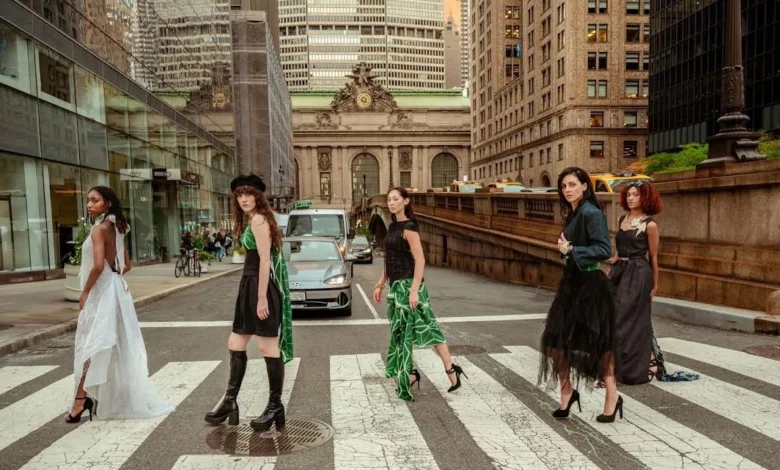
In an era increasingly defined by environmental consciousness, Australian designer Kelli Donovan stands as a beacon of sustainable fashion, meticulously crafting timeless garments while advocating for a profound shift in industry practices. Her journey, deeply rooted in the pristine landscapes of Australia and inspired by a legacy of artisanal craftsmanship, exemplifies a commitment to ethical production and a proactive stance against fashion waste. Through her eponymous brand, Donovan has not only carved a niche for high-quality, sustainable designs but also ignited crucial conversations about the environmental and social ramifications of global textile production. This article delves into Donovan’s unique philosophy, her career trajectory, the influences that shaped her vision, and the broader implications of her pioneering work in the sustainable fashion movement.
A Childhood Forged in the Australian Bush Capital
Kelli Donovan’s profound connection to the natural world, a cornerstone of her design philosophy, originates from her formative years spent in Canberra, often referred to as Australia’s "bush capital." Far from the urban sprawl, Canberra offered a childhood immersed in breathtaking mountains, expansive bush landscapes, and ubiquitous walking trails. This environment fostered a deep appreciation for the outdoors and an active lifestyle, embedding in Donovan an aesthetic sensibility inextricably linked to the Australian landscape and its vibrant culture. Her family, a creative and artistic cohort, further nurtured this perspective, encouraging her to perceive beauty in her surroundings, particularly in nature’s intricate details. This early immersion laid the groundwork for a career dedicated to preserving the very environment that inspired her. The stark contrast between the natural beauty she cherished and the burgeoning unsustainability she observed within the fashion industry later became a powerful catalyst for her professional trajectory.
The Alarming Reality of Fashion’s Environmental Footprint
Donovan’s concern for the environment intensified as she witnessed the egregious waste and unsustainable practices endemic to the global fashion industry. The rapid proliferation of "fast fashion," characterized by fleeting trends, cheap materials, and rapid production cycles, has exacerbated environmental degradation on an unprecedented scale. According to reports from the Ellen MacArthur Foundation, the fashion industry is responsible for 10% of global carbon emissions, more than all international flights and maritime shipping combined. Furthermore, textile production consumes vast amounts of water, with an estimated 2,700 liters needed to produce a single cotton T-shirt. The prevalence of synthetic fibers, such as polyester, contributes significantly to microplastic pollution, shedding tiny plastic particles into waterways with every wash, ultimately contaminating oceans and entering the food chain. Annually, an estimated 92 million tons of textile waste are generated globally, with a significant portion ending up in landfills, where non-biodegradable materials can persist for hundreds of years, releasing harmful chemicals into the soil and atmosphere. This alarming data underscores the critical imperative for designers like Donovan to champion alternative, sustainable models. Her early recognition of these destructive processes, long before environmental concerns became mainstream, positioned her as a prescient voice in the industry.
Building an Ethical Empire: A Commitment to Longevity and Purpose
Driven by her ethical convictions and a desire to counteract the destructive tendencies of mainstream fashion, Kelli Donovan embarked on the journey of establishing her own brand. Her vision was clear: to create timeless and chic designs using high-quality, sustainable materials, underpinned by an ethical approach to every stage of production. This commitment was a direct challenge to the disposable culture fostered by fast fashion. Instead of chasing fleeting trends, Donovan focused on crafting pieces designed for longevity, encouraging consumers to invest in garments that would withstand the test of time, both stylistically and structurally.
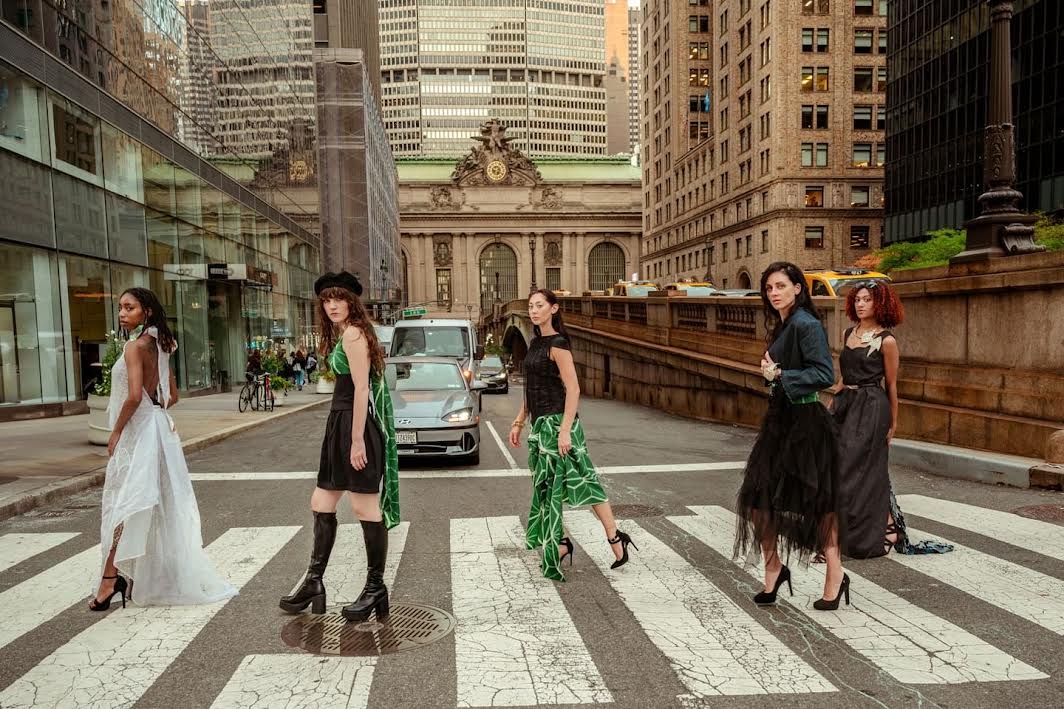
Her brand’s philosophy extends beyond material selection to encompass the entire supply chain. While the specifics of her brand’s inception are not detailed in the interview, her "30 years of experience" in the industry suggests a deep understanding of manufacturing processes and the challenges of implementing ethical standards. This includes ensuring fair labor practices, minimizing waste during production, and often opting for local or transparent supply chains that reduce carbon footprint and support responsible manufacturing. Donovan’s commitment to quality over quantity became a cornerstone, reflecting a conscious effort to imbue each garment with value and purpose, a stark contrast to the mass-produced, often exploitative models prevalent in the industry.
The Enduring Legacy of Nan: A Tailor’s Influence
The bedrock of Kelli Donovan’s meticulous approach to design and material selection traces back to the profound influence of her grandmother, Annie Muir. A Scottish tailor from Glasgow, Muir instilled in Donovan a deep respect for craftsmanship and the intrinsic value of quality. Though Muir passed away when Donovan was just 11, her grandmother’s teachings left an indelible mark. Donovan vividly recalls Muir imparting the wisdom that "Every stitch was meaningful and was created with purpose," and the poignant adage, "There is no point wasting her time and skills on a piece of cheap cloth and making something beautiful." This philosophy dictated that Muir would "only use the best textiles to create her tailored pieces."
This generational wisdom became a guiding principle for Donovan. Her grandmother’s insistence on superior materials and purposeful creation directly translates into Donovan’s brand ethos, where investment in high-quality, sustainable textiles is paramount. It’s a rejection of planned obsolescence and an embrace of garments that tell a story of enduring quality and thoughtful construction. Donovan’s belief that her "Nan is here sharing my journey and guiding me" underscores the deep personal connection between her family heritage and her professional mission, transforming her brand into a living tribute to traditional craftsmanship and ethical values.
"Sleeping Beauties" and the Statement on Oversupply
One of Donovan’s notable collections, "Sleeping Beauties," provides a powerful commentary on the issue of overproduction and waste within the fashion industry. The collection’s name, coincidentally shared with a 2024 Met Museum costume exhibit, derived purely from an environmental perspective. Donovan clarified that her inspiration was to "make a statement about clothing production and oversupply." The fashion industry is notorious for producing far more garments than are sold, leading to vast quantities of unsold inventory, often referred to as "deadstock," which frequently ends up in landfills or is incinerated. This practice represents a significant waste of resources, labor, and creative energy.
Donovan’s "Sleeping Beauties" collection serves as a quiet yet potent critique of this system. It implies that these garments, perhaps made with care but trapped in an unsustainable cycle of overproduction, are like sleeping beauties awaiting a more thoughtful future. The collection, through its design and narrative, encourages viewers and consumers to consider the true cost of overconsumption and the potential for a fashion landscape where every piece is valued and utilized. It advocates for a shift from a linear "take-make-dispose" model to a more circular approach where resources are conserved and garments are given extended lifespans.
The Manta Ray Collection: A Call for Ocean Conservation
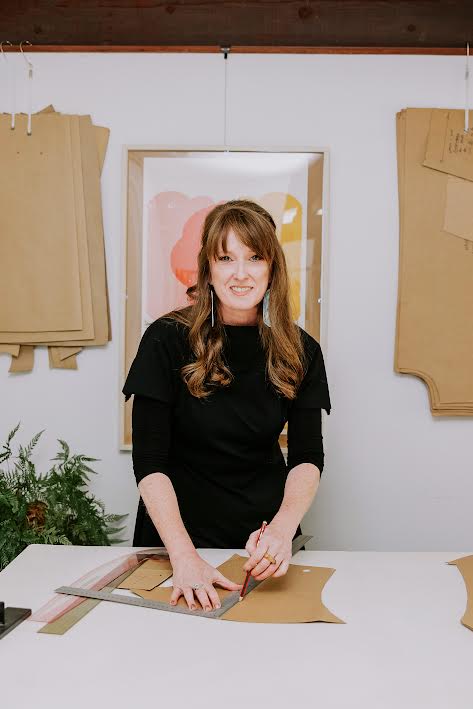
Kelli Donovan’s commitment to specific environmental causes is vividly exemplified in her "Manta Ray Collection," which drew inspiration from ocean conservation efforts and the urgent need to reduce textile and plastic waste polluting marine ecosystems. The majestic Giant Manta Ray, found in Australian oceans and globally, serves as a powerful symbol for this collection. Donovan chose this creature precisely because it "does not harm its environment or people," feeding purely on plankton and moving through the oceans with "gigantic fins and gentle composure." This innate harmony with nature stands in stark contrast to humanity’s destructive impact on marine life.
The collection directly addresses the catastrophic effects of "ultra fast fashion" on ocean pollution. The mass production of cheap clothing, particularly those made from synthetic fabrics like polyester, nylon, and acrylic, leads to significant microplastic shedding during washing cycles. These microfibers, too small to be filtered by wastewater treatment plants, ultimately make their way into rivers and oceans, where they are ingested by marine life, entering the food chain and posing a threat to biodiversity and human health. Furthermore, textile waste from landfills often leaches dyes and chemicals into waterways, contributing to water contamination. The Manta Ray Collection, therefore, functions as both an artistic expression and an educational tool, designed to raise awareness about these critical issues and empower consumers to make more informed and responsible clothing purchases. It underscores the interconnectedness of our consumption habits and the health of the planet’s most vital ecosystems.
Navigating the Sustainable Fashion Landscape: Advice for Emerging Designers
With three decades of experience navigating the complexities of the fashion industry, Kelli Donovan offers invaluable advice to aspiring designers looking to enter the sustainable fashion space. Her counsel emphasizes creativity, experimentation, and the cultivation of a unique identity rather than slavish adherence to trends. She encourages young designers to "give it their best shot and be as creative and inventive as they can in the early years," asserting that "the more they learn to experiment with design, textiles and waste their design aesthetic will be stronger." Crucially, she advises them to "try not to follow trends but find their unique super power."
This guidance is particularly pertinent in an industry that is rapidly evolving under increasing pressure to adopt sustainable practices. The sustainable fashion market is projected to grow significantly, indicating a shift in consumer demand and investment. However, integrating sustainability effectively requires more than just using eco-friendly materials; it demands innovative design approaches, circularity thinking, and a deep understanding of supply chain ethics. Donovan’s advice encourages designers to become innovators and problem-solvers, to challenge conventional production methods, and to explore solutions like zero-waste design, upcycling, and designing for modularity and repair. Her emphasis on finding a "unique super power" is a call to develop a distinctive voice and vision that can genuinely contribute to a more responsible and resilient fashion future, rather than simply mimicking existing eco-friendly styles.
The Broader Implications: A Paradigm Shift in Fashion
Kelli Donovan’s career transcends the creation of beautiful garments; it embodies a paradigm shift in how the fashion industry can and should operate. Her work serves as a powerful inspiration for both consumers and emerging designers, highlighting the profound impact of individual choices on the environment and society. For consumers, her brand champions the principle of conscious consumption, urging them to consider the provenance, production methods, and longevity of their clothing purchases. This involves shifting away from impulsive, trend-driven buying towards investing in durable, ethically produced pieces that align with their values.
For young designers and labels, Donovan’s approach offers a pioneering roadmap. She demonstrates the viability and necessity of integrating zero-waste design principles, utilizing sustainable materials, and designing for inherent longevity from the outset. Her advocacy for creativity within these constraints proves that ethical fashion does not compromise aesthetic appeal but rather elevates it with purpose and integrity. The broader implications of her work resonate across the industry: it exerts pressure on established brands to re-evaluate their supply chains and environmental impact, it fosters innovation in material science and production technologies, and it contributes to the growing momentum for a circular economy in fashion. As global awareness of climate change and social justice intensifies, the principles championed by Kelli Donovan are becoming not just desirable, but imperative for the future of fashion. Her journey underscores that the industry’s future lies in the hands of those who, like her, dare to imagine and create a more responsible, respectful, and sustainable world, one stitch at a time.