Vodka Emerges as Unexpected Ally in Sustainable Home Cleaning, Offering Chemical-Free Solutions for Everyday Grime

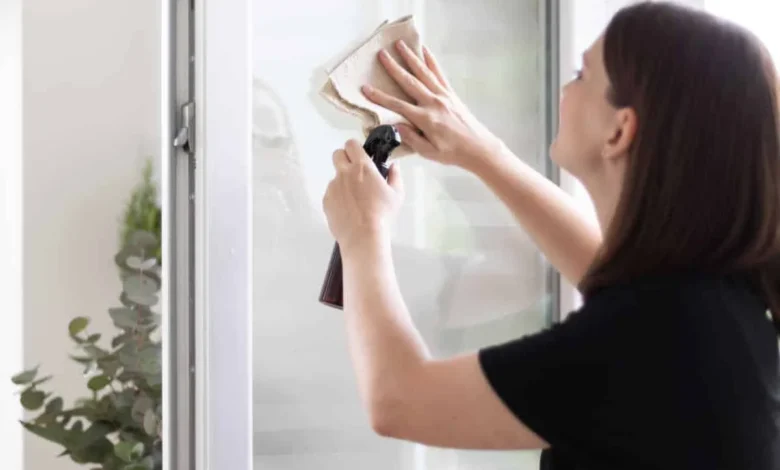
Once primarily associated with cocktails and social gatherings, vodka is increasingly being recognized for its surprising efficacy as a household cleaning agent. Leveraging its significant alcohol content, this distilled spirit offers a compelling, chemical-free alternative for a range of domestic tasks, from cutting through grease and neutralizing odors to achieving streak-free glass surfaces. This shift reflects a broader consumer trend towards natural, sustainable cleaning practices and a growing awareness of the potential health and environmental impacts of conventional chemical-laden products.
The embrace of vodka in the cleaning arsenal is not merely a quirky household hack but a testament to its inherent properties. Its alcohol, typically ethanol, acts as a powerful solvent and degreaser, capable of breaking down stubborn residues without leaving behind the harsh chemical fumes or sticky films associated with many commercial cleaners. This attribute makes it particularly appealing to those seeking to minimize their exposure to synthetic compounds and reduce their environmental footprint.
The Rise of Green Cleaning: A Shifting Paradigm
The past decade has witnessed a significant surge in demand for "green" or "natural" cleaning products. This movement is driven by several factors, including heightened environmental consciousness, concerns over indoor air quality, and increasing awareness of the potential health risks posed by Volatile Organic Compounds (VOCs), allergens, and endocrine disruptors found in traditional cleaning formulations. Consumers are actively seeking alternatives that are effective yet gentle on both human health and the planet.
Historically, household cleaning often relied on natural substances like vinegar, baking soda, and lemon juice. The re-discovery of vodka’s cleaning utility aligns perfectly with this return to simpler, multi-purpose ingredients. It offers a practical solution for individuals aiming to reduce plastic waste from numerous specialized cleaning bottles and streamline their cleaning supplies with versatile, readily available components. This trend is further supported by a growing body of research highlighting the adverse effects of prolonged exposure to certain cleaning chemicals, prompting households to seek safer alternatives for everyday use.
The Science Behind Vodka’s Cleaning Prowess
At the heart of vodka’s effectiveness as a cleaner is its high ethanol content, typically around 40% (80 proof). Ethanol is a highly effective solvent, meaning it can dissolve a wide range of substances that are insoluble in water. This includes fats, oils, and greases, which are common culprits behind household grime. When applied to surfaces, the alcohol rapidly breaks down these organic compounds, allowing them to be easily wiped away.
Beyond its solvent capabilities, ethanol possesses several other beneficial properties for cleaning:
- Rapid Evaporation: Alcohol evaporates much faster than water, which is crucial for achieving streak-free finishes on glass and mirrors. This quick drying time also prevents the accumulation of moisture that can foster mold or mildew growth.
- Odor Neutralization: Ethanol can denature the proteins in odor-causing bacteria, effectively neutralizing unpleasant smells. While it doesn’t sterilize, it significantly reduces the microbial load responsible for many common household odors.
- Mildly Antimicrobial: While not a disinfectant in the clinical sense, vodka’s alcohol content does exhibit some antiseptic properties. It can kill certain types of bacteria and fungi on contact, contributing to a cleaner environment, especially on surfaces that don’t require medical-grade sterilization.
It is critical to distinguish vodka’s cleaning power from true disinfection. For surfaces requiring rigorous sanitization (e.g., after food preparation with raw meat, or in healthcare settings), products containing at least 60-70% alcohol (like rubbing alcohol or specific disinfectants) are necessary to effectively eliminate a broad spectrum of pathogens. Standard vodka, at 40% alcohol, falls short of this threshold, making it suitable for general cleaning and deodorizing rather than deep sanitization.
Practical Applications: Unleashing Vodka’s Versatility
The versatility of vodka in household cleaning extends to numerous areas, offering a sustainable alternative to specialized products.
1. Eliminating Fabric Odors:
One of the most celebrated uses for vodka is as a fabric refresher. Its ability to neutralize odors without leaving a scent of its own makes it invaluable for clothing, upholstery, and carpets. The alcohol targets odor-causing bacteria, temporarily deactivating them, and then evaporates, taking the offensive smells with it. This technique has long been employed by costume departments in theatre and ballet, where delicate and frequently used garments cannot be laundered daily.
- Method: Fill a spray bottle with plain vodka. Turn the garment inside out and mist it lightly, ensuring even coverage. Allow it to air dry completely. For carpets or upholstery, test a small, inconspicuous area first to ensure no discoloration.
- Enhancement: A few drops of essential oil (e.g., lavender, tea tree) can be added for a subtle scent boost, but always patch test on an unseen area to prevent staining.
2. Achieving Streak-Free Windows and Mirrors:
The rapid evaporation of vodka makes it an excellent component for glass cleaning, leaving surfaces sparkling without streaks or residue.
- Homemade Solution: A popular recipe involves combining vodka with other natural agents:
- 1/2 cup vodka (40% alcohol)
- 1/2 cup white vinegar (for cutting grease and mineral deposits)
- 1 cup distilled water (to dilute and prevent water spots)
- 1 tablespoon cornflour (acts as a mild abrasive to buff away stubborn marks)
- 5-10 drops lemon essential oil (for additional degreasing and a fresh scent)
- Application: Mix ingredients thoroughly in a spray bottle. Spray directly onto glass or mirror surfaces. Wipe clean with a microfiber cloth or crumpled newspaper for best results.
- Caution: Avoid using this solution on car windows, as the acidity of vinegar and lemon oil could potentially damage automotive paintwork or tinting over time.
3. Daily Shower Maintenance:
Soap scum and hard water deposits are persistent challenges in bathrooms. A vodka-based shower spray can significantly reduce their buildup, keeping glass screens and tiles cleaner between deep cleans.
- Recipe: Combine 150 ml cooled boiled water with 75 ml vodka and approximately 8 drops of mint essential oil in a spray bottle.
- Usage: After each shower, shake the bottle and lightly mist the glass screen and tiled surfaces. The vodka helps break down mineral deposits and soap residue, while the mint oil provides a refreshing aroma. Regular application is key to preventing stubborn buildup.
4. Removing Stubborn Sticky Labels and Residues:
Adhesive residues from labels, stickers, or tape can be notoriously difficult to remove. Vodka’s alcohol content acts as a solvent, breaking down the chemical bonds in many adhesives.

- Technique: Soak a cloth or cotton pad in vodka and apply it directly to the sticky area. Hold it in place for a minute or two to allow the alcohol to penetrate the adhesive, then gently rub or peel away the residue. Repeat if necessary. This method is particularly effective on glass, ceramics, and some plastics, but always patch test on delicate or painted surfaces.
Limitations and Essential Safety Considerations
While vodka is a powerful and versatile cleaning agent, its application is not universal. Certain surfaces and situations warrant caution or complete avoidance to prevent damage or ensure proper hygiene.
1. Not a Disinfectant for Critical Areas:
As previously noted, standard 40% ABV vodka is insufficient for thorough disinfection. It will kill some bacteria but cannot reliably eliminate viruses or a broad spectrum of pathogens. For high-touch surfaces in kitchens (e.g., cutting boards after handling raw meat) or bathrooms where germ elimination is paramount, a dedicated disinfectant with appropriate alcohol concentration (60-70% isopropyl alcohol or specialized disinfectants) should be used.
2. Surfaces to Avoid:
- Unsealed Wood: Alcohol can strip natural oils, leading to drying, cracking, discoloration, or warping of unsealed wood furniture, floors, or surfaces.
- Painted or Lacquered Finishes: The solvent properties of vodka can dull, strip, or even dissolve the finish on painted or lacquered items, leading to permanent damage. This includes certain types of furniture, artwork, and even some wall paints.
- Electronics with Coated Screens: Modern electronic screens (TVs, laptops, smartphones, tablets) often feature anti-glare or oleophobic (oil-repelling) coatings. Alcohol can degrade these delicate layers, reducing screen clarity and effectiveness. Use specialized electronic cleaners or a damp microfiber cloth for these devices.
- Delicate Fabrics: While safe for many textiles, vodka should be used cautiously on very delicate materials like silk, rayon, acetate, or certain types of leather and suede. Alcohol can dry out leather, leading to cracking, and may damage the fibers of sensitive fabrics. Always perform a patch test on an inconspicuous area first.
3. General Safety Pointers:
- Ventilation: Ensure adequate ventilation when cleaning with vodka, especially in enclosed spaces, to prevent the buildup of alcohol fumes.
- Flammability: Alcohol is flammable. Keep vodka and vodka-based cleaning solutions away from open flames, high heat, and electrical sparks.
- Storage: Store cleaning vodka clearly labeled and out of reach of children and pets to prevent accidental ingestion.
- Patch Testing: Always conduct a small patch test on an inconspicuous area of any surface or fabric before full application, especially if you are unsure about its compatibility with alcohol.
- Undiluted Use: While some applications might use neat vodka, diluting it for general cleaning can be equally effective and more economical.
Choosing the Right Vodka for Cleaning
When selecting vodka for cleaning purposes, the adage "less is more" applies to cost and complexity. There is no need to purchase premium, expensive brands.
- Cheapest Unflavored Vodka: The most economical, store-brand, unflavored vodka with an alcohol content of at least 40% (80 proof) is ideal. The objective is the ethanol content, not the nuanced flavor profile or distillation process.
- Avoid Flavored Spirits: Crucially, avoid flavored vodkas or other spirits like gin, whiskey, or rum. These contain additional sugars, botanicals, congeners (by-products of fermentation and aging), or artificial flavorings that can leave behind sticky residues, attract pests, or even stain surfaces. The purity of unflavored ethanol and water is essential for a residue-free clean.
Broader Implications and Expert Perspectives
The growing adoption of vodka and other natural ingredients in cleaning routines carries significant implications across environmental, health, and economic spheres.
Environmental Impact: By opting for vodka and other natural solutions, households contribute to a reduction in chemical runoff entering wastewater systems, lessening the burden on ecosystems. Furthermore, using fewer specialized cleaning products translates to less plastic packaging waste and potentially a lower carbon footprint associated with manufacturing and transporting complex chemical formulations. Environmental chemists emphasize that while the immediate impact of one household choosing vodka might seem small, collective action can lead to substantial positive changes in chemical exposure at a societal level.
Health Benefits: Reducing reliance on conventional cleaners means less exposure to potential respiratory irritants, skin allergens, and hormone-disrupting chemicals. This is particularly beneficial for individuals with allergies, asthma, or chemical sensitivities, and for households with young children or pets who are more susceptible to chemical exposures. Public health advocates often recommend minimizing chemical use indoors to improve indoor air quality and overall well-being.
Economic Advantages: From an economic standpoint, purchasing a single bottle of inexpensive vodka can replace multiple specialized cleaning products, leading to considerable cost savings over time. This makes sustainable cleaning accessible to a wider demographic, proving that eco-friendly choices do not necessarily entail a premium price.
Market Trends: Cleaning industry analysts note that the trend towards natural alternatives is not a fleeting fad but a fundamental shift in consumer values. Manufacturers are responding by developing more "green" product lines, but the appeal of simple, DIY solutions like vodka remains strong due to their transparency and perceived safety.
Conclusion
Vodka, the clear spirit, has transcended its traditional role to become a valuable, sustainable, and effective tool in the modern home cleaning arsenal. Its potent alcohol content provides a chemical-free pathway to tackle common household grime, eliminate odors, and achieve sparkling surfaces, aligning perfectly with the escalating demand for natural and environmentally conscious living. While it holds distinct advantages as a degreaser and deodorizer, it is crucial to understand its limitations, particularly regarding its capacity for disinfection and its suitability for delicate surfaces. By recognizing its strengths and adhering to best practices, households can thoughtfully integrate this unconventional cleaner, contributing to a healthier home and a more sustainable future.