The Evolution of Antique Jewelry Collecting: A Deep Dive into the Curated World of Cyndi of TheFabNab

The modern landscape of antique jewelry collecting has undergone a seismic shift, moving from the quiet, dust-laden aisles of local estate sales to a vibrant, digital-first community where history, personal narrative, and aesthetic curation intersect. At the forefront of this evolution is Cyndi, the proprietor of the Instagram-based curation brand @TheFabNab. Her journey—which spans over a decade—serves as a case study for the contemporary collector: one who balances historical preservation with modern, wearable design.
A Decade of Evolution: From Beads to Antiquities
Cyndi’s immersion into the world of precious metals and historical artifacts began approximately 13 years ago. Initially, her creative outlet involved the assembly of semi-precious beadwork—a popular pastime during the early 2010s. However, the allure of lasting craftsmanship eventually diverted her focus toward fine jewelry and antique components.

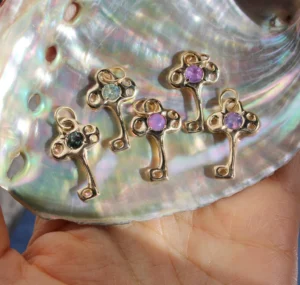
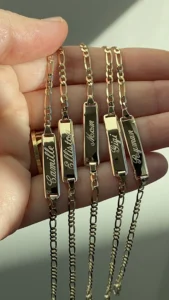
The transition from hobbyist to serious collector was marked by a strategic focus on antique stick pins. These items, once prolific in the Victorian and Edwardian eras, provided an accessible entry point into the market. By acquiring these pieces at lower price points and commissioning expert jewelers to convert them into functional items like rings or modern charms, Cyndi began to develop a distinct design philosophy. This practice of repurposing historical components has since evolved into a professional venture, most notably her "Lucky Numbers + Talismans" collection, which utilizes Edwardian and Art Deco motifs to create personalized jewelry.
The Aesthetics of Memory: Design Preferences and Historical Context
The core of the current antique jewelry market is driven by specific aesthetic trends, often rooted in historical revivals. Cyndi’s collection is characterized by a preference for celestial motifs, specifically antique stars set with old mine-cut diamonds. This choice reflects a broader trend in the market: the increased valuation of "old mine" and "European" cut diamonds, which offer a unique, asymmetrical glimmer that modern, machine-cut stones lack.
Furthermore, her affinity for the Egyptian Revival movement—a decorative arts trend that surged in the 1920s following the discovery of King Tutankhamun’s tomb—highlights a sophisticated understanding of historical eras. The inclusion of winged scarabs and gold snake motifs in her collection is not merely aesthetic; it mirrors the 19th and 20th-century fascination with archaeological discovery and the symbolic protection afforded by talismans.

The Rise of the Talismanic Jewelry Movement
Beyond the material value of gold and gemstones, the contemporary jewelry market has seen a marked rise in the importance of "talismanic" pieces. For the modern collector, jewelry serves as a psychological anchor. Cyndi’s assertion that pieces become "layers of love that protect and shield" resonates with a growing demographic of consumers who view jewelry as an empowering tool.
This trend is backed by a shift in consumer behavior. According to recent luxury retail analyses, there has been a 15% year-over-year increase in the acquisition of heirloom-style pieces by individuals under the age of 40. This demographic is less interested in mass-produced luxury and more concerned with "story-telling" jewelry—pieces that commemorate personal milestones, such as professional victories or significant life changes. The ability to wear a symbol of one’s own resilience, such as the Victorian-inspired "ruby spike" that Cyndi highlights as a staple of her collection, represents this intersection of personal identity and historical fashion.
Building the Network: The Role of Digital Communities
The transformation of the antique jewelry market is largely attributable to the rise of social media platforms like Instagram. These platforms have effectively democratized access to trade secrets and international markets. Cyndi’s trajectory demonstrates how digital connectivity has bridged the gap between local collectors and global trade hubs.

The chronology of her networking is illustrative of this shift:
- Initial Phase: Reliance on localized sources such as eBay and domestic antique shops.
- Expansion Phase: Exploration of international markets, specifically the Paris Flea Markets and London’s Portobello Road.
- Community Phase: The formation of industry relationships, including mentorships with established dealers such as Ishy Antiques and collaborative efforts with peers like Lindsey of Park Avenue Antiques and Laurie Geller.
These connections have culminated in a robust ecosystem of trade shows, including the Hillsborough and Las Vegas shows, which serve as the physical manifestations of digital relationships. For collectors, these shows are not just marketplaces; they are forums for the exchange of knowledge regarding provenance, authenticity, and the ethical sourcing of antique components.
Market Implications and Economic Outlook
The increasing rarity of high-quality antique jewelry—specifically authentic Victorian and Art Deco pieces—has created a supply-demand imbalance. As "hens’ teeth" items (a colloquial term for exceptionally rare finds) become increasingly inaccessible due to both scarcity and rising costs, the role of the modern designer-curator becomes vital. By "re-dreaming" existing components into new, wearable forms, collectors like Cyndi are effectively extending the lifespan of historical materials.

This "circular economy" in the jewelry sector is gaining momentum. Industry reports suggest that the sustainable jewelry market is projected to grow significantly as consumers become more conscious of the environmental impact of mining new gemstones. Antique and repurposed jewelry, which requires no new extraction, occupies a high-growth niche within this broader sustainability trend.
Analysis: Why Curation Matters
The success of brands like TheFabNab suggests that the modern collector is looking for "selective curation" rather than mass availability. In an era of infinite digital choice, the value of a collection is defined by the eye of the curator. The consistency in Cyndi’s aesthetic—the "edgy toughness" of her pieces, the deliberate use of rubies, and the focus on historical symbols—allows her to build a recognizable brand identity that transcends individual sales.
For the aspiring collector, the lessons provided by this narrative are clear:

- Start with the accessible: Utilize under-appreciated components, such as antique stick pins, to build a foundational collection.
- Prioritize relationships: The jewelry trade is inherently relational. Engaging with reputable dealers and participating in professional trade shows is essential for growth.
- Define the narrative: Successful collections are those that have a clear, personal, and historical through-line.
Conclusion: The Future of the Antique Trade
As the industry looks forward, the intersection of historical integrity and modern utility remains the most compelling narrative. Cyndi’s work exemplifies the transition of the antique jewelry collector from a passive observer to an active contributor to the history of the objects they possess. By reinventing the "old ceremony" for a contemporary audience, she ensures that these pieces—and the stories they represent—remain relevant in a rapidly changing world.
The evolution of TheFabNab from a hobbyist project to a prominent name in the antique jewelry space reflects a broader societal movement toward intentional consumption. Whether through the acquisition of a rare Victorian ruby spike or the commissioning of a custom talisman, the modern collector is proving that the most valuable jewelry is that which functions as both a reflection of the past and a shield for the future. As the market continues to mature, the emphasis will undoubtedly remain on those who can honor the past while fearlessly adapting it for the present.