The Unscripted Rise: How Brand Founders Are Mastering Short-Form Video to Drive Engagement and Growth in the Digital Age


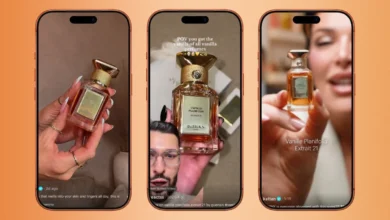
The shift in modern marketing is undeniable: brand founders, once primarily focused on product development and business strategy, are increasingly stepping into the spotlight as the authentic faces of their companies, leveraging short-form video to connect directly with consumers. This phenomenon, while rooted in the long-standing appeal of founder-led brands, has been dramatically amplified by the pervasive nature of social media and the burgeoning creator economy. Katina Mountanos, founder and CEO of the artisanal olive oil brand Kostarina, epitomizes this evolution. Initially averse to the idea of being an "influencer," Mountanos found herself propelled into the world of on-camera presentations and quick-cut videos as her team observed an irrefutable trend: her personal, educational content consistently outperformed traditional marketing efforts.
Mountanos’ journey began not out of a desire for personal fame, but from a strategic need to educate consumers about her product. "I’d explain, ‘This is what to look for when you’re shopping for olive oil in the grocery store. This is how to tell if your olive oil is real or fake,’" she recounts. What started as factual, informative segments quickly became the brand’s most potent marketing tool. Her team’s consistent feedback – "’This post of you performed the best out of all the posts this month. We need more of those.’" – served as a clear directive from the data, gradually pushing her into a new, unexpected role. This organic emergence of a founder as a central content creator highlights a broader transformation in how businesses, particularly small and medium-sized ones (SMBs), are approaching digital engagement.
The Historical Arc of Founder-Led Brands in a Digital Era
The concept of a founder as the public face of a company is not novel. Iconic figures like Colonel Sanders, who became synonymous with KFC, or Dave Thomas of Wendy’s, demonstrated the enduring power of a personal connection between a brand and its visionary leader long before the advent of social media. These pioneers leveraged traditional advertising mediums – print, radio, and television – to imbue their brands with a sense of authenticity, trust, and a relatable backstory. Their personas were carefully crafted, often larger than life, and served to humanize corporate entities, fostering loyalty and recognition.
However, the current digital landscape presents both unprecedented opportunities and unique pressures. The rise of platforms like TikTok, Instagram Reels, and YouTube Shorts has democratized content creation, making short-form video the dominant mode of online communication. This shift has not only lowered the barrier to entry for brands but has also fundamentally altered consumer expectations. Today’s audiences crave authenticity, transparency, and direct engagement. They seek to understand the "why" behind a brand, the passion of its creators, and the values it embodies. This desire for genuine connection has placed founders, with their inherent knowledge and passion, at a distinct advantage.
Moreover, the influence of the broader "creator culture" has permeated all levels of commerce. Consumers are accustomed to receiving product recommendations and insights from individuals rather than faceless corporations. This cultural conditioning extends to purchasing decisions, where a founder’s direct endorsement and explanation can carry significantly more weight than a generic advertisement. Retailers, too, have taken note. When evaluating brands for wholesale partnerships, a strong founder-led social presence is increasingly becoming an unofficial, yet critical, requirement. This digital footprint signals not just marketing prowess but also the potential to drive in-store traffic and cultivate a loyal customer base, making a founder’s online charisma a tangible asset in securing distribution deals.
Data-Driven Imperatives: The Business Case for Founder-Creators
The anecdotal success stories are strongly supported by concrete data, underscoring the strategic imperative for founders to embrace a creator identity. A comprehensive survey by digital marketing platform Constant Contact, involving over 5,000 participants, revealed a striking trend: nearly three out of four small business owners (approximately 75%) are actively adopting a "creator" identity. This signifies a fundamental shift in how SMBs perceive their marketing responsibilities and personal roles within their organizations. Furthermore, the survey highlighted the hands-on nature of this engagement, with nearly half of these founders (47%) personally managing their company’s social media presence. This direct involvement ensures that the brand’s voice remains authentic and aligned with its core values, bypassing layers of marketing agencies or external influencers that might dilute the message.
The return on investment (ROI) for short-form video further solidifies its position as a cornerstone of modern digital marketing. HubSpot’s 2026 State of Marketing Report, a key industry benchmark, found that almost half of brand marketers identified short-form video as having the highest ROI among all visual content formats. This statistic is particularly compelling for founders, who often operate with leaner marketing budgets and need to maximize the impact of every dollar spent. Short-form video’s ability to quickly capture attention, convey complex information concisely, and foster emotional connections makes it an unparalleled tool for brand awareness, customer acquisition, and community building.
Beyond these statistics, the broader economic context also plays a role. The creator economy, valued at hundreds of billions of dollars globally, has cultivated a generation of consumers who trust recommendations from individuals over traditional advertising. A founder, by definition, possesses an unparalleled depth of knowledge and passion for their product, making them inherently credible. This innate authority, when translated into compelling short-form video content, builds a level of trust that is difficult for even the most sophisticated marketing campaigns to replicate. The cost-effectiveness of producing authentic, founder-led content, often with minimal equipment, also makes it an attractive proposition for startups and growing businesses.
Navigating the Dual Role: Challenges and Strategic Approaches
While the benefits are clear, stepping into the creator role presents a unique set of challenges for founders. The most immediate hurdle is time management. Founders are already juggling myriad responsibilities, from product development and financial oversight to team management and strategic planning. Carving out dedicated time for content creation – which includes brainstorming, scripting, shooting, and editing – can feel like an impossible addition to an already packed schedule. This often necessitates a rigorous approach to calendar management, with some founders scheduling "meeting-free" and "camera-ready" blocks to ensure consistency.
Beyond the logistical demands, there’s also the psychological leap. Not all founders are naturally comfortable in front of a camera or adept at the performative aspects of social media. The expectation to provide "behind-the-scenes peeks" or share personal anecdotes can push individuals outside their comfort zones, demanding a new level of vulnerability and public persona management.
Mountanos, for instance, emphasizes the critical importance of maintaining brand integrity amidst the pursuit of virality. While acknowledging that controversial topics can significantly boost views – her take on U.S. olives cured in lye was a top performer – she remains wary of fear-mongering or pandering. Her strategy focuses on leveraging her background as an olive oil sommelier and expert on the Mediterranean diet, ensuring her content is educational and authoritative. "The Mediterranean diet has been voted the best diet for health year after year, so it’s not viral, and it’s not controversial," she states, highlighting her commitment to "staying true to our roots" rather than chasing fleeting trends. This discerning approach ensures that engagement translates into meaningful connections with her target audience, built on trust and expertise, rather than sensationalism.
Case Studies in Authentic Engagement: Seniq and Nick Stenson Beauty
The intricacies of balancing authenticity with algorithmic demands are further illustrated by other founder-led brands. Madison Hilson and Valentina Thompson, co-founders of Seniq, a women’s outdoor apparel brand, have been meticulously crafting their brand’s narrative since its 2024 launch. Their initial content focused on the raw, behind-the-scenes reality of startup life. However, as Seniq has scaled, securing wholesale accounts with major retailers like Dick’s Sporting Goods, their content strategy has had to evolve to serve a dual audience. Direct-to-consumer (D2C) customers crave the personal connection and behind-the-scenes glimpses, while wholesale partners often require more polished, product-focused campaign imagery.
"Now, we make sure to show our faces when we’re having big brand moments," Hilson explains, highlighting the conscious effort to integrate personal presence into significant milestones. The Seniq team regularly reviews analytics, utilizing platforms like Triple Whale, to dissect which content formats, hooks, and formulas resonate most effectively and drive sales. Their best-performing videos often feature the founders trying on products and showcasing features, or celebrating major brand achievements, such as their launch in Backcountry stores. Thompson’s video from an REI location, for example, significantly outperformed other content, demonstrating the power of relatable, context-rich content. Despite the pressures, the founders prioritize staying true to their brand’s "outdoorsy-yet-fun" ethos, embracing "silly" content over overly polished, stiff productions, understanding that genuine personality fosters deeper connections. "It’s more important to show up as who you really are and what your brand is really about," Hilson asserts, "That is what matters more than having a polished Instagram."
Similarly, Nick Stenson, founder of Nick Stenson Beauty and a former Ulta executive, has undergone a significant transformation in his social media strategy. Initially, his focus was strictly on showcasing his brand’s products. However, guided by his team’s insistent data-driven feedback, he began to incorporate more elements of his personal life – parties, travels, even casual photos of his lunches. "I’m like, ‘Who cares? Nobody cares about this.’ But the reality is that they do," Stenson admits, recounting his frequent, yet ultimately fruitful, "battles" with his team over content choices. The personal content consistently performed better, proving that audiences yearn for a human connection beyond the product itself.
Stenson’s most profound foray into vulnerability came with his public sharing of his cancer diagnosis and recovery journey. What he initially considered keeping private, he ultimately decided to share, driven by a desire for transparency and the potential to connect with others. This decision proved transformative. The outpouring of support, the shared stories from other survivors, and the genuine empathy from his followers humanized his brand in an unprecedented way. "It put a very human side – a very real, raw, authentic side – to a guy that has this great brand and looks like he lives a glamorous life," he reflects. This experience underscored the immense power of vulnerability in forging deep, resilient connections with an audience, demonstrating that shared humanity transcends the commercial aspect of a brand.
Structuring for Success: Routines, Resources, and Reinvention
Effective content creation, especially for founders with demanding schedules, necessitates structured routines and adequate resources. Nick Stenson, now fully dedicated to Nick Stenson Beauty after leaving Ulta, emphasizes how this singular focus has allowed him to be more intentional about his content strategy. "What I realized really quickly was that, if I wanted to scale this brand to be a household name, I needed to be 100% invested in the brand," he states. This dedicated time enables him to critically assess strategies, refine audience targeting, and ensure content aligns with overarching business goals.
Stenson also highlights the importance of content repetition, a crucial insight for consistent engagement. He notes that not every follower sees every post, and what might feel like a repetitive topic to the creator can be fresh and new to a significant portion of the audience. In the beauty industry, this often translates to recurring "how-to" videos for product application or styling techniques, which serve as evergreen content for new and existing followers alike.
Mountanos adopts a similar disciplined approach, carving out specific blocks of time for content creation. Monday mornings are designated for shooting, requiring her to be camera-ready and free from other meetings. She also allocates half-days specifically for brainstorming and planning, recognizing that creative output cannot be squeezed into fragmented moments between operational tasks. "It’s very hard to transition from something like a finance meeting to saying, ‘OK, you have a half hour now, so be creative and make some content,’" she explains, advocating for "compartmentalizing into specific content days" for optimal efficiency and creativity.
As brands scale, the investment in dedicated resources becomes vital. Mountanos, for instance, now relies on a full-time employee and a part-time social media and video editor to manage her content pipeline. While such resources may be out of reach for nascent startups, their necessity underscores the growing complexity and time commitment required to maintain a robust social media presence. This team support allows founders to focus on their core expertise and on-camera performance, offloading the technical and logistical aspects of content production.
Managing Audience Expectations and Maintaining Boundaries
The success of founder-led content often cultivates a strong sense of connection between the creator and their audience, frequently leading to what is known as "parasocial relationships." Followers develop a perceived intimacy with the founder, feeling like they know them personally and, consequently, desiring more shared content, whether about their professional or personal lives. This presents a unique challenge for founders: how much to share, and where to draw the line.
Mountanos, while appreciative of her audience’s engagement, carefully manages these expectations. She enjoys interacting with followers in comments or DMs when they share health journeys or ask for travel tips related to Greece, aligning with her brand’s Mediterranean focus. However, she firmly resists the urge to venture beyond her established areas of expertise. Despite requests for cooking videos, for example, she opts to keep her content concentrated on Kostarina products, the broader olive oil category, and the health benefits of the Mediterranean diet. "I am not a chef. I make the most basic Mediterranean dishes, and that’s pretty much it," she states. Her team’s core "why" revolves around consumer health, and she ensures her content consistently reinforces this mission, avoiding dilution into unrelated topics.
Nick Stenson also acknowledges that the path to social media mastery is iterative and imperfect. He admits to times when he "gets it wrong," whether through a post that underperforms or content he feels could have been better executed. Yet, he has abandoned the pursuit of perfection, understanding that the digital landscape is constantly evolving. His focus is on continuous learning and adaptation, viewing each piece of content as an opportunity to refine his strategy and deepen his connection with his audience. "There’s no perfect formula on how to do this," he concludes. "That’s a good part about social media. You have so many opportunities to pivot and change and to really connect with your consumer in a different way." This agile mindset is crucial in a dynamic environment where algorithms shift, trends emerge, and audience preferences evolve rapidly.
Broader Implications and the Future of Brand Leadership
The unscripted rise of the founder-creator signifies a profound shift in brand building and marketing strategy, with far-reaching implications. For brand identity, it fosters a deeper sense of authenticity and trust. Consumers are increasingly discerning, and a founder’s genuine passion and expertise cut through the noise of traditional advertising, creating more loyal and engaged communities. This trend reshapes marketing budgets, potentially reducing reliance on costly traditional campaigns or external influencer collaborations, and redirecting resources towards in-house content creation and community management.
The role of the founder itself is evolving. Beyond being a CEO, product visionary, or financial strategist, the modern founder must increasingly embrace the role of Chief Storyteller and authentic brand ambassador. This requires developing new skill sets – public speaking, video production, community management, and a high degree of emotional intelligence to navigate public interaction and potential scrutiny. This expanded role, while demanding, offers unparalleled opportunities for direct market feedback, rapid iteration, and cultivating a powerful brand narrative that resonates deeply with contemporary audiences.
Looking ahead, the sustainability of this trend will depend on founders’ ability to maintain authenticity at scale, manage potential burnout, and continue innovating their content strategies. As more founders embrace this role, the challenge will be to stand out in an increasingly crowded digital space. However, the fundamental human desire for connection and transparency suggests that the founder-creator model is not merely a fleeting trend but a foundational shift in how brands build relationships and drive growth in the digital age. It represents a powerful fusion of entrepreneurial vision with the democratic power of social media, charting a new course for brand leadership.
Related posts: