Supreme Court blocks Tesco appeal in landmark multi-billion-pound equal pay battle

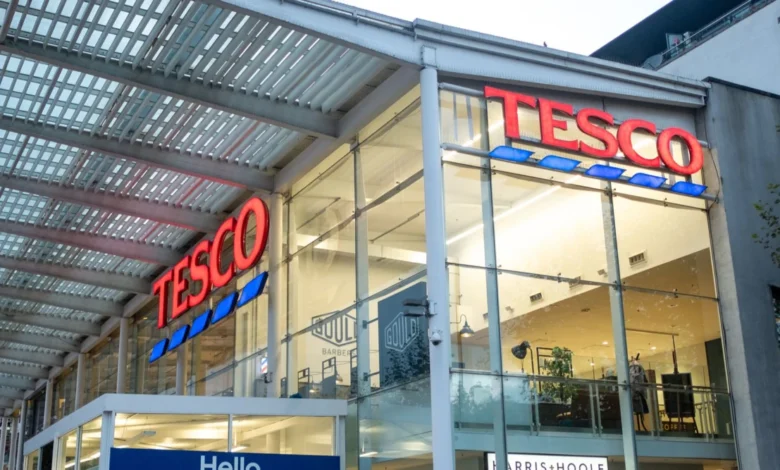
The Supreme Court has effectively cleared the path for one of the most significant equal pay legal challenges in British history, rejecting Tesco’s final attempt to appeal a critical procedural ruling. This decision marks a pivotal moment in a long-running dispute involving approximately 16,000 shop workers who claim they have been systematically underpaid compared to their counterparts in the supermarket giant’s distribution centers. With potential liabilities reaching £4 billion for Tesco alone, and an estimated £8 billion across the wider UK retail sector, the legal momentum now shifts toward a substantive trial that could redefine how large employers structure pay frameworks.
The dispute, spearheaded by law firms Harcus Parker and Leigh Day, centers on the allegation that predominantly female shop floor staff are being paid less than predominantly male distribution center staff, despite performing work of equal value. The pay gap cited by claimants can be as high as £5.50 per hour, a disparity that has fueled years of litigation and intense scrutiny of retail labor practices.
The Procedural Hurdle: Why the Supreme Court Decision Matters
At the heart of the recent Supreme Court ruling was a disagreement over how the Employment Tribunal should evaluate job roles. Tesco had vigorously contested a decision from May, which allowed the court to use the retailer’s own internal training materials as a primary determinant of what staff were actually required to do.
Tesco’s legal team argued that these training documents were not a reliable proxy for the complexity of day-to-day operations. They contended that the court should instead require each of the 16,000 individual claimants to prove the precise nature of their daily duties, a move that would have significantly slowed the litigation process and increased the evidentiary burden on the employees. By blocking this appeal, the Supreme Court has upheld the tribunal’s right to rely on standardized company documentation, effectively removing a major procedural barrier and accelerating the timeline for the case to reach a full hearing.
Chronology of a Multi-Year Legal Struggle
The origins of this litigation date back to 2018, when the initial claims were filed. The timeline of this dispute highlights the immense complexity involved in "equal value" cases:
- 2018: Legal firms Harcus Parker and Leigh Day initiate the collective action on behalf of Tesco shop workers.
- 2021-2022: Initial tribunal hearings establish the legal standing of the claimants and the basis for the comparison between store roles and warehouse roles.
- May 2024: The Employment Tribunal rules that internal training materials can be used as evidence to determine the requirements of the roles, a major win for the claimants.
- Late 2024: Tesco attempts to challenge this ruling through the appellate courts, seeking to force a more granular, individualized assessment of duties.
- Current Date: The Supreme Court rejects the appeal, confirming that the procedural ruling stands and the case will proceed to trial.
The Core Argument: Market Rates vs. Equal Value
The fundamental tension in this case lies in the definition of "work of equal value." Tesco maintains that the pay variance is entirely objective and non-discriminatory. According to a spokesperson for the retailer, the roles within stores and distribution centers are inherently different, requiring distinct skill sets and carrying different levels of operational demand. The company argues that the pay gap is a result of recruitment pressures, regional market rates, and the specific demands of supply chain logistics, which have "absolutely nothing to do with gender."
However, labor law experts suggest that this reliance on "market rate" arguments is increasingly vulnerable. Jo Mackie, an employment partner at the law firm Michelmores, suggests that Tesco’s strategy is fundamentally flawed because it ignores the legislative intent of the Equality Act 2010. "Tesco had to try to rely on a market rate argument that women shop workers were generally paid less than men for various reasons and so they were simply following what the rest of the market had done for decades," Mackie explains. "The court was having none of it, and this really goes to the heart of equal pay legislation, which is about equal pay for work of equal value, regardless of gender or of what has traditionally been the case."
The Economic Stakes: A £8 Billion Industry Challenge
The implications for Tesco are substantial, with estimates suggesting that a loss could result in backdated payments and adjustments costing the company up to £4 billion. Yet, the wider economic context is even more daunting. Similar equal pay litigation is currently active against major UK retailers, including Asda, Sainsbury’s, and Morrisons.
When aggregated, the total potential liability for the retail sector is estimated at approximately £8 billion. This figure represents more than just a financial burden; it represents a fundamental threat to the low-margin business model that has defined the modern supermarket era. If courts continue to rule that "market rates" cannot be used as a blanket justification for pay gaps between different departments, retailers may be forced to undertake a massive restructuring of their payroll systems, potentially necessitating significant wage increases for hundreds of thousands of workers.
Broader Implications for the Retail Industry
The Tesco case is being closely monitored by human resources departments, retail analysts, and trade unions across the country. It serves as a test case for whether the judicial system will prioritize the structural, historical disparities in retail pay over the operational justifications provided by large corporations.
- Standardization of Evidence: By allowing the use of training manuals as evidence, the court has signaled that it will look for efficiency in litigation. This will likely make it easier for future claimants to bring collective actions against large employers without getting bogged down in years of individual discovery.
- The End of the "Market Rate" Defense: If the courts continue to reject the "market rate" defense, retailers will be under immense pressure to prove that pay differences are linked strictly to objective, gender-neutral criteria such as experience, performance, or specific qualifications that are not correlated with the gender balance of the workforce.
- Increased Focus on Pay Audits: Many retailers are likely to preemptively conduct internal pay audits to identify and rectify potential disparities before they become the subject of high-stakes litigation. The risk of reputational damage, coupled with the massive financial exposure, is forcing a shift in how retailers approach compensation.
Conclusion
The Supreme Court’s decision to block Tesco’s appeal is a significant victory for the thousands of shop workers seeking parity with their warehouse colleagues. As the case moves toward trial, the retail sector faces a period of profound uncertainty. The outcome will not only impact Tesco’s balance sheet but will serve as a legal precedent that dictates how companies in the UK must balance the realities of market-based recruitment with the moral and legal imperatives of the Equal Pay Act.
For the claimants, the road ahead remains long and complex, but the removal of procedural obstacles marks a decisive shift in the power dynamic of this multi-billion-pound dispute. As the trial approaches, all eyes will be on whether the court finds that the traditional ways of valuing labor in the retail sector can survive the scrutiny of modern equality legislation. The resolution of this case will likely echo through the aisles of British supermarkets for years to come, setting a new standard for corporate accountability in the digital and retail age.