The Ultimate Guide to Beach Wedding Guest Attire Balancing Style Comfort and Coastal Etiquette in 2026

The landscape of the modern wedding industry has undergone a significant transformation over the last decade, with destination and coastal ceremonies now accounting for nearly 30% of all nuptial events scheduled for the 2026 season. As couples increasingly trade traditional ballrooms for the rhythmic backdrop of the ocean, a complex challenge has emerged for attendees: navigating the nuanced dress codes of beach weddings. While traditional weddings adhere to rigid formal structures, beach ceremonies require a delicate equilibrium between aesthetic cohesion and the physical demands of sun, sand, and sea.
According to industry analysts and fashion experts Anastasia Beluschenko and Kate Zakharova of Wedding Forward, the primary hurdle for the modern guest is avoiding the extremes of being either underdressed or physically uncomfortable. The evolution of beach wedding fashion has moved away from the "anything goes" philosophy of the early 2000s toward a more structured, theme-oriented approach that prioritizes fabric technology and sophisticated silhouettes.
The Evolution of the Coastal Dress Code
Historically, beach weddings were synonymous with extreme informality, often characterized by Hawaiian shirts and simple sundresses. However, data from luxury bridal registries and event planning firms indicate a shift toward "Coastal Chic" and "Elevated Tropical" themes. This evolution is driven by the desire for high-quality photography and a cohesive visual narrative for social media and archival purposes.
The timeline of this transition reflects broader fashion trends. In the mid-2010s, the rise of "Boho-Chic" introduced lace and flowing fabrics to the shore. By 2020, the pandemic-driven shift toward outdoor venues solidified the beach wedding as a staple of the industry. In 2026, the trend has moved toward "Transformative Fashion"—garments that can be adapted for different segments of the event, such as detachable sleeves or skirts that transition from a formal ceremony to a casual reception.
Strategic Fabric Selection and Climate Considerations
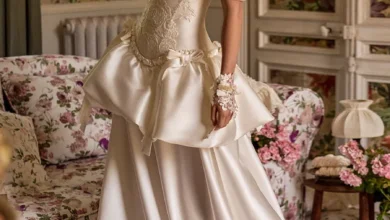
The fundamental rule of 2026 beach attire is the rejection of heavy, non-breathable materials. Formal gowns constructed from heavy satins or dark, heat-absorbent colors are increasingly viewed as impractical. Instead, fashion experts advocate for a focus on "Climate-Adaptive Textiles."
- Linen and Seersucker: Once reserved for casual daywear, high-end linen blends have become a staple for semi-formal beach events due to their moisture-wicking properties.
- Organza and Chiffon: These lightweight, sheer fabrics allow for the "maxi" silhouette without the weight of traditional evening wear.
- Silk Blends: For formal evening beach weddings, silk provides a natural sheen that reflects the sunset while remaining cool against the skin.
Industry data suggests that guests who prioritize natural fibers report a 40% higher satisfaction rate regarding their comfort throughout the duration of the event compared to those in synthetic blends.
Categorization of Beach Wedding Attire
To assist guests in navigating these requirements, the industry has categorized beach attire into several distinct tiers, each with specific expectations.
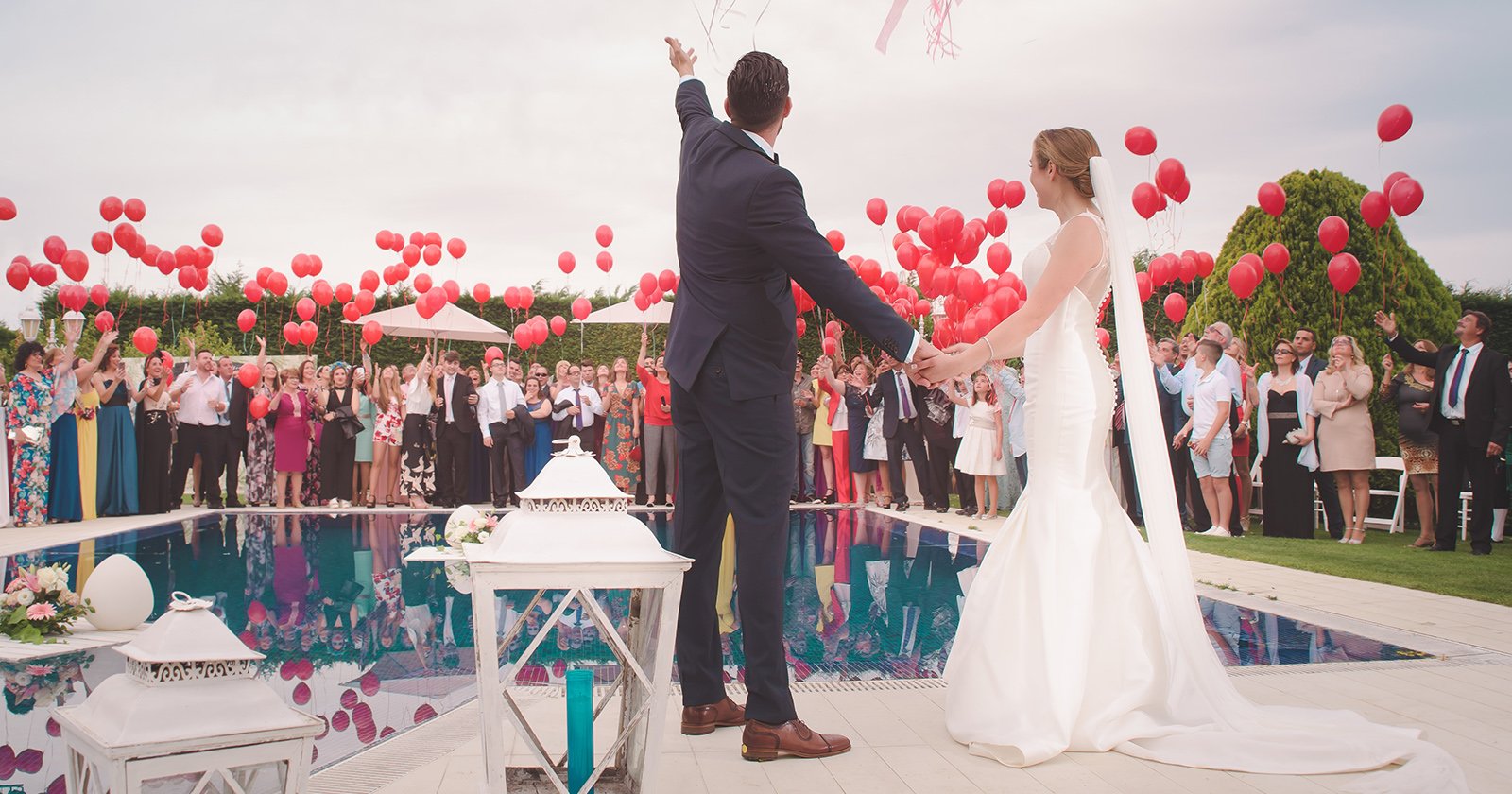
Formal Beach Guest Attire
Reserved for sunset ceremonies and high-end resort weddings, formal beach attire demands elegance. Experts recommend tea-length or floor-length gowns in lighter hues. Men are typically expected to wear light-colored suits in breathable fabrics, often bypassing the tie in favor of a crisp linen shirt. The goal is to maintain the gravitas of a wedding while acknowledging the outdoor environment.
Semi-Formal and Cocktail Coastal
This is the most common category for 2026. It strikes a balance between the structure of a cocktail party and the ease of a vacation. Midi dresses have emerged as the "timeless choice" for this category. Kate Zakharova notes that midi dresses are particularly effective because they avoid the hemline issues associated with sand while maintaining a sophisticated profile.
The Rise of the Boho and Tropical Themes
Bohemian themes continue to dominate the destination wedding market, characterized by earthy tones, fringe, and floral lace. Conversely, Tropical Paradise themes encourage bold, vivid patterns and exotic flora prints. These themes allow guests more creative freedom but require careful coordination to avoid clashing with the natural environment.
Demographic-Specific Styling and Inclusivity
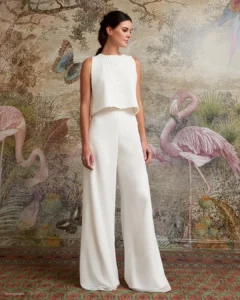
The 2026 fashion market has seen a significant expansion in inclusive sizing and age-appropriate coastal wear. For guests over 50, the focus has shifted toward "Refined Coastal Elegance." This includes structured shift dresses, elegant jumpsuits, and the use of sophisticated overlays like lace boleros or silk pashminas to provide coverage while remaining cool.
In the plus-size segment, designers are increasingly utilizing draping techniques and architectural silhouettes that celebrate the form without sacrificing comfort in humid conditions. The emphasis is on "Relaxed Elegance," ensuring that the garment moves with the wearer and the wind, a crucial element for beachside photography.
The Ethics and Etiquette of Wedding Color Palettes
One of the most persistent debates in wedding etiquette is the use of white or near-white shades. The consensus among fashion editors in 2026 remains firm: guests should avoid white, cream, and ivory unless specifically requested by the couple.
"A coordinated guest color palette looks fantastic in photos, and white creates a striking, elegant appearance," explains Anastasia Beluschenko. "However, guests should only wear white if they’ve been explicitly asked to. Outside of this, it is viewed as a lack of courtesy to the bride."
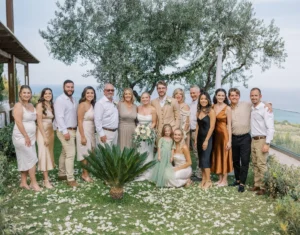
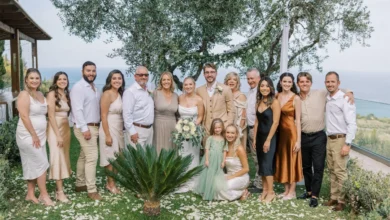
Instead, the 2026 season has seen a surge in "Nature-Inspired Palettes," including sage green, dusty rose, terracotta, and various shades of blue that mimic the ocean. These colors provide a harmonious backdrop for the couple while ensuring the guests remain distinct from the bridal party.

Footwear and Functional Logistics
The physical reality of the beach—specifically sand and uneven terrain—has led to a revolution in wedding footwear. Traditional stilettos are increasingly replaced by:
- Block Heels: Providing stability on boardwalks and packed sand.
- Embellished Sandals: Merging the comfort of a flat shoe with the aesthetic of a formal heel.
- Espadrilles: A classic coastal choice that offers a lift without the risk of sinking.
Many couples now provide "shoe valets" or "flip-flop stations," but guests are encouraged to arrive in footwear that is transition-ready.
Broader Implications for the Fashion Industry
The shift toward specialized beach wedding attire has significant economic implications. The "Wedding Guest" segment of the retail market is expected to grow by 5.4% annually through 2030, with a specific sub-sector dedicated to destination-appropriate clothing. This has prompted major retailers to launch "Resort Wedding" collections year-round, rather than just in the spring and summer months.
Furthermore, there is a growing movement toward "Repurposable Fashion." Both Beluschenko and Zakharova emphasize the importance of choosing dresses that can be worn again. "When designing or selecting for wedding attendees, the aim is to create transformative dresses that can be repurposed," Zakharova states. This aligns with the broader 2026 trend of sustainable fashion and reducing the environmental impact of "one-time-use" event wear.
Conclusion
As beach weddings become a permanent fixture of the social calendar, the role of the guest has evolved from a mere spectator to a vital part of the event’s visual and atmospheric success. By understanding the interplay between fabric, formality, and environment, guests can honor the couple’s vision while ensuring their own comfort. The 2026 season proves that with the right strategic choices, the challenge of the beach wedding dress code can be transformed into an opportunity for sophisticated, climate-conscious style.
The industry’s move toward inclusivity, sustainability, and technical fabrics ensures that whether the ceremony is a formal evening affair at a Mediterranean resort or a casual boho gathering on a tropical shore, the modern guest is well-equipped to navigate the sand with grace.