Optimal Care for Baseball Caps: An Eco-Conscious Approach to Extending Garment Lifespan.

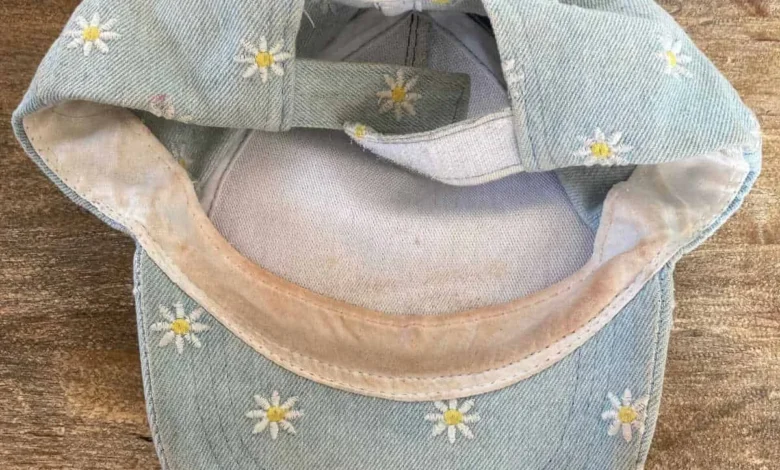
The ubiquitous baseball cap, a staple in modern wardrobes for both its functional sun protection and its fashion statement, is frequently subjected to rigorous use, accumulating a complex array of dirt, sweat, and environmental contaminants. While its resilience is often taken for granted, improper cleaning can significantly compromise its structural integrity and aesthetic appeal, leading to premature disposal. This report details an effective, eco-friendly methodology for cleaning baseball caps, emphasizing preservation, hygiene, and sustainable textile care practices, alongside an analysis of common misconceptions and their potential detrimental effects.
The Accumulation of Contaminants: A Microscopic View
Baseball caps, particularly those worn during physical activity or prolonged outdoor exposure, become repositories for a variety of substances. Sweat, a primary culprit, is composed of water, electrolytes (like sodium and potassium), urea, and lactic acid. Over time, these components can lead to visible salt rings and an unpleasant odor. Sunscreen, a necessary protective agent, often contains oils, waxes, and various chemical or mineral filters (e.g., zinc oxide, titanium dioxide, oxybenzone). These can create greasy, stubborn stains that are challenging to remove with conventional washing. Furthermore, environmental elements such as dust, pollen, mud, and sand readily adhere to fabric fibers, embedding themselves deeply and contributing to a dull, soiled appearance. The combination of these factors creates a breeding ground for bacteria, further necessitating regular and thorough cleaning. The internal band, which directly contacts the wearer’s forehead, is particularly susceptible to concentrated accumulation of these substances, often exhibiting the most significant discoloration and grime.
Historical Context and Material Evolution
The baseball cap’s lineage can be traced back to the mid-19th century, with early versions worn by baseball players featuring wool construction. These initial designs prioritized sun protection and team identification. Over the decades, as the cap transitioned from purely athletic gear to a widespread fashion accessory, material science played a crucial role in its evolution. The post-World War II era saw the introduction of synthetic fabrics like polyester, offering increased durability, moisture-wicking properties, and color retention. Cotton, particularly denim and twill, remained popular for its breathability and classic aesthetic. The internal structure also evolved; early caps often utilized cardboard brims, susceptible to irreversible damage when wet. By the 1980s, plastic inserts became standard, allowing for greater flexibility in cleaning methods. This material shift is a critical factor in determining appropriate cleaning techniques, highlighting the importance of inspecting care labels and understanding the cap’s construction.
Preparation for Cleaning: A Crucial First Step
Before initiating any cleaning process, a thorough assessment of the cap’s material composition and structural elements is paramount. The care label, typically located inside the cap, provides essential guidance on recommended washing temperatures and methods. Most contemporary baseball caps are constructed from cotton, polyester, or blends thereof, materials that generally tolerate gentle hand washing and the use of oxygen-based bleaching agents.

However, specific material considerations dictate deviations from the standard approach:
- Wool Caps: Wool, a natural fiber, is highly susceptible to shrinking and damage when exposed to harsh chemicals or excessive agitation. Oxygen bleach can degrade wool fibers. For wool caps, a specialized wool-safe detergent should be used, and soaking times must be minimized to prevent irreversible shrinkage or distortion. Spot cleaning is often preferred for minor stains.
- Vintage Caps with Cardboard Brims: Caps manufactured before the 1980s frequently incorporated cardboard inserts within the brim for structural support. Immersion in water will inevitably cause these cardboard brims to delaminate, warp, and disintegrate, leading to permanent damage. For such vintage items, only targeted spot cleaning with minimal moisture application is advisable. The goal is to clean the fabric surfaces without allowing water to penetrate the brim’s core.
Failure to observe these preliminary checks can result in irreparable damage to the cap, underscoring the necessity of a meticulous pre-cleaning evaluation.
The Eco-Conscious Hand Washing Method: A Step-by-Step Guide
This method prioritizes gentle cleaning agents and manual agitation to preserve the cap’s shape and material integrity while effectively removing ingrained dirt and stains.
Required Materials:
- Warm Water: Sufficient volume to fully submerge the cap in a basin or sink. The temperature should be warm, not hot, to avoid setting stains or shrinking certain fibers.
- Oxygen Bleach (e.g., Sodium Percarbonate): An environmentally friendlier alternative to chlorine bleach, oxygen bleach works by releasing oxygen when dissolved in water, which then breaks down organic stains and brightens fabrics. It is generally safe for colors and most fabrics (excluding wool and silk).
- Eco-Friendly Laundry Detergent: A mild, biodegradable detergent is preferred to minimize environmental impact.
- Soft-Bristled Brush (e.g., old toothbrush or scrubbing brush): Essential for targeted agitation and stain removal without damaging the fabric.
- Clean Basin or Sink: For soaking and washing the cap.
- Clean Towel: For initial drying and absorption.
- Drying Rack or Clothesline: For air drying.
Methodology:
-
Initial Pre-Treatment (For Heavy Soiling):
- For caps exhibiting significant grime, particularly on the sweatband, a preliminary scrub can enhance the effectiveness of the main wash.
- Apply a small amount of eco-friendly laundry detergent directly to heavily soiled areas.
- Using the soft-bristled brush, gently scrub the stained sections, paying particular attention to the sweatband and any visible mud or sunscreen residue. This mechanical action helps to loosen embedded particles before soaking.
-
Preparation of Soaking Solution:

- Fill a clean basin or sink with warm water. The volume should be adequate to fully immerse the cap without overflow.
- Add one scoop or the recommended amount of oxygen bleach to the warm water. Stir thoroughly until the bleach powder is fully dissolved.
- Add a small amount (e.g., one teaspoon) of eco-friendly laundry detergent to the solution. This combination of oxygen bleach and detergent creates a powerful yet gentle cleaning bath.
-
Soaking:
- Carefully submerge the entire baseball cap into the prepared cleaning solution, ensuring it is fully immersed.
- Allow the cap to soak for a minimum of 2-3 hours. For heavily soiled caps, an overnight soak (6-8 hours) may be beneficial. The oxygen bleach and detergent will work synergistically during this period to break down stains and neutralize odors.
- Observation of the water turning murky or discolored indicates the effective removal of dirt and contaminants from the cap.
-
Rinsing:
- After the soaking period, drain the dirty water from the basin.
- Rinse the cap thoroughly under cool, running water. It is crucial to flush out all traces of detergent and bleach from the fabric. Continue rinsing until the water runs clear and no suds are visible. Residual detergent can attract new dirt and irritate skin.
-
Drying:
- Gently squeeze excess water from the cap, avoiding harsh twisting or wringing, which can distort its shape.
- Place the cap on a clean towel and lightly press to absorb additional moisture.
- To maintain the cap’s original form during drying, consider placing it over a round object, such as a clean bowl or a plastic cap shaper, or hanging it on a clothesline with clips that avoid pinching the brim.
- Allow the cap to air dry completely. Direct sunlight can accelerate drying and provide natural sanitization, but prolonged exposure should be avoided for very dark or brightly colored caps to prevent fading. Ensure the cap is entirely dry before storage to prevent mildew formation.
The Perils of Machine Washing and Dishwashers
While the allure of convenience may lead some to consider machine washing or dishwasher cycles for baseball caps, these methods are generally ill-advised due to several significant risks:
-
Washing Machine Agitation: The vigorous tumbling and agitation within a washing machine drum can exert excessive force on the cap’s structure. This often leads to irreversible bending, creasing, or warping of the brim, rendering the cap unwearable or significantly diminishing its aesthetic. The crown of the cap can also lose its defined shape, resulting in a floppy or misshapen appearance. This is particularly true for caps without rigid plastic inserts or those with embroidered details that can snag.
-
Dishwasher Environment and Detergents: The suggestion of cleaning caps in a dishwasher often surfaces in casual discussions. However, this method presents multiple concerns:
- Hygiene: Dishwashers are designed to clean food-soiled dishes. Introducing a cap laden with sweat, skin oils, dirt, and potentially microbial contaminants raises significant hygiene concerns regarding cross-contamination with eating utensils and plates. The high temperatures of dishwasher cycles can also effectively set certain stains, particularly protein-based ones, making them impossible to remove.
- Detergent Composition: Dishwasher detergents are formulated for hard surfaces and food residues, containing powerful enzymes, alkalis, and often abrasive agents that are highly unsuitable for fabric. These harsh chemicals can cause significant discoloration, fading, or even degradation of textile fibers. They are not designed to be rinsed thoroughly from fabric, potentially leaving residues that can irritate the skin or attract dirt.
- Heat Exposure: Dishwasher cycles often involve very high water temperatures and heated drying cycles. Such intense heat can cause certain synthetic fibers to melt or distort, and natural fibers like cotton to shrink excessively.
Optimal Washing Frequency and Longevity

The frequency with which a baseball cap should be cleaned is contingent upon its usage patterns. For individuals who wear their caps regularly, especially during activities that induce sweating or exposure to dirt, cleaning is recommended whenever visible dirt, sweat stains, or noticeable odors become apparent. This proactive approach not only maintains hygiene but also prevents stains from setting and becoming more difficult to remove. For intermittent users or those wearing caps primarily for fashion, a thorough wash at the end of the warm season, prior to storage, is a prudent practice. This ensures the cap is clean and fresh for its next use, inhibiting the growth of mildew or setting of residual grime during storage.
Extending the lifespan of textiles through proper care is a cornerstone of sustainable consumption. The fashion industry is a significant contributor to global waste, with millions of tons of textiles discarded annually. By employing gentle, effective cleaning methods, consumers can dramatically increase the wearable life of their garments, thereby reducing the demand for new production and minimizing textile waste in landfills. This approach aligns with principles of circular economy and mindful consumption, transforming a routine chore into an act of environmental stewardship.
Broader Implications: Sustainable Textile Care and Consumer Responsibility
The care and maintenance of items like baseball caps extend beyond mere aesthetics; they represent a micro-level engagement with broader issues of sustainability and consumer responsibility. The textile industry’s environmental footprint is substantial, encompassing resource-intensive production, chemical use, and significant waste generation. By adopting practices that prolong the life of garments, individuals directly contribute to mitigating these impacts.
- Resource Conservation: Manufacturing new clothing requires vast amounts of water, energy, and raw materials. Extending the life of a cap by even a year or two reduces the need for replacement, thus conserving these resources.
- Waste Reduction: Each item kept out of a landfill for longer reduces the burden on waste management systems.
- Chemical Footprint: Choosing eco-friendly detergents and avoiding harsh chemicals minimizes the release of pollutants into water systems.
- Economic Savings: Investing in proper care reduces the frequency of purchases, leading to long-term financial benefits for consumers.
Wendy Graham, a sustainability expert and founder of Moral Fibres, with a BSc (Hons) in Environmental Geography and an MSc in Environmental Sustainability, emphasizes that "conscious textile care is not just about keeping items looking good; it’s a fundamental aspect of sustainable living. Every garment we extend the life of is a small victory for the planet." Her extensive professional experience in the sustainability sector underpins the ethos of making eco-friendly choices accessible and practical for everyday consumers.
In conclusion, while a seemingly minor household task, the proper cleaning of a baseball cap embodies a larger principle of mindful consumption. By understanding material properties, employing gentle yet effective methods, and consciously avoiding damaging shortcuts, individuals can ensure their favorite caps remain clean, hygienic, and structurally sound for years, contributing positively to both personal well-being and environmental sustainability. The shift from a disposable mindset to one of preservation is paramount in fostering a more sustainable future for textile consumption.
Related posts: