The Seasonal Transition: A Market Overview
The transition from summer to fall represents one of the most critical windows for the fashion industry. Data from retail analytics firms indicates that consumer interest in layering pieces, such as bombers, knitwear, and rugged footwear, consistently spikes between late September and mid-October. This year, the trend is characterized by a "price-conscious curation" model. Consumers are increasingly avoiding impulse purchases in favor of versatile items that can be integrated into existing wardrobes.
The current market environment is defined by a tightening of discretionary budgets. Retailers are responding by highlighting "buy-it-for-life" potential even at lower price points. This strategy focuses on material composition—such as prioritizing 100% cotton over synthetic blends—and the functional versatility of garments that serve multiple environments, from professional-casual workspaces to weekend social engagements.
Strategic Wardrobe Components: A Financial Breakdown
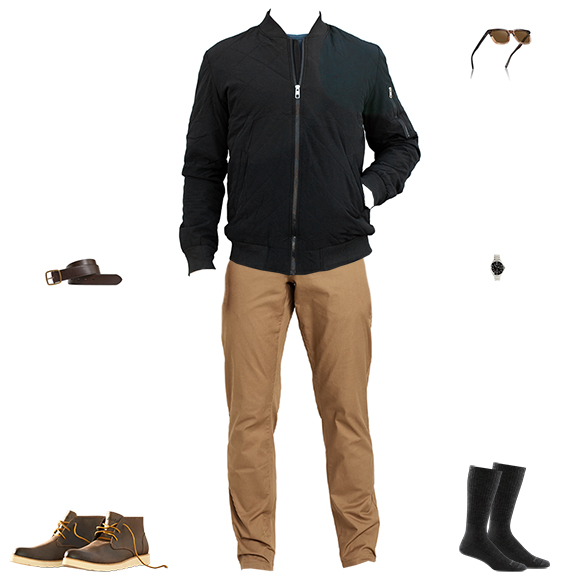
A detailed assessment of current market offerings reveals that a complete autumn ensemble can be achieved while remaining well under the $100-per-item threshold. The following breakdown examines the key components of the "Feels Like Fall" casual look, focusing on construction, material utility, and market availability.
The Outer Layer: Insulation and Texture
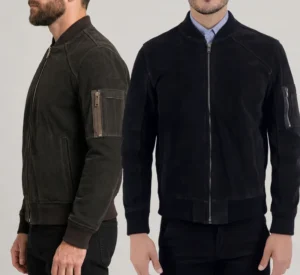
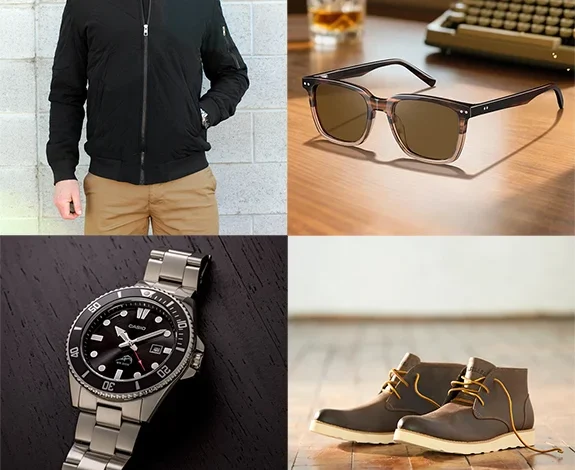
The quilted bomber jacket has emerged as the definitive silhouette for early autumn. Unlike heavy winter parkas, these garments provide a lightweight insulation layer suitable for temperatures ranging from 50°F to 65°F. The diamond-quilt design serves a dual purpose: it adds a tactile, visual texture that elevates the piece beyond standard athletic wear, and it prevents the "bloated" appearance associated with traditional down-filled jackets. Recent consumer feedback suggests that while the base garments are highly cost-effective, hardware components—such as zipper pulls—often remain the primary point of distinction between budget and premium models.
Foundational Staples: Cotton and Tech-Chinos
The "Tech Chino" has fundamentally altered the casual trouser market. By integrating synthetic performance fibers into a classic chino weave, these garments offer moisture-wicking properties and increased range of motion. Industry analysis suggests that the rapid adoption of these pants—particularly versions priced between $30 and $40—is a direct response to the "work-from-anywhere" culture. When paired with high-quality, 100% cotton base layers, the resulting ensemble maintains a minimalist aesthetic while maximizing daily utility.
Accessories: The Role of Rugged Utility
The inclusion of tactical or "rugged" accessories has become a hallmark of the seasonal shift. Retro-style polarized sunglasses with acetate frames have seen a 12% increase in year-over-year search volume. Similarly, the demand for dive-style watches continues to dominate the horological segment. The practice of pairing an entry-level quartz dive watch with a high-grade aftermarket stainless steel bracelet has gained significant traction among enthusiasts. While the combined cost of these components may slightly exceed the $100 threshold, the long-term durability and repairability of such a setup are viewed as a superior value proposition compared to fashion-branded timepieces of similar price.
Chronology of the Autumn Fashion Pivot
The shift in consumer behavior follows a predictable timeline each year:
- Early September: Retailers begin clearing summer inventory. Consumer search interest for "light jackets" and "chinos" begins its upward trajectory.
- Mid-September: The "Back-to-School" retail cycle concludes, and professional-casual replenishment begins. This is the period where "intentional casual" collections are prioritized in store layouts.
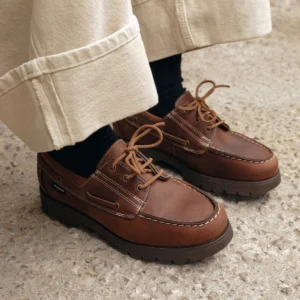
- Late September: The first significant temperature drop in major metropolitan areas triggers a surge in online sales for footwear, particularly leather-alternative chukkas and wool-blend socks.
- Early October: Full-scale autumn retail integration is complete. Marketing focus shifts toward holiday-adjacent promotions and gift-ready apparel.
Supply Chain and Material Integrity
A recurring theme in this season’s retail analysis is the emphasis on "made-in-the-USA" goods, particularly in the accessories category. The market for high-performance wool socks, for instance, has remained resilient despite cheaper synthetic alternatives. Experts suggest this is due to a growing consumer preference for natural fibers that offer superior thermoregulation and longevity.
Furthermore, the integration of free-shipping and simplified return policies through third-party platforms like Nordstrom Rack and Zappos has mitigated the risks associated with online shopping. Consumers are no longer deterred by the inability to try on garments in-store, provided that the logistics network supports an efficient return cycle.
Broader Economic Implications
The trend toward "nothing over $100" is a microcosm of a larger economic trend: the democratization of style. Previously, the "well-dressed" look was gated by high entry costs for quality fabrics and construction. Today, the accessibility of high-tech textiles and efficient global supply chains has allowed for the creation of durable, aesthetic clothing at a fraction of the historical cost.
Retail analysts observe that this shift forces legacy brands to rethink their pricing structures. As budget-friendly options continue to close the quality gap, premium labels must provide tangible value-adds—such as superior customer service, sustainability certifications, or proprietary designs—to justify the price premiums they maintain.
Conclusion
The "Feels Like Fall" casual scenario is more than a list of items; it represents a strategic approach to wardrobe management. By selecting pieces that are intentionally designed for utility, durability, and stylistic longevity, the modern consumer is able to curate a high-functioning wardrobe without the necessity of excessive expenditure. As the retail sector moves deeper into the autumn season, the focus remains clear: quality, versatility, and cost-efficiency are the primary drivers of the contemporary fashion landscape. This season’s offerings confirm that one does not need to compromise on aesthetic standards to adhere to a strict budget, provided that the buyer understands the importance of material quality and the functional role of each garment.