Reframing Medical Necessity: How Deafmetal is Challenging the Stigma of Hearing Technology Through Design and Innovation

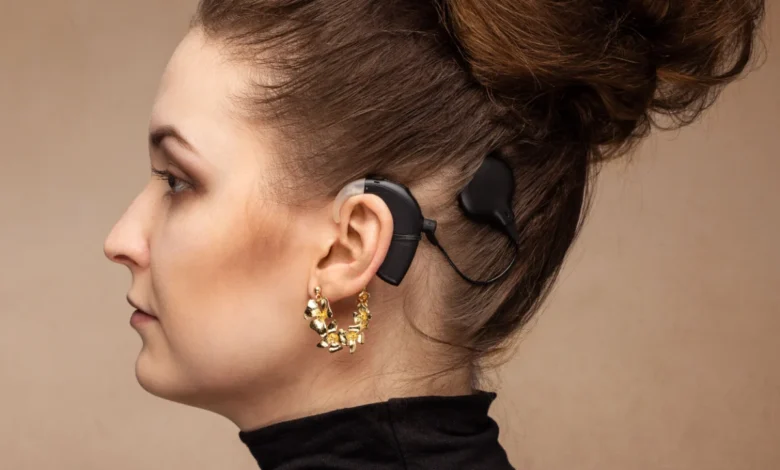
The intersection of medical necessity and personal identity is undergoing a significant shift as specialized design firms begin to challenge the long-standing, clinical aesthetic of hearing assistance devices. For decades, the multi-billion-dollar hearing device industry—a market dominated by a handful of major manufacturers including Sonova and Demant—has prioritized invisibility. By focusing on miniaturization and skin-tone camouflage, these manufacturers have inadvertently reinforced a social stigma, suggesting that hearing loss is a condition to be hidden rather than managed. However, the rise of Deafmetal, a Helsinki-based design studio founded by Jenni Ahtiainen, represents a burgeoning movement that seeks to transform essential medical hardware into expressions of personal style, effectively bridging the gap between clinical utility and fashion-forward self-expression.
The Evolution of the Hearing Device Market
The global hearing aid market has historically been driven by engineering prowess rather than consumer-facing design. According to industry reports, approximately 90% of the global market is controlled by a small cohort of companies that prioritize high-performance acoustics and hardware reliability. While these technical advancements have revolutionized the quality of life for millions, the "aesthetic of discretion" has remained the industry standard. This approach assumes that users feel shame regarding their hearing loss, a premise that designers like Ahtiainen are now actively dismantling.
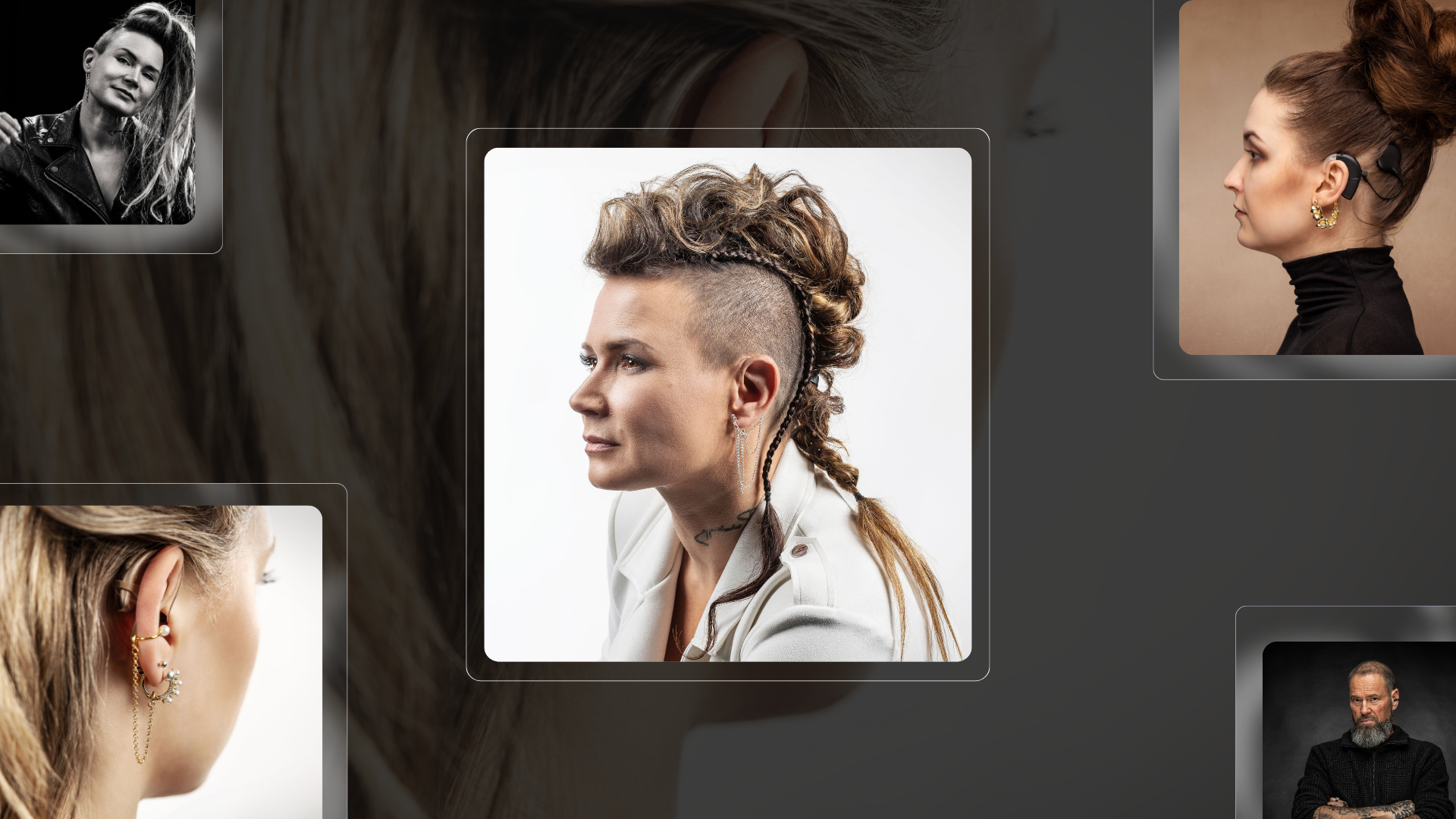
The design philosophy at Deafmetal treats the hearing aid not as a prosthetic to be concealed, but as a permanent fixture of the wearer’s body—much like eyeglasses. Unlike the eyewear industry, which successfully transitioned from medical necessity to a high-fashion accessory category, the hearing device sector has been slow to adopt a similar paradigm. By introducing jewellery-grade materials—including silver, gold, and decorative attachments—Deafmetal offers a functional alternative that secures the device while simultaneously elevating its visual profile.
Chronology of a Cultural Shift
The impetus for this design evolution began in the mid-2010s, as hearing device users began to demand more than just technical amplification. Ahtiainen, living with hearing loss herself, founded Deafmetal in 2018. Her approach was born from personal frustration: the realization that the devices were essential, yet the available options were devoid of personality.
The company’s growth trajectory has mirrored the broader consumer trend toward self-expression in wearable technology. Following its founding, the company quickly moved from a local initiative to an international player, now shipping products to over 30 countries. The recent expansion into a B2B model—integrating "clinic toolboxes" into audiology offices—marks a significant pivot. By placing jewellery samples directly into the hands of audiologists at the moment of device fitting, Deafmetal is shifting the point of sale from a purely medical interaction to one that includes an aesthetic choice. This strategy mirrors the professionalization seen in the optical industry, where patients choose frames based on both comfort and style.

Data and Market Implications
The McKinsey and Business of Fashion (BoF) State of Fashion 2026 report highlights jewellery as one of the fastest-growing fashion categories, expanding at a rate four times higher than the apparel sector. This growth is largely attributed to a shift in consumer behavior: individuals are increasingly purchasing jewellery for themselves as a form of personal identity, rather than relying on the traditional gift-giving model. Deafmetal’s model taps into this trend by positioning safety rings, chains, and decorative fasteners as essential components of an individual’s daily look.
Furthermore, the economic implications for patients are profound. Hearing devices are significant financial investments, often costing thousands of euros per pair. The high rate of loss associated with these devices creates a persistent need for security. Deafmetal’s product line addresses this by integrating safety rings and retention chains into the jewellery design. By solving the dual problem of device security and aesthetic appeal, the firm has found a niche that traditional manufacturers have largely ignored.
Industry Responses and Future Collaborations
The reaction from major hearing-device manufacturers has been one of cautious observation. While legacy companies have historically been reluctant to branch into the jewelry space, there is growing evidence of interest in collaborative efforts. Since 2018, several major industry players have initiated conversations with independent designers, recognizing that the "one-size-fits-all" approach to device design is becoming obsolete.

However, a clear divide remains between the roles of the engineer and the designer. As Ahtiainen notes, the expertise required to build a high-fidelity hearing aid is fundamentally different from the expertise required to craft wearable art. The future of the industry likely lies in a collaborative model where manufacturers focus on the "black box" of audio engineering, while specialized design studios provide the consumer interface.
The Role of Technology and AI in Representation
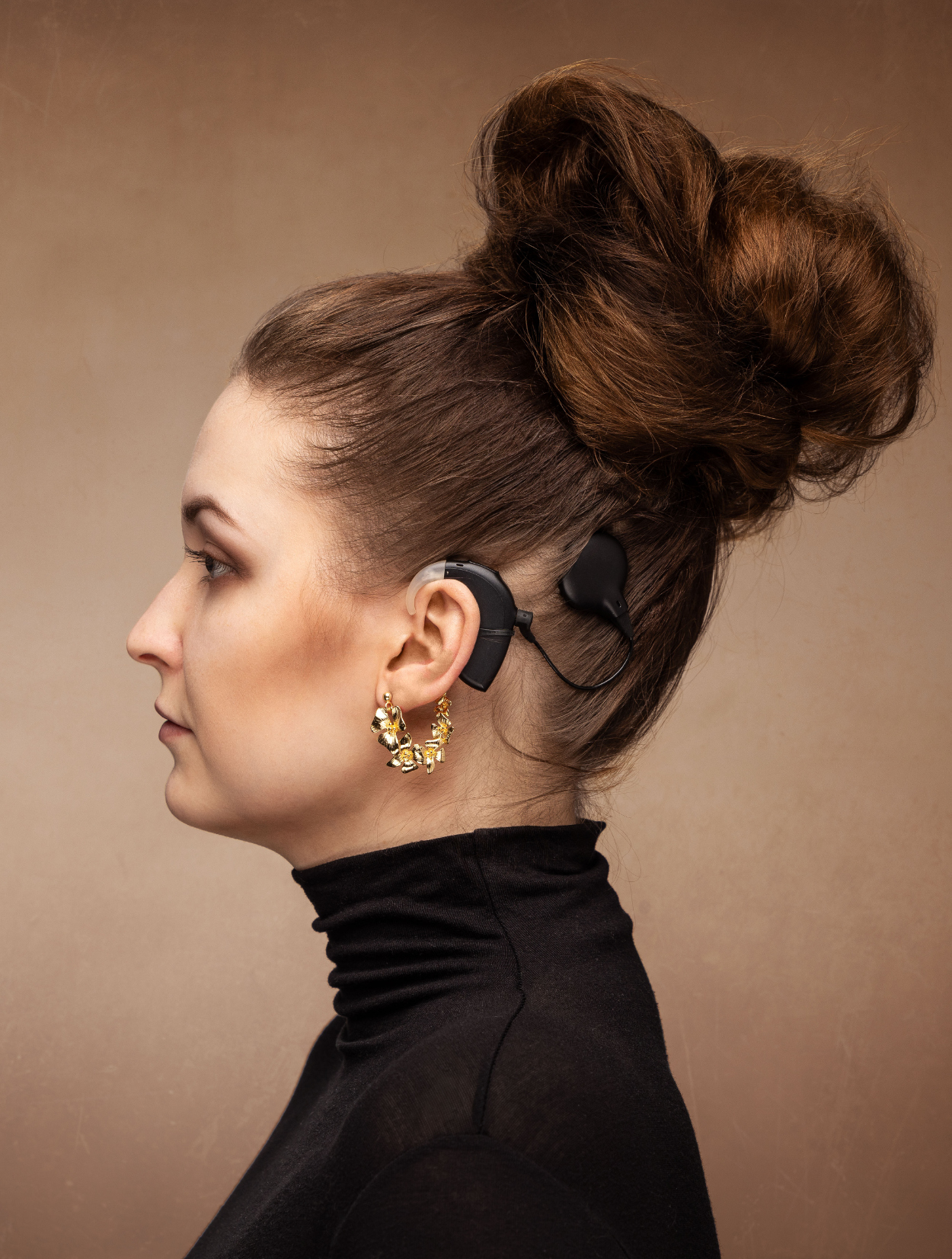
A critical issue currently facing the industry is the use of artificial intelligence in marketing. As brands look to increase inclusivity and representation, some have turned to AI-generated imagery to showcase diverse populations. However, for companies like Deafmetal, the rejection of AI-generated models is a foundational principle. The company maintains a policy of only using real hearing-aid users in its campaigns. This commitment to authenticity is designed to combat the very stigma that high-tech, airbrushed marketing campaigns often exacerbate.
By utilizing real users, the brand aims to foster a sense of community and openness. The upcoming "SCENE" campaign, for example, seeks to mobilize manufacturers and users alike to share personal stories, aiming to reduce the psychological barrier that often prevents people from seeking treatment.
Broader Societal Impacts
The implications of this shift extend well beyond fashion. There is a documented correlation between untreated hearing loss and cognitive decline, including increased risks of dementia and memory impairment. By removing the stigma associated with wearing a device, the medical community stands to benefit from increased adoption rates. If a device is perceived as a piece of desirable jewellery rather than a sign of aging or infirmity, patients are significantly more likely to seek early diagnosis and intervention.
The integration of hearing technology into the broader landscape of "wearable tech"—a field that includes smart glasses and health-monitoring watches—suggests that the next few years will see a blurring of lines between medical devices and consumer electronics. As technology becomes more "ambient," living on the body in a way that feels native to the user, the aesthetic requirements will only increase.
Future Outlook and Strategic Development
As Deafmetal continues to refine its business model, the focus is shifting toward international scalability. The move to pause funding rounds during periods of organic growth suggests a focus on sustainable, long-term development rather than rapid, venture-backed expansion. With plans to launch new innovations at major audiology forums, the company is positioning itself as a permanent fixture in the healthcare-fashion ecosystem.

For the hearing-device industry at large, the lesson is clear: consumers are no longer content with "discreet" solutions. As the boundaries between technology and fashion continue to dissolve, the next generation of medical devices will need to be designed with the human element at the forefront. The success of this movement will not be measured by the market share of a single company, but by the extent to which society can move past the stigma of hearing loss, transforming a medical necessity into a celebrated, visible part of human identity.