New York Fashion Week Spring 2027: A Season of Accessibility, Archival Integration, and Industry Turbulence

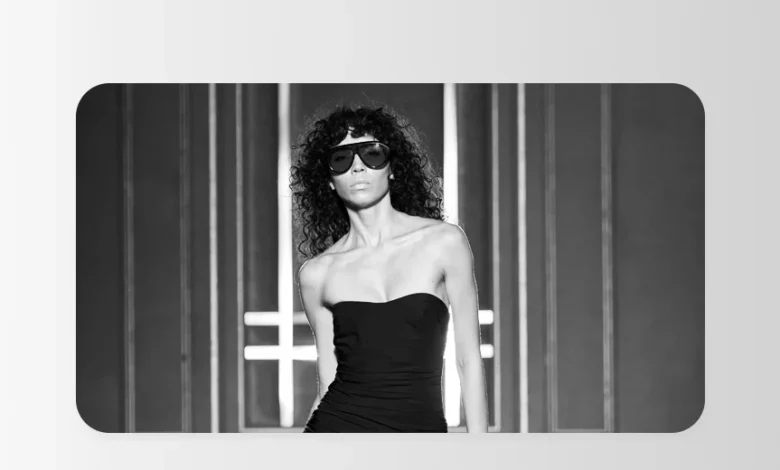
New York Fashion Week (NYFW) Spring 2027 served as a watershed moment for the American fashion industry, signaling a decisive pivot toward consumer-centric collections and a marked departure from the ultra-exclusive, avant-garde spectacles that defined the post-pandemic era. While the runways celebrated a new era of wearability and immersive storytelling, the event was simultaneously defined by a high-profile disciplinary crisis involving the Council of Fashion Designers of America (CFDA). As the industry navigates a complex economic climate, this season underscored a shift in priorities: brands are focusing less on theatrical vanity and more on community building, archival relevance, and tangible consumer engagement.
The week-long schedule, which drew thousands of editors, buyers, and international influencers to Manhattan, was defined by a mix of established legacy houses and emerging design talent. However, the prevailing narrative quickly moved away from pure aesthetics when a disruptive protest during the Cos show evolved into a physical altercation involving CFDA CEO Steven Kolb.
The Kolb-PETA Incident and the Fur-Free Landscape
The most jarring moment of the week occurred on Sunday when activists from People for the Ethical Treatment of Animals (PETA) breached the runway at the Cos presentation. The protest, intended to draw attention to lingering animal welfare concerns within the global fashion supply chain, escalated when Steven Kolb intervened. Video footage of the incident went viral, showing a physical struggle between the CEO and a protestor.
The fallout was immediate. The CFDA issued a formal statement shortly thereafter, confirming that Kolb had been placed on administrative leave pending an internal review. The incident created a profound irony, as NYFW Spring 2027 marked the first season in which the official event programming enforced a strict ban on fur across all sponsored runways. Industry analysts noted that Kolb himself had been a primary architect of this policy, advocating for a more sustainable and ethical posture for the American fashion trade association. The controversy effectively overshadowed the initial days of the schedule, forcing the organization to address the optics of its leadership at a time when transparency and corporate social responsibility are paramount.
A Pivot Toward Radical Accessibility
Beyond the headlines, the most significant shift on the runways was the move toward what industry insiders have dubbed "pragmatic luxury." In past cycles, the NYFW aesthetic was often criticized for being detached from reality—focused on impractical silhouettes and exorbitant price points that alienated the average luxury consumer.
Spring 2027 flipped this script. Designers leaned heavily into "real-life" dressing. At the Campillo show, the inclusion of elevated graphic tees signaled a willingness to embrace casual, everyday staples. Similarly, Retrofête’s focus on denim and wearable evening wear suggested that even high-end brands are looking to capture the "day-to-night" versatility that has become a requirement for the modern wardrobe.
This trend is not merely stylistic; it is an economic response. With global luxury spending cooling due to inflationary pressures and shifting consumer confidence, brands are under pressure to provide products that offer longevity. By prioritizing wearability, designers are effectively mitigating the "cost-per-wear" concern that has begun to plague luxury buyers.
The Rise of Archival Integration and Circularity
The runway is no longer a graveyard for last season’s inventory; it has become a living laboratory for circular fashion. This season saw a proliferation of "old meets new" presentations, where designers integrated vintage pieces alongside their latest collections.
Tanner Fletcher led this movement by curating a collection that seamlessly blended new designs with carefully sourced, high-end vintage items. Sanderlak took a different approach, mixing archival pieces from its own recent history with its Spring 2027 debut. This strategy echoes the growing secondary market trend, where the prestige of an item is often bolstered by its history and rarity.
EBay’s continued presence at NYFW has solidified this shift. By collaborating with designers like Willy Chavarria to showcase archival garments, the platform is legitimizing the resale market within the hallowed halls of professional fashion. Data from the 2026 fashion year indicates that the secondhand market grew by nearly 15%, and designers are clearly responding to this demand. By presenting archives alongside new arrivals, brands are acknowledging a fundamental truth: the modern consumer does not buy from a single label; they curate a personal wardrobe from a lifetime of acquisitions.
Immersive Storytelling as a Competitive Advantage
In an age where social media saturation has turned runway shows into digital content, the physical experience of a show has evolved. Manoff and Parisi noted a clear trend toward "immersive storytelling." The era of simply walking clothes down a sterile white runway is waning; in its place, designers are inviting audiences into their creative process.
Theory, for instance, opted for a voice-over narrative, with the designer providing context and inspiration for each look as it appeared. Other brands moved their venues to their own design workshops, offering a "behind-the-curtain" glimpse that serves to humanize the brand. This experiential shift is intended to build brand loyalty that goes beyond the garment itself. By documenting the craftsmanship, the inspiration, and the labor involved, brands are justifying their price points in an increasingly competitive market.
The Party Scene: A Strategic Expansion
While the runway shows provided the visual stimulus, the week’s afterparties served as the business development engine. Observers noted an unprecedented number of official events, many hosted by brands that did not have a scheduled runway show.
Market analysis suggests this is part of a broader "geographical embedding" strategy. As brands open new flagship stores in New York City, they are utilizing NYFW as a massive, centralized networking event to ingratiate themselves with local tastemakers, influencers, and potential high-net-worth clients. This is not just about glamour; it is about local market penetration. By hosting high-profile parties, these brands are attempting to bridge the gap between their global identity and the specific, discerning tastes of the New York consumer base.
Elevated Attendee Experiences: The "Creature Comforts" Era
Perhaps the most palpable change this season was the marked improvement in the attendee experience. For years, the physical discomfort of Fashion Week—long wait times, standing-room-only crowds, and a lack of basic amenities—was considered a rite of passage. This season, brands took a hospitality-first approach.
The Coach 85th-anniversary presentation was the gold standard for this trend. Attendees were not only treated to a runway show but were also provided with curated refreshments, including sophisticated hor d’oeuvres and an interactive experience where guests could handle and wear bags from the new collection. Retrofête similarly pivoted to a "lounge" atmosphere, offering specialized cocktails and a relaxed environment that encouraged networking rather than just a quick, transactional viewing of the collection.
Future Implications and Outlook
The 2027 Spring NYFW season suggests that the American fashion industry is entering a period of recalibration. The events of this week point to three long-term implications:
- The Professionalization of Ethics: The Steven Kolb controversy serves as a stark reminder that the industry is under intense scrutiny. Future seasons will likely see even more stringent policies regarding sustainability and animal rights, as the industry attempts to modernize its public image.
- The "Pragmatic Luxury" Mandate: As economic headwinds persist, the success of a collection will be measured by its utility. Brands that continue to prioritize experimental, non-functional fashion may find themselves losing market share to those that offer "real-life" luxury.
- The Hybridization of Retail: The integration of archival, vintage, and new collections is no longer a niche trend; it is a permanent fixture of the fashion landscape. Retailers will need to adapt their strategies to account for the fact that consumers are increasingly viewing their own closets as a mix of eras and brands.
As the industry moves into the next quarter, the focus will undoubtedly shift from the spectacle of the runway to the sustainability of the business model. New York Fashion Week Spring 2027 will be remembered not just for its clothes, but for its role in defining a new set of values for the global fashion community: accessibility, circularity, and a renewed commitment to the consumer experience.