The Ultimate Guide to Mastering Men’s Wardrobe Basics: The Essential Brands Shaping Modern Style

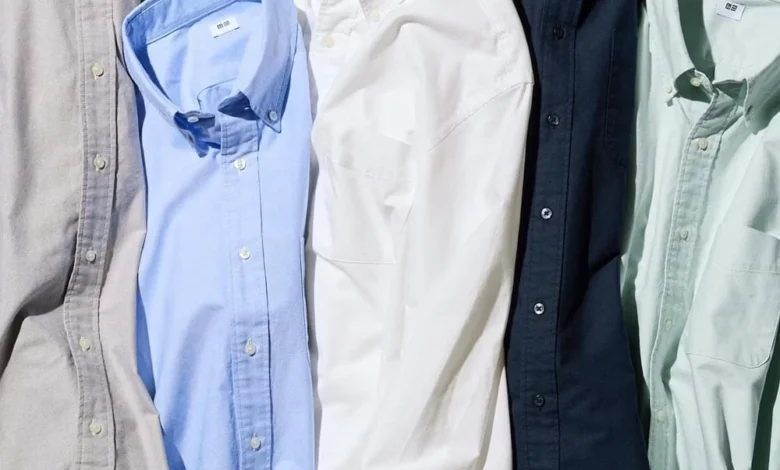
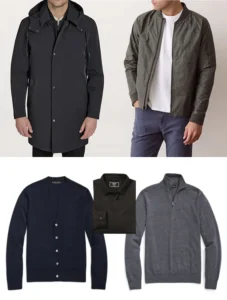
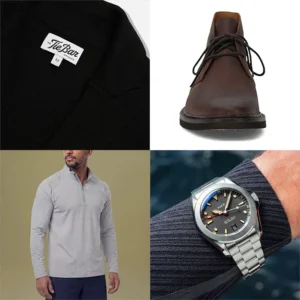
Experimenting with personal style and exploring sartorial identity are central pillars of modern menswear, yet true versatility ultimately relies on a foundational core of reliable basics. Without a properly curated selection of essential garments, navigating daily dress codes remains a persistent challenge for consumers worldwide. Industry analysts frequently emphasize that the backbone of any functional wardrobe consists of timeless staples—plain tees, classic-cut denim, versatile overshirts, and crisp Oxford cotton button-downs. These foundational items serve as the primary ingredients of personal style, while seasonal trends and experimental pieces act merely as seasoning. Much like culinary arts, a sartorial composition is only as successful as the quality of its components, making the selection of manufacturers and retailers a critical consideration for the discerning consumer.
The philosophy of building a leaner, more intentional wardrobe centered on quality rather than quantity has gained significant traction across the global fashion landscape over the past decade. Market research indicates that consumer preferences are steadily shifting away from fast-fashion saturation toward durable, long-lasting investment pieces. To navigate this evolving retail environment, a comprehensive market analysis highlights the leading brands redefining men’s wardrobe essentials today, spanning minimalist Scandinavian design, utilitarian French heritage workwear, and classic American preppy tailoring.
ASKET
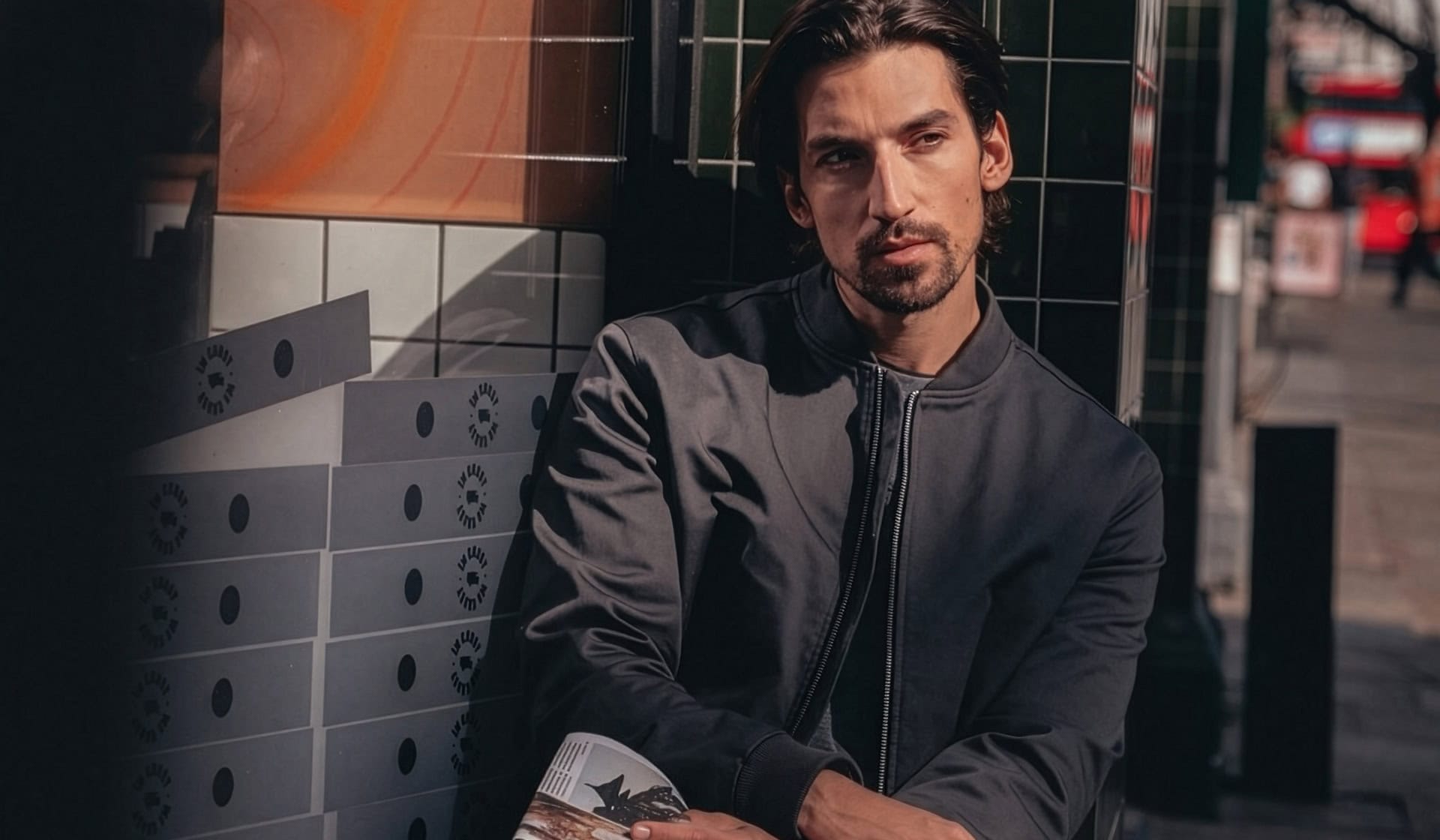
Hailing from Stockholm, ASKET operates on a distinct rejection of seasonal drop models and fleeting fashion cycles. Established with the explicit mission to curb overconsumption, the minimalist label offers a finite, permanent collection of unequivocal essentials designed to outlast changing trends.
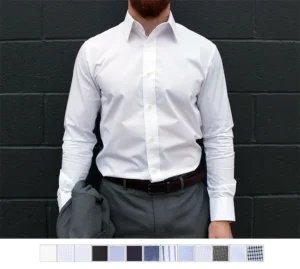
The brand’s catalog focuses on heavy-weight cotton T-shirts, premium poplin Oxford shirts, and structured knitwear. A defining characteristic of ASKET’s operational model is its radical supply chain transparency, allowing consumers to trace every single garment back to its raw material source. This traceability ensures accountability in production standards and reinforces the brand’s core ethos: a leaner, highly curated wardrobe built strictly on longevity and structural integrity rather than volume.
Uniqlo
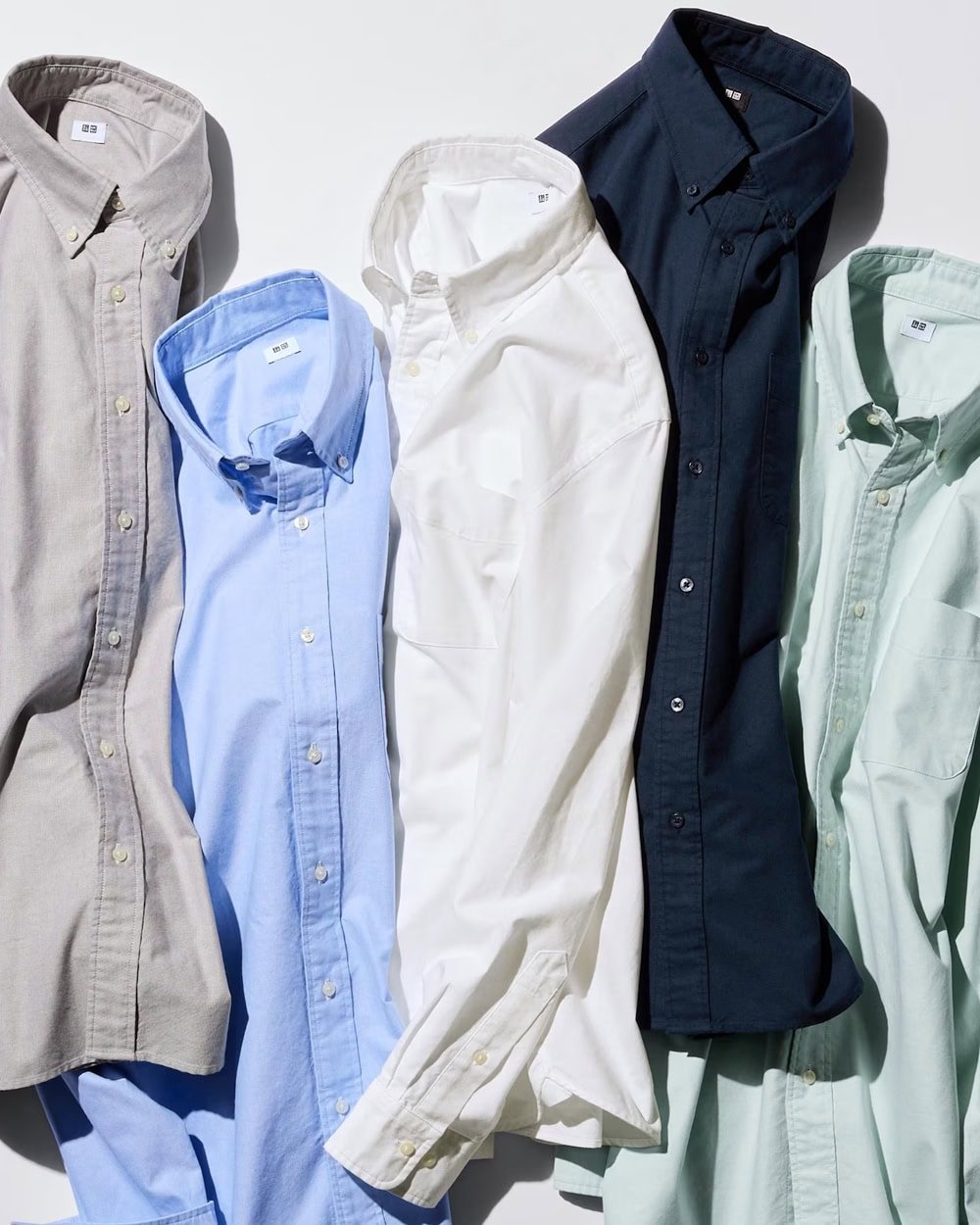
As a dominant force in global menswear, Japan-based Uniqlo has achieved ubiquitous status among style advisors and consumers alike. While its widespread recommendation has occasionally drawn remarks within fashion circles, the brand’s reputation is built on an unmatched consistency in delivering affordably priced, high-standard wardrobe basics.
Uniqlo’s product line encompasses everyday staples ranging from high-grade selvedge denim and innovative down outerwear to dependable Oxford shirts. By combining accessible price points with strategic, high-profile designer collaborations, the retailer has successfully democratized quality manufacturing. Market analysts attribute Uniqlo’s enduring market share to its relentless refinement of fabric technology, such as AIRism and Heattech, which elevates basic garments into high-performance daily wear.
LESTRANGE
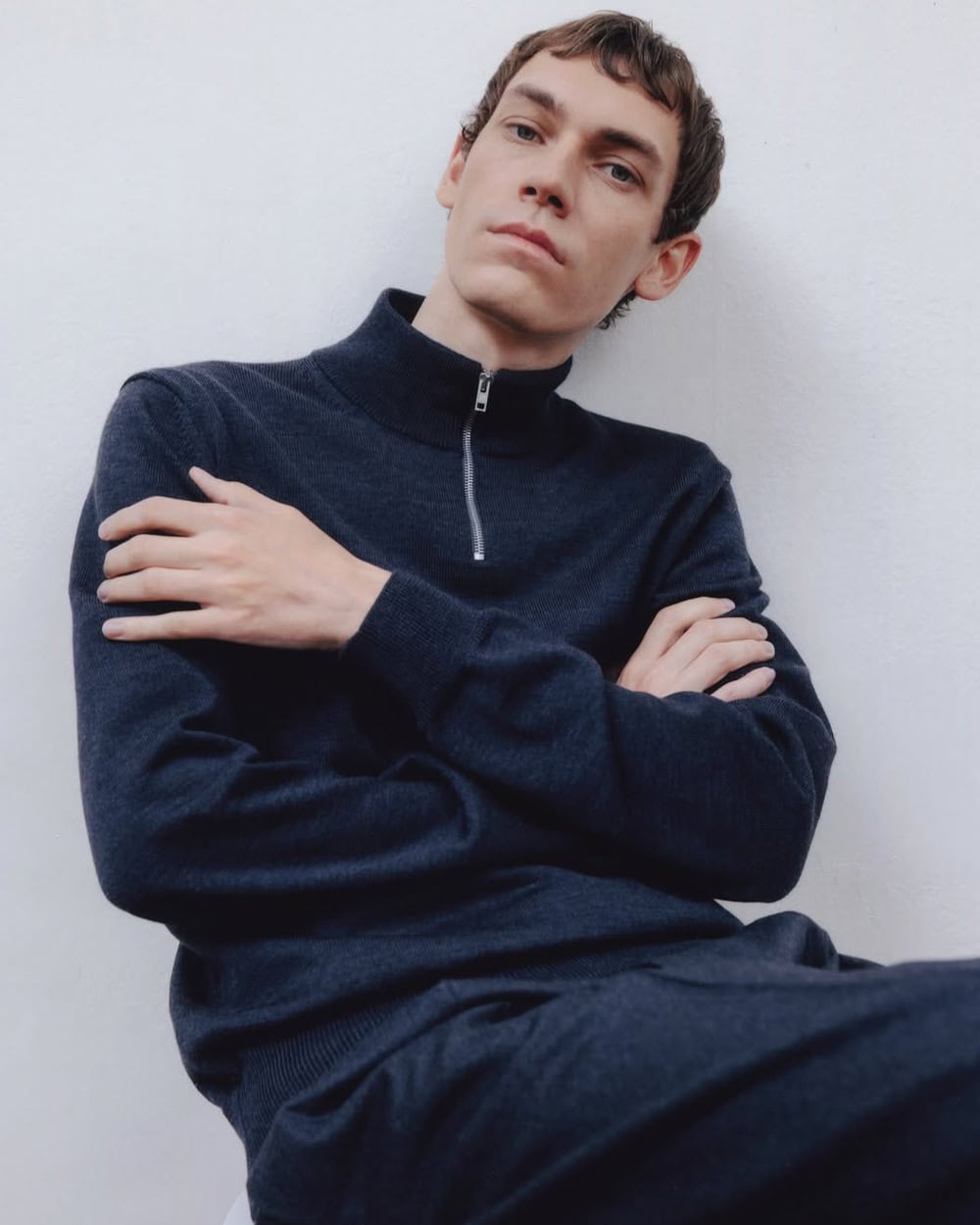
London-based label LESTRANGE approaches menswear through the lens of a modular wardrobe system. Founded on the premise of minimizing consumption to maximize utility, the brand designs interchangeable pieces intended to cover professional, travel, and casual scenarios seamlessly.
At the center of its collection is the signature 24 Trouser, a refined hybrid chino engineered for all-day comfort and versatility. This flagship item is supported by a carefully curated range of merino wool layers, structured overshirts, and minimalist knitwear. LESTRANGE’s overarching philosophy—to own less and wear more—resonates strongly with contemporary consumers seeking to streamline their daily routines through intentional design.
COS
Appearing as a contemporary high-street alternative to more traditional menswear labels, COS caters to consumers inclined toward modern, architectural silhouettes. The brand’s retail offerings feature boxy overshirts, wide-leg trousers, and minimalist tailoring, predominantly executed in a muted, sophisticated color palette.
While positioned at an accessible price point, COS maintains a design sensibility closely aligned with high-end contemporary fashion houses. This unique positioning allows budget-conscious shoppers to experiment with avant-garde proportions and clean aesthetics without prohibitive financial commitments, bridging the gap between mass-market retail and luxury minimalist design.
Sunspel
Operating out of its historic factory in Long Eaton, England, since 1860, Sunspel represents the pinnacle of British manufacturing heritage. The brand is globally renowned for pioneering luxury everyday wear, most notably its benchmark T-shirts and Riviera-ready polo shirts, which gained international prominence after being featured in cinematic franchises like James Bond.

Sunspel’s longevity in the marketplace is attributed to its uncompromising commitment to premium natural fibers, such as Sea Island cotton and superfine merino wool. Though positioned at a higher price tier, the brand’s understated, refined garments continue to set the industry standard for uncompromising craftsmanship and enduring everyday elegance.
Armor Lux
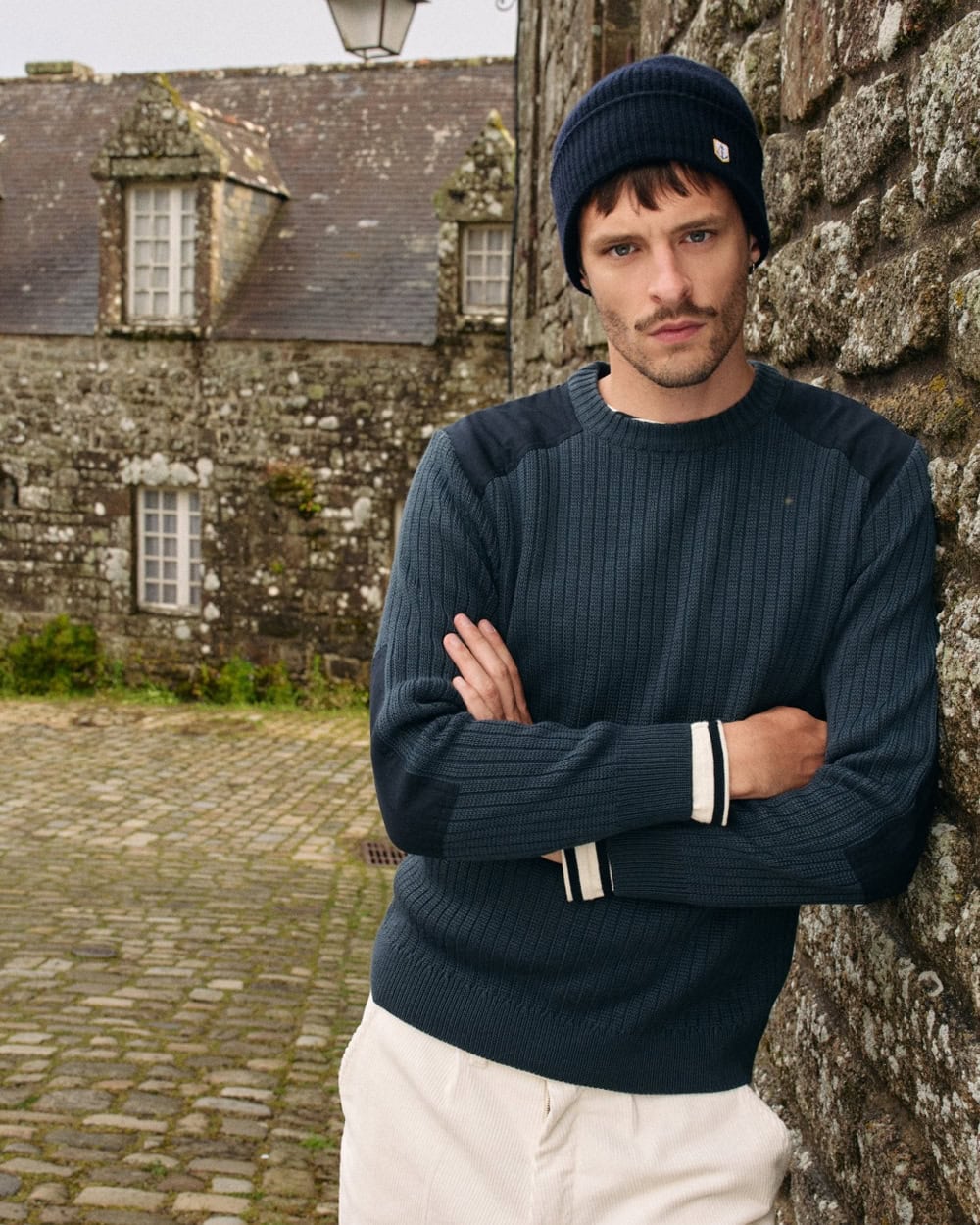
Rooted in the maritime history of Brittany, France, Armor Lux preserves centuries-old manufacturing traditions centered around rugged workwear and durable textiles. Long before striped jerseys gained mainstream fashion prominence, regional sailors relied on the brand’s heavy-cotton garments for protection against harsh coastal elements.
Today, the Breton stripe remains Armor Lux’s primary calling card, supported by an expanded collection of robust knitwear, functional outerwear, and nautical-inspired basics. The brand’s enduring appeal lies in its unwavering adherence to authentic production methods, delivering garments designed to withstand rigorous daily use while retaining a distinct, utilitarian French charm.
Norse Projects
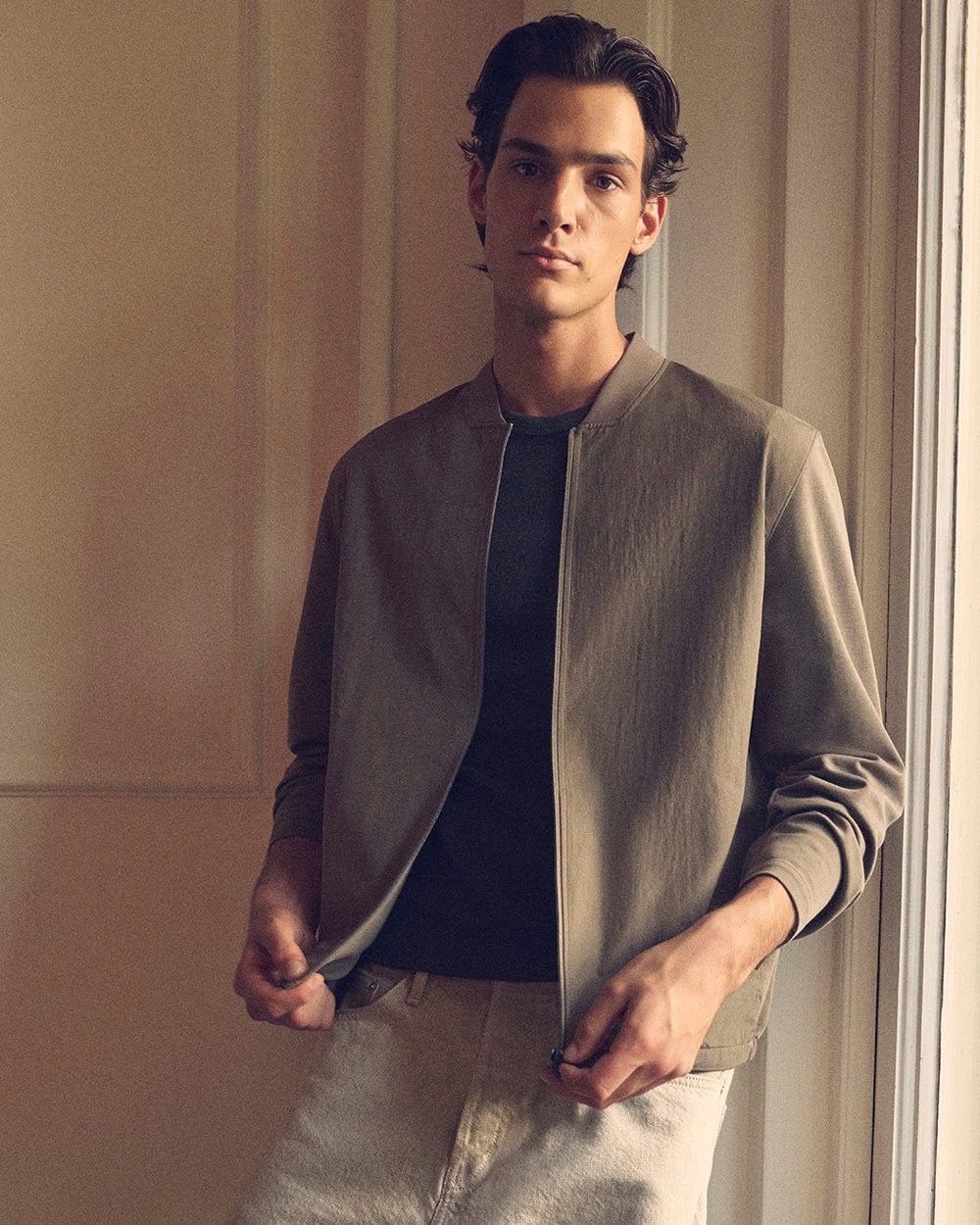
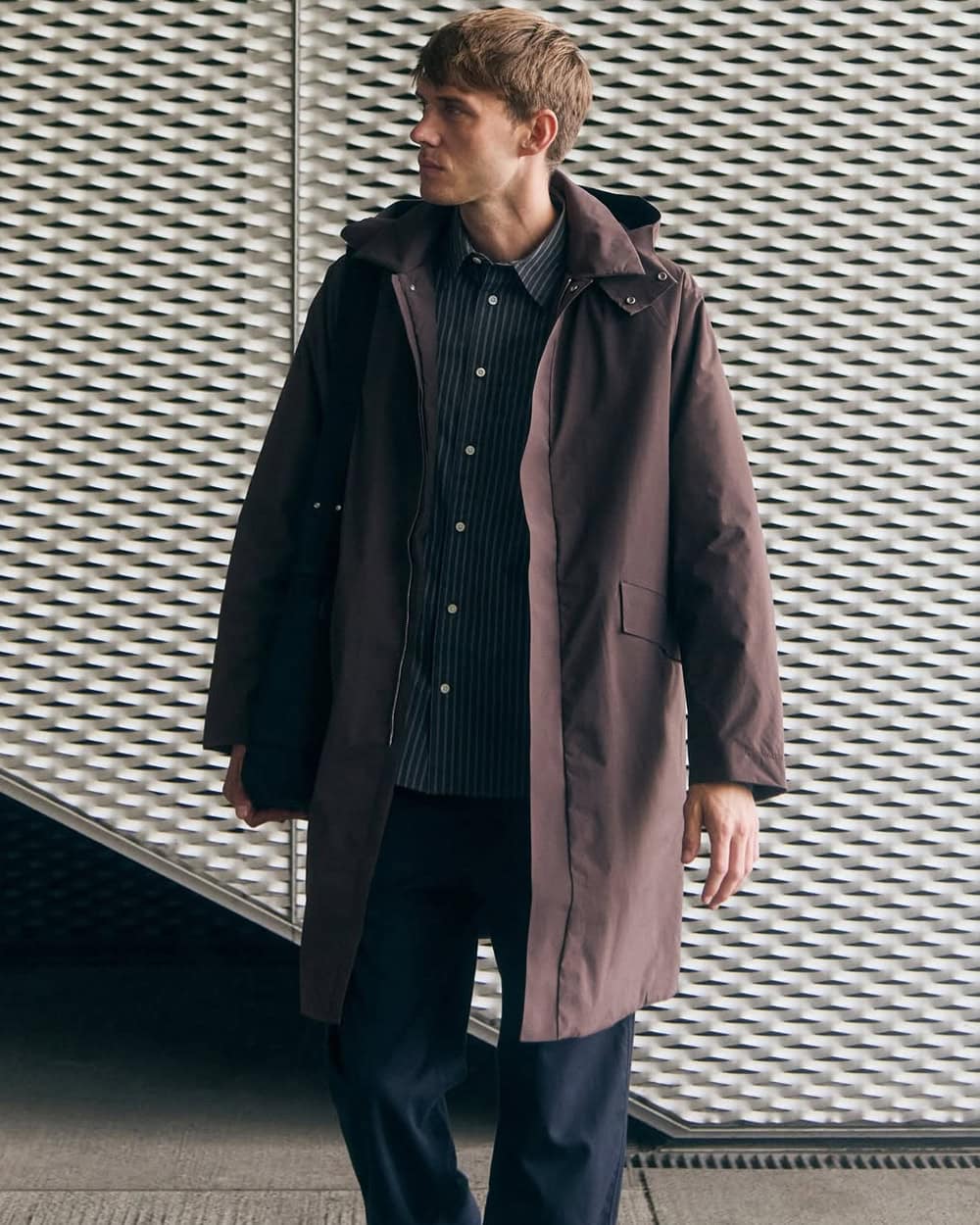
Copenhagen-based Norse Projects exemplifies the Scandinavian capacity to merge utilitarian functionality with clean, contemporary style. Drawing inspiration from classic military archives and traditional workwear, the label translates rugged designs into refined, highly wearable urban staples.
The brand’s portfolio features heavyweight fleece sweats, technical outerwear, and durable overshirts, all characterized by meticulous attention to detail and understated color palettes. Norse Projects continues to resonate with consumers seeking functional garments capable of transitioning effortlessly between outdoor utility and sophisticated city life.
A.P.C.
Founded in Paris, A.P.C. (Atelier de Production et de Creation) has remained a cornerstone of minimalist menswear since its inception in 1987. The French label is celebrated for its stripped-back aesthetic, offering meticulously tailored knitwear, clean-cut tees, and its famously well-fitting raw denim.
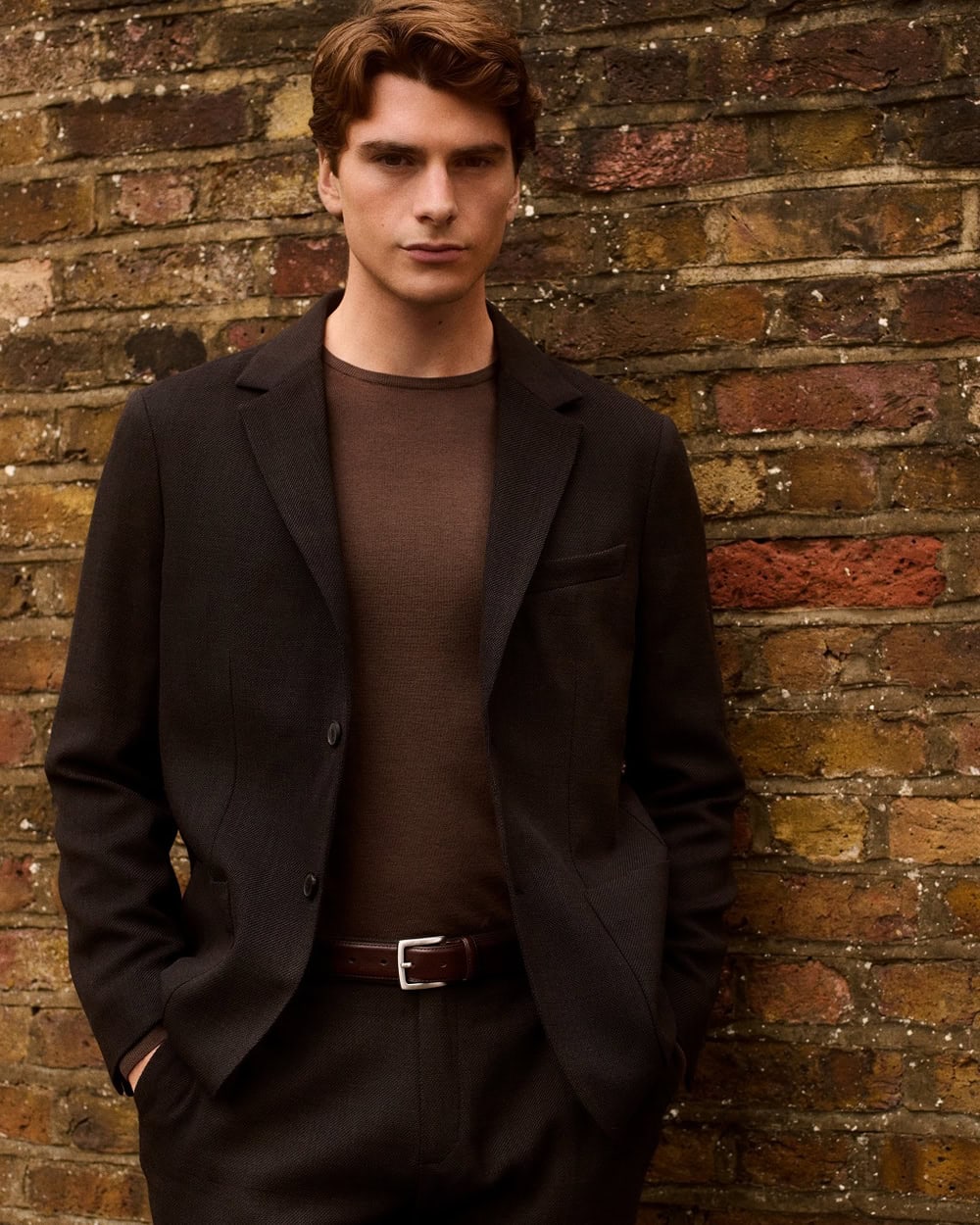
Although positioned in a moderate-to-high pricing bracket, A.P.C. maintains a loyal global following drawn to its effortless Parisian nonchalance. The brand’s focus on unbranded, high-quality garments ensures that its pieces remain immune to short-lived micro-trends, solidifying its status as an essential destination for foundational wardrobe building.
Everlane
San Francisco-based Everlane established its market presence through a commitment to radical transparency within the apparel manufacturing sector. By publishing detailed cost breakdowns and direct information regarding partner factories for every garment, the brand empowers consumers to evaluate the true value of their purchases.
Everlane’s collection centers on classic American staples—chinos, denim, outerwear, and knitwear—executed in modern, unfussy silhouettes. This transparent operational model has redefined consumer expectations regarding ethical production, making it a preferred option for shoppers prioritizing both sustainability and straightforward styling.
A Day’s March
Another notable export from Stockholm’s vibrant minimalist design scene, A Day’s March incorporates subtle elements of workwear utility into its refined aesthetic. Named after the historical military term denoting the distance an army can march in a single day, the brand reflects a pragmatic, performance-oriented mindset.
The label delivers clean-lined overshirts, heavyweight jersey sweats, and structured outerwear characterized by distinct Scandinavian restraint. By balancing rugged durability with sleek tailoring, A Day’s March provides a compelling option for consumers looking for versatile, hard-wearing daily attire.
Percival
Based in East London, Percival specializes in subverting classic menswear archetypes with contemporary wit and playful detailing. The brand’s collections feature relaxed tailoring, inventive knitwear, and embroidered staples that introduce personality into traditional silhouettes.
Rooted in British styling traditions but delivered with a modern twist, Percival has carved out a distinct niche for consumers seeking wardrobe basics that transcend conventional conservatism without sacrificing everyday wearability.
Wax London
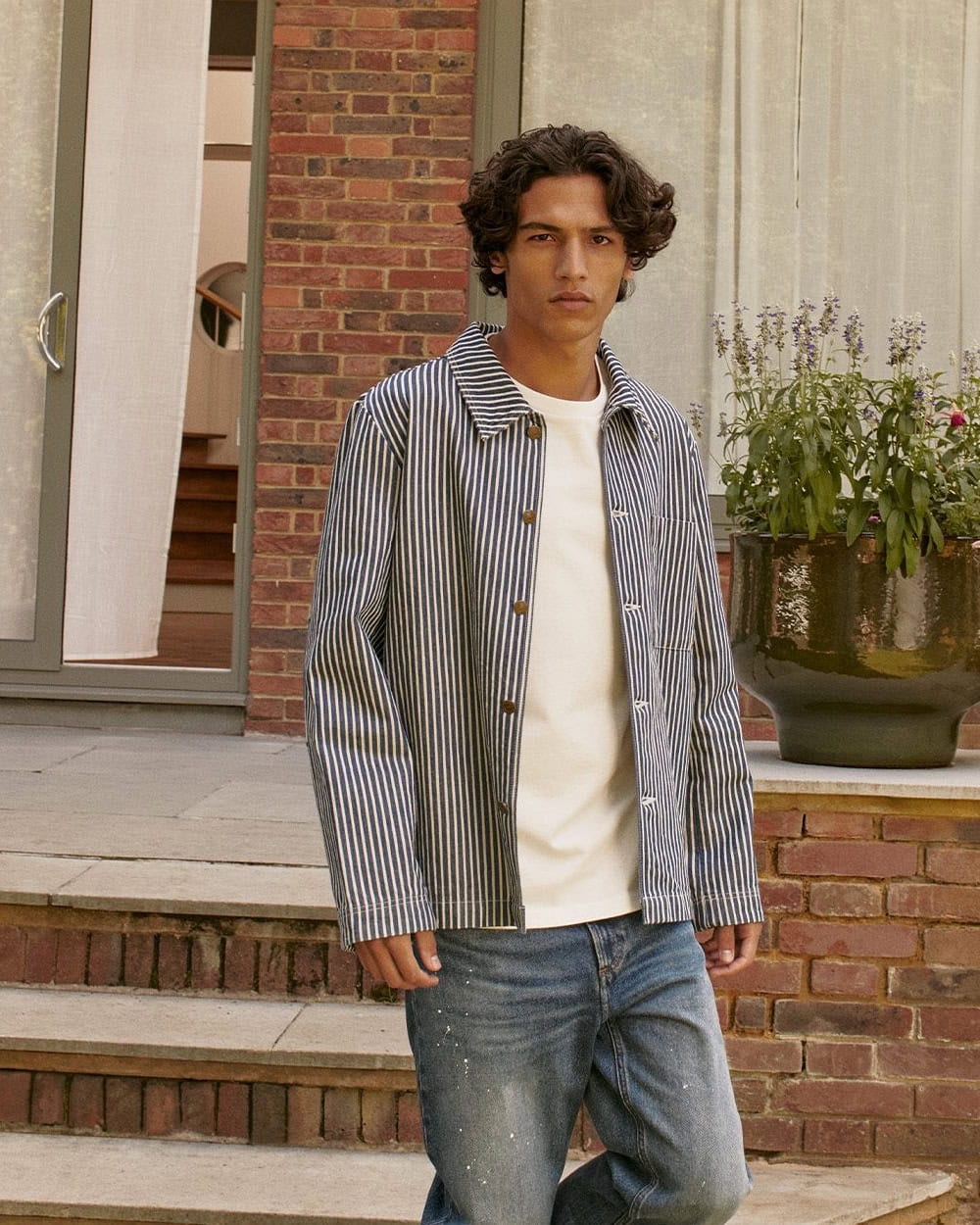
Sharing a similar ethos to its East London counterparts, Wax London updates traditional British menswear with contemporary textures, vibrant colorways, and bold patterns. The brand’s flagship product, the Whiting overshirt, has achieved cult status among modern dressers, crafted from tactile, heavyweight fabrics suited for transitional layering.
Alongside its signature overshirts, Wax London offers relaxed tailoring, comfortable knitwear, and contemporary trousers designed with modern proportions. The label provides an accessible avenue for individuals wishing to inject character and individuality into their foundational wardrobes.
Polo Ralph Lauren
Few global fashion houses have exerted as profound an influence on modern menswear as Polo Ralph Lauren. By defining the parameters of preppy American style, the brand transformed collegiate sportswear into a timeless global standard.
From Oxford cotton button-downs and cable-knit sweaters to classic chino trousers and polo shirts, the label’s foundational offerings remain instantly recognizable across generations. Depending on individual styling choices, Polo Ralph Lauren staples seamlessly bridge Ivy League tradition, country club elegance, and contemporary streetwear sensibilities, ensuring enduring relevance decades after their introduction.
James Perse
Representing the epitome of laid-back Californian luxury, Los Angeles-based James Perse focuses on elevated casualwear crafted from exceptionally soft, premium fabrics. The brand’s signature offering is the expertly fitted jersey T-shirt, complemented by an extensive range of refined sweats, loungewear, and casual tailoring.
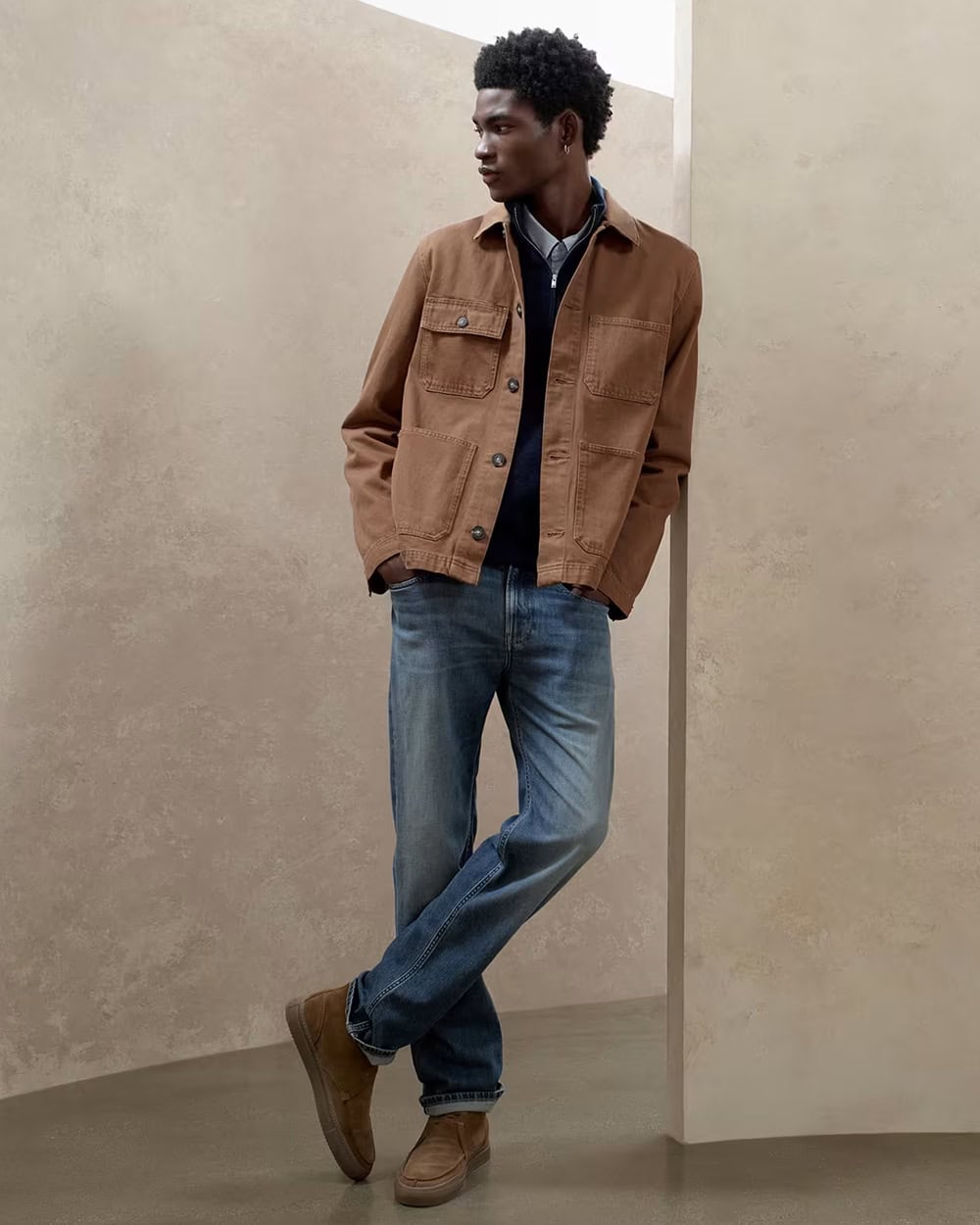
Utilizing a consistently muted color palette and prioritizing tactile comfort, James Perse delivers an understated approach to luxury dressing. The label appeals to consumers seeking effortless, high-end comfort for daily wear without extraneous branding or complicated design details.
J.Crew
As a historic architect of American preppy style, J.Crew has navigated various commercial evolutions while preserving its core design formula. The brand continues to deliver dependable button-down shirts, classic chinos, rugby tops, and unstructured blazers reflecting a relaxed East Coast sensibility.
While positioned as a reliable high-street and online destination rather than an avant-garde fashion house, J.Crew remains valued for its consistency and versatility. The brand’s foundational staples offer enduring wearability, proving just as relevant to contemporary dressers as they were decades prior.
Economic and Industry Implications
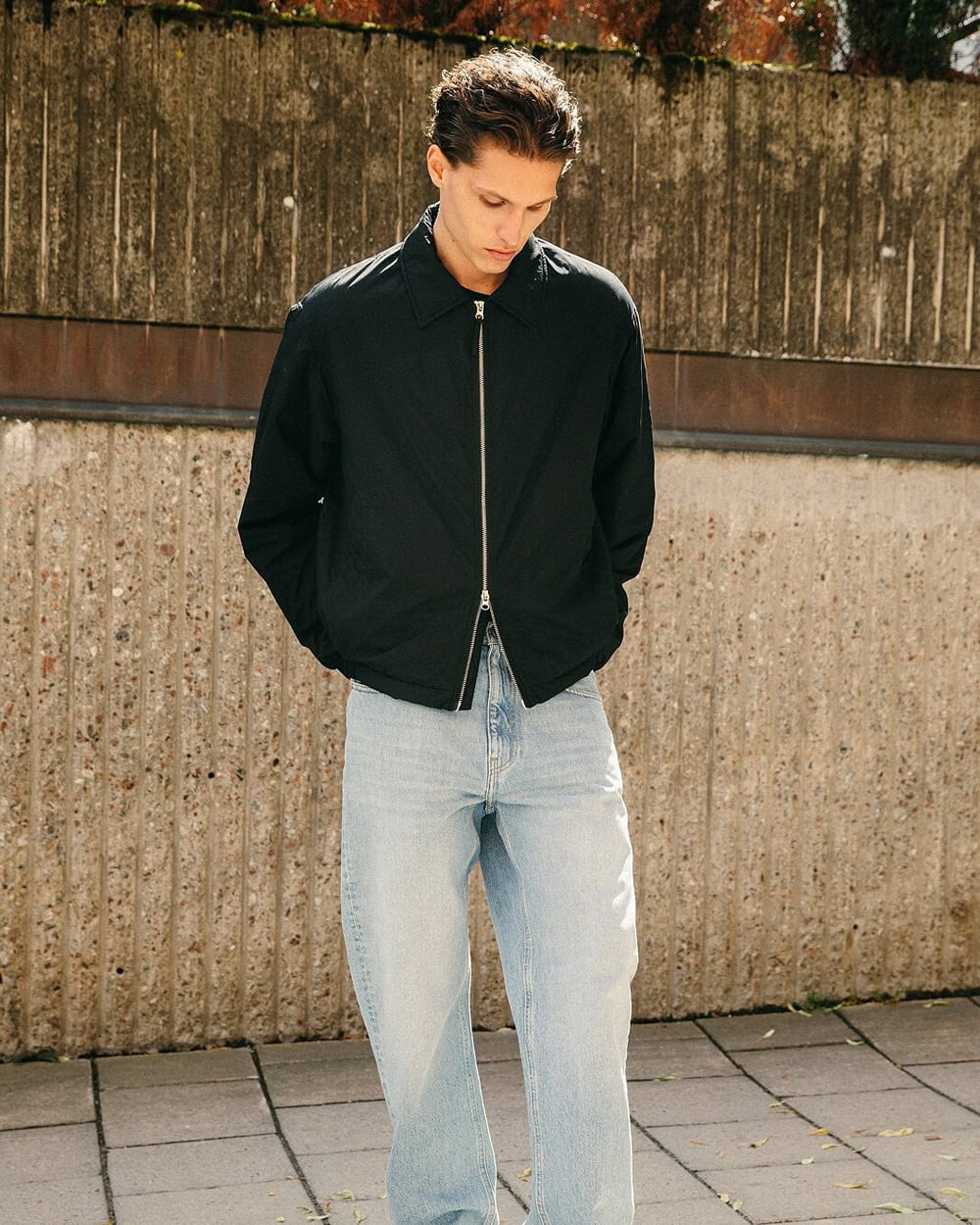
The sustained growth of brands specializing in wardrobe basics reflects broader shifts within the global retail economy. As consumers grow increasingly conscious of environmental sustainability and financial efficiency, the demand for durable, multi-functional garments is projected to expand. Retail analysts note that companies prioritizing supply chain transparency, ethical manufacturing, and timeless design are better positioned to weather economic fluctuations compared to fast-fashion competitors reliant on high-volume, trend-driven cycles. Consequently, investing in foundational menswear essentials is no longer viewed merely as a conservative sartorial choice, but as a strategic, economically sound approach to modern consumerism.