
The dream of a destination wedding in Italy is a multi-billion-euro industry that often relies on the romanticized imagery of sprawling vineyards and Renaissance architecture. However, beneath the surface of the "La Dolce Vita" aesthetic lies a complex bureaucratic and logistical landscape that can prove daunting for foreign couples. With an estimated 10,000 to 15,000 international weddings taking place in Italy annually, the disconnect between expectations and the reality of Italian civil law has created a market rife with both opportunity and frustration.
For couples looking to navigate this terrain, the primary challenge remains the lack of transparency in pricing and legal requirements. While local wedding planners often offer "all-inclusive" packages to simplify the process, industry experts warn that these bundles can obscure hidden costs and limit the potential for personalization.
The Evolution of the Italian Wedding Industry
Historically, Italian weddings were defined by rigid tradition: massive guest lists, religious ceremonies, and multi-day festivities. Over the past three decades, however, the industry has undergone a significant shift. Alessandra Ferretti, a veteran wedding planner with thirty years of experience in the Italian market, notes that the demand for "bespoke" ceremonies has surged as couples move away from traditional models.
"There is an assumption that Italy requires a specific production—three hundred guests and a traditional church ceremony," Ferretti explains. "While that remains a popular choice, the last decade has seen a rise in intimate elopements, non-traditional aesthetic choices like dark-themed ceremonies, and a preference for unconventional officiants."
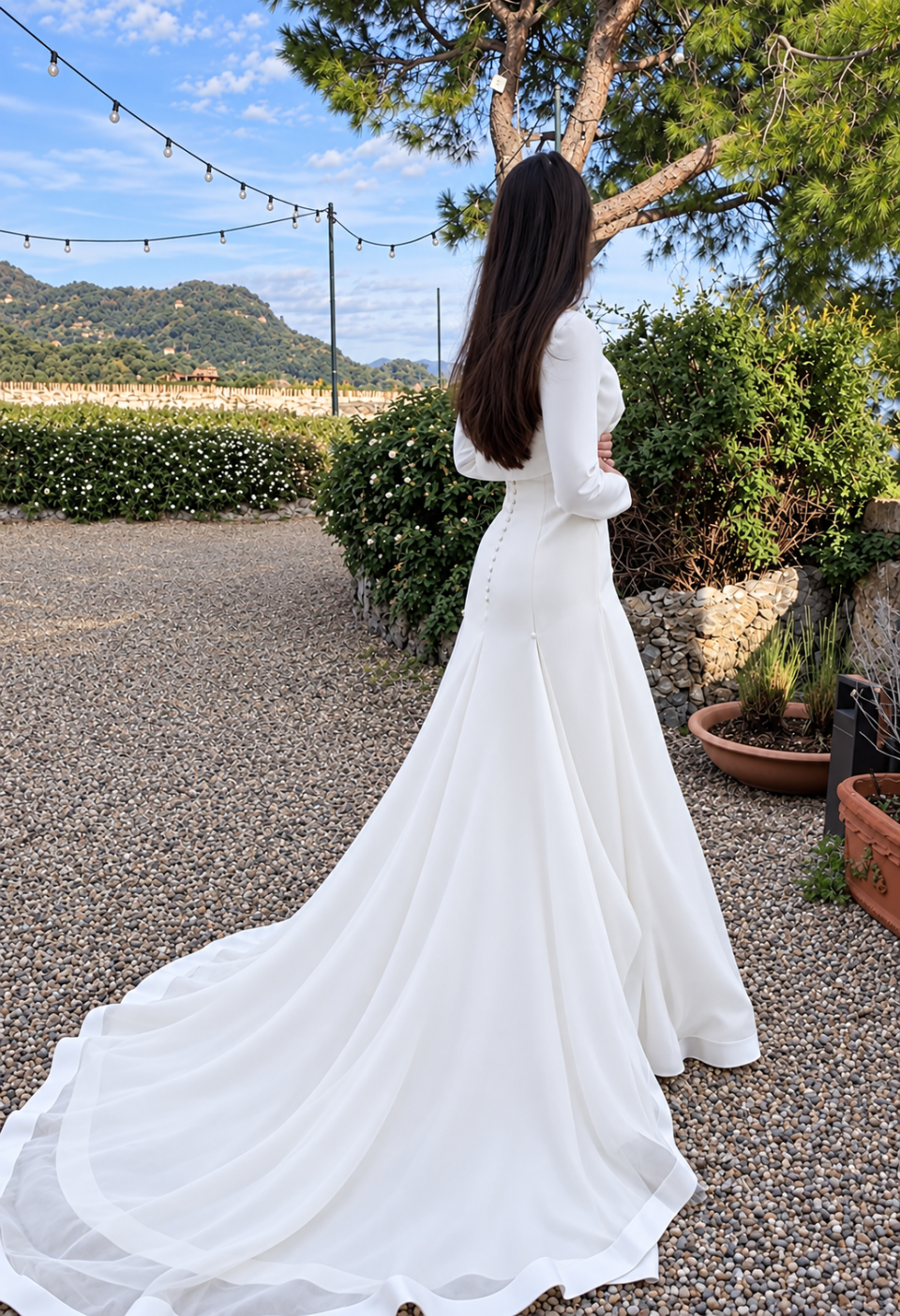
This shift is not merely a stylistic preference; it is a response to the evolving nature of global travel and the desire for privacy. However, the Italian infrastructure, which is deeply rooted in local customs and rigid administrative procedures, often struggles to accommodate non-standard requests, necessitating the use of specialized intermediaries who understand the local ecosystem.
Financial Benchmarks and Market Realities
One of the most significant barriers for couples is the absence of standardized pricing. Without clear industry-wide transparency, couples often enter the planning phase with unrealistic budgetary expectations. Based on current market analysis, wedding costs in Italy typically fall into three distinct tiers:
- Elopements: For a two-person ceremony involving a photographer, a celebrant, and a dinner, costs generally range from €3,000 to €8,000. These figures are heavily dependent on seasonal availability and location.
- Small-scale weddings (20–30 guests): This bracket, which is currently the fastest-growing segment of the market, typically requires a budget between €12,000 and €20,000.
- Mid-sized weddings (50–60 guests): For these events, the expenditure usually climbs to between €20,000 and €35,000.
These figures do not account for travel, accommodation for guests, or elaborate floral and decor requests. Analysts suggest that the "package deal" model often marketed to international couples can be a double-edged sword. While these packages minimize the stress of coordinating disparate suppliers, they frequently include mandatory items—such as specific catering or photography services—that cannot be removed, potentially leading to unnecessary expenditure.
The Legal Framework: A Timeline of Compliance
The legal requirements for a foreign national to wed in Italy are stringent and time-sensitive. The administrative process is not a formality that can be completed upon arrival; it is a multi-stage procedure that must be initiated months in advance.
For British citizens, the process necessitates a Certificate of No Impediment (CNI). This document must be requested from a local register office, but it only becomes valid 28 days after the notice is given. Furthermore, the CNI has a strict expiration date, which must be carefully calculated against the date of the ceremony in Italy.
For American citizens, the process is slightly different but equally rigorous, requiring a sworn declaration at a U.S. consulate within Italy, which must then be legalized by the local prefecture. Failure to adhere to these timelines can result in the invalidation of the marriage. Consequently, experts recommend a three-to-four-month lead time for document procurement to mitigate the risk of administrative delays.
The Symbolic Alternative
Due to the logistical burdens of legal registration, a growing number of couples are opting for a "symbolic ceremony." In this model, the couple completes their legal marriage in their home country—often at a local registry office—before traveling to Italy for a ceremonial event.
This approach offers two primary advantages: it eliminates the administrative risk of working with foreign legal systems, and it removes all restrictions on the identity of the officiant. Because the event holds no legal weight under Italian law, couples are free to have friends, family members, or professional non-denominational celebrants lead the proceedings. Industry data suggests that over 50% of international couples now choose this route to ensure their ceremony remains personal and stress-free.
Strategic Geographic Considerations
The choice of location plays a pivotal role in both the cost and the logistical complexity of an Italian wedding. While Tuscany and the Amalfi Coast remain the most sought-after destinations, they are also the most expensive and crowded.
- The Dolomites: Offering a dramatic, high-altitude backdrop, the Dolomites are increasingly popular for sunrise ceremonies. However, the region presents extreme environmental challenges, including freezing temperatures at dawn, even in peak summer months, and limited accessibility via cable car, which often restricts the timing of the ceremony.
- The Ligurian Coast: The Cinque Terre offers a unique, car-free environment that is ideal for intimate, dramatic weddings. Due to the area’s status as a protected national park, however, the availability of event venues is severely limited, making advanced planning essential.
- Lake Como: Often perceived as a high-cost, ultra-luxury destination, Lake Como actually offers diverse options for small-scale events. During the shoulder season—specifically in October—costs drop significantly, and the region provides a variety of villas capable of hosting small, private gatherings that are more affordable than the grand productions often associated with the area.
Seasonal Timing and Implications
The timing of a wedding in Italy significantly impacts the overall experience. The peak tourist season of July and August is generally discouraged by local experts due to extreme heat, excessive crowds, and premium pricing.

The optimal window for a destination wedding is September through early October. During this period, the climate becomes more temperate, the "amber" quality of the light is ideal for photography, and the volume of tourists declines, allowing for more intimate settings. A secondary window exists from late April to early June, though this period carries a higher risk of rainfall.
Winter weddings remain an untapped niche. While many high-end venues close during the colder months, those that remain open offer lower rates and a unique, atmospheric experience for smaller groups.
Conclusion
The decision to marry in Italy requires a balanced approach between romantic expectation and operational reality. By prioritizing administrative compliance, selecting locations that align with the scale of the event, and carefully vetting the flexibility of service providers, couples can successfully navigate the complexities of the Italian wedding market. As the industry continues to move away from rigid, one-size-fits-all packages, the trend toward personalized, smaller, and more intentional ceremonies is likely to define the future of international destination weddings in the region.