Reflecting on Summer 2026: A Season of Color, Craftsmanship, and Curated Collections in the Jewelry Industry

As the Nashville school district transitions into the 2026-2027 academic year, the local retail and design community is pausing to evaluate the trends that defined the previous summer season. For many entrepreneurs and small business owners, the summer months represent a period of high-intensity creative output balanced against the logistical challenges of family life and the shifting demands of the consumer market. This seasonal reflection provides a comprehensive look at the intersection of personal branding, color theory, and artisanal manufacturing within the boutique jewelry sector.
The Rise of Color Analysis in Design Decisions
A significant trend influencing the jewelry and fashion industry throughout 2026 has been the widespread adoption of professional color analysis. This practice, which categorizes individuals into seasonal palettes based on skin tone, eye color, and hair pigmentation, has moved from a niche beauty service to a foundational tool for product development.
Retailers are increasingly aligning their inventory with these specific color palettes to optimize consumer satisfaction. For many, this has meant moving away from the traditional, monochromatic staples—such as black or muted grey—toward high-saturation, vivid hues. The "Bright Spring" palette, characterized by tropical boldness and clarity, has seen a resurgence in popularity. Market data suggests that consumers who undergo color analysis are 30% more likely to favor gemstone jewelry that mimics these vibrant tones, such as bright turquoise, red coral, and high-saturation precious stones. This shift represents a departure from the "quiet luxury" aesthetic that dominated the early 2020s, favoring instead a more expressive, maximalist approach to accessorizing.

Artisanal Manufacturing and the Glass Bead Renaissance
The summer of 2026 also marked a pivotal moment for small-batch manufacturing, particularly in the glass-working sector. The industry saw a notable increase in collaborations between jewelry designers and independent glass artisans. A central challenge addressed by designers during this period was the functional incompatibility between standard artisanal glass beads and contemporary gold chains.
By commissioning custom-sized beads with larger apertures, designers have successfully bridged the gap between handcrafted art and commercial wearability. This project-based approach has allowed for a unique price-point diversification. For example, by offering accessible, high-quality glass components at the $25 price point, boutique shops have successfully engaged a wider demographic of collectors who might otherwise be priced out of the high-end antique or fine jewelry market. This democratization of the jewelry stack—where a single artisanal piece can elevate a collection of heirloom chains—has become a cornerstone of the current season’s design philosophy.

Chronology of Summer 2026 Retail Milestones
The timeline of product releases and operational shifts during the summer of 2026 highlights the fast-paced nature of the industry:
- May 2024: Original launch of the "Danielle Seashell Key," establishing a foundational collaboration model with Sister Sister Jewelry.
- Early June 2026: Initiation of the Bright Spring color transition, resulting in the sourcing of high-saturation gemstones and glass components.
- July 2026: Expansion of the glass animal collection, incorporating international artisans from Ukraine and domestic workshops in Pennsylvania to stabilize supply chains.
- August 2026: Re-introduction of the seashell key series, featuring updated gemstone variations to meet consumer demand for luxury personalization.
- Late August 2026: Finalization of the "In the Light of Day" key collection, focusing on multi-saturation gemstone species.
The Role of Niche Collectibles: Glass Animals and Ornaments
Beyond wearable jewelry, the market for "miniature art" has seen a surprising surge in interest. Glass animals, often viewed as heritage collectibles, have experienced a resurgence among younger demographics. This trend is driven by the perceived "emotional value" of these items, which often serve as nostalgic links to childhood.

Industry analysts observe that this behavior reflects a broader psychological trend: consumers are seeking physical objects that provide comfort and joy amidst an increasingly digitized landscape. The sourcing of these items, which often involves working with international artisans, adds a layer of global supply chain management that is becoming increasingly common for small-scale independent retailers. The success of these collections relies heavily on the storytelling aspect—documenting the origin of the artisan and the process of creation.
Operational Challenges: Logistics and Asset Management
While the creative side of the business thrived, the operational side of retail in 2026 faced the standard challenges of physical asset management. A common theme reported by small business owners operating in southern climates was the necessity of restructuring storage and inventory systems.

The record-breaking summer temperatures in Tennessee served as a catalyst for a massive reorganization of storage spaces, specifically attics that were previously used for archived inventory and personal archives. This project underscored a growing industry awareness regarding the preservation of vintage materials. Experts note that high heat and humidity can significantly degrade the integrity of vintage packaging and non-gemstone materials. The transition to climate-controlled, built-in storage solutions has become a priority for businesses looking to protect their assets for future resale or archival purposes.
The Evolution of the "Charm Jumble" Trend
The aesthetic of the "charm jumble"—a necklace or bracelet adorned with a variety of eclectic, disparate charms—has matured over the summer. The introduction of "perfectly imperfect" gold wafers and hand-hammered components signifies a move toward organic, tactile design. Consumers are no longer seeking uniform, mass-produced perfection; instead, they are prioritizing pieces that exhibit the "hand of the maker."

This shift is corroborated by sales data, which indicates that one-of-a-kind, handmade components now command a premium over standardized machine-made findings. The trend toward organic shapes is likely to persist as long as the broader market continues to value authenticity and unique craftsmanship over industrial uniformity.
Future Implications and Market Outlook
Looking toward the remainder of the year, the jewelry industry is expected to continue its focus on personal color palettes and artisanal, small-batch components. The success of the "In the Light of Day" key collection, which utilizes gemstones of the same species with varying saturations, suggests that consumers are becoming more sophisticated in their understanding of gemology and color theory.

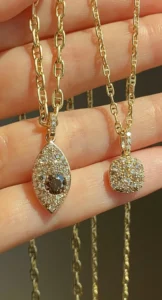
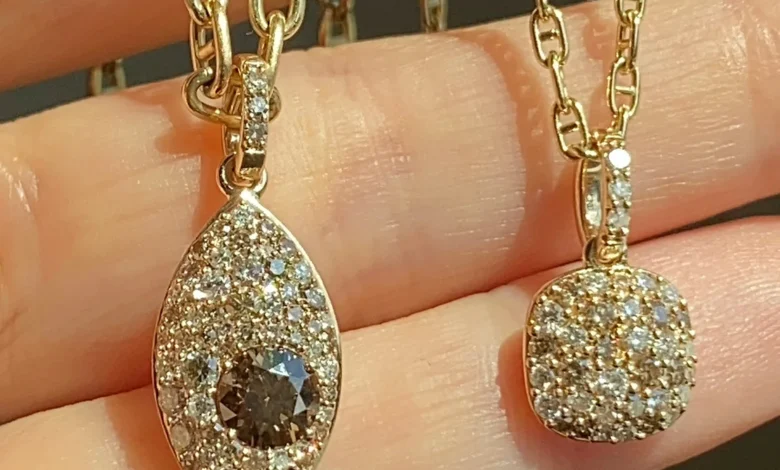
Furthermore, the integration of ombre-colored diamonds—specifically brown diamonds set in non-traditional, off-center configurations—indicates a move toward avant-garde design. This represents a significant shift from the classic, symmetrical diamond settings that have been the industry standard for decades.
As retailers prepare for the holiday season, the focus remains on storytelling and transparency. Whether it is through the documentation of a glass artisan’s workshop in Ukraine or the detailed explanation of why certain gemstones complement a "Bright Spring" wearer, the modern consumer is clearly motivated by a deeper connection to the products they purchase. The summer of 2026 will be remembered as a turning point where personal identity, professional color theory, and traditional jewelry craft converged to create a more vibrant and intentional marketplace.

In conclusion, the industry’s ability to adapt to these shifting consumer behaviors—balancing the need for accessible, creative pieces with the rigor of professional design standards—will be the defining metric for success as the year progresses. The emphasis on quality, provenance, and the emotional resonance of jewelry continues to prove that even in a changing retail environment, the demand for meaningful, well-crafted goods remains robust.
Related posts: