The global bridal fashion industry has entered a new era of romanticism with the official unveiling of the Ricca Sposa 2027 Couture collection, titled L’Art de la Dentelle. This latest offering, consisting of 17 meticulously crafted gowns, marks a significant departure from seasonal trends, favoring instead a return to the foundational principles of haute couture: structural integrity, intricate textile artistry, and a refined, understated aesthetic. By prioritizing the architectural qualities of lace, Ricca Sposa has positioned itself at the forefront of a movement that rejects fast-fashion bridal wear in favor of long-lasting, heirloom-quality garments.

The Genesis of the Collection
The concept for L’Art de la Dentelle was birthed within the walls of a historic Parisian atelier. The creative team at Ricca Sposa sought to bridge the gap between traditional artisanal techniques and the demands of the modern, discerning bride. By utilizing the atelier as both a physical space and a conceptual inspiration, the design house aimed to evoke the sensory experience of classic couture—a setting where every stitch is deliberate and every seam is a testament to technical mastery.

Chronologically, the development of this collection spanned approximately 18 months, beginning in early 2026. The initial phase focused on material sourcing, specifically seeking out heritage lace producers capable of delivering patterns that could withstand the structural demands of contemporary silhouettes. By mid-2026, the team moved into the prototyping phase, testing how these delicate fabrics could function as load-bearing elements in garments featuring peplum bodices, corset structures, and dramatic chapel-length trains.

Design Philosophy and Structural Innovation
The 2027 collection is characterized by a "sculptural" approach to bridal wear. In previous years, the industry saw a surge in minimalist, crepe-heavy designs. Ricca Sposa’s new direction serves as a direct counter-narrative, reintroducing lace as a structural protagonist rather than a mere decorative overlay.

Key technical elements observed across the 17-piece collection include:

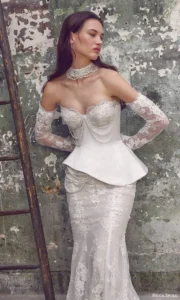
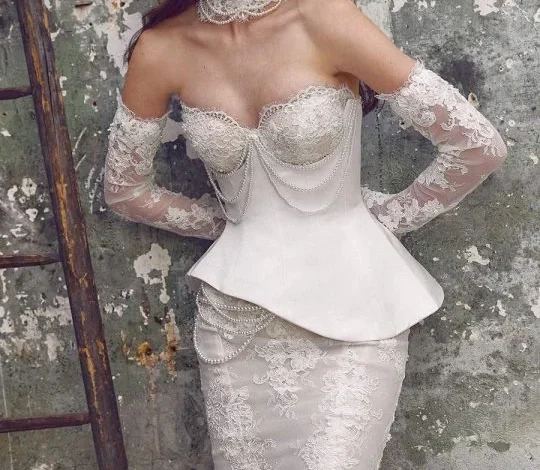
- Engineered Peplums: Used to create a dramatic, hourglass silhouette that balances the fluidity of the lace.
- Illusion Bodices: Integrated with hand-placed embroidery to ensure a seamless fit that mimics the appearance of skin while providing the necessary support of a corset.
- Modular Accessories: The inclusion of detached sleeves and gloves allows for a transformative bridal look, catering to the growing trend of "day-to-night" wedding fashion where a bride may remove components for a reception-ready ensemble.
- Fit-and-Flare Sheaths: A recurring silhouette that utilizes vertical lace placement to elongate the frame, catering to a sophisticated, mature bridal demographic.
This emphasis on construction is indicative of a broader industry shift toward "investment dressing." As economic conditions fluctuate, the luxury bridal sector has observed a rise in consumers who prioritize the longevity and versatility of a gown, seeking pieces that can be styled in multiple ways or altered for future formal events.

Market Context and Industry Impact
The timing of the L’Art de la Dentelle release aligns with a broader post-pandemic resurgence in high-end bridal spending. According to market research in the luxury apparel sector, there has been an 8% year-over-year increase in demand for "couture-level" finishes in ready-to-wear bridal lines. Brides are increasingly looking for a "bespoke feel" even within the context of atelier-produced collections.

Ricca Sposa’s decision to limit this specific collection to 17 designs serves two functions: it reinforces the brand’s exclusivity and allows for a higher standard of quality control during the manufacturing process. By focusing on a smaller, curated selection, the brand minimizes waste and ensures that each garment receives the necessary attention from master tailors. This strategy is reflective of the "slow fashion" movement, which emphasizes ethical production and the preservation of artisanal crafts that are at risk of disappearing in a mass-market environment.

The Role of Heritage and Modernity
L’Art de la Dentelle acts as a dialogue between the past and the future. The use of "timeworn" references is not merely an aesthetic choice; it is an acknowledgment of the history of lace-making, an art form that has served as a symbol of status and romance for centuries. However, the application of this lace is distinctly modern.

By incorporating high-necklines, floor-sweeping capes, and dramatic slits, Ricca Sposa manages to keep the collection relevant to the 2027 bride, who is likely to be influenced by global red-carpet aesthetics as much as traditional bridal tropes. The juxtaposition of a high-neckline, long-sleeve lace gown with a modern, clean-lined cape exemplifies this fusion. It satisfies the desire for modesty and tradition while embracing the theatricality expected of high-fashion bridal photography.

Expert Analysis: A Shift in Bridal Consumption
Industry analysts have noted that the success of a collection like L’Art de la Dentelle hinges on its ability to satisfy the "social media visibility" requirement of modern weddings. In the digital age, a dress must photograph well from every angle. The inclusion of tiered ruffle skirts, illusion bodices, and intricate scalloped necklines ensures that these gowns are visually arresting both in person and on digital platforms.

Furthermore, the brand’s emphasis on "individual identity" is a strategic response to the homogenization of wedding styles driven by viral trends on platforms like Instagram and TikTok. By offering complex, highly detailed gowns, Ricca Sposa provides an antidote to the "minimalist trend," offering a product that feels custom-designed for the individual rather than mass-produced for the masses.

Implications for Future Collections
The 2027 collection sets a high bar for the brand’s future endeavors. The focus on "understated elegance" suggests that Ricca Sposa is positioning itself to compete with legacy couture houses that have dominated the market for decades. If the initial reception from bridal boutiques and international fashion press is any indication, the emphasis on material quality and structural integrity will remain the primary drivers of growth for the label.

Looking ahead to 2028, experts anticipate that the success of these 17 designs will likely influence the brand to expand its use of sustainable, ethically sourced laces, as the demand for transparency in the luxury fashion supply chain continues to grow. The integration of technology in the design process—such as 3D mapping for better fit—could also be a logical next step for a house that prides itself on "impeccable fit."

Conclusion
The Ricca Sposa 2027 L’Art de la Dentelle collection is more than a seasonal launch; it is a declaration of intent. By grounding its creative output in the historical significance of lace while pushing the boundaries of contemporary construction, the brand has demonstrated a deep understanding of the modern bride’s psyche. In an era of infinite choice, the collection offers a sense of permanence and artistry that is increasingly rare. For those who view their wedding as a moment of profound personal expression, the 17 gowns presented by Ricca Sposa offer a rare blend of nostalgia, technical brilliance, and forward-thinking design that is poised to define the bridal aesthetic for the coming year. As the wedding industry continues to evolve, Ricca Sposa stands as a reminder that the most impactful fashion is that which honors its roots while fearlessly looking toward the future.