Navigating the Beauty Giants: Ilia Founder Sasha Plavsic on Decades of Clean Beauty Evolution, Sephora Partnerships, and Scaling a Global Brand

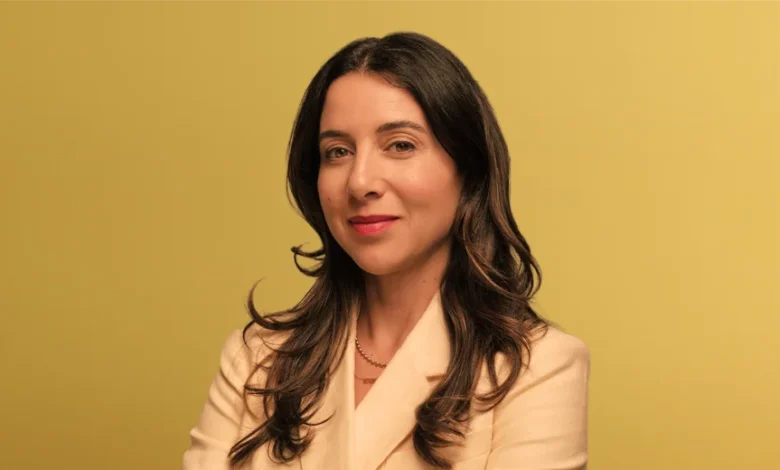
The modern beauty and wellness landscape is characterized by hyper-competition, shifting consumer preferences, and the relentless pressure to scale at an unprecedented pace. Within this high-stakes ecosystem, indie brands often struggle to maintain their foundational ethos while achieving mass-market distribution. Few companies, however, have mastered this delicate balancing act as effectively as Ilia Beauty. Founded by Sasha Plavsic, the clean beauty pioneer has evolved from an independent e-commerce startup into a dominant global force, anchoring its success in a decade-long partnership with specialty retail giant Sephora.
Appearing on a recent episode of the Glossy Beauty Podcast hosted by Lexy Lebsack, Plavsic offered an unfiltered look at the realities of scaling a beauty brand, the origin of industry-defining retail standards, and the operational fortitude required to survive in an unforgiving commercial environment. Her insights provide a definitive case study for emerging entrepreneurs seeking to decode the complexities of contemporary beauty retail.
The Genesis of an Industry Pioneer: From Independent Boutiques to Mass Appeal
The story of Ilia Beauty began long before the brand officially found its footing in the mainstream market. Conceived by Plavsic between 2008 and 2009, the brand entered a beauty landscape that looked fundamentally different from today. At the time, the concept of "clean beauty" was largely niche, lacking the robust consumer awareness and regulatory frameworks that define the sector today.
Rather than rushing to secure venture capital or rapid expansion, Plavsic opted for a slow-and-steady trajectory. Ilia officially launched in 2011, relying primarily on direct-to-consumer e-commerce and placement in small, independent beauty boutiques. This deliberate pacing afforded the company a luxury rarely found in today’s hyper-funded startup culture: nearly a decade of runway to iterate, refine, and occasionally stumble without catastrophic consequences.
Operationally, the brand functioned on tight budgets during its formative years. Because external fundraising was not prioritized in the same manner as it is today, Plavsic and her small team learned to run a tight fiscal ship. This prolonged incubation period allowed Ilia to cultivate a distinct brand identity and build authentic consumer trust long before entering high-volume retail environments.
The Sephora Turning Point: Acting as the Clean Beauty Guinea Pig
The true inflection point for Ilia arrived in 2016, when the brand secured distribution within Sephora. The partnership coincided with a strategic capital injection, providing the brand with the financial backing and logistical muscle necessary to support accelerated growth.
However, entering Sephora also meant stepping onto the industry’s most demanding retail stage. Around the time of Ilia’s entry, Sephora executives were conceptualizing a revolutionary retail framework to categorize and validate safer, non-toxic formulations: the Clean at Sephora program. Recognizing that Ilia’s product DNA aligned perfectly with these nascent standards, Sephora tapped the brand to serve as an early partner and testing ground.
Plavsic recalled being approached by Sephora leadership during the program’s development phase. Executives informed her that the retailer was building a dedicated clean category and wanted Ilia to help shape the makeup assortment. Serving essentially as the commercial "guinea pig" for the initiative, Ilia worked collaboratively with Sephora to establish foundational standards for the category, cementing its status as an architect of the modern clean beauty movement.
According to Plavsic, the transition into Sephora was an absolute game changer that fundamentally altered the trajectory of the business. Yet, she is quick to demystify the glamour associated with such massive retail partnerships, characterizing the environment as intensely demanding.
Surviving the Retail "Snake Pit": Expectations and Execution at Scale
While the rewards of a Sephora partnership are substantial, the operational pressures can be overwhelming. Plavsic candidly addressed the high-stakes nature of partnering with retail giants, noting that brands often receive a single opportunity to prove their viability.
Clarifying her characterization of the platform as a metaphorical "snake pit," Plavsic emphasized that the phrase does not stem from negativity, but rather from the unforgiving margin of error. When a major retailer allocates prime shelf space and financial investment to an independent brand, the expectation of performance is absolute. Brands must be operationally prepared to run at an accelerated pace, aligning their supply chains, inventory management, and marketing strategies with the retailer’s aggressive growth projections.
Plavsic observed that friction often arises when founders fail to maintain open, proactive communication with their retail partners. Some emerging brands express frustration over demanding sales targets or operational mandates, viewing them as unreasonable expectations. Plavsic, however, argues that these challenges are typically surmountable through transparent dialogue and collaborative strategic planning. Assigning dedicated team members to work directly with retail buyers to map out sustainable growth trajectories is, in her view, a non-negotiable requirement for long-term survival.
Growth, Plavsic noted, can be deeply painful—particularly when facilitated by a partner capable of scaling a business faster than almost any other entity in the marketplace. Despite the friction and operational stress, she maintains that passing up such an opportunity is simply not an option for a brand with global aspirations.
The Ascent of an Icon: Engineering the No. 1 Mascara at Sephora
Among Ilia’s numerous retail milestones, none stands out quite as clearly as the market dominance of its flagship product: the Limitless Lash Mascara. Launched in 2017, the product embarked on a methodical climb before capturing the coveted top-selling mascara spot at Sephora—a position the brand has successfully defended for multiple years.
Achieving this status required competing against legacy beauty conglomerates and long-established cosmetic giants. Plavsic notes with palpable pride that the product has transcended its niche origins to become the No. 4 overall best-selling mascara in the United States.
The success of the Limitless Lash Mascara underscores the importance of product differentiation. Ilia identified an unmet consumer need for a clean formulation that performed on par with, or superior to, traditional high-performance mascaras. By embedding the core values of the brand’s DNA into the formulation and packaging, Ilia fostered exceptional consumer loyalty, transforming a single hero product into a powerful engine for brand awareness and customer acquisition.
Diversifying the Portfolio: Navigating Multi-Channel Retail Strategies
Following its initial breakthrough in Sephora, Ilia deliberately expanded its retail footprint to mitigate platform dependency and capture diverse consumer segments. Over the subsequent years, the brand established a presence across a curated mix of specialty, prestige, and e-commerce platforms, including Credo, Mecca, Revolve, Nordstrom, and Amazon.
Most recently, in 2024, Ilia expanded into Ulta Beauty. Plavsic views this expansion not as an exercise in channel overlap, but as an opportunity to engage a distinct demographic of beauty consumers who shop differently than the core Sephora clientele. By thoughtfully segmenting its retail strategy, Ilia has managed to maintain its strong equity within prestige specialty stores while scaling its accessibility nationwide.
This multi-channel diversification strategy reached another major milestone in 2022, when Ilia Beauty was acquired by Famille C, the Courtin-Clarins family holding company and owner of the prestigious French beauty house Clarins. The backing of a heritage beauty dynasty provided Ilia with long-term strategic stability, global operational expertise, and the resources necessary to support its next phase of international expansion.
Broader Implications and Industry Analysis
The trajectory of Ilia Beauty offers critical lessons for the broader cosmetics and wellness sectors. As venture capital funding tightens and customer acquisition costs rise within digital channels, indie beauty brands face an increasingly narrow path to sustainable profitability. The traditional playbook of rapid, investor-fueled digital growth is increasingly giving way to disciplined omnichannel strategies.
Plavsic’s journey illustrates that sustainable longevity in the beauty industry requires a rare combination of operational patience during a brand’s formative years and lightning-fast execution when major retail opportunities arise. Furthermore, Ilia’s active involvement in shaping the Clean at Sephora standard highlights the growing importance of brand-retailer collaboration in establishing consumer trust and regulatory clarity.
As clean beauty transitions from a sub-sector into an industry-wide baseline expectation, brands must continually innovate beyond simple ingredient safety to maintain consumer loyalty. Ilia’s success with its flagship mascara proves that efficacy remains paramount; consumers will embrace clean formulations, but only when product performance matches or exceeds conventional alternatives.
Ultimately, Sasha Plavsic’s reflections on the Glossy Beauty Podcast serve as a masterclass in modern beauty entrepreneurship. By balancing creative passion with rigorous operational discipline, Ilia has successfully navigated the tumultuous waters of the retail landscape, proving that independent vision can thrive within the machinery of the world’s largest beauty conglomerates.