Pressure is mounting on Prime Minister Andy Burnham and Chancellor John Healey to tax online retail more heavily in the upcoming Autumn Budget.

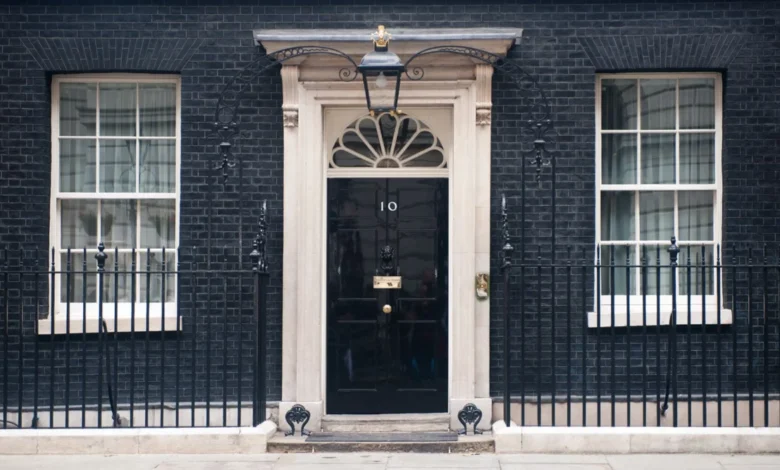
As the October 28 fiscal announcement approaches, the UK government finds itself at a critical crossroads regarding the future of the nation’s town centres. Former Bank of England chief economist Andy Haldane has emerged as a central figure in this debate, forcefully urging the administration to fundamentally rebalance the tax landscape to favour physical retail. His intervention, first detailed in a series published by The Guardian, underscores a growing consensus among economic strategists that the current fiscal framework is actively contributing to the erosion of Britain’s high streets.
Haldane’s argument rests on the premise that the tax burden is currently misaligned, favouring large-scale digital operations over traditional brick-and-mortar establishments. By calling for a "level playing field," he is advocating for a systematic review of business rates and a shift in tax incentives that have, for years, allowed online giants to enjoy competitive advantages that physical shops simply cannot match. This proposal coincides with wider calls for the government to supercharge devolution, granting local authorities more power to implement tailored economic strategies to regenerate their specific regional economies.
A Decade of Structural Decline
The crisis facing the high street is not a sudden development but rather the culmination of a decade-long shift in consumer behaviour and economic policy. Data from the Northern Health Science Alliance (NHSA) and Health Equity North suggests that UK high streets have suffered a contraction of between 10% and 20% in both footfall and physical presence over the last ten years. This decline has been exacerbated by the convergence of several negative pressures: the lingering effects of the COVID-19 pandemic, the rapid digitisation of the retail sector, and the rising cost of living.
While physical retail has struggled, the digital sector has seen unprecedented growth. Online sales surged by 199% in the decade leading up to 2024. This trajectory has fundamentally altered the retail landscape, with e-commerce now capturing approximately 30% of all total retail spending in the UK. This transition has left many town centres with high vacancy rates, creating a cycle of urban decay that is difficult to reverse without state intervention.
Chronology of the High Street Crisis
To understand the urgency of the current political discourse, one must look at the timeline of the UK retail sector’s transformation:
- 2014–2019: The "Retail Apocalypse" begins as major chains collapse under the weight of high business rates and the burgeoning convenience of Amazon and other online marketplaces.
- 2020–2021: The COVID-19 pandemic forces widespread lockdowns, accelerating the transition to e-commerce by an estimated five years in just a few months.
- 2022–2023: High inflation and interest rate hikes dampen consumer confidence, further squeezing the margins of physical retailers already struggling with high energy costs.
- September 2024: Prime Minister Andy Burnham announces a £210 million investment package, earmarking £125 million for building restoration and £65 million for direct business support.
- October 2024: The impending Autumn Budget becomes the focal point for lobbyists and economists who argue that one-off grants are insufficient to address the systemic imbalances in the tax code.
The Fiscal Argument for Reform
The core of the debate concerns the current business rates system, which is widely criticised for being regressive. Physical retailers pay rates based on the rental value of their premises, regardless of whether they are turning a profit. In contrast, online retailers often operate from distribution centres located in lower-rent areas, significantly reducing their tax liabilities relative to their turnover.
Economists like Haldane argue that this disparity is no longer sustainable. If the government is to fulfil its commitment to regenerating local communities, they must address the "digital bias" in the current tax code. While the government has pledged £210 million to date, critics argue this is merely a "sticking plaster" on a gaping structural wound. A meaningful tax on online transactions—often referred to as an "Amazon Tax"—could generate the revenue needed to lower business rates for small, independent shops, thereby incentivising a return to the high street.
Official Responses and Government Strategy
Prime Minister Burnham has consistently maintained that the health of the high street is a barometer for the health of the nation’s social fabric. His administration has prioritised "community wealth building," a policy framework that seeks to keep capital circulating within local areas. However, the Chancellor, John Healey, faces the difficult task of balancing this goal with the need to maintain a competitive digital economy.
Industry representatives, particularly those from the retail sector, have expressed cautious optimism. The British Retail Consortium (BRC) and various local commerce chambers have long lobbied for a reduction in the business rates multiplier. However, major e-commerce platforms argue that a new levy could stifle innovation and potentially raise prices for consumers already grappling with high inflation. The government’s challenge is to draft legislation that targets the structural advantages of dominant digital marketplaces without penalising smaller digital businesses or passing costs on to households.
Broader Economic Implications
The shift toward a tax overhaul is not merely about retail; it is about the future of urban planning. Remote working has led to a permanent change in how town centres are utilised. With fewer people commuting daily to office hubs, the traditional "commuter retail" model is dying. Experts suggest that for high streets to survive, they must transition into "lifestyle destinations"—incorporating leisure, residential, and service-based businesses alongside traditional retail.
A potential tax on online sales could act as a catalyst for this transition. By equalising the cost of doing business, the government could encourage a more diverse mix of tenants on the high street. However, analysts warn that the implementation must be precise. A poorly designed levy could lead to supply chain disruptions or cause online platforms to restructure their operations in ways that circumvent the tax, potentially leaving the government with less revenue than anticipated.
Analysis: The Path Forward
The upcoming Autumn Budget is poised to be a defining moment for the retail sector. If the government decides to move forward with a levy on digital commerce, it will mark the most significant intervention in the retail market in modern history. The policy will likely be judged on three criteria:
- Revenue Neutrality: Can the tax revenue from online sales be effectively ring-fenced to reduce the burden on physical shops?
- Market Fairness: Does the policy protect smaller, independent online retailers from the same taxes imposed on global giants?
- Economic Impact: Will the measure succeed in lowering prices for consumers, or will it lead to an increase in the cost of goods?
As October 28 draws near, the pressure on the government to provide a long-term solution to high street decline remains intense. While the £210 million in initial funding has been welcomed, the consensus among policy experts is that without fundamental tax reform, the decline of the traditional town centre will continue unabated. Whether the Chancellor chooses to implement a transformative tax policy or stick to incremental funding remains the central question of this year’s fiscal cycle. The outcome will not only reshape the retail landscape but will also set the tone for the government’s broader strategy on economic regionalism and community revitalisation.