Capturing the Sacred: Photographer Lev L. Spiro Explores the Celtic Concept of Thin Places in Nature

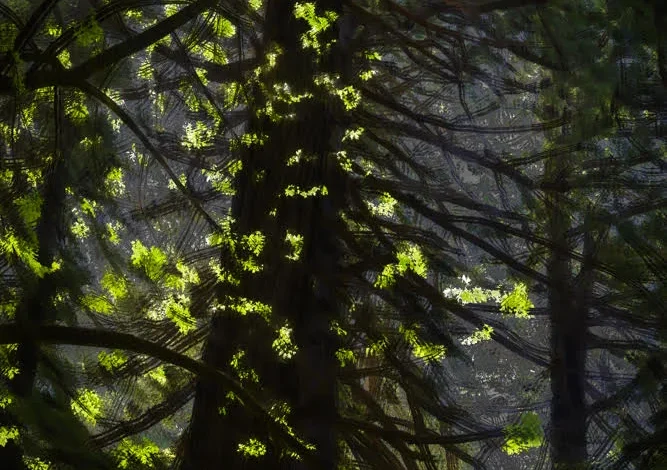
The intersection of fine art photography and Celtic spiritual tradition has found a compelling contemporary voice through the work of acclaimed film and television director and photographer Lev L. Spiro. Best known for his visual storytelling on screen, Spiro has cultivated a distinct second career behind the still camera, capturing landscapes that evoke a profound sense of the otherworldly. His ongoing photographic explorations—most notably his series titled Thin Places and his recent work, Elemental—delve into locations where the boundary between the physical and the spiritual world appears to dissolve.
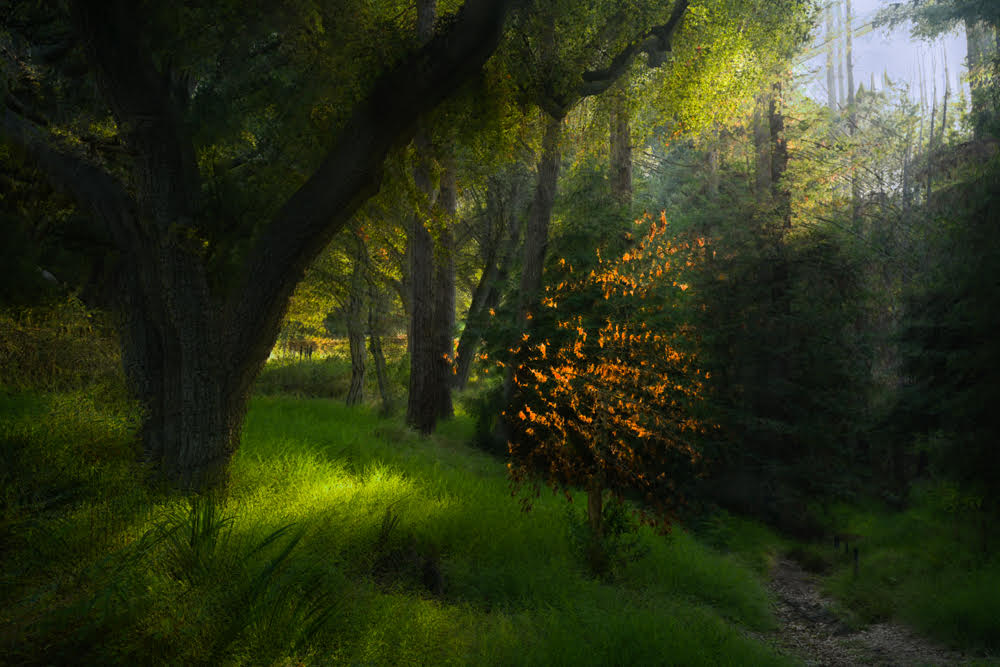
The concept of a "thin place" originates from ancient Celtic spirituality, describing geographic locations or atmospheric conditions where the veil separating the ordinary world from the sacred grows exceptionally delicate. While often associated with mythic landscapes or remote sanctuaries, Spiro’s work demonstrates that these phenomena can be encountered in everyday wilderness settings, provided the observer possesses the perceptual acuity to recognize them.
Origins and Conceptual Evolution
Spiro’s fascination with these liminal spaces began long before he adopted the formal terminology, rooted in formative childhood experiences. Growing up, he spent his eleventh through thirteenth summers immersed in an Outward Bound-style wilderness camp in Vermont. Away from the urban and suburban sprawl, the vastness of the natural world imparted a deep sense of awe, particularly during excursions into the Green Mountains and dense northern forests.

Decades later, while engaging with classic literature such as The Story of King Arthur and His Knights—where knights routinely venture out of Camelot into forests where time and atmosphere shift dramatically—Spiro recognized a literary parallel to his own early encounters with nature. This realization catalyzed a pivot in his photographic practice, steering him away from purely descriptive landscape photography toward an experiential, mood-driven methodology.
In his series Thin Places, Spiro predominantly utilized the golden hours—the two hours immediately following sunrise and the two hours preceding sunset—when natural light carries maximum emotional resonance. His subsequent series, Elemental, expanded upon this framework by incorporating long-exposure techniques to emphasize dynamic natural elements such as flowing water and shifting cloudscapes.

Pedagogical Impact and the Santa Fe Workshops Phenomenon
Spiro’s unique approach to landscape photography has transcended personal art-making, manifesting as a highly sought-after educational offering. In collaboration with the prestigious Santa Fe Workshops, Spiro developed a specialized curriculum titled "Thin Places: Photography and the Sacred in Nature."
The class has achieved extraordinary popularity within the photographic community, selling out multiple consecutive sessions and accumulating a substantial waiting list. Industry analysts and workshop organizers attribute this demand to a broader shift in contemporary landscape photography. Many practitioners, having mastered the technical fundamentals of exposure, composition, and digital post-processing, are increasingly seeking avenues to infuse their imagery with emotional depth and conceptual resonance.

Spiro’s curriculum draws heavily upon the philosophical foundations established by mid-20th-century photographic masters Minor White and Paul Caponigro. Both historical figures emphasized receptivity—the discipline of allowing the subject to reveal itself to the photographer rather than imposing a preconceived narrative onto the landscape. Spiro’s instruction challenges students to move beyond ordinary observation, urging them to slow down and attune their senses to subtle shifts in light, movement, form, texture, and temporal relationships.
Methodology and Field Practice
For Spiro, identifying and documenting a thin place is an exercise in perceptual discipline rather than a systematic geographical hunt. Influenced by his mentorship under renowned National Geographic photographer Sam Abell, Spiro emphasizes the importance of learning to be "stopped" by the environment.

"The most obvious clue is interesting light, certainly," Spiro explains. "But I learned from working with Sam Abell to let myself be stopped by things. I don’t necessarily know what’s stopped me—I often have to figure it out."
This intuitive friction often demands rapid adaptation in the field. Photographers working in this genre frequently face fleeting conditions: backlit leaves that fall into shadow within seconds, or localized breezes that dissipate before an exposure can be completed. Furthermore, Spiro notes that these encounters often disrupt premeditated artistic agendas. When conducting fieldwork for structured projects like Elemental—which requires heavy tripods, specialized lenses, and multi-stop neutral density (ND) filters—photographers are frequently waylaid by unanticipated visual phenomena that require an immediate overhaul of their equipment and technical settings.

Environmental stewardship remains a foundational tenet of Spiro’s field practice. Because thin places are defined by an intimate synergy between the observer and the environment, ethical considerations are paramount. Spiro adheres strictly to "Leave No Trace" principles, ensuring that his presence alters neither the physical integrity of the landscape nor its ecological balance. Furthermore, when working in regions holding ancestral or religious significance for Indigenous communities or other cultural groups, he underscores the necessity of profound respect for local traditions and beliefs.
Broader Implications for Contemporary Landscape Art
The resonance of Spiro’s Thin Places and Elemental series reflects a cultural longing for connection in an increasingly digitized and fast-paced world. By reframing landscape photography as an act of contemplative attention rather than mere documentation, artists like Spiro challenge viewers to reconsider their own relationship with the natural environment.

Art critics and photography historians note that the commercial and critical success of the "Thin Places" workshop signals a healthy maturation in modern visual arts. As automated capture technologies and artificial intelligence streamline the mechanical aspects of image-making, the differentiator in fine art photography is increasingly shifting toward personal vision, emotional authenticity, and the capacity for deep observation.
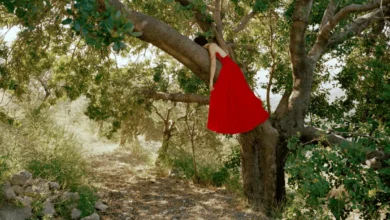
Ultimately, Spiro’s body of work—comprising evocative titles such as The Glen, The Discussion, The Stand, The Secret, Cathedral, Ascension, The Nave, and Portal—serves as both a visual archive of liminal landscapes and a philosophical guide. The primary takeaway for both his students and his audience is clear: the sacred is not a rare geographic anomaly hidden in inaccessible regions of the earth. Rather, it is a perceptual state, unlocked through patience, curiosity, presence, and the willingness to remain open to the world until it speaks.