A Tale of Two Basins: Photographer Elliot Ross Exposes Stark Water Inequities in the American Southwest

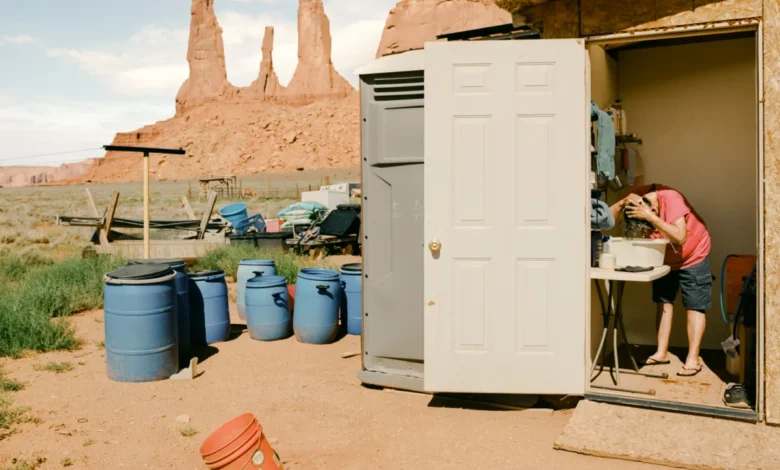
Water is life. People in the cities take it for granted and water their plants and grass. Here it’s precious. We think of water as a deity. This sentiment, expressed by Navajo Nation resident Tom Holiday, encapsulates a profound disparity that defines the modern American Southwest. While millions of urban and suburban residents enjoy the comforts of lush green lawns, sprawling golf courses, and private lagoons, more than one in three citizens of the Navajo Nation live without indoor plumbing or ready access to clean, running water.
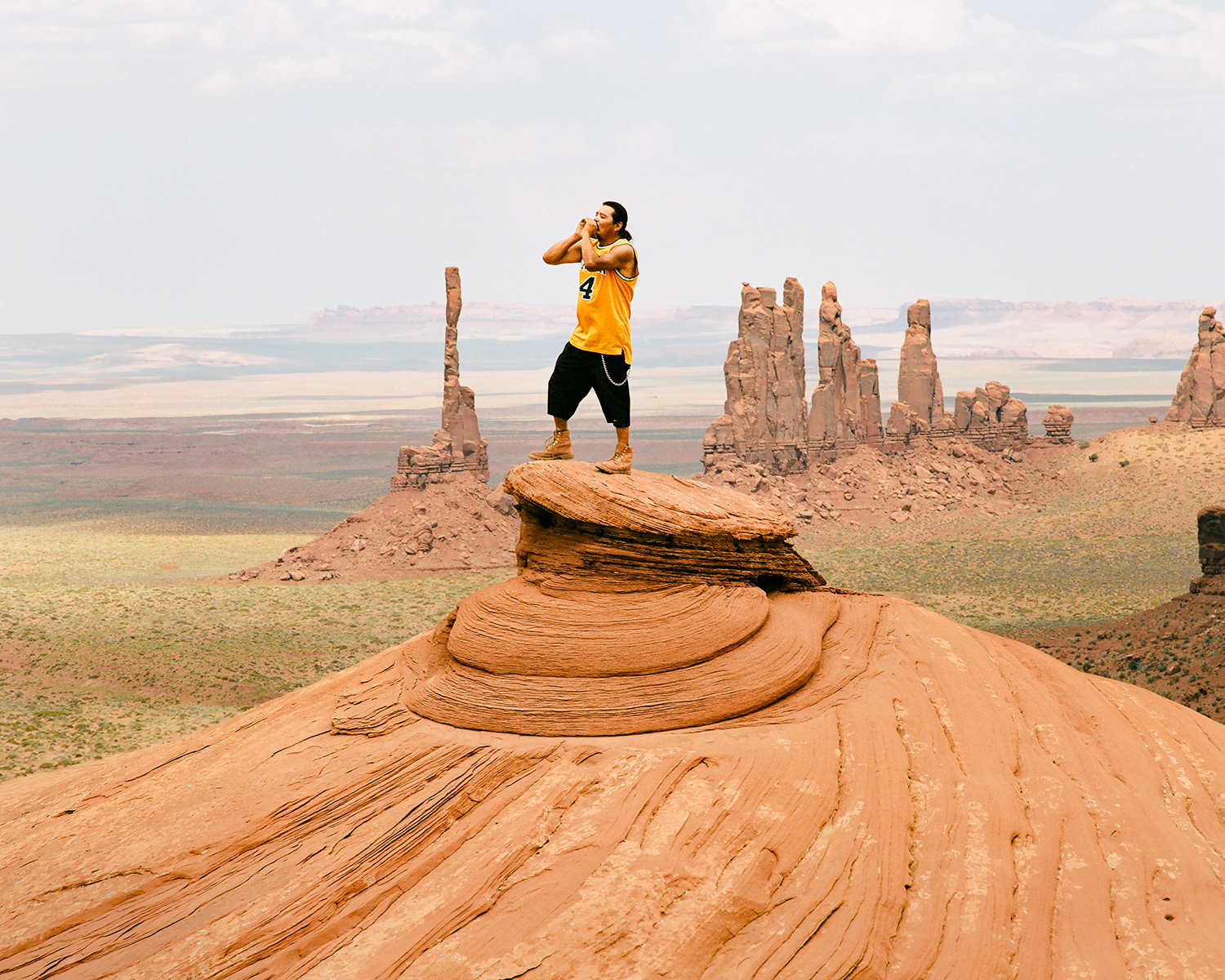
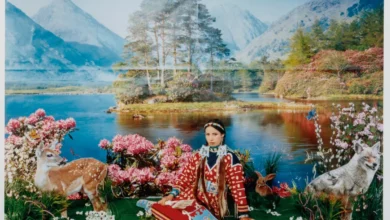
This stark geographical and socio-economic contrast is the focal point of a powerful new visual documentary project titled A Question of Balance. Captured by acclaimed photographer Elliot Ross, the project explores the parallel realities of two distinct communities situated just 80 miles apart, both dependent on the same dwindling hydrological lifeline: the Colorado River Basin. Published by KGP Monolith and supported by grants from the Magnum Foundation and the Center for Contemporary Documentation, Ross’s work utilizes striking imagery to examine how water accessibility exposes deep-seated systemic inequalities in the region.
Main Facts and the Geographic Divide

The American Southwest has long grappled with the realities of arid climates and severe droughts, but the burden of these environmental challenges is far from evenly distributed. In Washington County, Utah—a region characterized by rapidly expanding master-planned communities and a predominantly Mormon demographic—water consumption fuels an economy of abundance. Residents and developers benefit from approximately 2,500 private swimming pools, 17 golf courses, and heavily irrigated agricultural lands. Among these is the newly completed Black Desert Resort, featuring a verdant golf course built upon an ancient lava field, and Desert Color, a development boasting a four-million-gallon, 2.4-acre private freshwater lagoon fed by local groundwater wells.
Eighty miles away, the reality inside the Navajo Nation—the largest Native American reservation in the United States—stands in sharp, sobering contrast. Spanning portions of Arizona, Utah, and New Mexico, the reservation is home to thousands of families who experience conditions more akin to developing nations than the rural United States. More than 35 percent of Diné households lack running water, forcing residents to regularly haul water over long distances just to meet basic daily survival needs. For many, a simple garden spigot in hubs like Goulding, Utah, serves as the singular watering hole for hundreds of people, some of whom drive up to an hour each way to fill portable tanks.

Historical Chronology and Environmental Legacy
The root causes of this modern water crisis are deeply embedded in the historical exploitation of indigenous lands. During the Cold War era, the federal government heavily incentivized uranium mining across the Colorado Plateau to supply the nuclear arms race. Hundreds of uranium mines and exploratory sites were established on Navajo territory without adequate environmental regulations or subsequent cleanup commitments.

Decades later, the legacy of this industrial extraction continues to poison the landscape. Many of the natural springs, streams, and rivers that once sustained traditional Diné life remain dangerously contaminated with heavy metals and cancer-causing chemical elements, including uranium, nickel, and arsenic. As documented in the project—such as in images of young residents swimming in the uranium-contaminated Little Colorado River near Cameron, Arizona—communities are often left with an impossible choice: utilize unsafe local water sources or go without.
Infrastructure Disparities and Urban Expansion

The contrast in infrastructure development between Washington County and the Navajo Nation underscores a historical failure in public investment. Washington County has experienced explosive population growth, with the Kem Gardner Institute projecting that the region could eventually reach a carrying capacity of 950,000 residents. Backed by extensive engineering feats, including dams, reservoirs, and complex municipal distribution networks managed by entities like the Washington County Water Conservancy District, the region captures and distributes water to sustain urban sprawl.
Conversely, rural Navajo communities operate largely outside the reach of major water and electrical grids. While gradual electrification has made some progress—such as households receiving power for the first time in recent years, as seen in the home of nearly 90-year-old Florence Neztsosie in Navajo Mountain—running water infrastructure has lagged far behind. When heavy seasonal monsoon storms finally arrive, bringing the vast majority of the region’s annual precipitation, Navajo communities lack the costly dams and catchment infrastructure required to capture and store the runoff for dry months. Instead, residents like Tim Holiday and Linda Jackson must rely on resilience and sheer physical labor, managing daily household tasks with hauled water stored in barrels and tanks.

Broader Impact and Implications
Elliot Ross’s A Question of Balance transcends a mere regional documentation of resource allocation; it serves as a critical inquiry into environmental justice, climate change, and human rights in the 21st century. As climate change accelerates and the Colorado River Basin faces historic deficits, competition for water rights intensifies.

The findings of projects like Ross’s prompt uncomfortable questions for policy-makers, regional water authorities, and the federal government regarding resource distribution. While municipalities in Utah allocate roughly one in every twelve gallons of municipal water to maintain decorative green spaces and desert golf courses, American citizens a short drive away are forced to ration water by the gallon for drinking, cooking, and basic hygiene. As the Southwest navigates an increasingly dry future, the juxtaposition between urban abundance and indigenous scarcity highlights an urgent need for structural reform, infrastructure equity, and a fundamental reassessment of how water is valued, managed, and distributed across the American landscape.