Bank of England interest rate hike to 4 per cent signals deepening crisis for UK retail sector

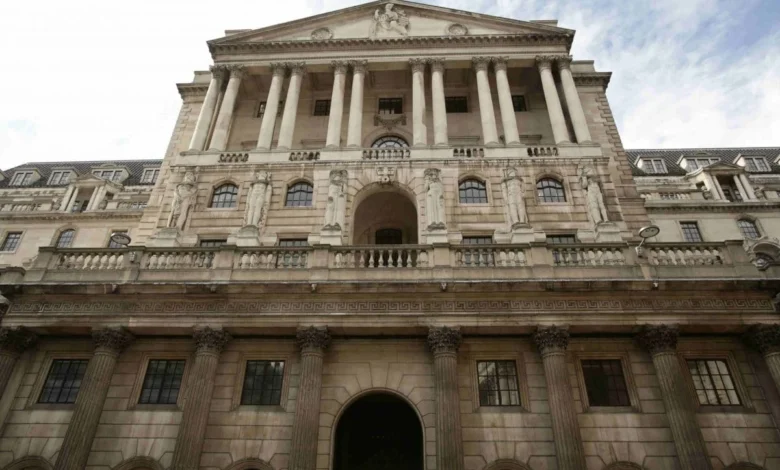
The Bank of England has officially raised the base interest rate to 4 per cent, marking the first such increase in over three years and signaling a significant shift in the UK’s monetary policy landscape. The Monetary Policy Committee (MPC) reached this decision in an eight-to-one vote, opting for a 0.25 percentage point increase from the previous 3.75 per cent level. This move, designed to curb persistent inflationary pressures, has sent shockwaves through the retail industry, which is already struggling to navigate a complex environment defined by surging operational costs and a noticeable contraction in consumer sentiment.
The decision arrives against a backdrop of global economic volatility, exacerbated by recent geopolitical instability in the Middle East. This conflict has catalyzed a sharp rise in global oil prices, which in turn has pushed energy and transportation costs to levels that the Bank of England now considers a primary threat to price stability. For the UK, an economy heavily reliant on imports, these external shocks are acting as a force multiplier for domestic inflation.
Chronology of Economic Pressure
The trajectory toward this rate hike was not sudden, but rather the result of a long-simmering economic pressure cooker. Throughout the latter half of the year, the Bank of England had repeatedly signaled that it was monitoring the confluence of rising energy bills, supply chain disruptions, and labor market tightening.
In September, the Bank issued a stark warning that inflation could reach 5 per cent by the end of the year, driven by a combination of poor agricultural harvests, extreme weather patterns that impacted global food supplies, and the escalating cost of energy. As autumn progressed, the concerns intensified. By October, the retail sector saw the most significant decline in consumer confidence since the onset of the Covid-19 pandemic. The GfK Consumer Confidence Barometer provided a grim look at the household psyche, reporting an 11-point drop to -24, a sharp decline from the -13 reported in September. This data point served as a precursor to the current climate of fiscal austerity among British households.
The decision to raise rates on this occasion is widely viewed by market analysts as a preemptive strike to prevent inflationary expectations from becoming entrenched. With the next MPC meeting scheduled for December 17, the Bank has set a clear tone that it is prepared to prioritize price stability over short-term growth stimulation.
The Double-Edged Sword for Retailers
For the UK retail sector, the Bank’s decision creates a dual-threat environment. On one side of the ledger, businesses are facing a spike in the cost of capital. Retailers often rely on revolving credit facilities and variable-rate loans to manage inventory cycles, fund store refurbishments, and invest in digital transformation. As the base rate rises, the cost of servicing this debt increases, directly eating into operating margins that were already thin due to rising utility bills and logistics expenses.
Small and medium-sized enterprises (SMEs) within the retail sector are particularly vulnerable. Unlike larger multinational retailers that may have access to fixed-rate hedging instruments or significant cash reserves, smaller operators are often more exposed to immediate fluctuations in the cost of borrowing. Industry experts suggest that this could lead to a slowdown in capital expenditure, as retailers postpone plans for store openings or technology upgrades to preserve cash flow.
On the other side of the ledger, retailers are grappling with the erosion of consumer spending power. As the Bank of England increases interest rates, the cost of mortgages and personal debt rises. For a typical British household, this means a larger portion of their monthly income is diverted toward debt servicing, leaving significantly less room for discretionary spending. This trend is already manifesting in the retail data, where sectors such as fashion, furniture, electricals, and high-end homeware are witnessing a deceleration in demand as consumers pivot toward essential goods or seek out lower-cost, private-label alternatives.

Broader Economic Implications and Analysis
The move to 4 per cent represents a fundamental pivot in the Bank’s approach to post-pandemic recovery. For years, the economy was supported by ultra-low interest rates and quantitative easing. The transition to a restrictive monetary policy is intended to cool demand, but the risks of over-tightening are substantial.
Economists are closely monitoring whether this policy shift will trigger a "stagflationary" period—where low growth meets high inflation. The retail sector, acting as a proxy for the broader economy, serves as the primary battleground for these macro-economic forces. If consumer spending continues to crater, retailers may be forced to initiate aggressive cost-cutting measures, including staff reductions or the consolidation of physical store estates, which could have a cascading effect on employment levels across the country.
Furthermore, the impact of energy prices cannot be overstated. With the Middle East conflict continuing to influence global oil and gas markets, the "cost of living" crisis is no longer just a domestic issue but a global systemic risk. Retailers are currently trapped in a pincer movement: they cannot easily pass on rising costs to consumers who are already struggling, yet they cannot absorb these costs without severely compromising their long-term viability.
Reactions from Industry Stakeholders
While official statements from major retail conglomerates remain cautious, trade bodies have expressed significant concern regarding the timing of the hike. Representatives for the retail sector have pointed out that the industry is still in the process of recovering from the structural disruptions of the pandemic era. The imposition of higher borrowing costs during a period of peak supply chain uncertainty is, according to some analysts, an ill-timed measure that could stifle the retail sector’s ability to innovate or pivot during the critical year-end trading period.
Analysts at major financial institutions suggest that the Bank of England is in a "no-win" scenario. If they do not raise rates, they risk runaway inflation that could devalue the currency and lead to even higher long-term costs. If they raise them too aggressively, they risk triggering a recession. The current 4 per cent rate is a measured attempt to strike a balance, but the efficacy of this policy remains to be seen in the coming quarter.
Future Outlook and Preparing for December
Looking ahead, all eyes are on the December 17 meeting. Market participants will be parsing the MPC’s language for clues on whether the committee intends to adopt a "wait and see" approach or whether further hikes are baked into their forward guidance.
For retailers, the intervening weeks will be characterized by a focus on liquidity management and supply chain resilience. Many companies are already re-evaluating their inventory strategies, opting for leaner operations to mitigate the risk of unsold stock in a declining market. Additionally, there is an expected shift toward aggressive promotional activity as retailers compete for a shrinking pool of disposable income.
The Bank of England’s decision to move to 4 per cent is a stark reminder that the era of "easy money" is firmly behind us. As the UK enters the final stretch of the year, the retail sector will remain the most visible indicator of how effectively the nation’s monetary policy can navigate the stormy waters of global inflation and geopolitical volatility. Whether this adjustment succeeds in stabilizing the economy or serves as a catalyst for a deeper downturn remains the most pressing question facing the UK financial establishment today.