USA Made merino watch caps, Spier select suits, & more – The Thurs. Sales Handful

As the retail landscape pivots toward the critical fourth-quarter shopping window, several prominent menswear brands have launched strategic sales events to capture consumer interest ahead of the traditional Black Friday surge. The current promotional landscape is characterized by tiered discounts, bundle-based incentives, and targeted markdowns on core inventory. These developments represent a shift in inventory management for premium and mid-market retailers aiming to balance high-margin holiday sales with the need to move seasonal stock before the calendar turns to the new year.
Spier & Mackay: Adjusting Core Inventory Pricing
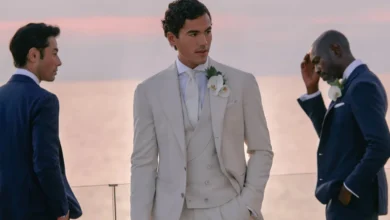
Spier & Mackay has initiated an "up to 20% off" campaign focusing on its signature "Ellis" line. This collection serves as the brand’s entry-level, core offering, distinguished by its utilization of half-canvas construction—a rarity at its specific price point—and the use of merino wool fabrics.
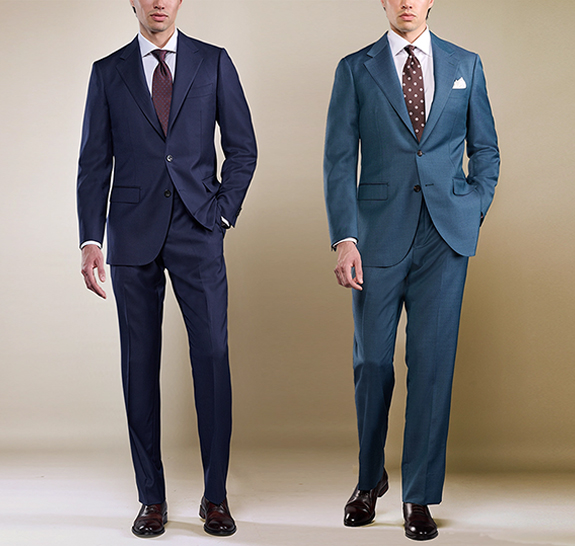
From an operational standpoint, the Ellis line is designed to bridge the gap between off-the-rack accessibility and custom-tailored precision. The inclusion of non-functioning sleeve cuff buttons is a deliberate design choice that facilitates cost-effective tailoring for the end consumer. By offering these items in both slim and contemporary fits, the retailer is casting a wide net across its primary demographic. Analysts note that while the "up to 20% off" descriptor is used, the depth of the discount is not uniform across all SKUs, with many items seeing marginal reductions of 10% to 15%. This tiered approach allows the brand to protect margins on high-demand staples while incentivizing turnover on slower-moving inventory, particularly seasonal trousers featuring heavier fabrics like tweed and donegal.
Target’s Aggressive Mid-Market Positioning
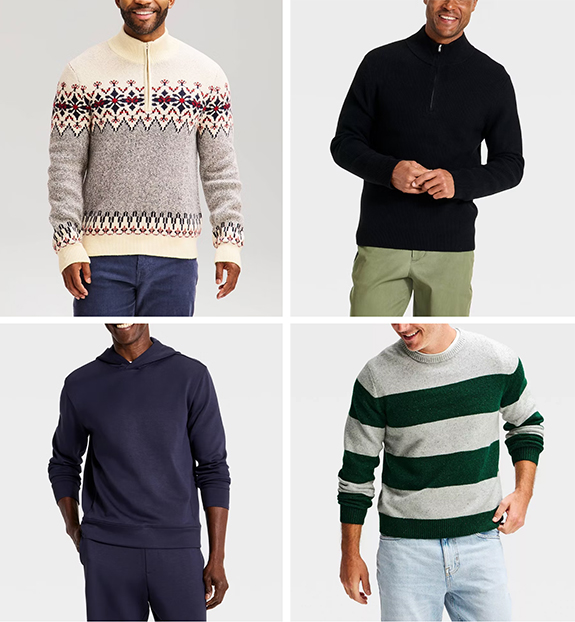
In a departure from its usual pricing strategy, Target has announced a 40% discount on select men’s apparel, effective through Saturday. For a high-volume retailer that typically relies on consistent, low-margin pricing rather than aggressive seasonal slashing, a 40% reduction is a notable event. This sale appears to be a proactive measure to clear floor space for holiday-specific merchandise. The promotion heavily features the retailer’s private-label brands, Goodfellow & Co and All in Motion. By targeting these specific lines, Target is likely attempting to bolster its market share in the "affordable-style" segment, where competition from online-only marketplaces and fast-fashion incumbents remains fierce.
The Artisan Shift: Oak Street Bootmakers and USA-Made Goods
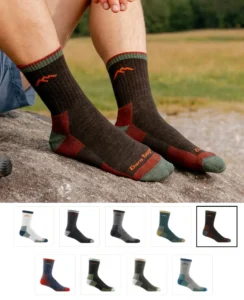
The current retail trend also highlights a renewed interest in domestic manufacturing, evidenced by the 20% promotional offer on Oak Street Bootmakers’ 1975 NATO watch caps and scarf bundles. Unlike mass-produced replicas, these items are marketed as "re-issues," utilizing historical specifications and, in many cases, original machinery.
The emphasis on "Made in the USA" branding serves as a significant value proposition for a segment of the market that prioritizes provenance and durability. While these items represent a higher price point compared to synthetic alternatives, the brand is leveraging the longevity of merino wool and the aesthetic of military-inspired heritage gear to maintain premium pricing. This move aligns with a broader industry trend where legacy brands are emphasizing the "craft" aspect of their production to differentiate themselves from the ubiquity of mass-market, globally sourced accessories.
J. Crew Factory and the Diffusion Line Model
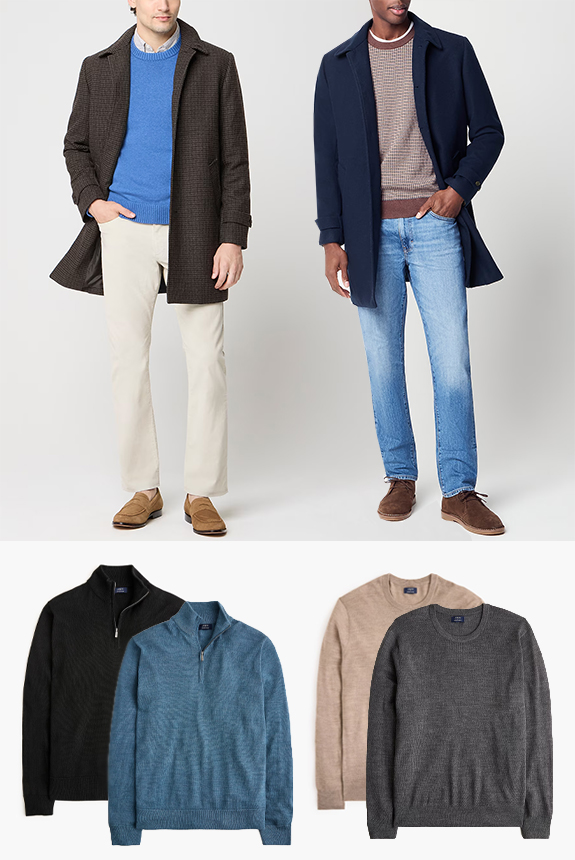
J. Crew Factory, the outlet-focused subsidiary of the J. Crew Group, is currently utilizing a promotional code (PRESENTS) to offer an additional 20% off its holiday gift inventory. The business model of a "diffusion line" like J. Crew Factory relies on a continuous cycle of sales to drive volume. Industry observers categorize this as a "high-low" pricing strategy, where the perceived value is anchored by a high "original" price, while the actual transaction occurs at a significantly lower, sale-driven price point.
There is a distinct material difference between the mainline J. Crew offerings and those found in the Factory stores. For example, current Factory sweaters often utilize a 50/50 merino wool and acrylic blend, whereas higher-end mainline garments typically feature 100% natural fibers. When compared to competitors like Banana Republic—which is currently offering 100% merino wool crewnecks at a price point roughly $10 higher than the J. Crew Factory blends—the trade-off between price and material composition becomes a central decision factor for the consumer. This comparison highlights the importance of fabric transparency in modern retail, as consumers become increasingly savvy regarding textile composition and long-term garment care.

L.L. Bean and the Strategic Timing of Promotions
L.L. Bean’s current 10% discount, accessed via the code GATHER10, serves as a measured precursor to the deeper discounting expected during the Black Friday and Cyber Monday period. Historically, L.L. Bean has maintained a conservative promotional schedule to protect its brand equity and avoid the "race to the bottom" seen in other sectors. By offering a modest 10% discount now, the company is likely attempting to capture early-bird holiday shoppers while reserving larger incentives for the peak retail days at the end of November. This tactical delay is a classic example of inventory management, ensuring that demand is smoothed out over several weeks rather than concentrated into a single, logistics-heavy weekend.
Brooks Brothers: The "Wardrobe Event" and Bulk Incentives
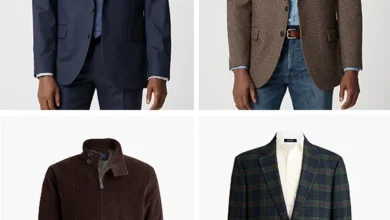
Brooks Brothers has entered the fray with a "Wardrobe Event" that runs through Monday. The structure of this sale is indicative of the retailer’s focus on high-ticket, multi-unit purchases. By mandating bulk buys—such as requiring the purchase of two pairs of "Explorer" suit separates or three or more dress shirts—Brooks Brothers is effectively increasing its average transaction value (ATV).
This strategy is highly effective for legacy brands with a loyal customer base that views these purchases as long-term wardrobe investments. By bundling items, the brand can maintain the appearance of a premium service while simultaneously increasing the velocity of its inventory movement. The "Explorer" suit line, which focuses on stretch-wool fabrics and travel-ready performance, suggests that the brand is targeting the returning corporate traveler—a demographic that was significantly impacted during the 2020-2022 market contraction but has since shown a strong rebound in demand for professional attire.
Broader Market Implications
The convergence of these sales events highlights a critical moment for the menswear industry. Several factors are driving this activity:
- Inventory Overhang: Many retailers entered the final quarter of the year with higher-than-desired inventory levels due to fluctuating consumer confidence and supply chain adjustments.
- Inflationary Pressure: Consumers are demonstrating increased price sensitivity. Retailers that offer clear, quantifiable value—whether through discounts or material quality—are seeing higher conversion rates.
- The Shift to Experience: As physical retail struggles to compete with the convenience of e-commerce, brands are using these limited-time events to drive foot traffic into stores or to create a "sense of urgency" that encourages immediate online clicks.
Looking ahead, market analysts expect that the intensity of these promotions will remain high through the end of the year. The primary challenge for these brands will be maintaining profitability while navigating the increased cost of logistics and labor. The current "handful" of sales represents a diverse cross-section of the market, ranging from the high-quality, craft-focused approach of Oak Street Bootmakers to the volume-heavy, promotional model of J. Crew Factory. Consumers who monitor these cycles and understand the trade-offs in material quality and pricing structure are currently in a strong position to secure significant value across a wide spectrum of wardrobe needs. As the holiday season accelerates, the ability of these brands to effectively communicate the value of their specific offerings will determine which retailers emerge from the quarter with lean inventories and healthy year-end balance sheets.