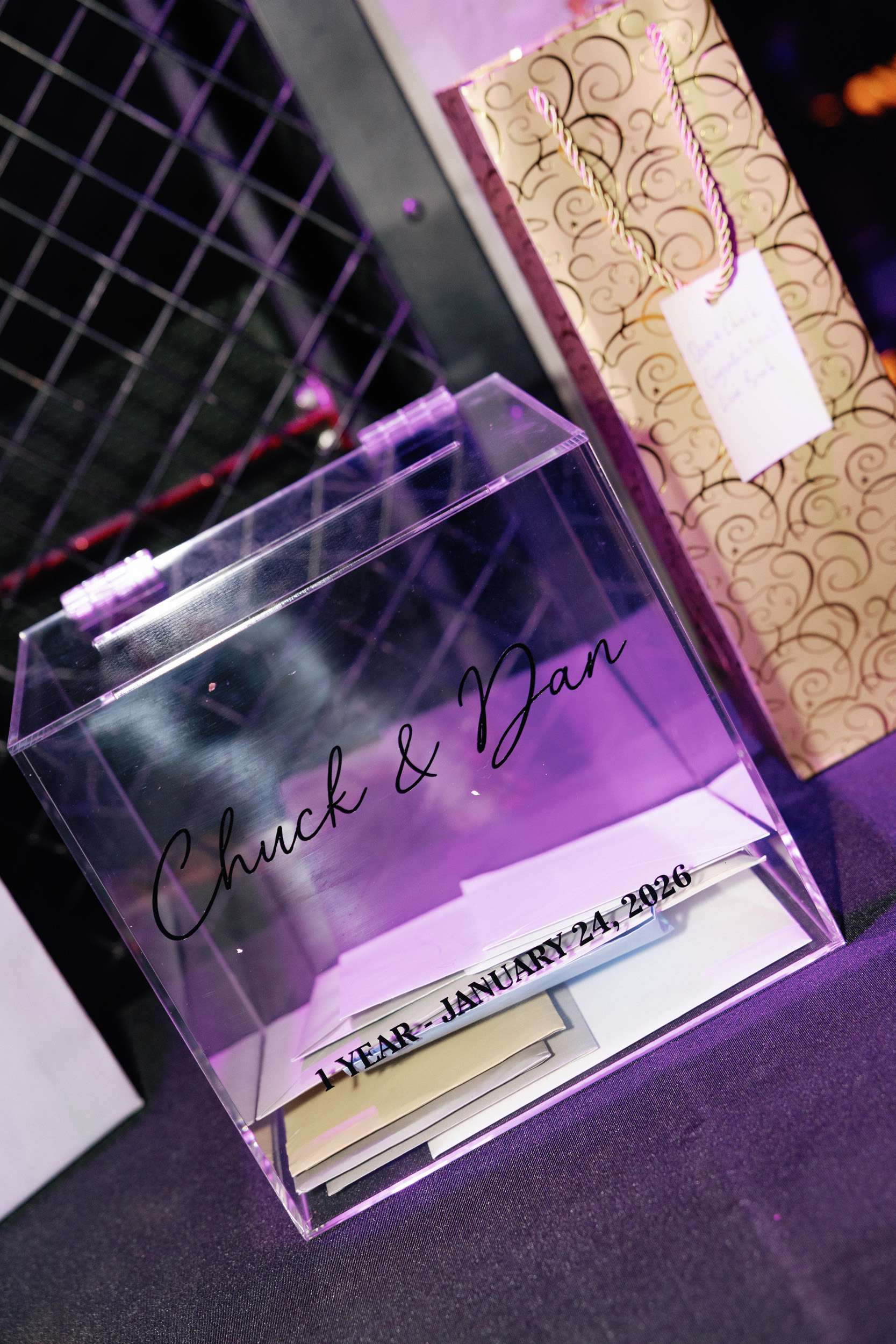
The intersection of high-fashion aesthetics and non-traditional event planning reached a peak in Boston this past October, as a couple successfully executed a large-scale celebration that defied nearly every conventional wedding industry norm. Chuck and Dan, who had previously finalized their legal union at Boston City Hall exactly one year prior, hosted an unconventional anniversary celebration at the downtown nightclub Caveau. The event, attended by over 160 guests, was defined by a bold dress code, the total abandonment of formal seating, and an atmospheric focus on nightlife rather than pageantry.
Redefining the Celebration: The "Out Dress the Grooms" Mandate
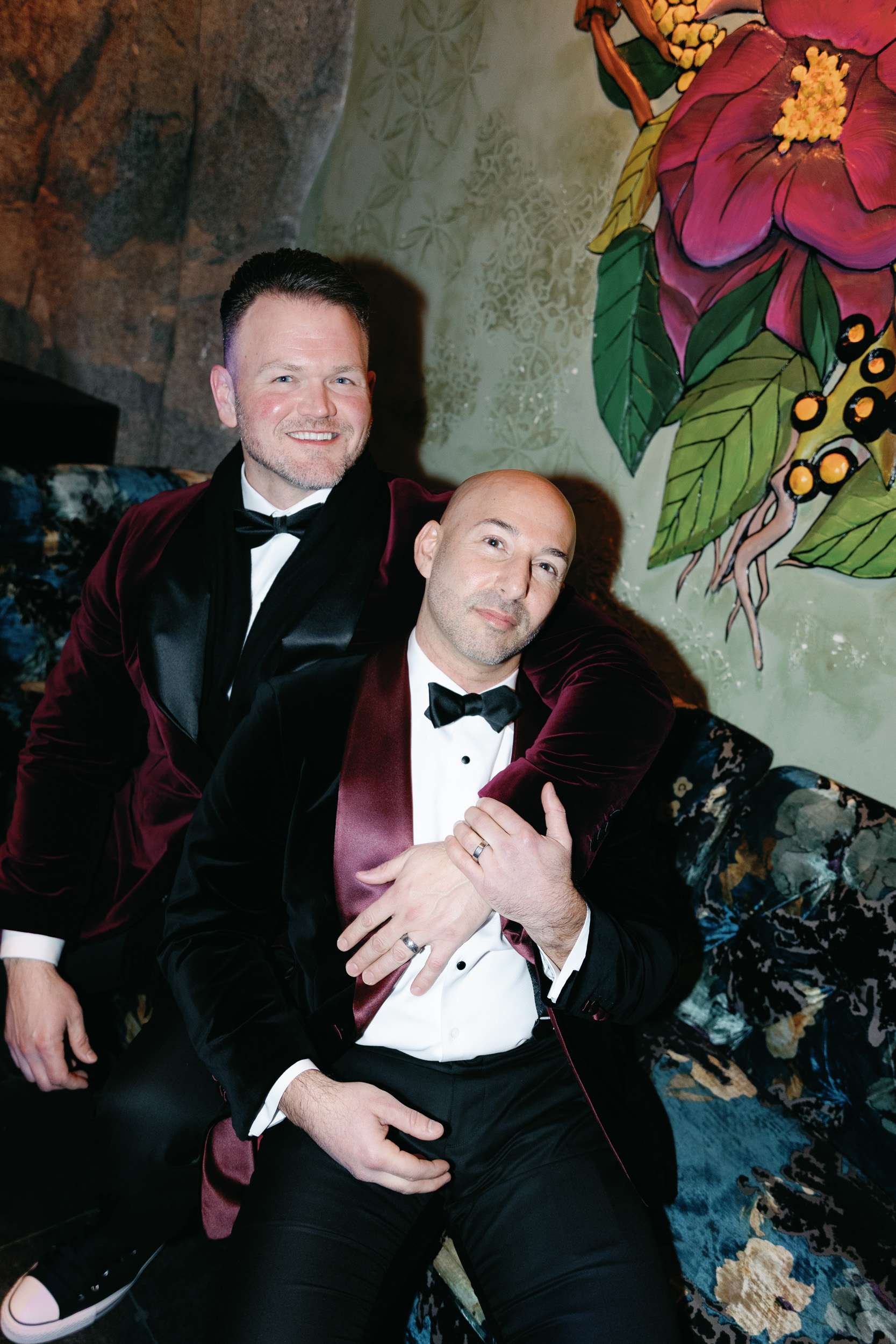
Central to the success of the evening was the couple’s strategic implementation of an unconventional dress code: "Out Dress the Grooms." By encouraging attendees to prioritize high-fashion, evening-wear sensibilities, the couple shifted the focus from the traditional wedding party hierarchy to a collective, immersive aesthetic experience.
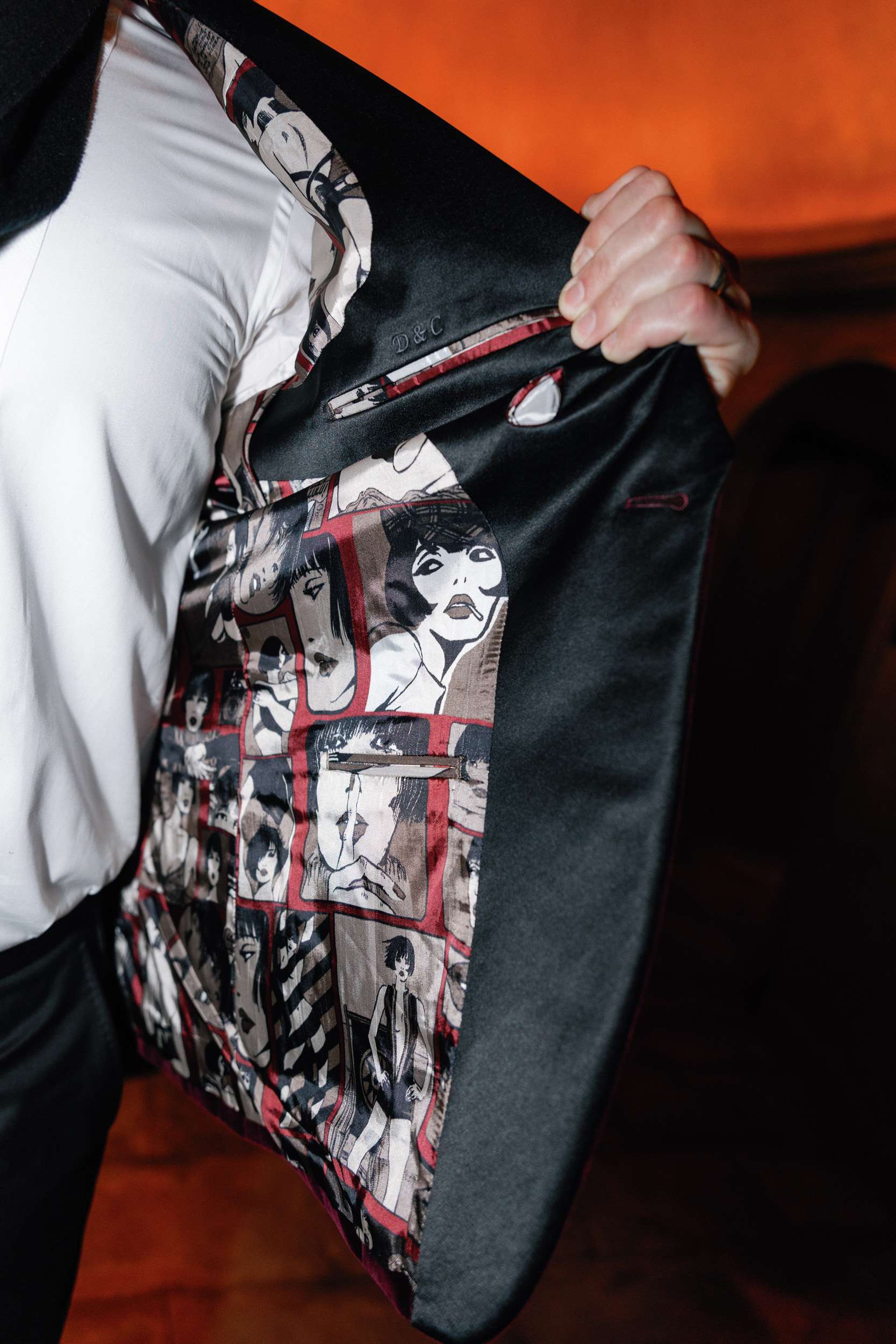
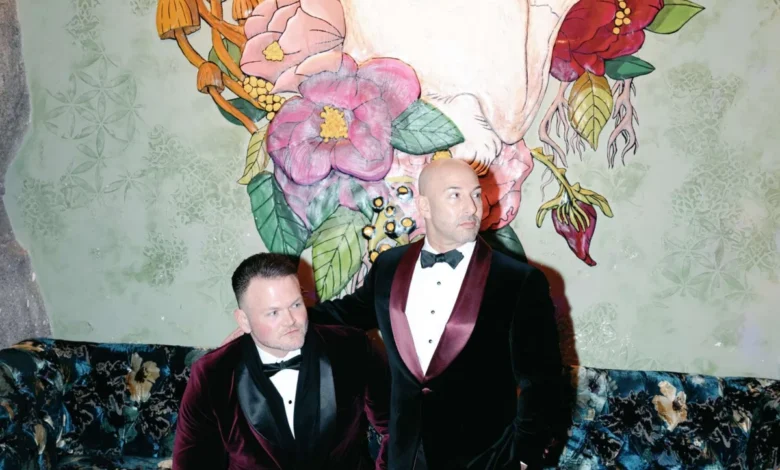
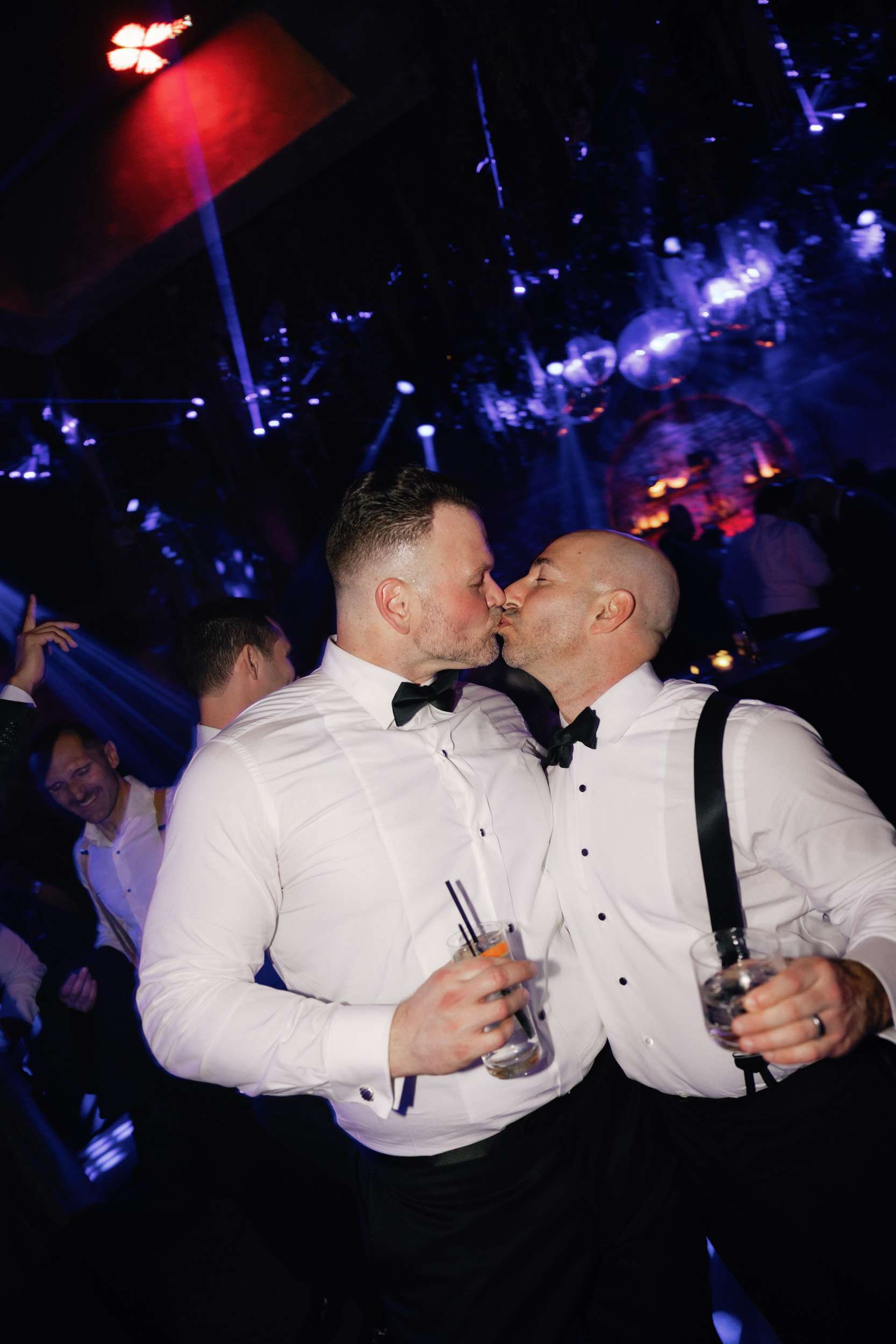
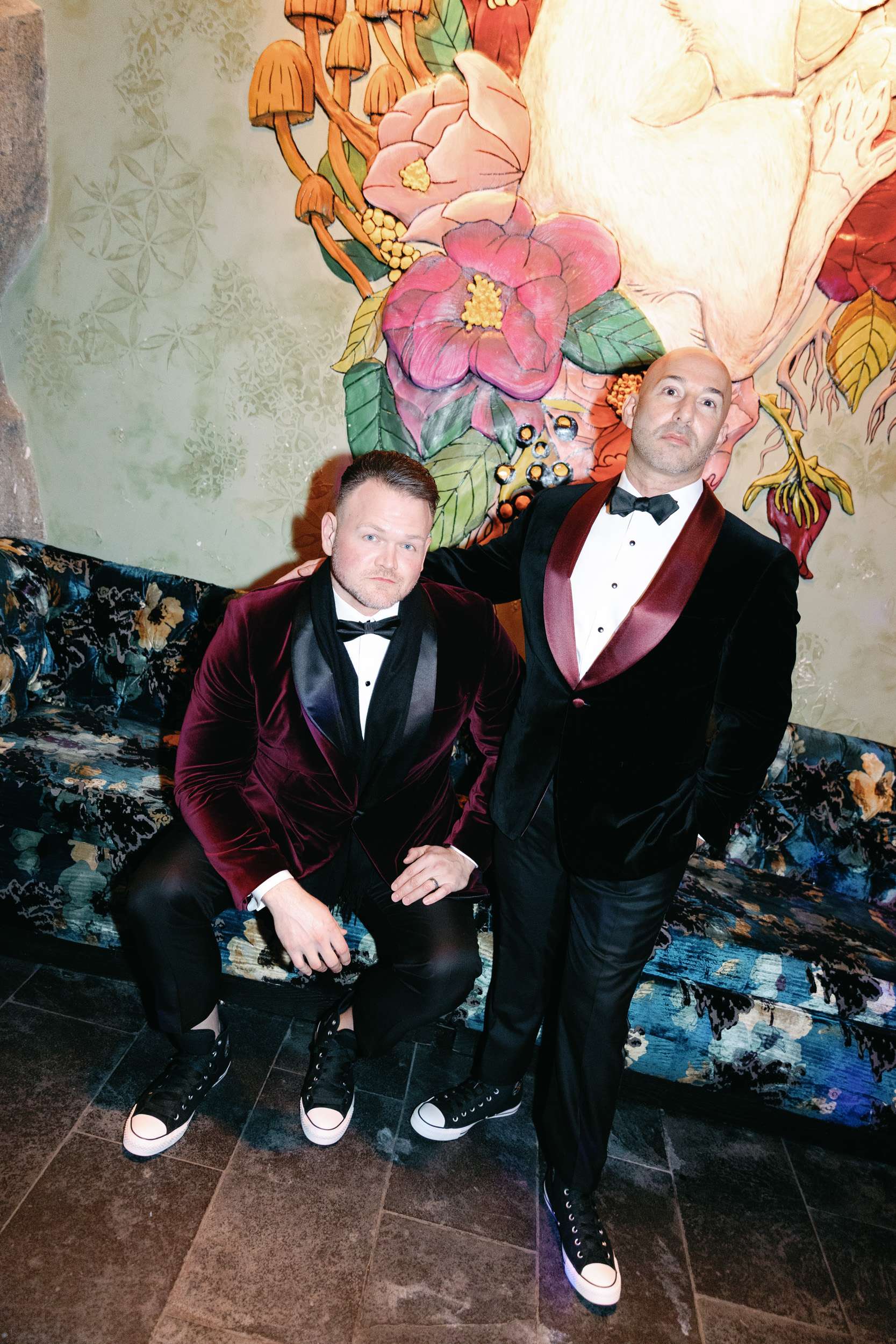
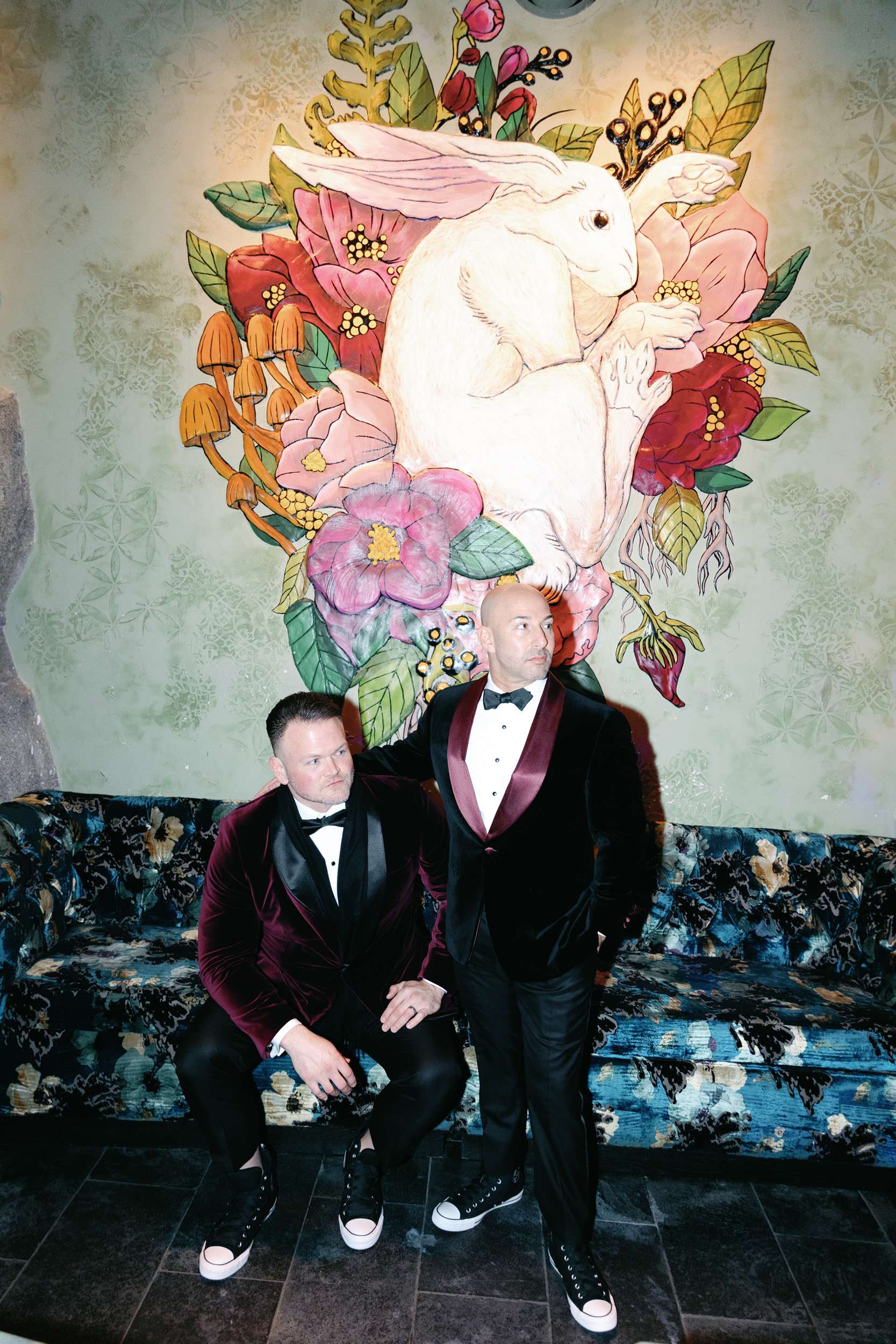
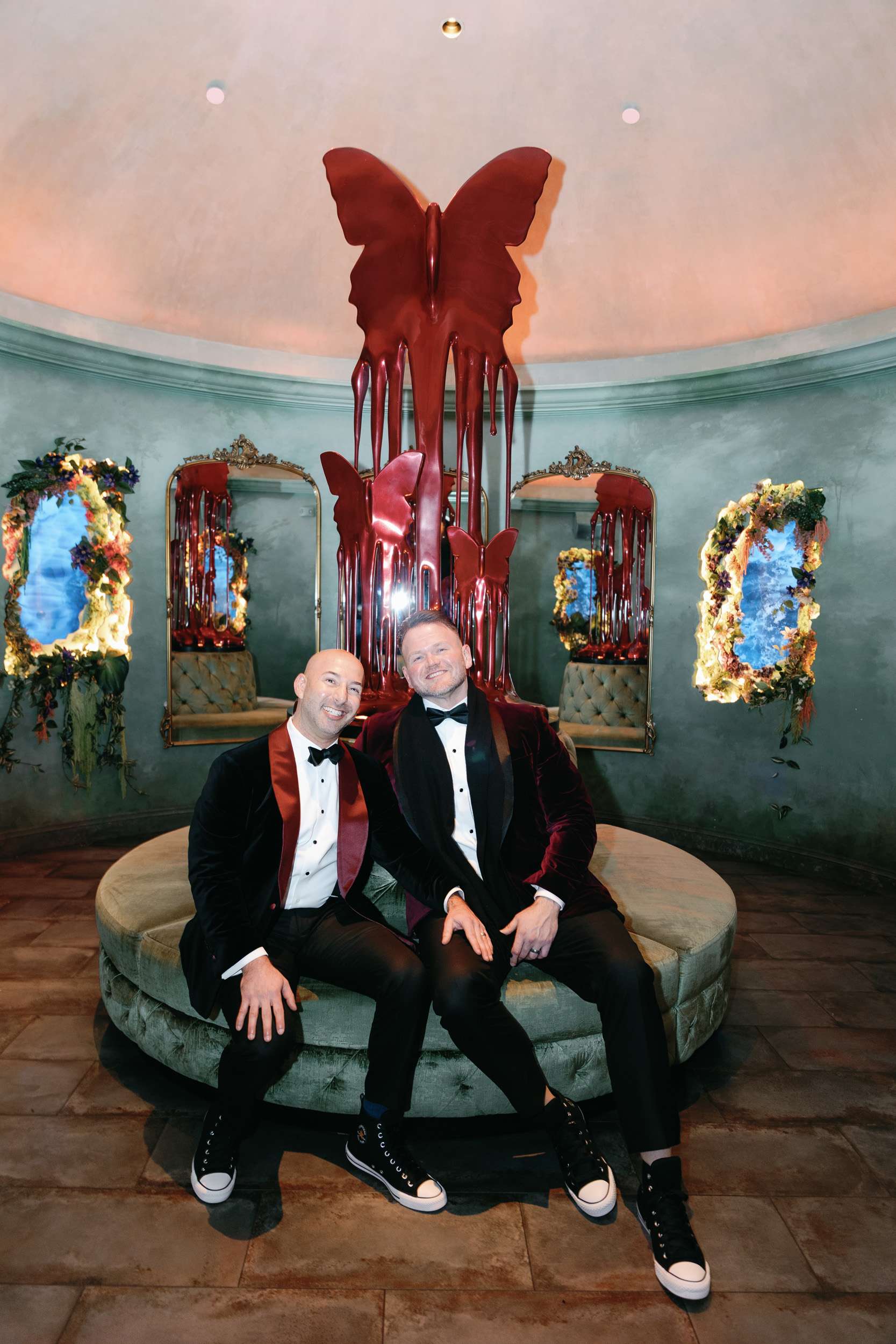
The grooms themselves donned bespoke burgundy velvet tuxedo jackets sourced from Hive and Colony, a choice that signaled a departure from standard black-tie attire. According to the couple, the directive to guests was not merely a stylistic preference but a tactical decision to curate the energy of the room. By the time the 160-plus guests arrived, the venue—already a high-energy nightclub—was filled with a crowd that felt less like a traditional wedding congregation and more like an elevated, fashion-forward social gathering. This strategy effectively bypassed the "lull" often experienced during the cocktail hour of standard weddings, as the atmosphere was energized from the moment of entry.
Chronology and Event Structure
The event was meticulously designed to prioritize flow, interaction, and momentum. Having already navigated the formalities of their legal marriage twelve months earlier, the couple treated this second phase of their union as an opportunity to host the type of event they, as consumers, would want to attend.
The evening followed a streamlined five-hour schedule:
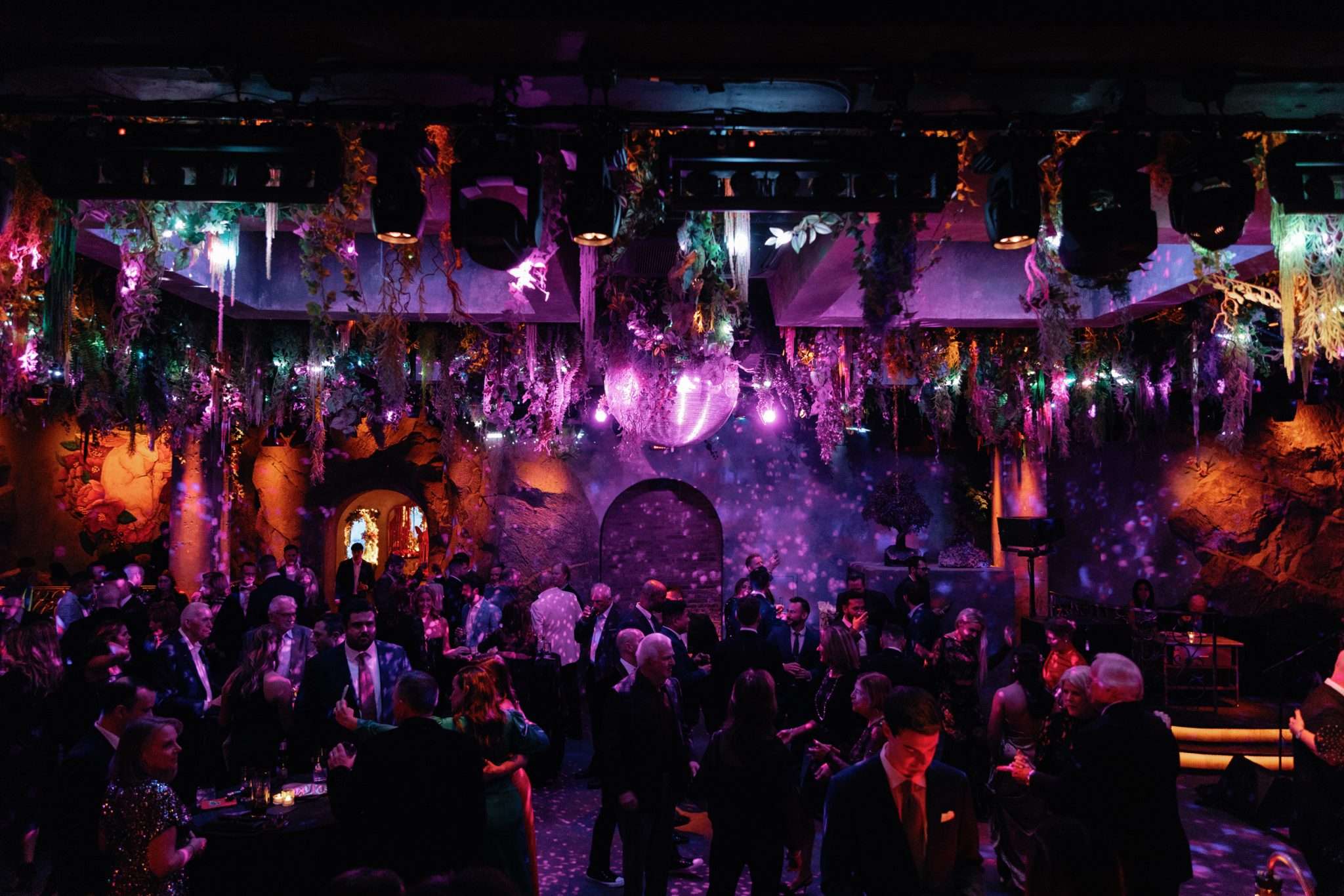
- The Arrival: Guests were welcomed into the nightclub environment, immediately shedding the formality of traditional wedding arrivals.
- The Entrance: The couple made their entrance to a cover of Sam Smith’s "I Feel Love," moving directly into a brief, 15-minute program that included a toast to their first wedding anniversary and a shared first dance.
- The Integration: The traditional "first dances" were kept short and personal, including brief moments with their respective mothers, before the event transitioned immediately into open-floor entertainment.
- The Entertainment: The musical landscape began with a professional DJ set to establish a baseline rhythm, followed by a live performance from the band Kristin and the Noise.
- The Aftermath: Despite the onset of a significant, unseasonal blizzard that brought substantial snowfall to the Boston area, the momentum of the evening remained unbroken, with a large contingency of guests following the couple to a secondary location for an extended afterparty.
Logistical Decisions and Operational Efficiency
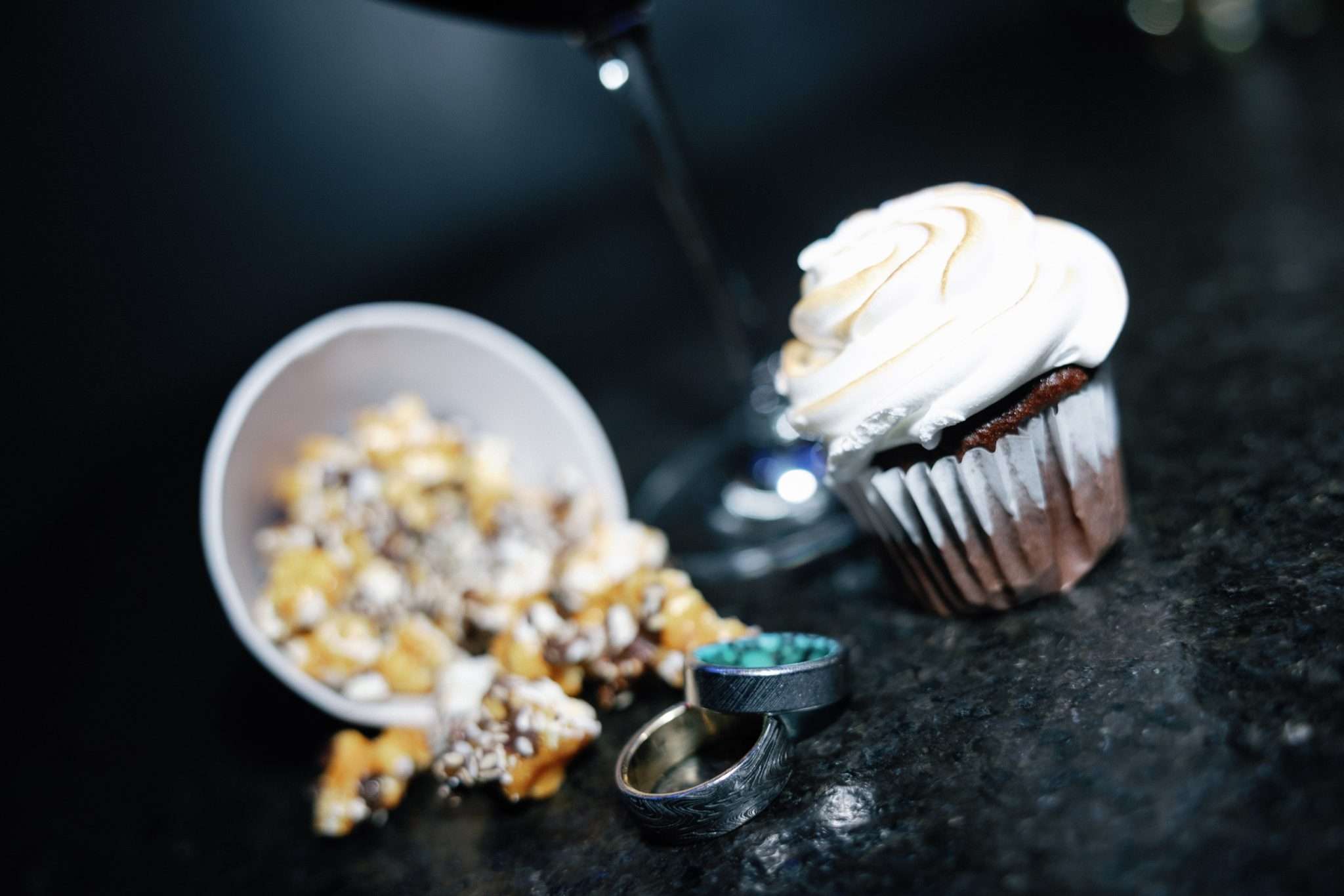
One of the most significant departures from wedding industry standards was the complete elimination of a seated dinner and assigned seating. In the current wedding market, catering and venue logistics represent the largest portion of the average budget, often exceeding 40% of total expenditure. By opting for a "roaming" food format—featuring substantial appetizers and curated food stations—the couple reduced the physical footprint of their catering needs while maximizing the social utility of the venue.
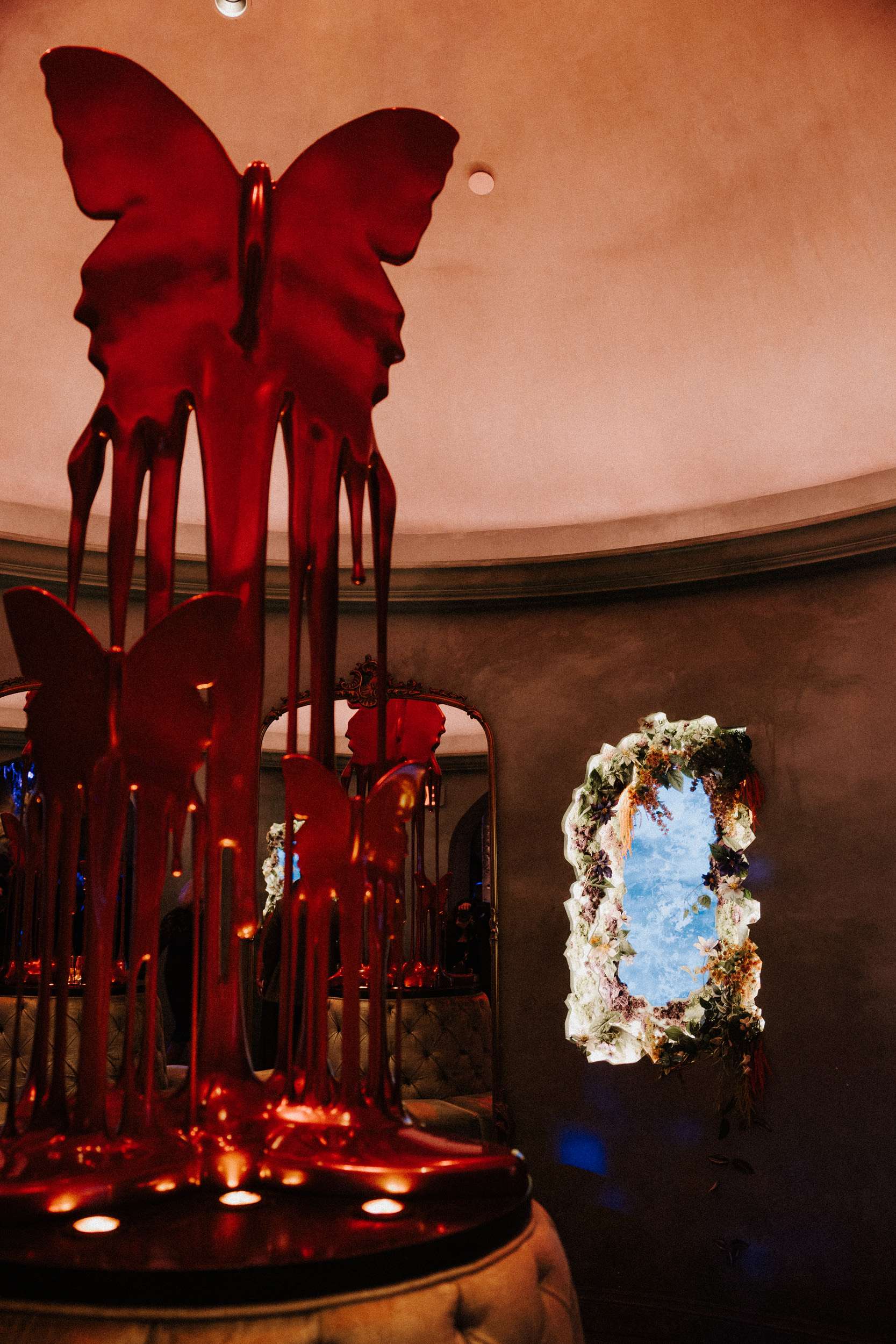
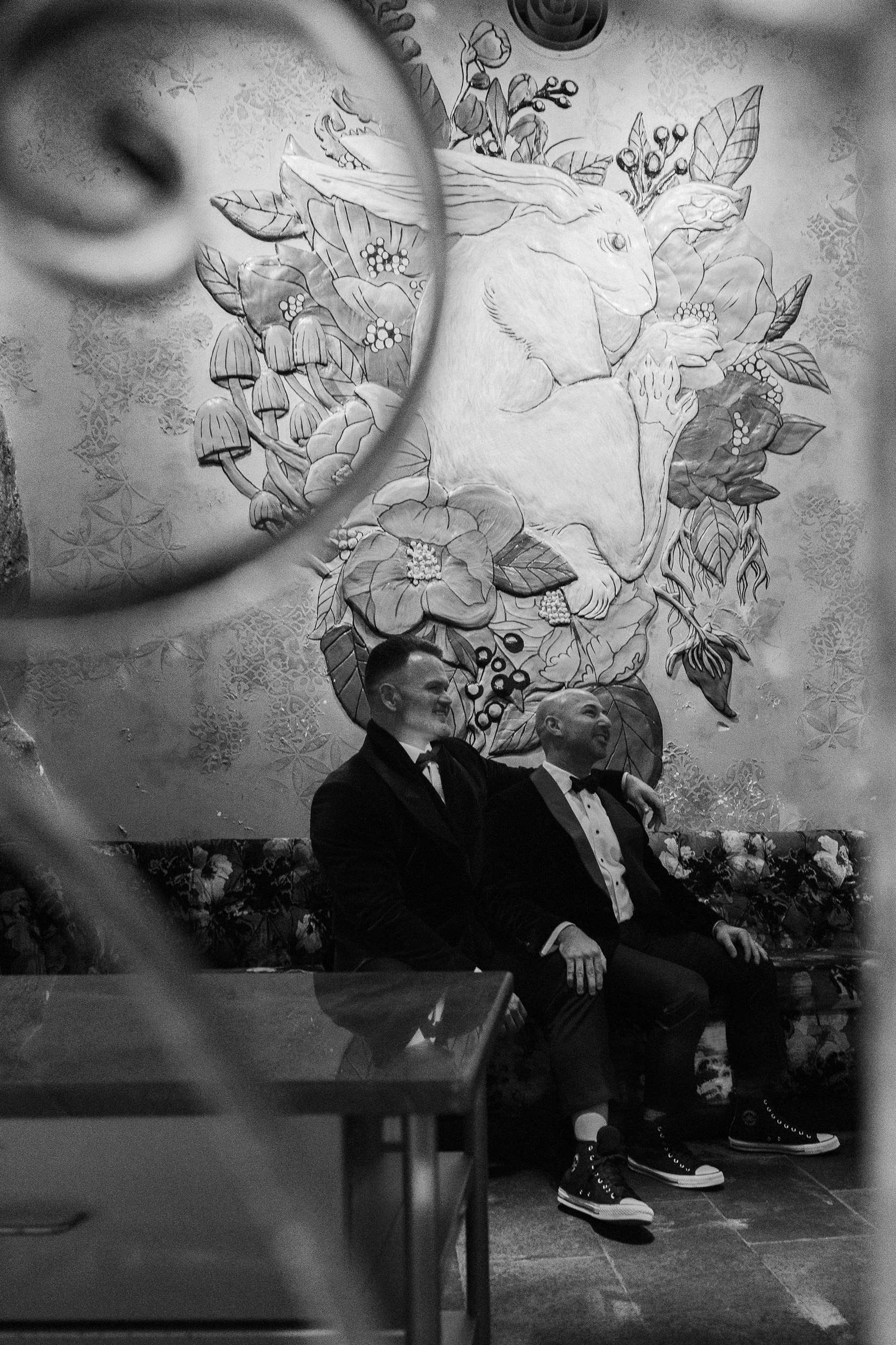
This logistical choice served a dual purpose. Firstly, it allowed for the use of a nightclub space that did not require extensive décor. As the couple noted, the venue already possessed the desired "vibe," saving them the significant labor and capital typically required to transform a blank-canvas event space. Secondly, it fostered an environment of constant movement. By removing the anchor of a table, guests were encouraged to mingle, rotate throughout the room, and utilize the dance floor at their own discretion.
The Evolution of Modern Nuptials
The approach taken by Chuck and Dan reflects a growing shift in the wedding industry. Data from recent event planning surveys suggests that a significant percentage of modern couples are opting for "non-traditional" formats to reduce stress and increase personal enjoyment. The trend toward "micro-weddings" or, in this case, "anniversary celebrations," reflects a desire to separate the legal, bureaucratic process of marriage from the celebratory, social experience.
By prioritizing a "private festival" atmosphere over the traditional ceremony-to-reception arc, the couple highlights a broader trend: the deconstruction of the "wedding script." This includes:
- Prioritizing Entertainment: Moving budget allocation away from décor and centerpieces toward live music and high-quality guest experiences.
- Clarity of Expectation: The couple explicitly communicated their non-traditional format in advance. By setting clear expectations, they avoided the potential for guest confusion, framing the evening as an intentional choice rather than a budget-based compromise.
- Venue as Experience: Selecting a venue that requires little to no modification is becoming a preferred strategy for couples who wish to avoid the "wedding industrial complex" of excessive floral and lighting rentals.
Industry Implications and Expert Perspectives
Event planners note that the "nightclub wedding" model is becoming increasingly popular in urban centers. The logistical benefits of utilizing a pre-equipped venue—which already provides sound, light, and catering infrastructure—cannot be overstated. For a couple that intends to focus on the "party" element of their celebration, this model offers a significantly higher ROI on guest enjoyment compared to the traditional hotel ballroom setup.
Furthermore, the decision to host the celebration a year after the legal ceremony is a growing practice. By decoupling the legal event from the social party, couples are finding they have more bandwidth to focus on the details that truly matter to them. The "first-anniversary wedding" allows for a lower-pressure environment where the couple can actually interact with their guests rather than feeling obligated to adhere to a rigid timeline of traditions.
Lessons in Event Design
For those looking to emulate the success of this Boston event, the couple’s advice remains consistent with modern event design principles: identify the "three or four things" that matter most and concentrate the budget there. In this instance, the couple identified music, food, and atmosphere as their pillars. By being "completely indifferent" to traditions they found unnecessary, they were able to create an experience that was highly personalized.
The unexpected arrival of the blizzard provided an unintended, yet atmospheric, backdrop to the evening. That the event proceeded without significant disruption is a testament to the versatility of their chosen venue and the robustness of their planning. Ultimately, the event serves as a case study in the efficacy of stripping away the superfluous elements of a wedding to leave behind an experience that is, at its core, a celebration of the hosts and their guests.
As the wedding industry continues to diversify, the "Out Dress the Grooms" event in Boston stands as a clear example of how personal, intentional design choices can yield a superior outcome to following conventional blueprints. The success of this celebration was not defined by its adherence to tradition, but by its bold disregard for it, prioritizing the experience of the present moment over the expectations of the past.