YKK Wins Best Product at ISPO Textrends for 3D-Printed Sustainable Snap Cap Innovation

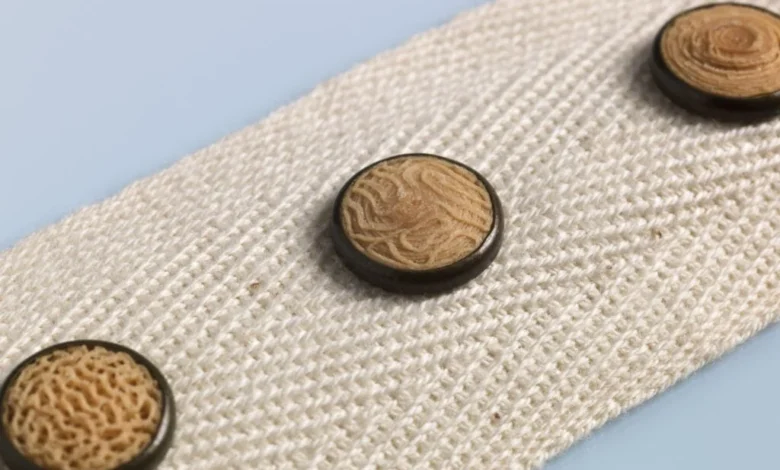
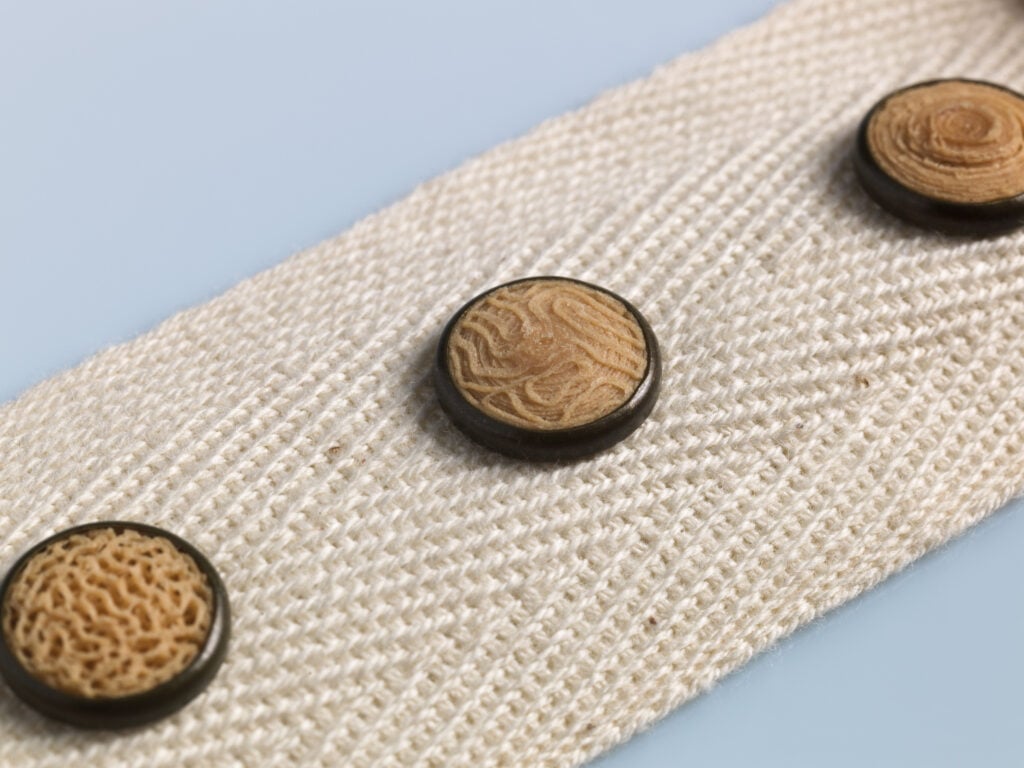
YKK, the global leader in fastening solutions, has secured the prestigious Best Product award in the Accessories category at the latest ISPO Textrends event. The accolade recognizes a pioneering 3D-printed snap cap developed in strategic partnership with the digital fabrication firm Variloom. This achievement marks a significant milestone in the evolution of apparel manufacturing, signaling a departure from traditional mass-production methodologies toward a more agile, sustainable, and customizable future. By integrating YKK’s deep technical expertise in fastening mechanics with Variloom’s advanced on-demand additive manufacturing infrastructure, the two companies have successfully demonstrated a method to produce complex, high-performance trims without the need for expensive, wasteful, and time-consuming metal or plastic moulds.
The Evolution of the Partnership
The collaboration between YKK and Variloom is not an isolated experiment but part of a deliberate, multi-year strategy to digitize the hardware component of the fashion supply chain. This trajectory began to gain industry attention earlier this year when the duo unveiled the 3D Composite Puller, which earned a Red Dot Award in April 2026. That development introduced the capability to manipulate shape, texture, and branding at the digital design stage.
The current award-winning snap cap represents an evolution of that initial success. While the puller focused on ergonomic interaction, the snap cap addresses the structural requirements of garment closure systems. According to YKK’s official disclosures, this development cycle has been characterized by a rigorous focus on material science. The snap cap utilizes an innovative insert composed of a proprietary blend of Variloom’s materials, Sulapac’s wood composites, cotton fibers, and thermoplastic polyurethane (TPU). Notably, over 55% of the insert’s composition is bio-based, a statistic that underscores the industry’s broader push toward circularity and the reduction of virgin petroleum-based plastics in garment hardware.
ISPO Textrends: A Benchmark for Innovation
ISPO Textrends, held in Munich, serves as the global barometer for innovation in the textile and sports apparel industries. The event is renowned for its stringent selection process, where a panel of international experts evaluates submissions based on design, functionality, and ecological impact. Winning in the Accessories category is particularly significant because hardware—zippers, buttons, and snaps—is often overlooked in favor of textile breakthroughs.
The recognition of the 3D-printed snap cap highlights a shifting priority within the sports and outdoor sectors: the demand for customization. As brands face increasing pressure to differentiate their products in a saturated market, the ability to create unique, high-fidelity trims on demand offers a distinct competitive advantage. By removing the dependency on conventional moulding, YKK and Variloom have effectively lowered the barrier to entry for bespoke design, allowing for intricate surface textures that were previously impossible or cost-prohibitive to manufacture at scale.
Technical Infrastructure and Workflow Integration
The core of this innovation lies in the synergy between the hardware and the digital ecosystem provided by Variloom. Unlike traditional manufacturing, which requires a master mould for every unique design, this workflow utilizes a centralized design software suite that controls the printing path directly. A secondary operating system manages the production queue across a distributed fleet of 3D printers.
This infrastructure is designed to solve the "minimum order quantity" (MOQ) dilemma that has long plagued fashion brands. In traditional manufacturing, the cost of a mould must be amortized over thousands of units, forcing brands to commit to large, uniform orders. The Variloom-YKK system allows for high-mix, low-volume production. A brand could, theoretically, print different aesthetic variations for regional capsule collections or limited-run designer collaborations without incurring the sunk costs associated with physical tooling. As production scales, the efficiency of this system will be measured by its throughput capacity—how quickly the system can transition between distinct design files while maintaining the structural integrity required for functional fasteners.
Bridging the Gap in Digital Product Creation
The pursuit of digital product creation (DPC) has been a central pillar of YKK’s recent corporate strategy. As noted by Takayuki Kato, a lead representative for YKK, in an interview earlier this year, the company has been heavily invested in tools that allow designers to visualize and iterate on trim designs before a single physical sample is produced.
The 3D-printed snap cap serves as the logical bridge between this digital design environment and the physical manufacturing floor. By adopting a print-on-demand model, the transition from a digital rendering to a finished, functional component is drastically shortened. This capability aligns with the broader industry goal of "just-in-time" manufacturing, which seeks to reduce inventory waste—a major environmental concern in the fashion sector. By producing components only when they are needed and in the exact quantities required, brands can reduce the carbon footprint associated with shipping, warehousing, and the eventual disposal of unsold surplus.
Expanding the Scope: The Revived Replacement Elements
While the snap cap garnered the primary award, YKK’s presence at ISPO was further solidified by the recognition of its "Revived Replacement Elements" for the VISLON AquaGuard zipper, scheduled for a commercial launch in January 2027. This development addresses a different, yet equally vital, aspect of sustainability: product longevity.
The replacement elements allow for the repair of damaged or missing zipper teeth on an individual basis, rather than requiring the entire zipper chain to be replaced. For outdoor brands and professional repair services, this is a transformative development. It extends the lifecycle of high-performance technical gear, keeping garments in use for longer and preventing them from reaching landfills prematurely. When viewed alongside the 3D-printed snap cap, a clear picture of YKK’s dual-track strategy emerges: one track focuses on the innovation of new, bespoke, bio-based components, while the other focuses on the restorative maintenance of existing equipment. Both strategies are underpinned by a commitment to reducing the overall environmental impact of the textile value chain.
Implications for the Future of Fashion Hardware
The implications of these advancements are twofold. First, they signal an end to the era of "design by constraint." Designers are no longer limited by the geometry of a mould; they are now empowered to create components that are anatomically or aesthetically optimized for specific performance needs. Second, the reliance on a digital-first production model encourages a more localized manufacturing approach. As 3D printing technology becomes faster and more robust, the potential for decentralized production centers—where components are printed closer to where the garment is being assembled—becomes a tangible reality.
However, challenges remain. Scaling additive manufacturing to meet the massive volumes of global apparel production requires significant capital investment in printer fleets and a standardization of material properties. Furthermore, the industry must develop a new set of quality assurance benchmarks to ensure that 3D-printed bio-composites can withstand the same rigorous stress-testing—such as tensile strength, chemical resistance, and UV exposure—as their traditional metal or high-grade plastic counterparts.
Conclusion
YKK’s recent recognition at ISPO underscores a pivotal moment for the fashion and manufacturing industries. By successfully blending material innovation with digital fabrication, the company is proving that the future of trim manufacturing is not just about producing parts, but about providing a flexible, sustainable, and highly personalized service. As the industry moves toward 2027 and beyond, the adoption of these technologies will likely become the benchmark for brands aiming to balance creative expression with the urgent need for environmental responsibility. The success of the 3D-printed snap cap and the upcoming launch of the repairable zipper elements suggest that YKK remains at the vanguard of this transition, successfully bridging the gap between historical expertise and the digital future of fashion.