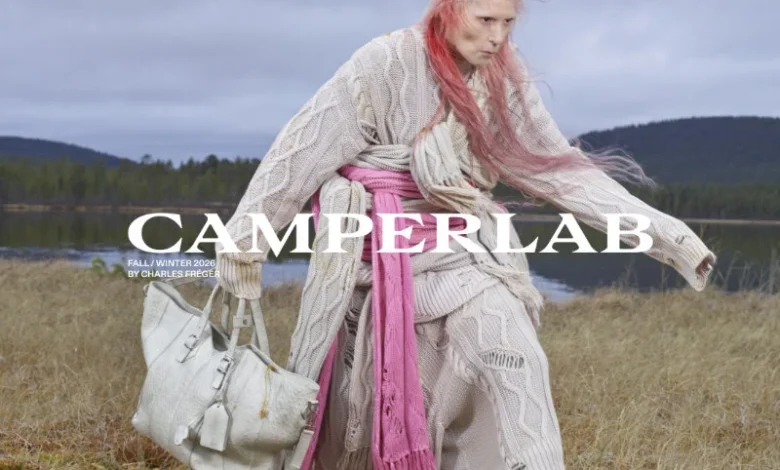
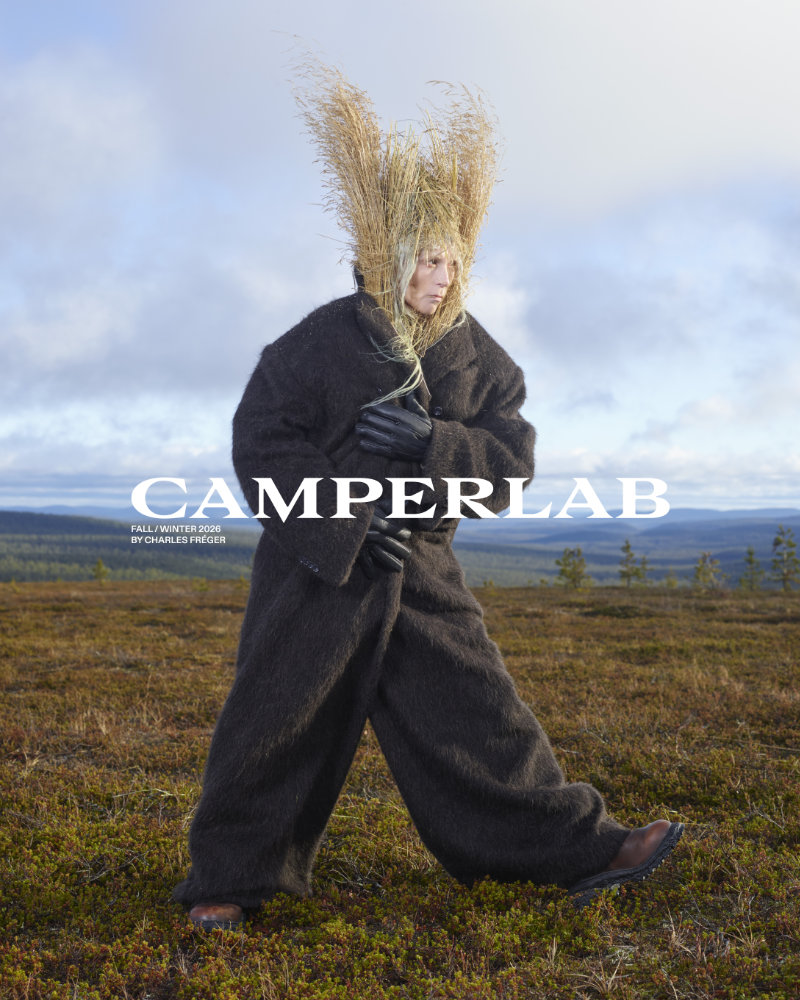
CAMPERLAB, the avant-garde offshoot of the iconic Spanish footwear brand Camper, has officially unveiled its Fall/Winter 2026 campaign, titled LABLAND. Captured in the stark, ethereal landscapes of Finnish Lapland, the campaign marks a significant departure from the brand’s previous aesthetic leanings, pivoting toward a narrative deeply rooted in the rugged intersection of Finno-Ugric mythology and primal human instinct. By enlisting the acclaimed photographer Charles Fréger, known for his long-standing documentation of ritualistic costumes and cultural identities, CAMPERLAB has effectively repositioned its seasonal collection not merely as a series of garments, but as a symbolic exploration of humanity’s relationship with the natural, often unforgiving, world.
The Mythological Genesis of LABLAND
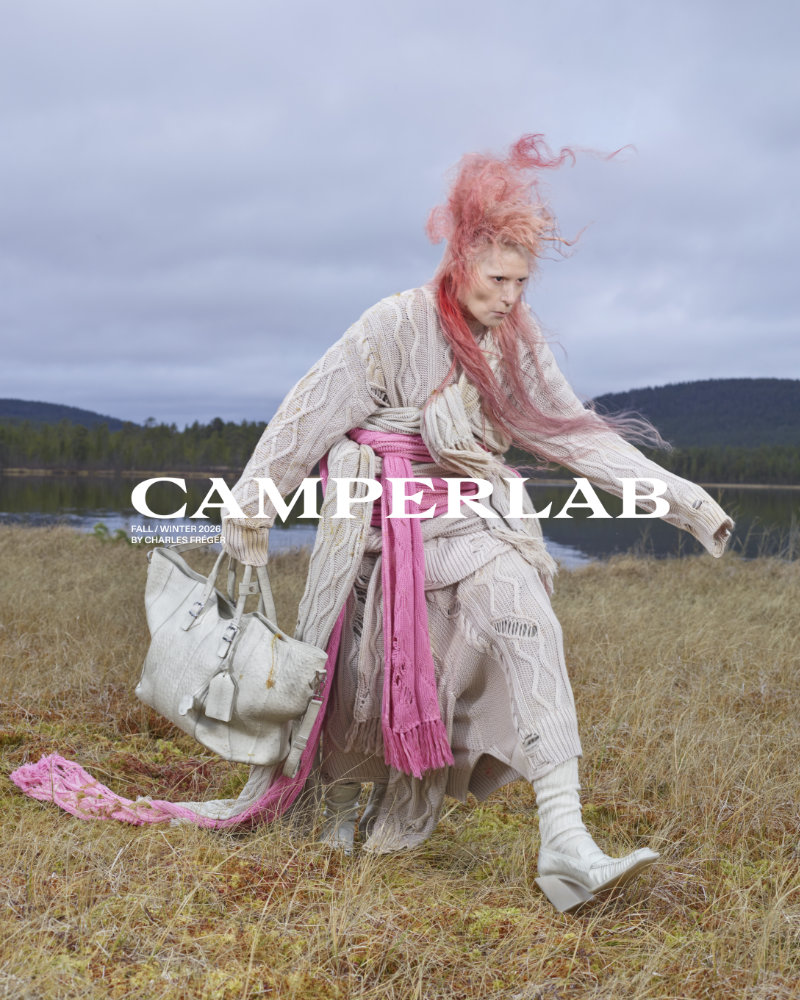
The creative vision for LABLAND was spearheaded by Lauri Kopio, who acted as the lead for creative concept and styling, with art direction provided by Emanuela Amato. The campaign features the Finnish performer and model Minttu Vesala, who portrays five distinct, otherworldly characters throughout the imagery. These figures are not typical fashion muses; rather, they serve as conduits for regional folklore, embodying ancient spirits and legendary figures that have permeated the cultural consciousness of Northern Finland for centuries.
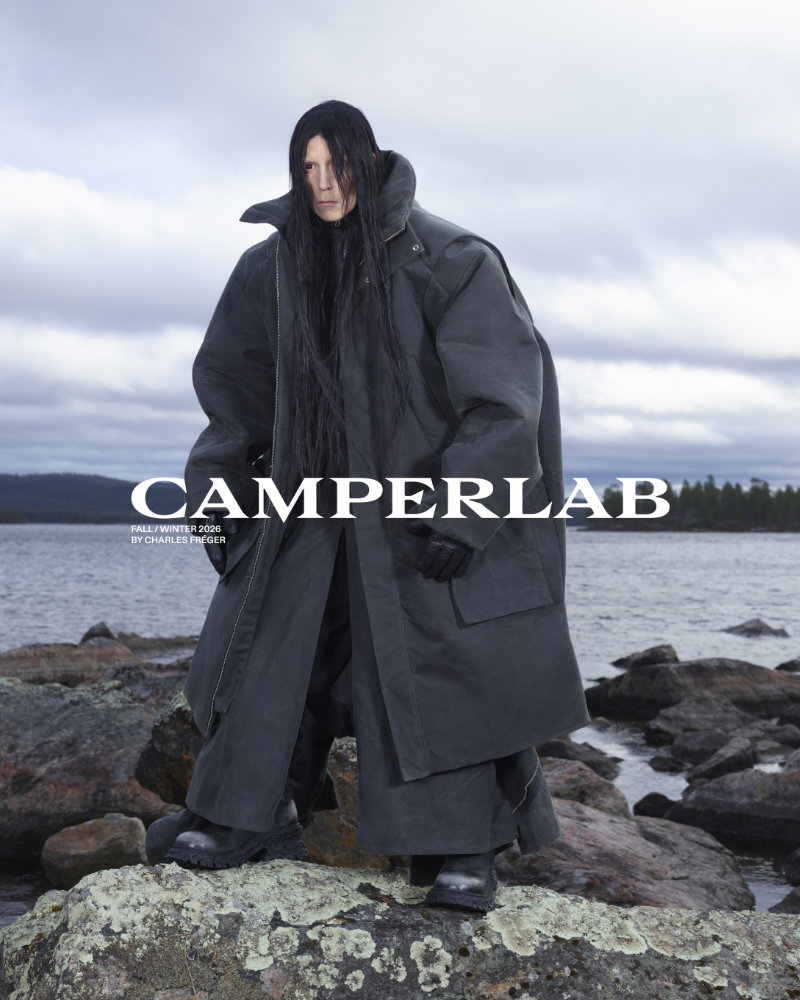
The shift in tone is palpable. Where past CAMPERLAB campaigns may have prioritized the sleek, modular functionality associated with high-end streetwear, LABLAND retreats into the dark, polar nights of the Arctic Circle. The images do not function as traditional product shots; they are closer to ethnographic studies of a fictionalized, ritualized society. This deliberate choice serves to detach the collection from the cyclical nature of seasonal trends, grounding it instead in a timeless, mythic framework.
Radical Design Transformation: The Deconstruction of the Wardrobe
The FW26 collection represents a fundamental transformation in how CAMPERLAB approaches design. For years, the brand has been recognized for its fusion of traditional shoemaking techniques with unconventional silhouettes. In this latest iteration, the design team has taken a more aggressive stance on form and function.
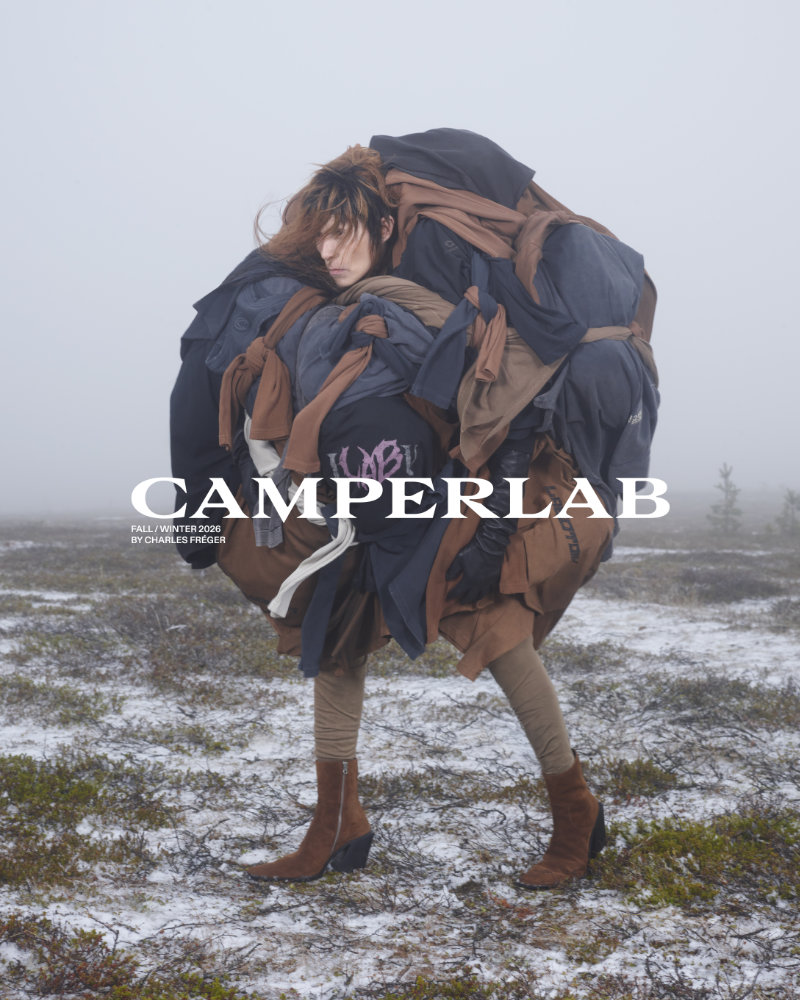
The collection features pieces that push the boundaries of wearability. Perhaps the most striking example is a sculptural, spherical suit constructed from 32 individual tops sourced from the collection. This piece, more art object than garment, highlights a desire to challenge the consumer’s understanding of the relationship between the body and the clothes that drape it. By creating items that are nearly impossible to wear in a conventional sense, the brand is signaling a move toward conceptual fashion—a space where the idea behind the construction is as vital as the final utility of the product.
This evolution is a calculated risk. In a market often saturated with commercialized, "wearable" fashion, CAMPERLAB’s decision to prioritize architectural integrity over mass-market appeal underscores its commitment to experimental design. The move echoes a growing trend among luxury and niche brands to produce "editorial-only" pieces that serve to elevate the brand’s artistic prestige, even if they never reach the racks of a retail store.
Charles Fréger and the Lens of Ritual
The collaboration with Charles Fréger is the backbone of the campaign’s success. Fréger’s career has been defined by his ability to capture the "humanity" hidden behind masks and elaborate costumes. His work, which often focuses on European folk traditions and seasonal rites, provides the perfect lens for the LABLAND narrative.
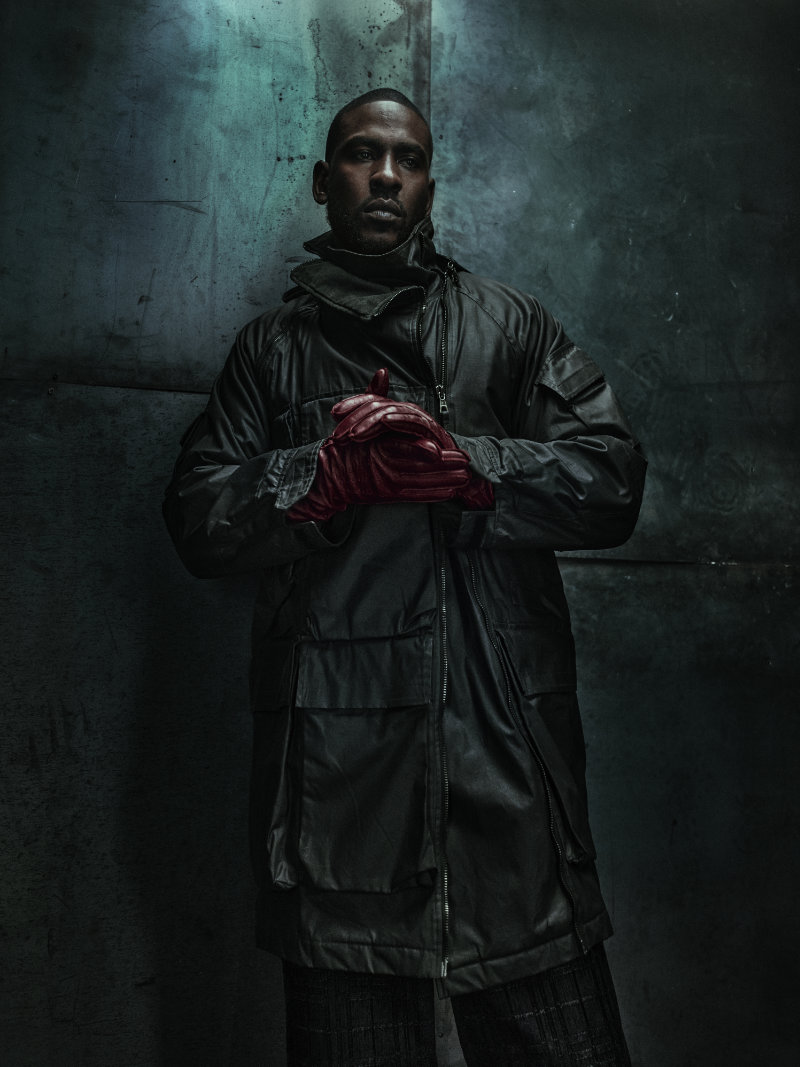
In these photographs, the clothing—often sharp, geometric, and jarring—is juxtaposed against the vast, desolate white of the Finnish tundra. The absence of a traditional, polished fashion aesthetic is intentional. By eschewing studio lighting and high-contrast digital retouching in favor of the raw, diffused light of the Arctic, the campaign achieves a sense of authenticity that is rarely found in modern advertising. The clothes appear as though they were unearthed from the landscape rather than placed there by a stylist, reinforcing the connection between the mythic nature of the characters and the harsh reality of their environment.
The Broader Impact on the Fashion Landscape
The implications of the LABLAND campaign extend beyond the immediate aesthetic shift of CAMPERLAB. As the fashion industry faces increasing pressure to justify its environmental footprint and its role in the cycle of over-consumption, there is a marked trend toward "storytelling-first" branding. By grounding their collection in ancient mythology, CAMPERLAB is effectively building a narrative that transcends the physical product.

This approach serves two primary functions. First, it provides a buffer against the volatility of the retail sector. When a brand defines its identity through intellectual or cultural concepts, it becomes less dependent on the immediate trend cycle. Second, it creates a "halo effect" around the brand’s more commercial products. Consumers who may be attracted to the brand’s entry-level footwear are drawn into the deeper, more complex world of LABLAND, creating a sense of brand loyalty built on shared values and aesthetic appreciation rather than simple utility.
Industry Context and Strategic Positioning
Historically, CAMPERLAB has functioned as the incubator for Camper’s most experimental ideas. Since its inception, it has served as a bridge between high-fashion editorial sensibilities and the functional, comfort-oriented roots of the parent company. The FW26 collection suggests that the brand is entering a phase of maturity where it no longer feels the need to prove its "coolness" through proximity to streetwear trends. Instead, it is defining its own criteria for what constitutes a relevant fashion statement in the late 2020s.
Furthermore, the choice of location and thematic inspiration reflects a wider interest in "Nordic Noir" and the resurgence of interest in European indigenous cultures within the global fashion consciousness. As designers look to move away from the hyper-globalized, internet-centric aesthetics of the early 2020s, there is a clear shift toward regionalism and the exploration of local histories. By tapping into the Finno-Ugric tradition, CAMPERLAB is participating in a larger dialogue about heritage and the preservation of cultural memory in a digitized age.
Chronology of the LABLAND Rollout
The campaign was conceptualized and executed throughout the latter half of 2026, coinciding with the brand’s preparation for the Winter season. While the official rollout began in November 2026, the thematic groundwork was laid months in advance, with the design team working closely with local artisans in Lapland to ensure the collection reflected the spirit of the region.
- Mid-2026: Initial design phase for the FW26 collection, focusing on structural innovation and the integration of non-traditional materials.
- Early Autumn 2026: On-site scouting and coordination in Finnish Lapland; development of the five core characters in collaboration with Minttu Vesala.
- November 2026: Official release of the LABLAND campaign, accompanied by a digital rollout across all major fashion platforms.
- Late 2026/Early 2027: Anticipated retail distribution of the collection, with limited-run flagship installations designed to mimic the atmosphere of the Arctic shoot.
Conclusion: A New Direction for Concept-Driven Fashion
The CAMPERLAB FW26 campaign is a testament to the power of a unified creative vision. By aligning the structural deconstruction of the clothing with the thematic weight of Northern European mythology, the brand has created a compelling, immersive experience that stands out in a crowded market. Whether or not the "impossible to wear" pieces ever find a place in a consumer’s daily wardrobe is almost beside the point. The success of LABLAND lies in its ability to spark conversation and shift the focus from the act of consumption to the act of creation.
As the industry moves toward 2027, the lessons of LABLAND are clear: the future of fashion lies not in the mere production of garments, but in the creation of worlds. Through the lens of Charles Fréger and the artistic direction of the team in Finland, CAMPERLAB has successfully demonstrated that even the most established brands can find new life by looking backward into the depths of history, and outward into the wild, untamed corners of the globe. The brand remains a key player to watch, as it continues to balance the demands of the global market with an unwavering commitment to the avant-garde.