
The Comprehensive Guide to UK Plant-Based and Vegan Cleaning Products for a Sustainable Home


The modern consumer market is undergoing a profound paradigm shift as households increasingly scrutinize the hidden environmental and ethical costs of everyday domestic goods. While the culinary and fashion sectors have long dominated conversations surrounding plant-based living, the household cleaning industry has traditionally lagged in transparency. Conventional cleaning formulations frequently harbor hidden animal derivatives, such as tallow and animal fats in fabric conditioners, and rely heavily on synthetic chemicals that contribute significantly to indoor and urban air pollution. Furthermore, the persistent practice of animal testing among legacy household goods manufacturers has alienated a growing demographic of ethically conscious shoppers. In response to these concerns, a burgeoning sector of United Kingdom-based brands is redefining domestic maintenance through rigorous sustainability, cruelty-free certifications, and innovative packaging solutions. This comprehensive analysis examines the leading plant-based cleaning brands available in the UK, evaluates their manufacturing credentials, and outlines the critical animal-derived ingredients to avoid during routine shopping.
The Evolution of Eco-Friendly Domestic Care in the United Kingdom

The movement toward sustainable household maintenance in the UK has accelerated rapidly over the past decade, driven by stricter environmental regulations, heightened consumer awareness regarding microplastics, and a broader cultural pivot toward zero-waste lifestyles. Historically, consumers seeking alternatives to conventional chemical cleaners had limited options, often relying on DIY mixtures involving white vinegar, bicarbonate of soda, and essential oils. While effective, DIY formulations do not appeal to every consumer due to time constraints and performance expectations.
Recognizing this market gap, a wave of British eco-entrepreneurs has introduced high-performance, commercially viable alternatives that rival conventional products in cleaning efficacy while eliminating toxic footprints. According to environmental research organizations, conventional cleaning agents are a major source of volatile organic compounds (VOCs) within residential spaces, rivaling automobile emissions in urban air pollution contributions. Plant-based formulations mitigate these hazards by utilizing biodegradable surfactants derived from renewable resources such as sugar, corn, and coconut, thereby protecting aquatic ecosystems and indoor air quality simultaneously.
Top UK Plant-Based and Vegan Cleaning Brands

The contemporary UK market features a diverse array of brands specializing in vegan-certified, cruelty-free, and resource-efficient cleaning solutions. These companies differentiate themselves through innovative delivery mechanisms, such as concentrated water-soluble pods, glass packaging, and bulk refill networks.
Spruce
Emerging as a frontrunner in the water-soluble concentrate sector, Spruce offers a streamlined approach to domestic cleaning. Consumers purchase durable aluminum or glass spray bottles paired with home-compostable sachets containing concentrated cleaning powders. By adding tap water at home, users eliminate the carbon footprint associated with shipping heavy liquid products laden with water. Spruce products are certified vegan by the Vegan Society, ensuring zero animal derivatives are utilized in their formulation or supply chain. The brand’s emphasis on essential oil-based fragrances provides a spa-like aromatic experience without synthetic phthalates.
Wilton London
Specializing in botanically scented formulations, Wilton London prioritizes olfactory appeal alongside stringent environmental standards. The brand’s laundry liquids and surface cleaners harness natural essential oils to deliver lasting freshness without the use of artificial dyes or harsh petrochemicals. Wilton London maintains full Vegan Society registration and ensures all product formulations are entirely biodegradable. While the brand utilizes recycled and recyclable high-density polyethylene (HDPE) plastics for its primary packaging, industry analysts note an ongoing consumer demand for closed-loop refill infrastructures within its distribution model.

Bio-D
As one of the pioneers of the UK eco-cleaning movement, Bio-D has maintained an unwavering commitment to environmental ethics since its establishment in 1989. Based in the UK, the company exercises complete traceability over its raw material supply chain, ensuring that every ingredient is ethically and sustainably sourced. Bio-D’s entire portfolio is cruelty-free and vegan-certified, with packaging constructed from 100% post-consumer recycled plastic. Crucially, Bio-D has established widespread availability across independent zero-waste shops nationwide, offering dedicated refill stations that eradicate single-use plastic entirely for staples such as washing-up liquid and laundry detergents.
Ecoleaf
Operated under the umbrella of Suma Wholefoods, Ecoleaf delivers an accessible range of plant-based cleaning and personal care products designed for mainstream adoption. Manufactured entirely within the United Kingdom, Ecoleaf products minimize international transit emissions. The brand utilizes plant extracts to formulate non-toxic, biodegradable solutions that cater to every room in the house. Like Bio-D, Ecoleaf heavily supports the zero-waste retail sector, supplying its cleaning agents in bulk containers to independent refill shops across the country, thereby substantially reducing household reliance on virgin plastics.
Neat
Addressing the critical issue of liquid transportation emissions, Neat specializes in ultra-concentrated cleaning solutions housed in minimalist glass and aluminum vessels. Users dilute the concentrated formula with domestic tap water in reusable spray bottles. Neat’s product lineup features distinctive botanical and fruit fragrance profiles, including Grapefruit & Ylang Ylang and Sage & Mint. While the brand’s aesthetic and functional design appeals to modern consumers, industry experts recommend trial purchases for sensitive households due to the robust nature of the concentrated scents.

Homethings
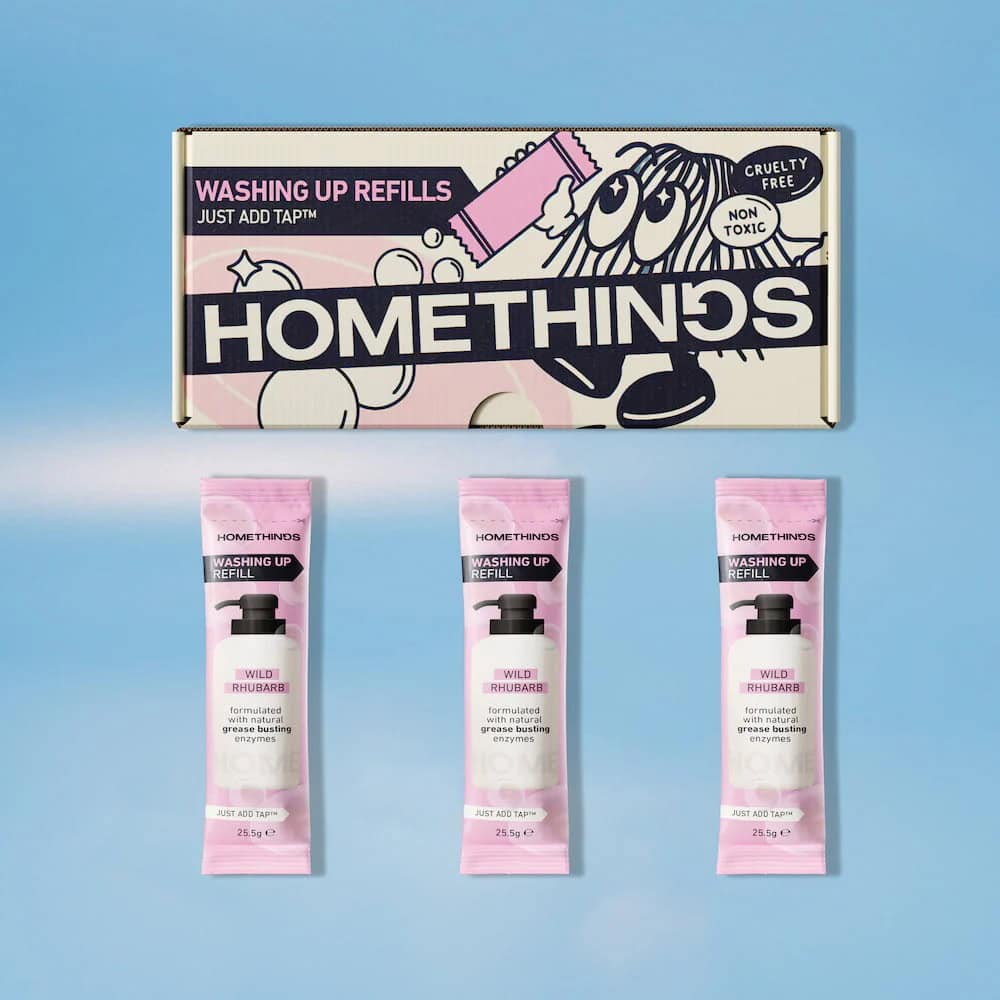
Homethings has established a significant market presence through its expansive range of vegan cleaning tablets, laundry sheets, and washing-up liquid refills. Designed to combat single-use plastic waste comprehensively, the brand offers water-free formulations that activate upon contact with water. By rethinking conventional product delivery, Homethings significantly reduces shipping weights and warehouse footprints, aligning commercial success with rigorous ecological stewardship.
Seep
Expanding beyond liquid formulations, Seep addresses a critical vulnerability in sustainable housekeeping: cleaning tools. Conventional sponges, scouring pads, and synthetic cloths are predominantly manufactured from petroleum-based plastics that persist in landfills for centuries, frequently shedding microplastics into wastewater systems. Furthermore, certain traditional scouring pads utilize animal-derived adhesives or fibers. Seep manufactures its range of cleaning tools from renewable, plant-based materials such as loofah, cellulose, and sustainably sourced wood pulp. At the end of their operational lifecycle, these products are fully biodegradable and home-compostable.
Hidden Animal-Derived Ingredients in Conventional Cleaning Products

For consumers adhering to a strict vegan lifestyle, navigating supermarket cleaning aisles requires vigilance. Many legacy cleaning formulations incorporate animal byproducts utilized historically for their chemical properties, binding capabilities, or texture modification. Identifying these ingredients on product labels is essential for maintaining ethical consumption standards.
Tallow and Sodium Tallowate
Tallow, rendered from animal fat, is frequently utilized in the manufacture of surfactants and traditional bar soaps to assist in grease breakdown. Sodium tallowate and stearic acid often originate from animal fats unless explicitly designated as plant-derived alternatives on the packaging.
Beeswax and Lanolin
Beeswax is occasionally incorporated into specialized wood polishes and restorative creams to impart a natural sheen. Similarly, lanolin—a wax secreted by the sebaceous glands of wool-bearing animals such as sheep—frequently appears in furniture polishes and surface wipes for its moisture-resistant and polishing properties.

Glycerine and Casein
Glycerine functions as a humectant and viscosity modifier in numerous household formulations to prevent ingredient separation and streaking. While synthetic and plant-based glycerine alternatives exist, animal-sourced glycerine remains prevalent in conventional goods. Casein, a protein derived from milk, is occasionally utilized as a structural binding agent in industrial and domestic polishing compounds.
Animal-Derived Enzymes and Shellac
Enzymes such as trypsin and lipase are frequently embedded in heavy-duty laundry detergents and stain removers to break down protein-based stains. While microbial and plant-based fermentation processes now yield identical enzymes, animal extraction remains a historical industry standard. Shellac, derived from the secretions of the lac insect, occasionally surfaces in specialized wood finishes and varnishes.
Implications and Future Outlook of the Eco-Cleaning Sector
The rapid commercial expansion of plant-based and cruelty-free cleaning brands signifies a permanent shift in consumer expectations. Regulatory bodies across Europe and the UK face mounting pressure to enforce stricter labeling laws regarding hidden animal derivatives and chemical transparency in household goods. As supply chains mature, the economic viability of circular distribution models—such as localized refill stations and concentrated pods—threatens the commercial dominance of single-use, water-heavy plastic packaging. For manufacturers, the transition toward certified vegan and sustainable formulations is no longer a niche marketing strategy, but a fundamental prerequisite for long-term market viability in an increasingly conscious global economy. Consumers navigating this transition are encouraged to look for verified third-party accreditations, such as the Vegan Society trademark or the Leaping Bunny cruelty-free certification, to ensure alignment with their ethical and environmental standards.