The Evolution of Jewelry Foundation Pieces: Why Modern Metallurgy is Redefining the Standard for Chain Longevity

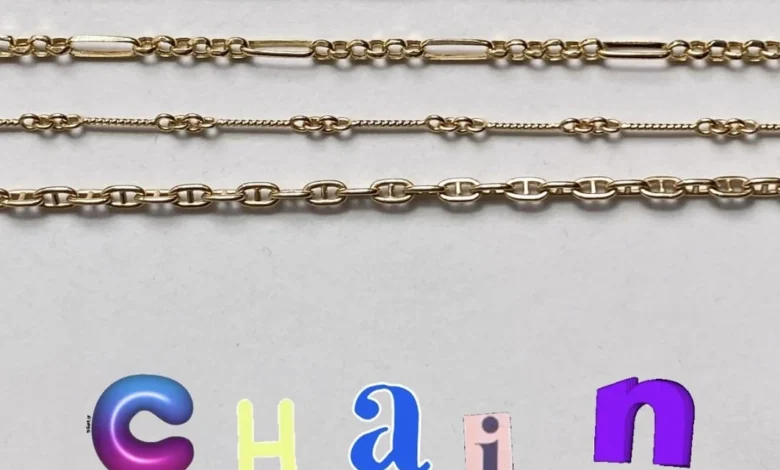
The jewelry industry is currently witnessing a significant pivot in consumer purchasing behavior, characterized by a transition from the acquisition of fragile, antique chain links toward high-durability, contemporary manufacturing. This shift, spearheaded by collectors and industry specialists, is driven by an increased emphasis on the structural integrity of base components—the chains that serve as the fundamental architecture for necklaces, charm jumbles, and pendant displays. As jewelry enthusiasts move away from the unpredictability of vintage links, the focus has shifted toward laboratory-tested metals and precision-engineered designs that offer greater longevity under the stresses of daily wear.
The Hidden Risks of Vintage Jewelry Components
For decades, the allure of vintage jewelry centered on the aesthetic appeal of aged patina and unique, non-standard link designs. However, structural analysis performed under magnification has revealed a pervasive issue: hidden fatigue. Jewelry historians and expert jewelers note that the "wear and tear" sustained by vintage chains over several decades often remains invisible to the naked eye. Under microscopic examination, these pieces frequently exhibit microscopic stress fractures, thinning in the solder points of individual links, and compromised jump rings.
From a metallurgical perspective, repeated friction between metal links—often exacerbated by the added weight of pendants or charms—leads to a phenomenon known as mechanical abrasion. Over time, this friction thins the metal, eventually resulting in catastrophic failure. While professional restoration can mitigate these risks, the cost-to-value ratio for repairing antique chains has become increasingly prohibitive. Expert appraisals suggest that the labor costs associated with reinforcing worn links often exceed the intrinsic value of the chain itself, leading many reputable retailers to move away from sourcing vintage chains in favor of brand-new, manufacturer-direct alternatives that carry full warranty and structural guarantees.
Chronology of Chain Design Evolution
The history of the jewelry chain is a study in both utility and art. Historically, chains were designed primarily for security, intended to hold valuable lockets or timepieces securely against the body.
- 18th and 19th Centuries: Chains were largely handcrafted, with links often forged individually. These pieces were susceptible to uneven soldering and inconsistencies in metal density.
- Early-to-Mid 20th Century: The industrialization of jewelry production introduced standardized machines for link fabrication. While this increased consistency, it also introduced mass-market "cable" chains, which became synonymous with low-durability jewelry often included as a complimentary item with pendants.
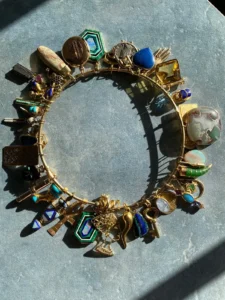
- The 21st Century Pivot: Beginning in the late 2010s, a movement emerged among high-end retailers to categorize chains not as accessories, but as "essential foundations." This era is defined by the utilization of modern casting techniques, such as laser welding and solid-link construction, which ensure that chains can withstand the tensile strength required for contemporary styling, such as the popular "charm jumble" trend.
Data-Driven Selection: The Top Five Industry Standards
To achieve a versatile jewelry collection, industry experts advocate for a curated selection of five distinct chain architectures. These designs are selected based on their tensile strength, aesthetic versatility, and capacity to support heavy attachments.

1. The Mariner Link
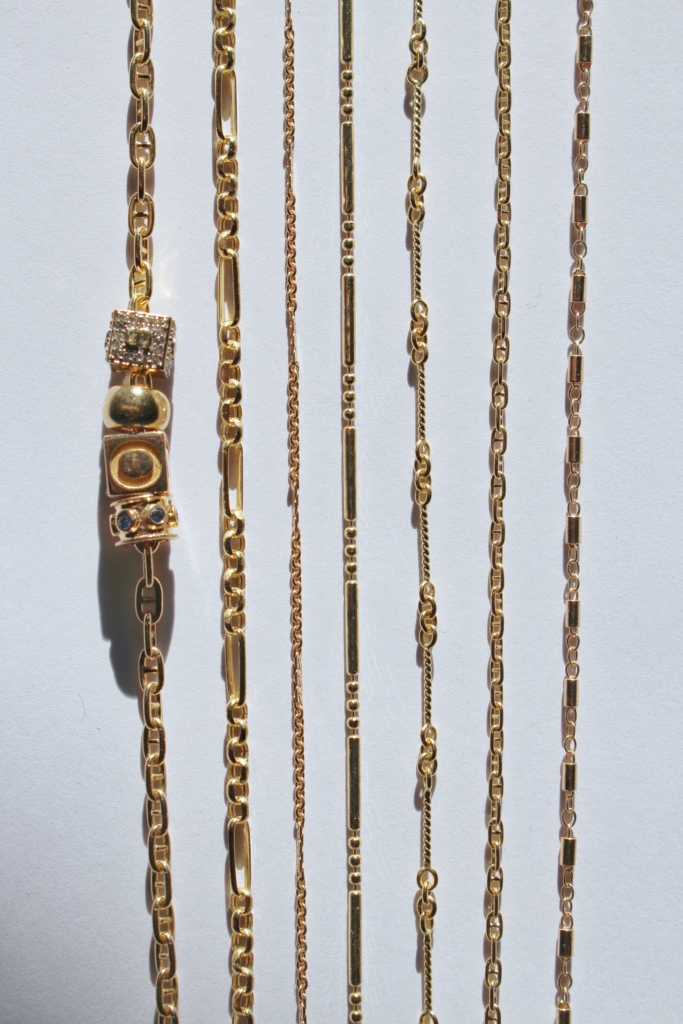
Recognized for its distinct oval shape intersected by a central bar, the Mariner chain is celebrated for its structural rigidity. Because the central bar provides reinforcement, these chains are highly resistant to deformation. Data indicates that the Mariner link is the preferred choice for consumers seeking a durable base for substantial charm collections, as the solid nature of the links prevents the "stretching" common in thinner, hollow chains.
2. The Box Chain
The Box chain, characterized by its smooth, cube-like links, represents one of the most stable architectures in the market. Because the links are tightly interlocked, the chain is significantly less prone to kinking or twisting. Historical usage suggests that the box chain is the optimal candidate for everyday wear, as it offers a seamless profile that integrates well with various pendant styles without distracting from the primary ornament.
3. Large Link Architectures (Trombone, Oval, and Bar)
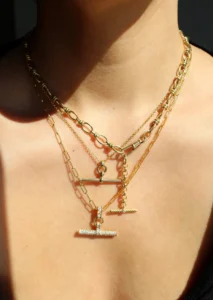
The trend of "layering" has elevated the importance of large-link chains. Designs such as the Trombone link—inspired by the mechanical aesthetics of 19th-century hardware—serve as a focal point rather than a supporting element. The incorporation of varied geometry, such as elongated bar links or oval jangle links, provides necessary visual contrast when stacking necklaces. These pieces are typically manufactured with thicker gauge wire to ensure that the increased size does not result in a loss of durability.

4. The Mini Figaro Chain
The Figaro chain, defined by its pattern of flattened links (usually three small circular links followed by one longer oval link), is widely regarded as the superior alternative to the standard cable chain. The flatness of the Figaro design allows it to sit flush against the collarbone, providing a more refined aesthetic. Its construction is inherently more robust than a simple cable chain, making it a reliable, high-utility staple for daily use.
5. Unique and Geometric Variations
The current market is seeing a surge in specialized link geometries, including bead-and-bar, twisted-stick, and starburst-curb designs. These pieces serve as a bridge between high-fashion statement jewelry and functional foundations. By incorporating intricate details directly into the link structure, designers have eliminated the need for fragile external connectors, creating a cleaner, more durable aesthetic.
Broader Implications for the Jewelry Market
The shift toward high-durability, new-manufacture chains has significant implications for the jewelry sector. First, it addresses the sustainability concern; by investing in well-constructed, long-lasting chains, consumers reduce the necessity for frequent replacements. Second, it highlights a broader shift in consumer values toward quality assurance. In the modern market, transparency regarding manufacturing methods—such as the difference between hollow and solid links—is becoming a standard expectation for informed buyers.

Furthermore, the rise of the "curated stack" has changed the way retailers inventory their goods. Jewelry stores are increasingly focusing on the modularity of their products, ensuring that chains are available in a variety of lengths and widths that are compatible with interchangeable clasps and pendants. This modular approach allows the consumer to treat their collection as a dynamic entity, capable of being updated or rearranged without compromising the safety of the individual components.
Expert Conclusion and Industry Outlook
The transition from vintage to modern in the chain category is not merely a preference for "newness," but a rational response to the limitations of historical metallurgy. By prioritizing structural integrity, consumers ensure that their jewelry investments remain secure for the long term. As manufacturing technology continues to advance, the gap between aesthetic beauty and structural durability is closing, allowing for thinner, more intricate designs that retain the strength of their heavier predecessors.
The recommendation for any serious jewelry enthusiast remains consistent: verify the link type, inspect the solder points, and prioritize solid-metal construction over hollow-form alternatives. In doing so, the foundation of any jewelry collection becomes not only a beautiful accessory but a permanent, reliable asset capable of supporting the evolving tastes of the collector for years to come.