Sustainable Winter Style: Navigating the UK Market for Ethical Gloves and Scarves

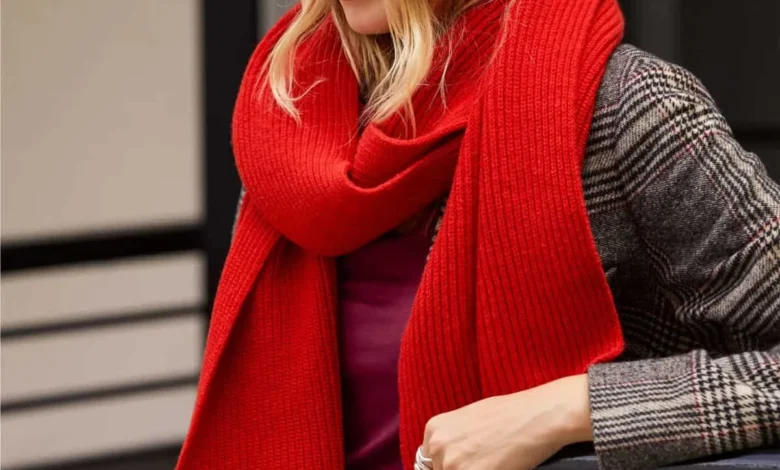
The arrival of the winter season inevitably prompts a surge in consumer demand for cold-weather accessories, yet finding items that successfully balance thermal efficiency with strict environmental and ethical standards remains a challenge. For shoppers seeking to align their seasonal wardrobe updates with eco-conscious values, the modern retail landscape offers an increasingly sophisticated array of alternatives to fast fashion. Industry analysts note that consumer awareness regarding textile production methods, material sourcing, and fair labour practices has accelerated significantly over the past decade. Consequently, a growing segment of the United Kingdom apparel market is pivoting toward transparency, regenerative agriculture, and circular economy principles. This comprehensive market overview examines leading sustainable brands offering ethically produced winter gloves, scarves, and accessories, highlighting the specific certifications and manufacturing practices that set them apart.
The Evolution of Sustainable Winter Wear
Historically, the winter accessories market relied heavily on conventional wool, synthetic acrylics, and petroleum-based nylons, which carry substantial environmental footprints. Conventional wool production often faces scrutiny regarding land degradation and animal welfare issues, such as the controversial practice of mulesing. Meanwhile, synthetic fibers contribute significantly to microplastic pollution during washing and wear cycles.
In response, ethical retailers and heritage brands have adopted stringent third-party standards to verify their supply chains. Certifications such as the Global Organic Textile Standard (GOTS) and the Responsible Wool Standard (RWS) have emerged as gold standards for consumers seeking verifiable assurances. GOTS mandates strict environmental and social criteria along the entire organic textile supply chain, prohibiting toxic heavy metals and bleaching agents in dyeing processes. Simultaneously, RWS certification ensures that wool originates from farms utilizing progressive land management techniques and upholding rigorous animal welfare protocols.

Market Leaders in Ethical Cold-Weather Accessories
Several British and European brands have established themselves as benchmarks for sustainability in the winter accessories sector, offering distinctive approaches to material sourcing and production transparency.
Seasalt: Pioneering Organic Certification
Cornwall-based retailer Seasalt has long occupied a prominent position in sustainable British fashion. Notably, the company achieved distinction as the first fashion enterprise to attain Soil Association GOTS certification back in 2005. Seasalt’s seasonal collection of hats, gloves, and snoods—with prices starting around £27.95—utilizes a curated selection of responsible materials. These include recycled nylon, non-mulesed merino wool, and wool certified by the Responsible Wool Standard. Beyond material selection, the brand implements environmentally conscious operational practices, including plastic-free product shipping, significantly reducing single-use packaging waste within the retail supply chain.
Nearly New Cashmere Co.: The Zero-Waste Model

Addressing the pressing issue of textile waste, The Nearly New Cashmere Co. champions a circular economic model. The British brand specializes in restoring and reselling preloved cashmere apparel, thereby extending the lifecycle of luxury fibers. For garments compromised beyond repair, the company upcycles 100% cashmere jumpers into practical fingerless gloves, priced from £26. This zero-waste intervention diverts textile waste from landfills while delivering soft, durable, and non-itchy cold-weather accessories. The brand’s broader product ecosystem also encompasses neck warmers and hats, reinforcing the viability of localized, circular manufacturing in the UK.
Dilling: Vertical Integration and Traceability
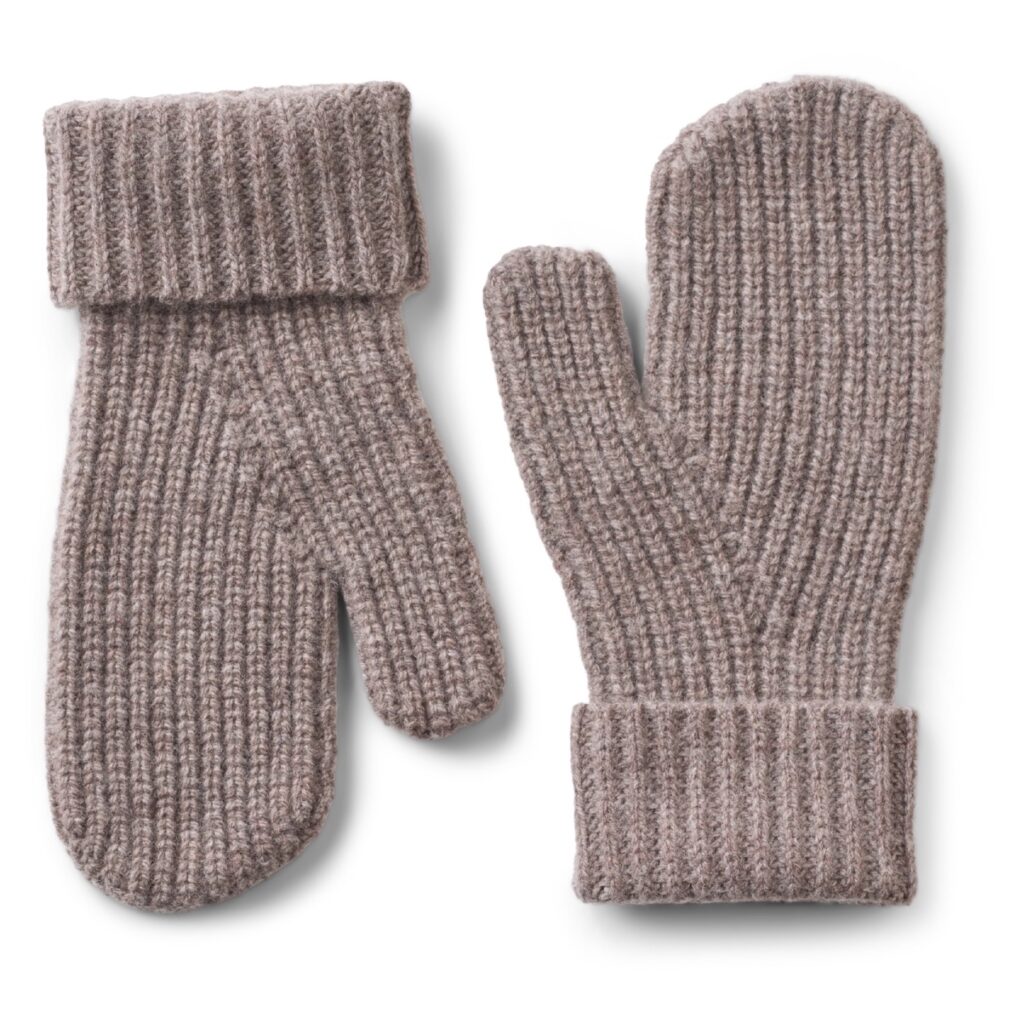
Dilling offers an alternative centered on natural, plastic-free textiles through its line of 100% GOTS-certified lambswool mittens, retailing at approximately £29.99. Sourced from mulesing-free sheep, the wool is processed using heavy-metal-free dyes. A defining characteristic of Dilling’s operational model is its high degree of vertical integration: the company owns and operates its own dye house, cutting facility, and manufacturing plant. This direct oversight grants management exceptional control over labor conditions and environmental standards. Furthermore, to combat premature garment disposal, Dilling offers specialized repair patches alongside comprehensive maintenance guides, empowering consumers to prolong the lifespan of their purchases.
Isabella Oliver: European Craftsmanship and Low-Emission Logistics
While widely recognized for its maternity wear, Isabella Oliver maintains a robust portfolio of sustainable winter accessories, including recycled wool hats, scarves, and balaclavas priced from £39. Manufactured entirely within Europe, these accessories reflect the brand’s commitment to localized production and reduced transport emissions. In an effort to minimize its carbon footprint, Isabella Oliver enforces a strict logistics policy, ensuring that finished goods are transported to regional warehouses exclusively via road freight rather than air cargo.
Devold: Norwegian Heritage and Technical Performance
For extreme cold-weather performance, Norwegian brand Devold specializes in technical wool garments and accessories, including hats and gloves available from approximately £20 via outdoor retailers. Utilizing 100% organic, mulesing-free merino wool, Devold combines traditional Scandinavian knitting techniques with rigorous ethical sourcing. The brand’s adherence to traceability ensures that consumers receive garments engineered for durability and thermal regulation without compromising on animal welfare or environmental integrity.
Implications and Broader Industry Trends
The proliferation of traceable, ethically produced winter wear underscores a broader structural shift within the global apparel industry. As regulatory bodies in the UK and European Union tighten scrutiny on greenwashing and environmental claims, fashion brands face mounting pressure to substantiate their sustainability metrics through independent certifications.
Industry analysts observe that while sustainable winter accessories often command a higher initial price point compared to mass-market fast fashion alternatives, consumer demand remains resilient. This resilience is driven by a growing preference for durability, timeless design, and circular disposal options such as repairability and upcycling. By investing in garments constructed from organic, recycled, or preloved fibers, consumers are increasingly viewing winter accessories not as disposable seasonal purchases, but as long-term investments in ethical fashion.

As the market continues to evolve, ongoing transparency from manufacturers and increased consumer advocacy will remain critical drivers in reducing the environmental impact of the textile industry. The brands highlighted in this market survey demonstrate that commercial viability and stringent ecological standards are not mutually exclusive, offering a blueprint for a more responsible future in winter apparel.