The Rise of Sustainable Mindfulness: A Comprehensive Review of Organic and Nontoxic Meditation Pillows for Modern Wellness Spaces

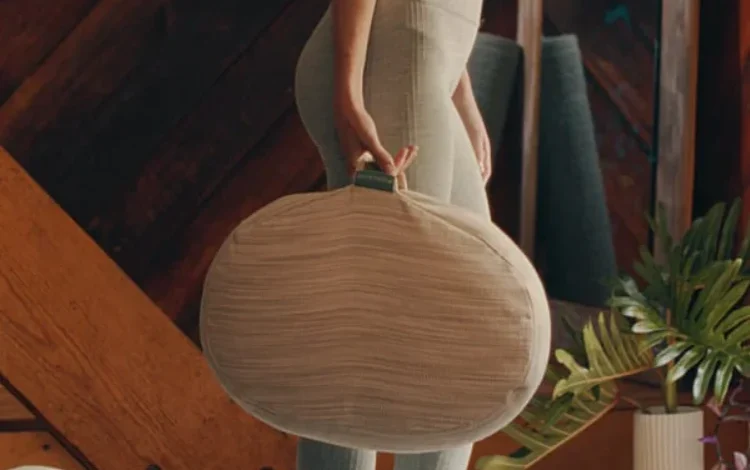
The global wellness economy has experienced an unprecedented surge over the past decade, with mindfulness practices, meditation, and yoga transitioning from niche lifestyle choices into mainstream health priorities. According to industry market analysis by the Global Wellness Institute, the mental wellness sector alone is valued in the tens of billions of dollars, driven by an increasing consumer awareness of stress management, mental health maintenance, and holistic living. As millions of individuals incorporate daily meditation routines into their schedules, the demand for ergonomic, safe, and ethically manufactured accessories has risen exponentially. Among these accessories, meditation cushions—specifically zafus and bolsters—have become essential tools for practitioners seeking proper posture support without physical strain.

However, a significant challenge facing the conscious consumer is the intersection of comfort, ergonomics, and environmental sustainability. Traditional meditation pillows often utilize synthetic fills, petroleum-based foams, and conventional cotton treated with pesticides or harsh chemical dyes. In response to these concerns, a growing sector of eco-conscious home goods brands and artisans has introduced certified organic, non-toxic alternatives. After reviewing dozens of meditation pillows based on structural support, material safety, and supply chain transparency, industry experts have compiled a definitive guide to the top sustainable cushion options available on the market today.
Ergonomic Necessity and Material Evolution in Meditation Gear

The physical mechanics of meditation require deliberate posture to maintain focus and prevent physical discomfort. While couches and beds often prove overly accommodating—frequently inducing drowsiness—hard flooring surfaces can place undue stress on the hips, lower back, and knee joints. Ergonomic specialists recommend elevated seating tools to tilt the pelvis forward, naturally aligning the spine and alleviating tension across the lower limbs.
Historically, meditation cushions have evolved from simple cloth sacks stuffed with rice, straw, or cotton waste into sophisticated, anatomically designed supports. Modern high-end meditation pillows predominantly rely on natural, renewable fills such as organic buckwheat hulls and kapok fiber. Buckwheat hulls, in particular, have become the gold standard for zafus and bolsters. These durable husks conform precisely to the contours of the body, offering firm, adjustable support that does not compress permanently over time. Furthermore, consumers are increasingly demanding

transparency regarding outer fabrics, favoring Global Organic Textile Standard (GOTS) certified cotton, sustainably harvested hemp, and untreated linen.
Top Sustainable Meditation Pillow Brands and Offerings

The market for non-toxic mindfulness accessories is anchored by several pioneering brands that prioritize ethical sourcing, biodegradable materials, and community reinvestment.
-
renoo: Artisanal Traceability and Biodiversity
Operating on a model of complete supply chain transparency, renoo specializes in handmade zafu and zabuton cushions crafted by traditional artisans in India. Priced starting at $70, the brand utilizes entirely biodegradable and organic inputs, including buckwheat hulls, kapok fiber, hemp, and linen. By avoiding synthetic blends, renoo ensures that its products leave a minimal environmental footprint while supporting fair-trade craftsmanship. The aesthetic profile—defined by soothing neutral and pastel tones achieved through low-impact dyes—caters to modern interior design sensibilities without compromising ecological integrity.
-
Avocado: MADE SAFE Certified Structural Support
Known broadly for its leadership in organic sleep systems, Avocado has expanded its footprint into the mindfulness sector with its MADE SAFE certified yoga and meditation collection. Starting at $89, the brand’s Organic Yoga Meditation Pillow features GOTS-certified organic cotton, OEKO-TEX-certified stitching, and vegan buckwheat filling. Rigorous testing by independent ergonomic reviewers highlights the pillow’s exceptional firmness and spinal alignment capabilities. Additionally, Avocado incorporates practical consumer features, such as canvas under-bed storage bags to protect the cushions from environmental debris when not in use, backed by a 30-day trial and a one-year warranty. -
Brentwood Home: Vegan Alignment and Ocean Restoration
Brentwood Home addresses the intersection of vegan lifestyle requirements and ergonomic design through its Crystal Cove collection. Starting at $69, these cushions utilize GOTS-certified organic cotton, buckwheat hulls, and proprietary eco-friendly foams. The collection offers multiple structural configurations, including square cushions, oval options, and bolster rolls, catering to diverse physical practices ranging from restorative yoga to seated meditation. Beyond product safety, Brentwood Home maintains a corporate social responsibility model, allocating one percent of proceeds from the Crystal Cove line to SeaTrees, an environmental initiative dedicated to restoring vital kelp forest ecosystems along the California coastline and beyond.
-
HempOrganicLife: Accessible Craftsmanship and Global Solidarity
Operating out of Ukraine, the Etsy-based storefront HempOrganicLife has emerged as a top-tier global provider of sustainable hemp and linen meditation cushions, with entry-level pricing starting at $22. Despite geopolitical challenges, the small business has maintained robust international distribution, accumulating tens of thousands of five-star reviews. The brand’s product line emphasizes traditional hand-embroidery, carbon-free shipping practices, and durable organic buckwheat filling. Industry analysts point to HempOrganicLife as a prime example of how independent creators can leverage digital marketplaces to offer high-quality, non-toxic wellness products at accessible price points. -
Lorena Canals: Pediatric Mindfulness and Social Enterprise
Recognizing that mindfulness habits are increasingly cultivated during childhood, Lorena Canals offers a specialized line of whimsical, fruit- and animal-themed floor cushions and poufs designed specifically for children. Priced from $90, these washable cotton-blend covers are handmade by artisans in India. Beyond providing comfortable seating for reading or early meditation exercises, the brand operates with a strong philanthropic mandate, channeling a portion of its revenues directly into the Sakûla Project, a northern Indian nursery school providing nutrition and education to underprivileged children.
Broader Market Implications and Future Outlook
The proliferation of organic and ethically produced meditation accessories reflects a broader structural shift within the consumer goods market. As buyers increasingly scrutinize the lifecycle of everyday items—from agricultural sourcing to end-of-life biodegradability—brands that fail to secure third-party certifications such as GOTS, OEKO-TEX, or MADE SAFE risk losing market share to transparent competitors.

Furthermore, the integration of charitable giving models within the wellness sector demonstrates a growing corporate consensus that profitability and social responsibility are mutually dependent. Whether through habitat restoration, support for international artisans, or contributions to educational infrastructure, modern wellness brands are redefining consumer expectations. For the end-user, investing in a certified non-toxic meditation pillow represents not only an upgrade to personal physical health and mindfulness routines, but also a deliberate vote in favor of a cleaner, more equitable global supply chain.