From Viral Content to Retail Powerhouse: Inside the Strategic Blueprint of Mikayla Nogueira’s POV Beauty

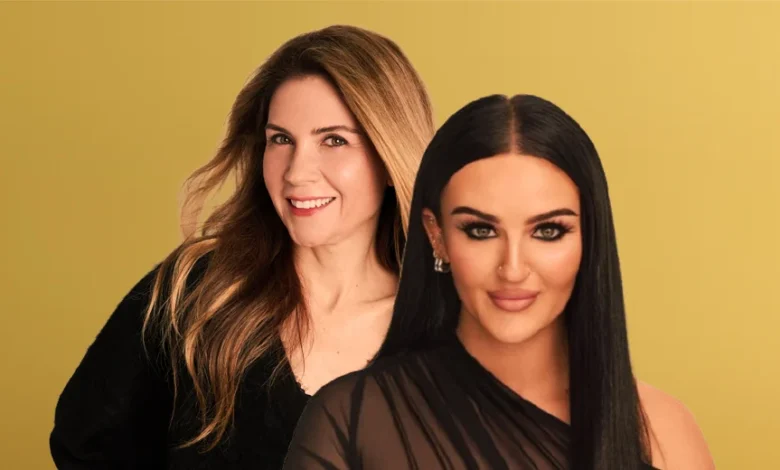
The landscape of the beauty industry has shifted dramatically over the last decade, transitioning from traditional celebrity endorsements to the era of the "creator-founder." At the forefront of this evolution is POV Beauty, a brand founded by prominent digital creator Mikayla Nogueira and seasoned beauty executive Ani Hadjinian. Launched in 2025, the brand has rapidly ascended from a digital-first concept to a nationwide staple, securing shelf space in every Sephora location across the United States and Canada. During the most recent Glossy Beauty & Wellness Summit, held to dissect the intersection of consumer trends and corporate strategy, Nogueira and Hadjinian provided an exclusive look into the methodology behind their rapid expansion and their long-term vision for the brand.
A Foundation Built in the Trenches of Retail and FX
While Nogueira is widely recognized for her massive TikTok following and authoritative presence in the beauty community, her professional roots are grounded in technical application and retail experience. Before the advent of social media fame, Nogueira spent a decade working in the special effects (SFX) makeup industry, an experience she credits for her deep understanding of product performance and longevity. Working in a haunted house environment—a high-stakes setting that requires makeup to withstand sweat, movement, and extreme conditions—provided her with a foundational education in how products interact with skin under stress.
Following her tenure in SFX, Nogueira transitioned into traditional retail at Ulta Beauty. This period was pivotal in shaping her perspective on the consumer experience. Unlike freelance artistry, which focuses on the individual client, retail provided a bird’s-eye view of the mass market. She observed the "paradox of choice"—the phenomenon where an abundance of options leads to consumer anxiety rather than satisfaction. It was here that the initial concept for POV Beauty began to germinate. Nogueira noted that consumers were often overwhelmed by the sheer volume of products available, leading to a disconnect between purchasing a product and achieving the desired aesthetic result.
The Strategic Partnership: Nogueira and Hadjinian
The success of POV Beauty is not merely a result of Nogueira’s social reach; it is a calculated marriage of influence and institutional knowledge. Co-founder and CEO Ani Hadjinian brings an extensive background in luxury and prestige beauty, having held leadership roles at industry titans including Bobbi Brown, Estée Lauder, Tom Ford Beauty, and Augustinus Bader. This partnership represents a growing trend in the industry: the integration of "creator-authenticity" with "corporate-operational excellence."
Hadjinian’s role has been to translate Nogueira’s vision into a sustainable business model. The strategy focuses on moving away from the ephemeral nature of "viral" beauty trends and toward the cultivation of habitual, long-term brand loyalty. In the modern beauty market, where a product can trend on social media for a week and be forgotten the next, Hadjinian emphasizes the importance of data-driven forecasting that looks beyond social engagement metrics.
Analyzing the POV Beauty Playbook: Engagement vs. Conversion
During their fireside chat, Hadjinian provided a candid assessment of the metrics that define success. "Engagement does not necessarily equal demand or your forecast," she noted. This distinction is critical for creator-led brands. While millions of views and high levels of social interaction are essential for brand awareness, they are not direct proxies for conversion or retention.
The POV Beauty strategy centers on identifying gaps in the market—specifically, the need for "skin prep" and "complexion" products that simplify the professional makeup process for the everyday consumer. By positioning the brand as a tool kit that empowers the user to act as their own makeup artist, the company is targeting the "intimidated" consumer—the segment of the market that feels alienated by the complexity of professional-grade products.
The company’s data-gathering process is cyclical. Nogueira actively polls her community to determine their specific pain points. However, this is balanced against Hadjinian’s rigorous financial and market analysis. By blending qualitative community feedback with quantitative market trends, POV Beauty attempts to mitigate the risks associated with product launches that rely too heavily on the "hype cycle."
Industry Context and Market Implications
The launch of POV Beauty into the entire Sephora footprint in North America within its first year is an anomaly in the retail sector. Typically, brands undergo a tiered rollout, starting with regional exclusivity or online-only distribution. The decision by Sephora to grant immediate, widespread shelf space to POV Beauty signals a shift in how major retailers view creator-founded brands. Retailers are increasingly prioritizing brands that come with built-in, highly engaged communities, as these brands offer a lower customer acquisition cost compared to traditional legacy brands that must invest heavily in traditional advertising.
However, the industry faces significant headwinds. The beauty market is currently oversaturated. According to recent reports from market research firms like Mintel and Euromonitor, the barrier to entry for beauty brands has lowered significantly due to contract manufacturing, leading to a surplus of new launches. This has made the "habit-based" approach advocated by Hadjinian essential. A brand’s viability now rests on the "third and fourth purchase"—the repeat customer who integrates the product into their daily routine, rather than the impulsive consumer who makes a one-time purchase based on a viral video.
The Future Roadmap: Expanding Categories
While POV Beauty has established itself through skin prep and complexion products, the brand has signaled an intention to expand into new categories. This is a common path for successful brands, but it carries inherent risks of brand dilution. The challenge for Nogueira and Hadjinian will be to maintain the "POV" identity—the promise of professional, accessible results—as they diversify.
The brand’s trajectory will likely be watched closely by investors and industry analysts. The success of POV Beauty serves as a litmus test for the sustainability of creator-led ventures in a post-pandemic retail environment. If the brand can sustain its momentum, it may become the standard-bearer for how to effectively leverage digital influence to build long-term, shelf-stable, and profitable entities.
Summary of Key Operational Pillars
- Community-Centric R&D: The brand utilizes direct feedback loops with Nogueira’s audience to identify unmet needs, ensuring that every product launch is grounded in a verified consumer pain point.
- Operational Rigor: By employing a CEO with a background in prestige beauty, the brand avoids the common pitfalls of "influencer-led" companies that lack infrastructure, supply chain management, and long-term financial planning.
- Focus on Habituation: The brand prioritizes the "utility" of the product, aiming to become an indispensable part of the user’s daily regimen rather than an accessory used only for social media appearances.
- Strategic Retail Placement: Utilizing the reach of Sephora, the brand has maximized its physical accessibility, bridging the gap between digital discovery and physical purchase.
As the industry continues to evolve, the partnership between Nogueira and Hadjinian offers a compelling case study. It suggests that the future of beauty is not merely about who has the largest platform, but about who can most effectively synthesize the voice of the consumer with the mechanics of the retail market. The transition from "creator" to "founder" is no longer a vanity project; it has become a sophisticated business operation requiring the same level of discipline as any legacy house, yet with the agility that only a digital-native brand can possess. The coming years will reveal whether this hybrid model can weather the cyclical nature of beauty trends and cement itself as a permanent fixture in the global beauty market.
Related posts: