Family Dollar Agrees to Strict Oversight and Refunds Following Nationwide Pricing Accuracy Settlement

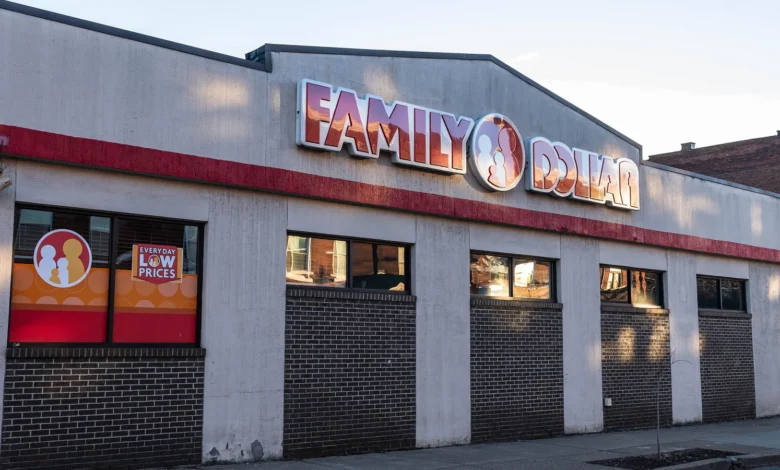
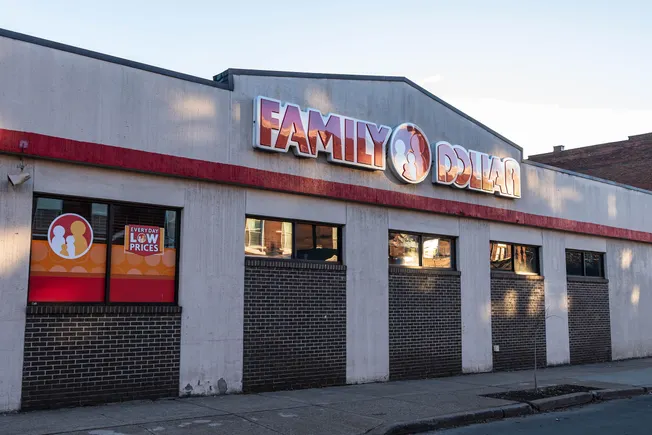
Discount retail giant Family Dollar has agreed to sweeping operational overhauls, independent compliance assessments, and financial restitution following a massive nationwide investigation into deceptive pricing practices. The regulatory crackdown, finalized in November 2026, stems from allegations that the discount chain routinely charged unsuspecting shoppers at the cash register higher prices than those advertised on store shelves and promotional displays.
The agreement places the company under intense federal and multi-state scrutiny, setting a high-stakes precedent for discount retailers nationwide as consumer protection advocates increasingly target misleading retail practices. The enforcement action highlights growing regulatory intolerance toward checkout discrepancies, which disproportionately impact financially vulnerable shoppers who rely heavily on budget retailers for everyday household essentials.
Background and Scope of the Investigation
The regulatory action against Family Dollar was spearheaded by the Federal Trade Commission (FTC) alongside a coalition of state attorneys general. Court documents revealed that the discount chain’s pricing discrepancies cost American consumers millions of dollars over several years. The unlawful pricing methods violated both federal consumer protection statutes and state-level consumer fraud laws across nearly twenty jurisdictions, including Alabama, Arkansas, Colorado, Florida, Illinois, Iowa, Kansas, Louisiana, Mississippi, Nebraska, Ohio, Oklahoma, Pennsylvania, South Carolina, Tennessee, Utah, and Wisconsin.
The core of the issue involved a systemic disconnect between the prices displayed on shelf tags, circulars, and promotional signage and the actual prices programmed into the store point-of-sale (POS) systems. Shoppers frequently selected items under the impression they cost a specific, lower amount, only to be charged a higher price at the register. Because many consumers purchase multiple items at once and rarely audit their receipts immediately before leaving the store, these discrepancies often went unnoticed, quietly siphoning money from household budgets already strained by inflationary pressures.
Chronology of Regulatory Crackdowns on Discount Retailers
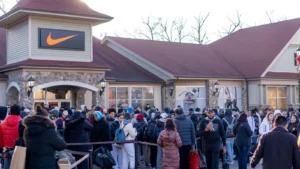
The crackdown on Family Dollar is part of a broader, aggressive campaign by federal and state regulators targeting the discount retail sector for pricing transparency violations.
In the weeks leading up to the Family Dollar settlement, the FTC and a coalition of twenty states filed a landmark lawsuit against Dollar General, Family Dollar’s primary competitor in the dollar store segment. The lawsuit alleged similar deceptive pricing practices, claiming that Dollar General regularly engaged in "bait-and-switch" pricing tactics at the register. While Dollar General acknowledged what it termed "occasional price discrepancies" and asserted its commitment to pricing accuracy, the simultaneous legal actions against the two largest dollar store chains in the United States signal a coordinated regulatory focus on the industry.
For Family Dollar, the November 2026 settlement marks the culmination of an extensive investigation that required the company to negotiate terms with both federal regulators and numerous state-level enforcement agencies. Under the terms of the final administrative and judicial orders, Family Dollar is barred from engaging in deceptive pricing and must implement rigorous structural changes to prevent future violations.
Mandatory Compliance and Operational Reforms
To satisfy the terms of the settlement, Family Dollar has agreed to a comprehensive set of operational mandates designed to ensure absolute pricing transparency. These requirements will be independently assessed and annually certified by third-party auditors to guarantee compliance.
Among the primary mandates, Family Dollar must:
- Prominently display its official pricing policy adjacent to all store cash registers where consumers can easily read it.
- Implement technical safeguards and procedural controls ensuring that point-of-sale computer systems do not update to higher prices until corresponding shelf tags and advertisements are physically or digitally updated.
- Establish robust internal monitoring protocols to regularly audit and verify the accuracy of advertised prices against checkout systems.
- Institute mandatory annual training programs for all store-level employees and corporate management personnel regarding price verification and consumer protection compliance.
- Strictly enforce a policy to immediately honor the lowest advertised price when a discrepancy is discovered by a customer at the register.
- Promptly correct inaccurate pricing displays the moment they are identified by staff or shoppers.
Furthermore, the settlement requires Family Dollar to provide financial restitution to consumers who were demonstrably harmed by the pricing errors, ensuring that wrongfully obtained funds are returned to the public.

Corporate Responses and Official Statements
Representatives for Family Dollar have maintained a cooperative stance following the announcement of the settlement, emphasizing the company’s dedication to rebuilding consumer trust and modernizing its operational framework.
"The company is fully cooperating and is focused on strengthening pricing accuracy across our stores and maintaining our customers’ trust," a Family Dollar spokesperson said in a statement.
The spokesperson added that the organization values its role in local communities, noting: "Family Dollar prides itself on providing convenient, close-to-home stores where customers can shop for everyday essentials at affordable prices. We take our responsibility to deliver a positive shopping experience seriously."
Regulatory Stance on Consumer Protection
Federal regulators have underscored that the enforcement action serves as a warning shot to the broader retail industry. With household budgets tight and consumers hyper-sensitive to the rising cost of living, regulatory agencies are ramping up oversight to protect shoppers from hidden costs at checkout.
"The FTC is committed to ensuring price transparency and fairness so consumers can make informed choices," said Christopher Mufarrige, director of the FTC’s Bureau of Consumer Protection, in a statement addressing the enforcement action. "Today’s order will ensure Family Dollar stops deceiving consumers about its prices and returns money to consumers harmed by these practices."

Mufarrige’s comments reflect a wider regulatory philosophy that views price accuracy not merely as a customer service issue, but as a fundamental consumer right and a matter of legal compliance.
Broader Industry Implications and Dynamic Pricing Pressures
The Family Dollar settlement arrives at a complex time for the American retail sector. While discount chains grapple with regulatory penalties for inaccurate static pricing, other major retailers are experimenting with dynamic pricing models—electronically adjusting prices in real-time based on demand, time of day, or inventory levels.
Industry analysts note that while dynamic pricing is legal when properly disclosed, it frequently unnerves financially stressed consumers who feel manipulated by fluctuating costs. As technology alters how prices are displayed—shifting from paper tags to electronic shelf labels—the potential for consumer confusion and regulatory scrutiny has grown exponentially.
The legal and financial fallout faced by Family Dollar and Dollar General demonstrates that federal and state authorities are closely monitoring retail checkout practices. Retailers utilizing electronic pricing systems, automated inventory updates, or large-scale promotional campaigns will likely face heightened pressure to audit their internal technologies. Failure to maintain synchronicity between advertised prices and register scans now carries severe financial and reputational consequences.
As Family Dollar begins its multi-year journey under independent compliance oversight, the case stands as a watershed moment for discount retail operations. For consumers, the settlement promises greater vigilance at the register, ensuring that the price seen on the shelf is precisely what is paid at checkout.