A Barefoot Bride and a Campsite Ceremony at Spirit of Suwannee Music Festival

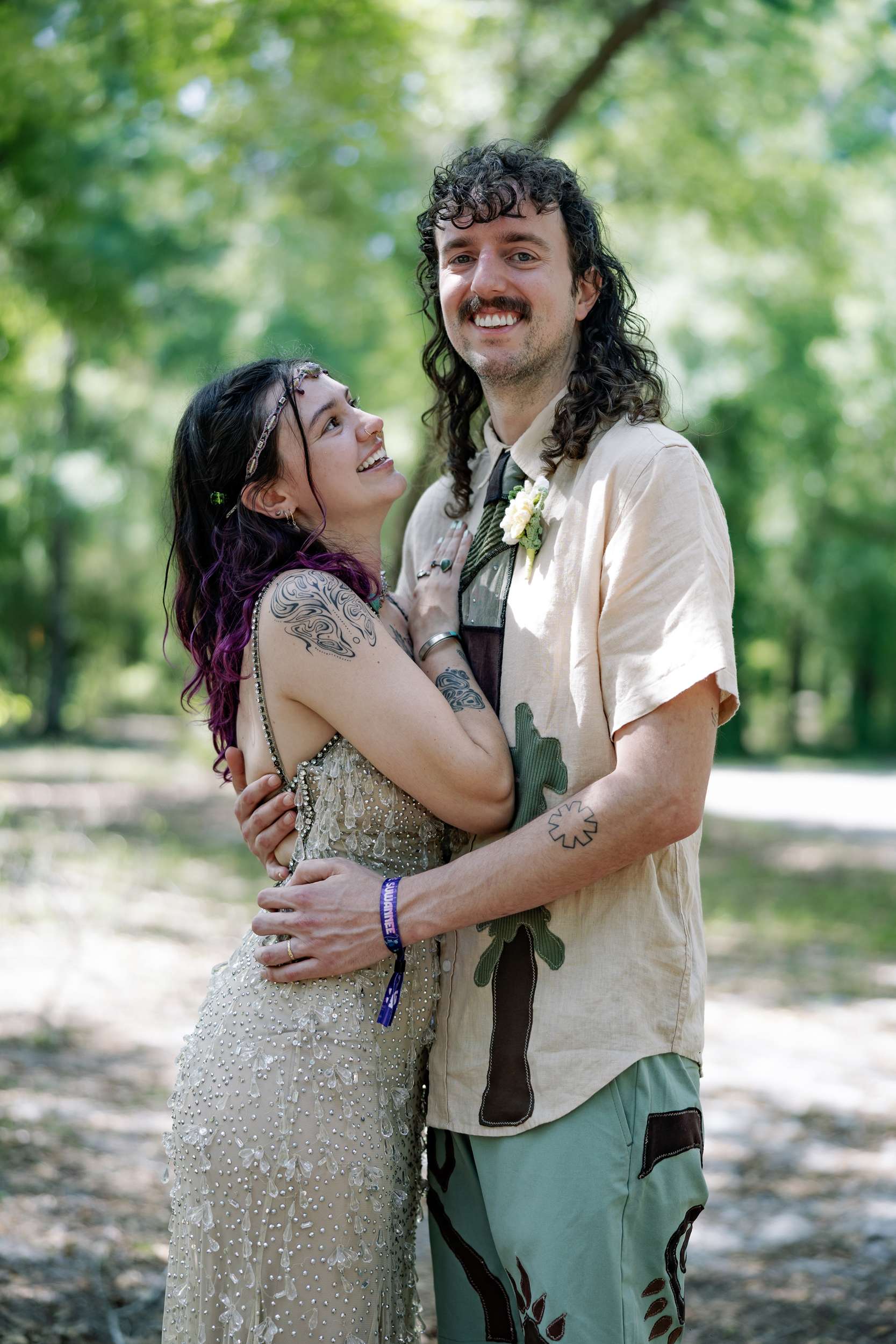
In a striking departure from traditional matrimonial norms, Jaci and Jason chose the vibrant, communal backdrop of the Spirit of Suwannee Music Park in Live Oak, Florida, to exchange their wedding vows. The couple, long-time enthusiasts of the festival circuit, integrated their ceremony into the opening day of a major music event, effectively transforming a standard three-day festival experience into a four-day celebration of their union. This unconventional approach highlights a growing trend among modern couples who are increasingly prioritizing authentic, experiential weddings over the formal, high-cost structures that have historically dominated the industry.
The Spirit of Suwannee Music Park, a renowned destination for music lovers, spans over 800 acres of Spanish moss-draped oak trees and pristine riverbanks. Its reputation as a sanctuary for music, camping, and community made it the logical venue for a couple seeking a wedding that reflected their lifestyle rather than adhering to societal expectations. By opting for a campsite ceremony, the pair bypassed the logistical and financial burdens associated with traditional wedding venues, opting instead for an environment where they felt a profound sense of identity and comfort.
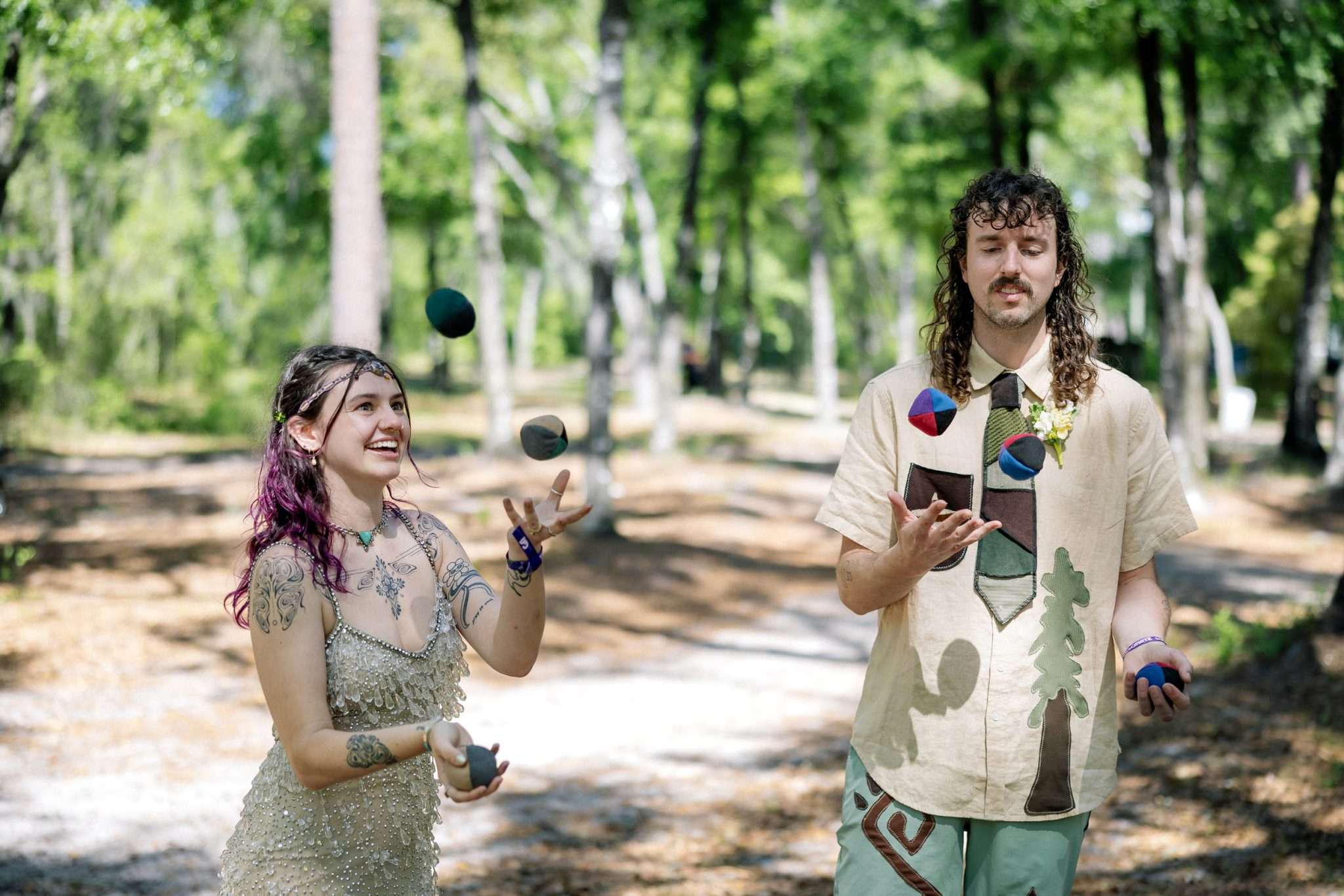
The Logistics of a Festival Wedding
The decision to marry at the onset of the music festival provided the couple with a unique timeline. By conducting the ceremony on the first day, the couple secured the subsequent three days for an extended celebration, surrounded by the music and community that formed the foundation of their relationship. This strategy allowed them to bypass the traditional "one-day" wedding structure, opting instead for a weekend-long immersion.
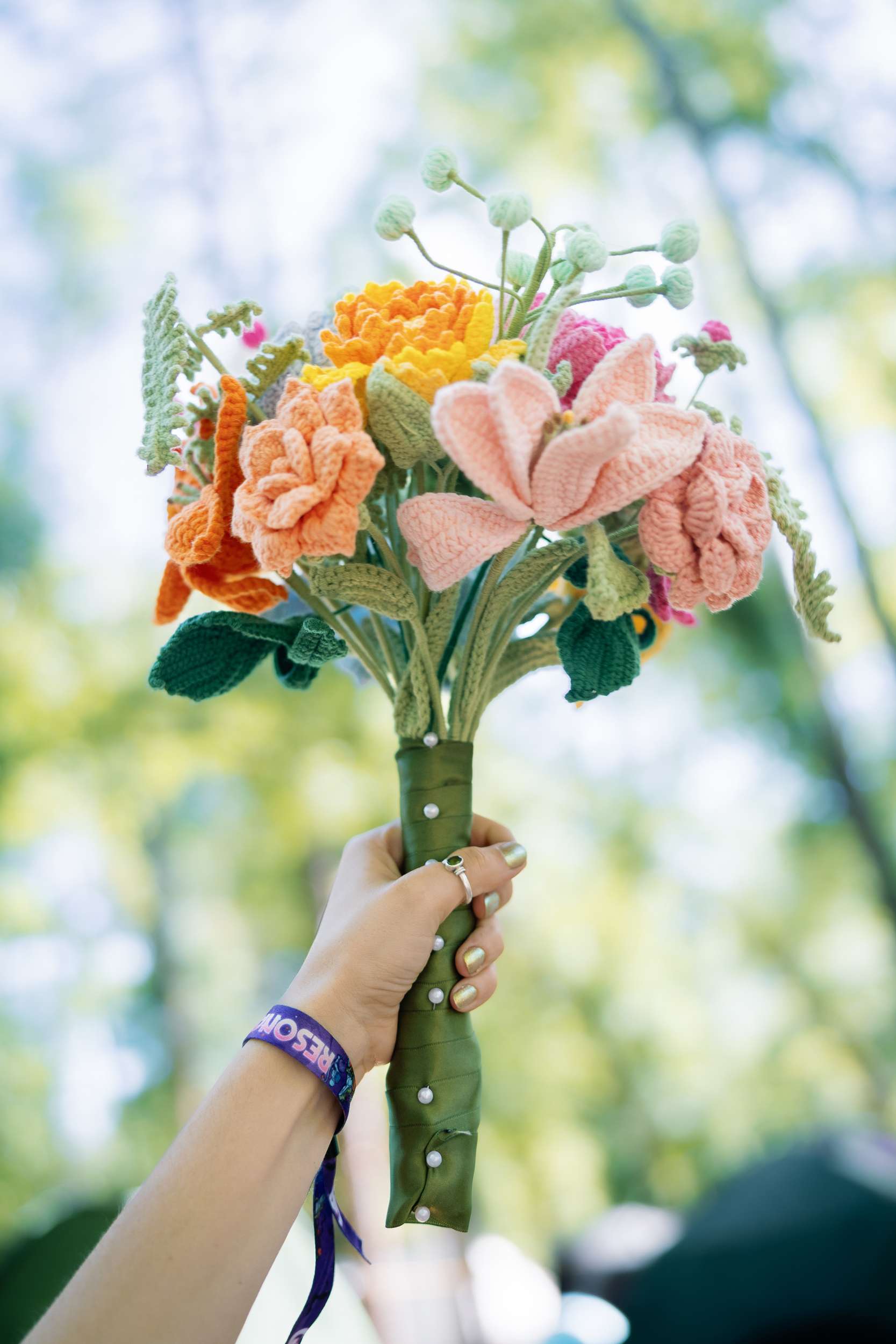
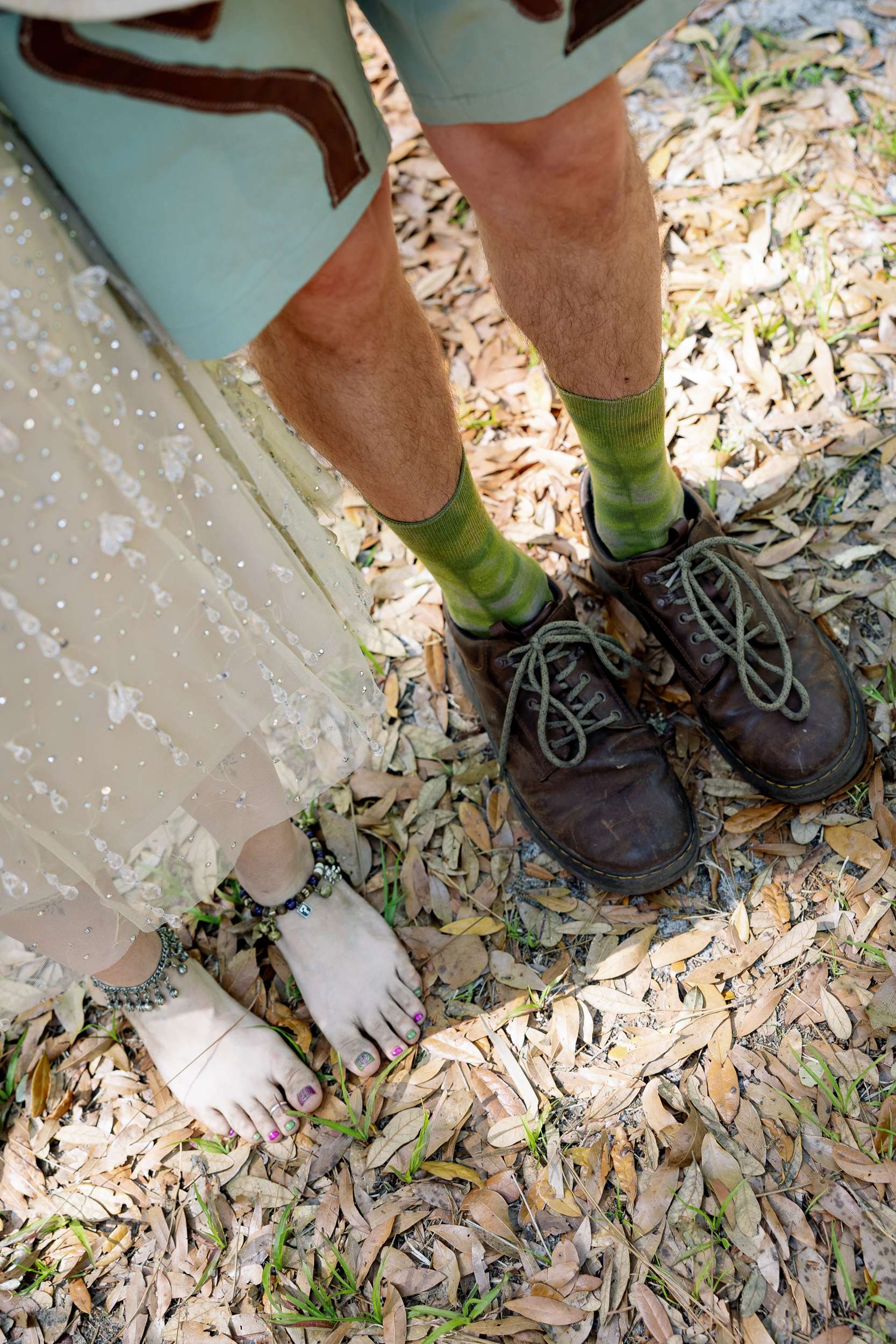
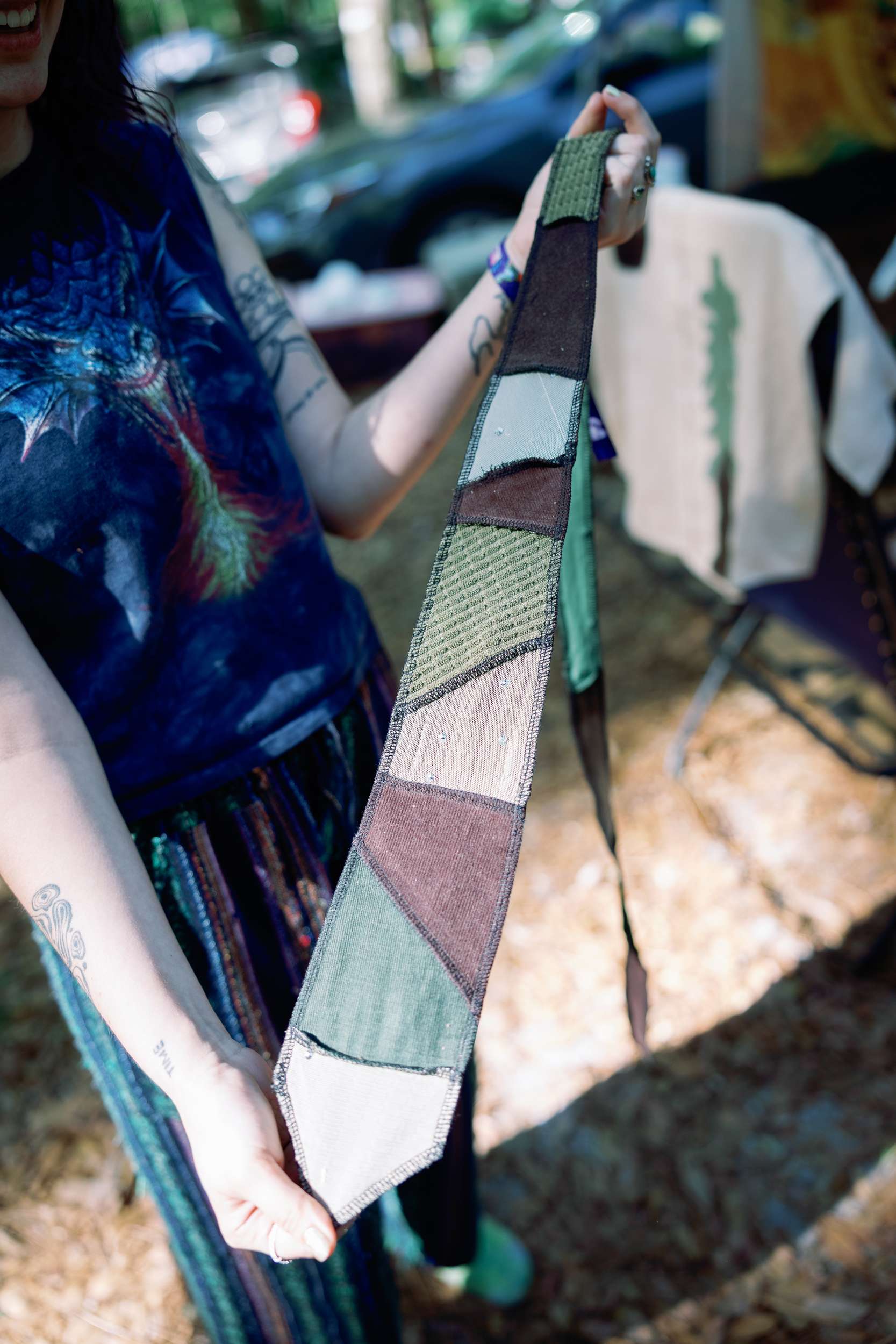
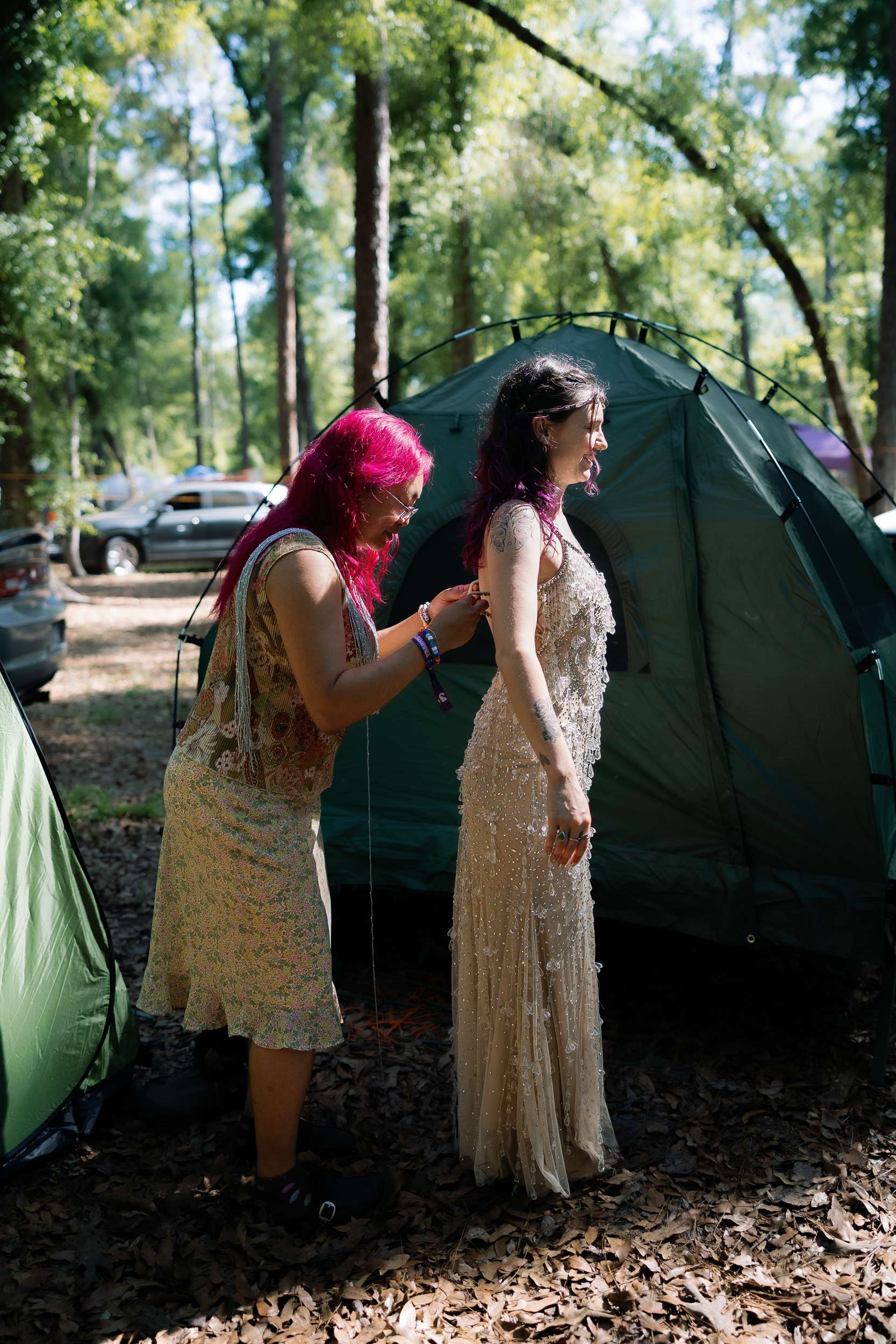
Financial pragmatism played a significant role in their planning process. By sourcing their attire from non-bridal retailers and avoiding the typical markup associated with the wedding industry, Jaci and Jason managed to reallocate their budget toward elements of greater personal significance. The most substantial investment made by the couple was in their wedding rings, which were commissioned to be one-of-a-kind pieces, prioritizing long-term personal value over fleeting decorative trends.
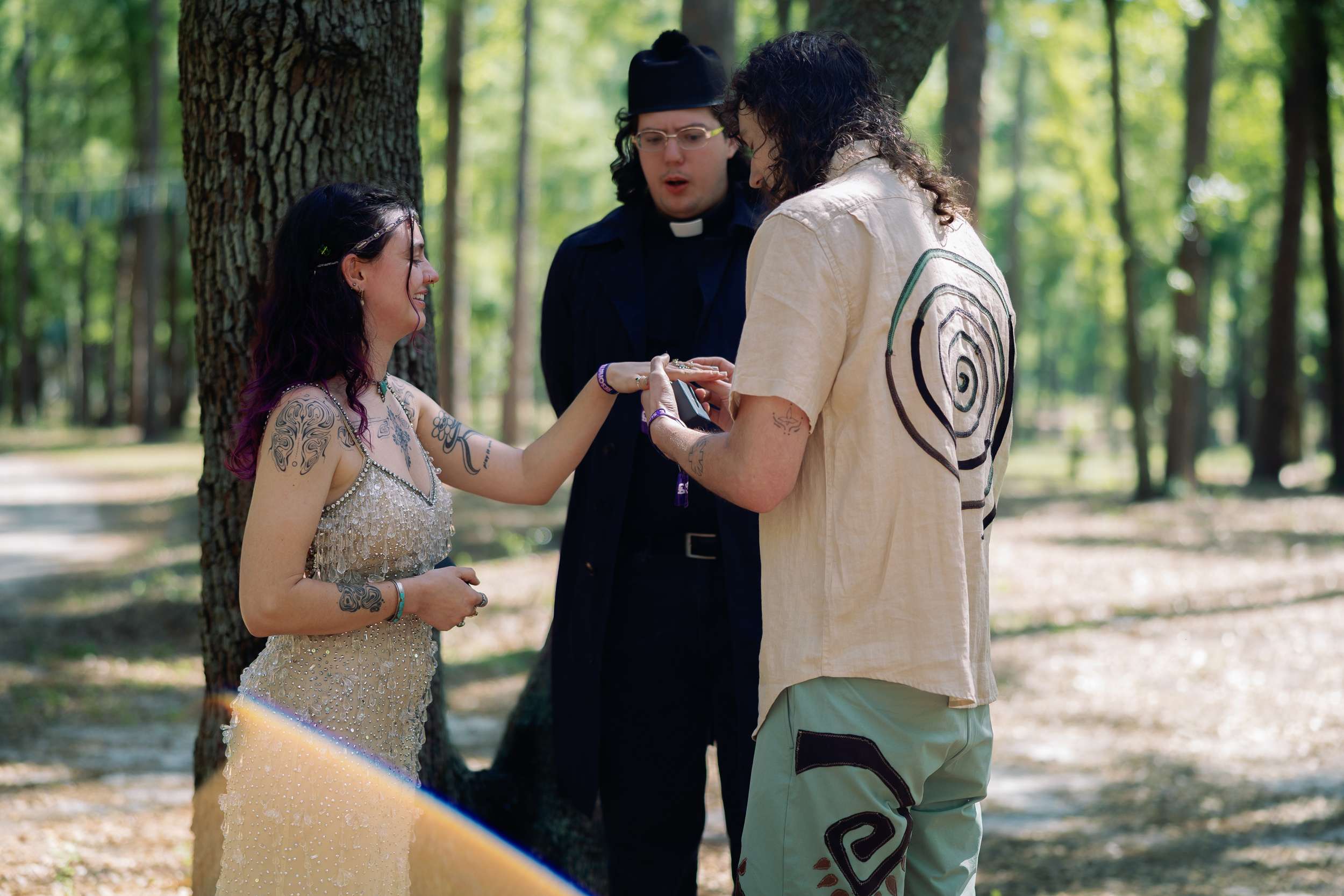
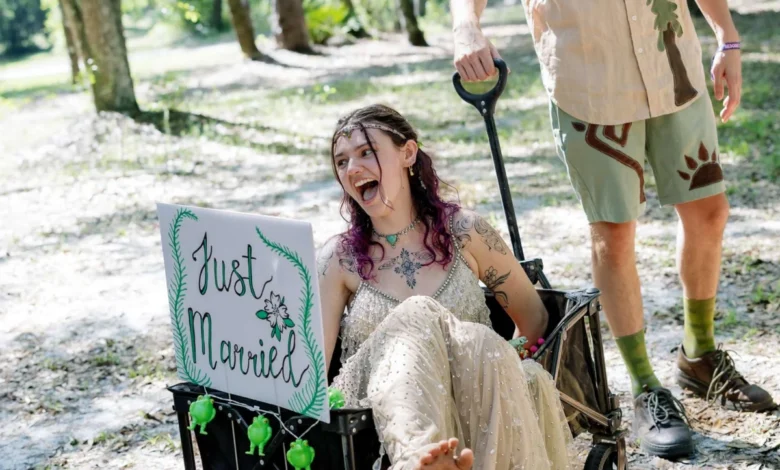
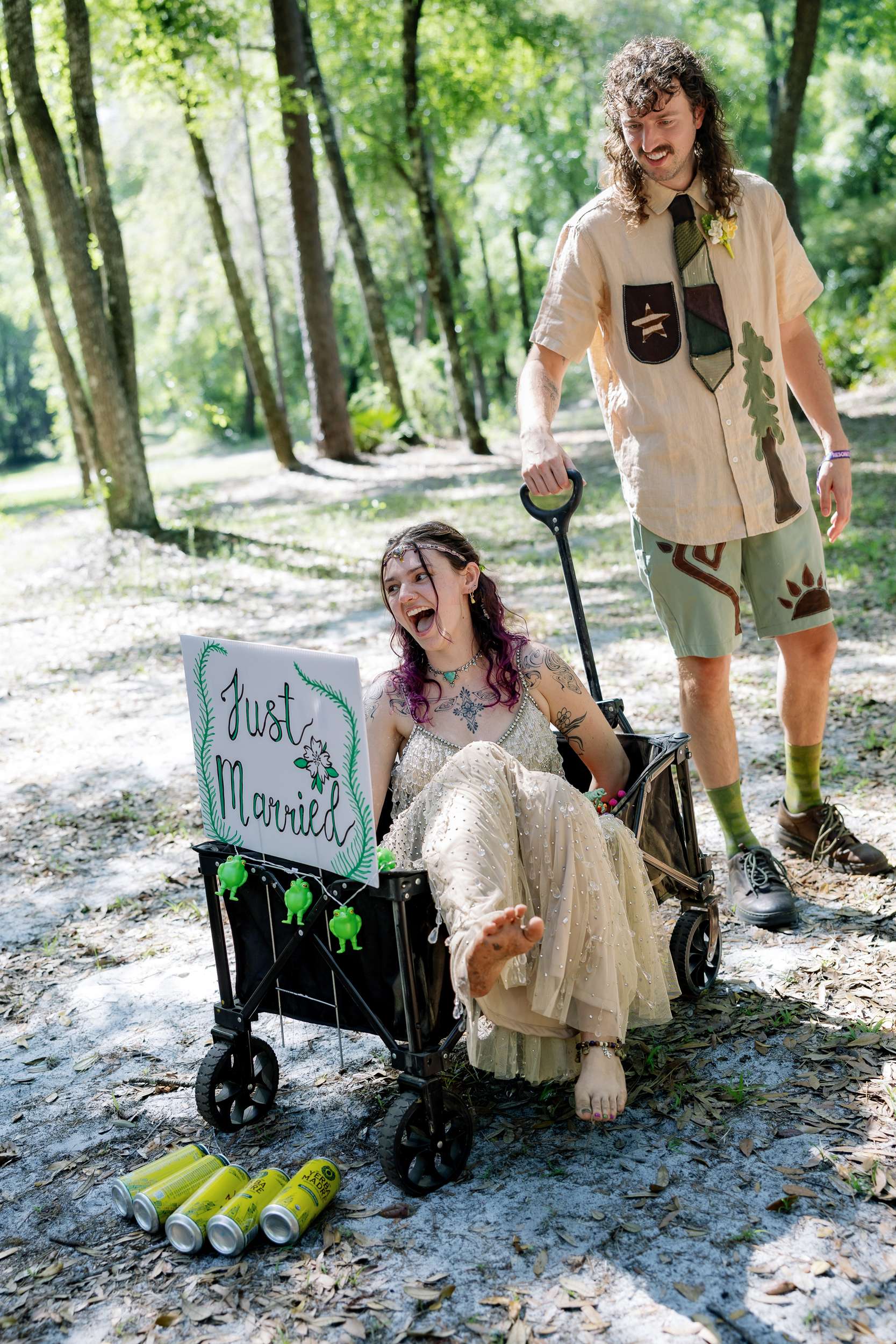
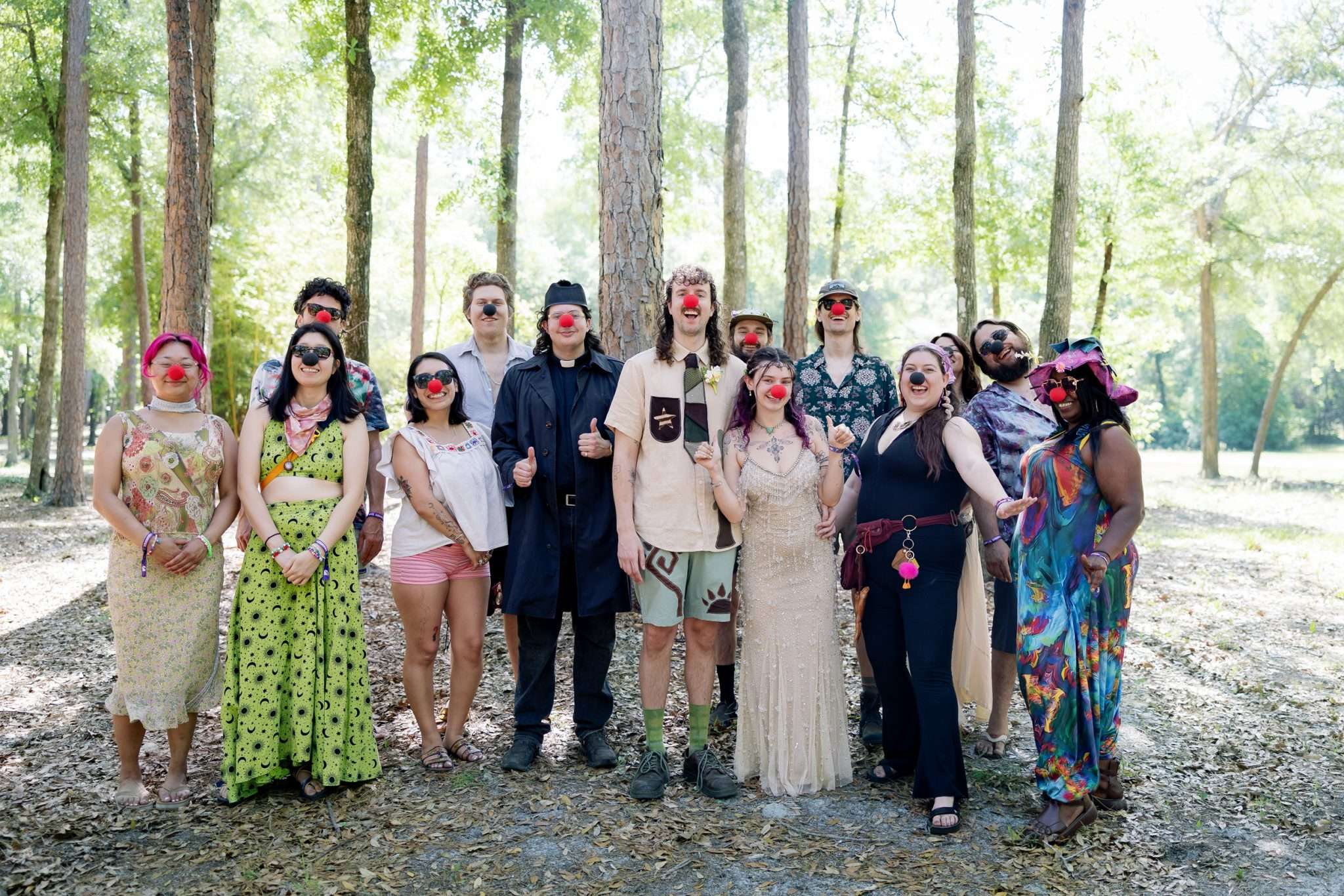
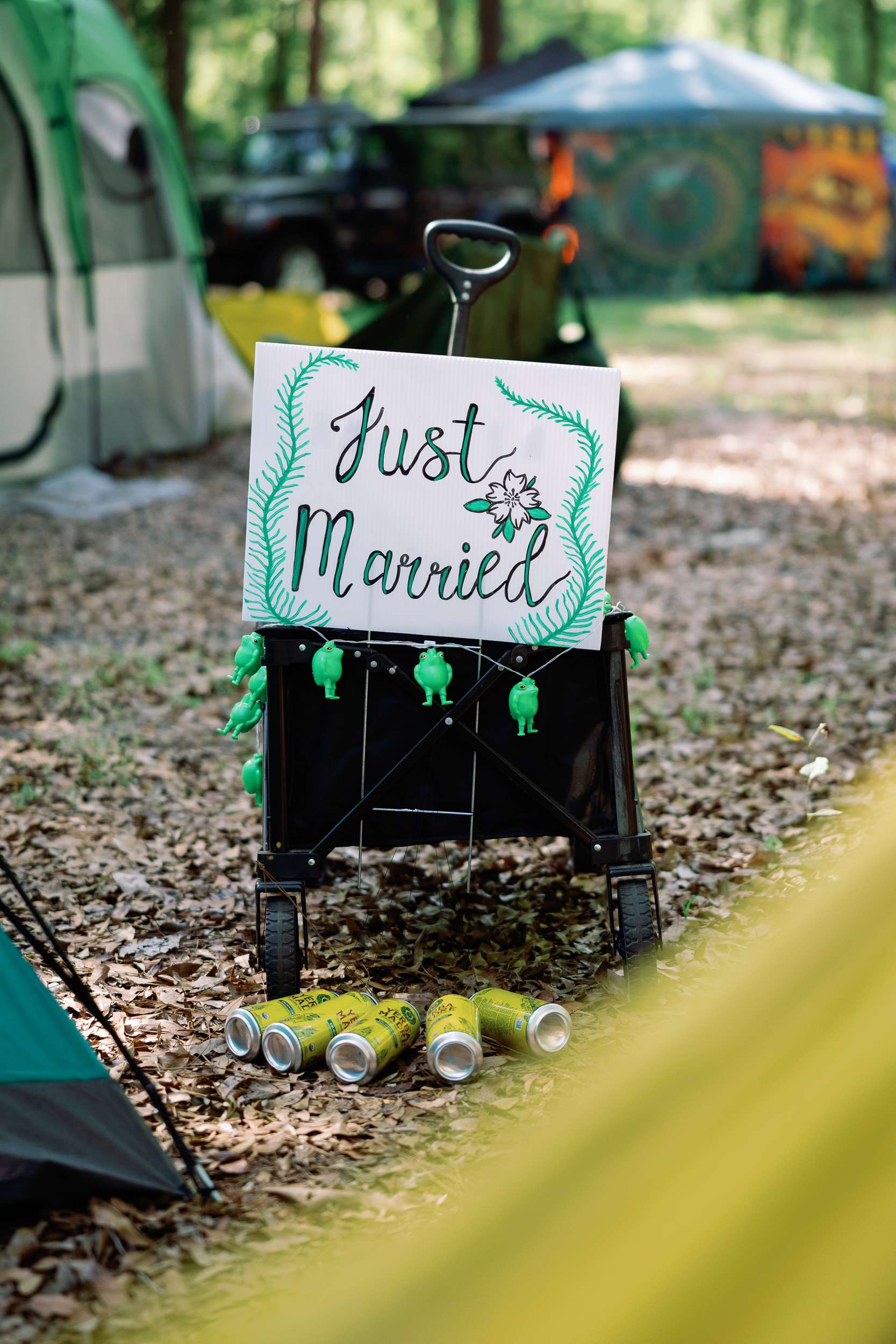
The ceremony itself was marked by its informal and whimsical nature. A friend, dressed in a full priest costume, officiated the proceedings, signaling the couple’s desire to strip away the somber, often rigid tone of traditional religious or civil ceremonies. Following the exchange of vows, the newlyweds engaged in lighthearted photo opportunities—donning clown noses and participating in a juggling routine—before departing in a decorative wagon, complete with a traditional "Just Married" sign.
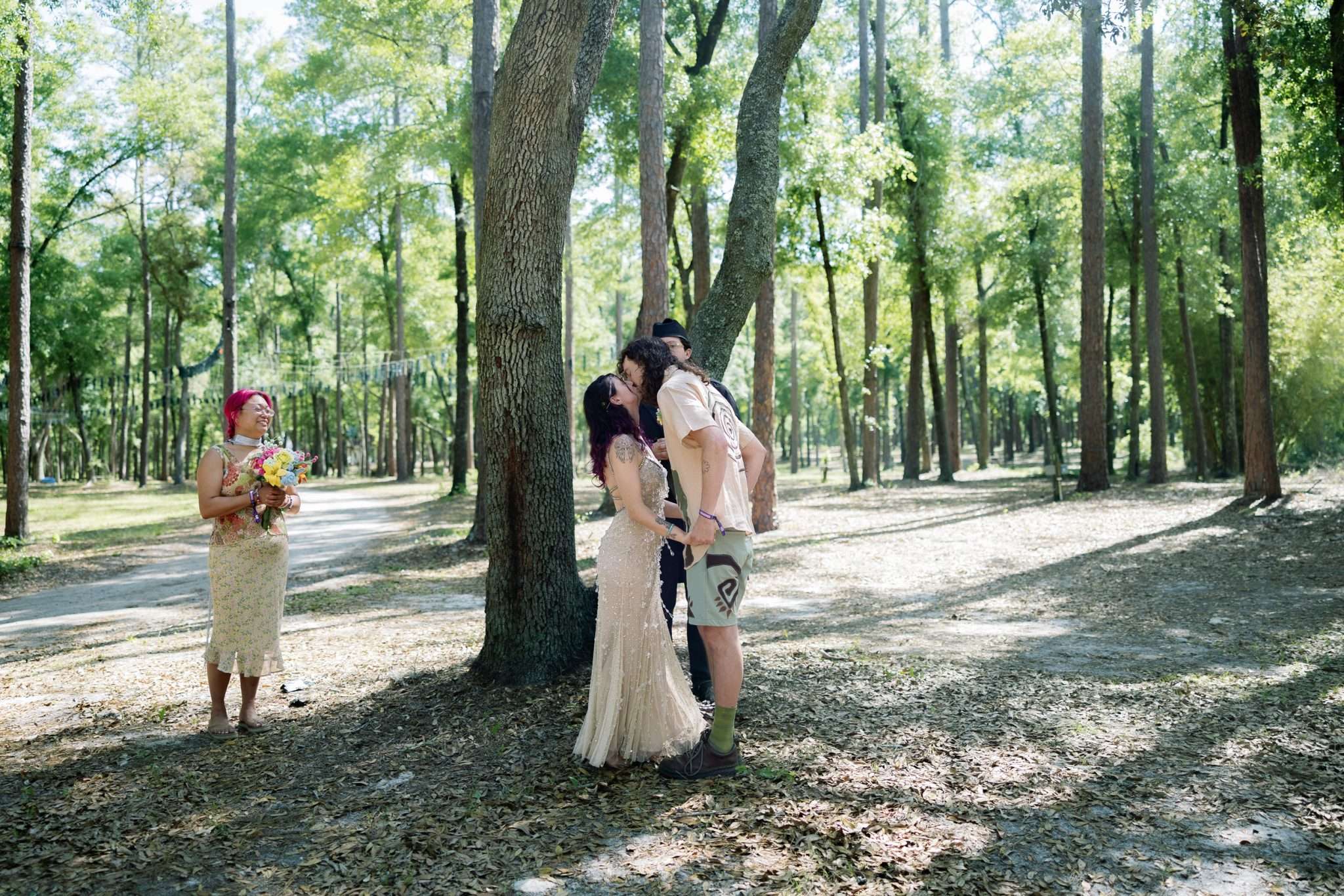
Industry Context and the Shift Toward Non-Traditional Nuptials
The choices made by Jaci and Jason are reflective of broader shifts within the wedding industry. According to data from the Wedding Report and similar industry analysts, the average cost of a wedding in the United States has frequently hovered between $25,000 and $35,000 in recent years. This expenditure often includes significant overhead for venue rentals, catering, and professional services that do not always align with the personal values of the couple.
As a result, a growing demographic of couples is moving toward "micro-weddings," "elopements," and event-integrated ceremonies. The rise of these formats can be attributed to several factors:
- Economic Volatility: Rising costs of living and student debt have led many younger couples to seek more cost-effective alternatives to traditional weddings.
- Environmental Awareness: Traditional weddings often produce a significant carbon footprint through travel, waste, and resource consumption. Festival weddings often utilize existing infrastructure, minimizing the need for new builds or single-use decorations.
- Personalization: There is an increasing emphasis on "authenticity." Couples are moving away from standardized wedding templates in favor of venues and activities that represent their shared history and interests.
The Role of Community in Alternative Celebrations
A notable aspect of the couple’s experience was the reception they received from fellow festival-goers. Throughout the weekend, the couple reported receiving small gifts and well-wishes from strangers, fostering a sense of community that is rarely found in the isolated environment of a formal hotel or estate wedding. This interaction underscores a unique sociological benefit of public-venue weddings: the transition of the couple from private individuals to members of a broader, temporary, and supportive community.
The bride’s observation that "traditional weddings are too serious" and the subsequent focus on connecting with their "inner child" resonates with a psychological shift among Gen Z and Millennial couples. In an era where daily life is often dominated by digital connectivity and high-pressure career environments, the desire to inject playfulness and spontaneity into life’s milestones is becoming a primary objective for many.
Evaluating the Impact of "Event-Integrated" Ceremonies
While the benefits of such an approach are clear, there are logistical and legal considerations that couples must navigate. When hosting a ceremony at a public or semi-public venue such as a music park, legal compliance is paramount. This includes obtaining the necessary permits for any temporary structures, ensuring that noise ordinances are respected, and coordinating with venue management to ensure the safety and comfort of both the wedding party and the general public.
In this instance, the choice of Spirit of Suwannee Music Park provided a controlled, albeit unconventional, environment. The venue is well-accustomed to large-scale gatherings, which likely eased the path for the couple to integrate their private ceremony into the broader festival program. For other couples looking to replicate this model, the "no-brainers" described by Jaci and Jason often require significant behind-the-scenes coordination to ensure that the celebration remains seamless.
Future Trends in Wedding Planning
As the wedding industry continues to evolve, the distinction between a "wedding" and an "event" is blurring. Experts anticipate that the next decade will see a rise in multi-day, activity-based celebrations where the ceremony is merely one component of a broader vacation or shared experience. This shift represents a move away from the "spectacle" of the wedding and toward the "experience" of the union.
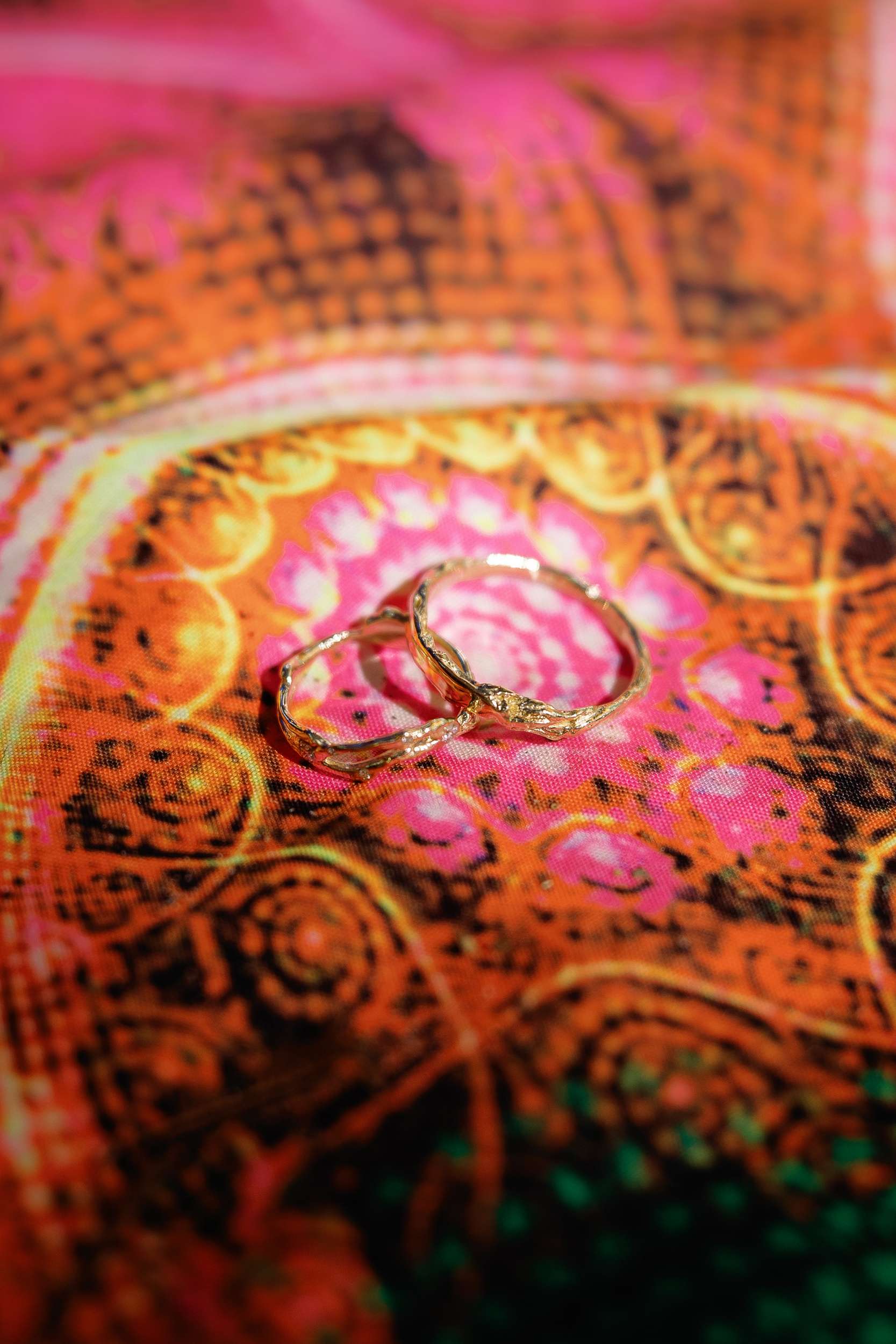
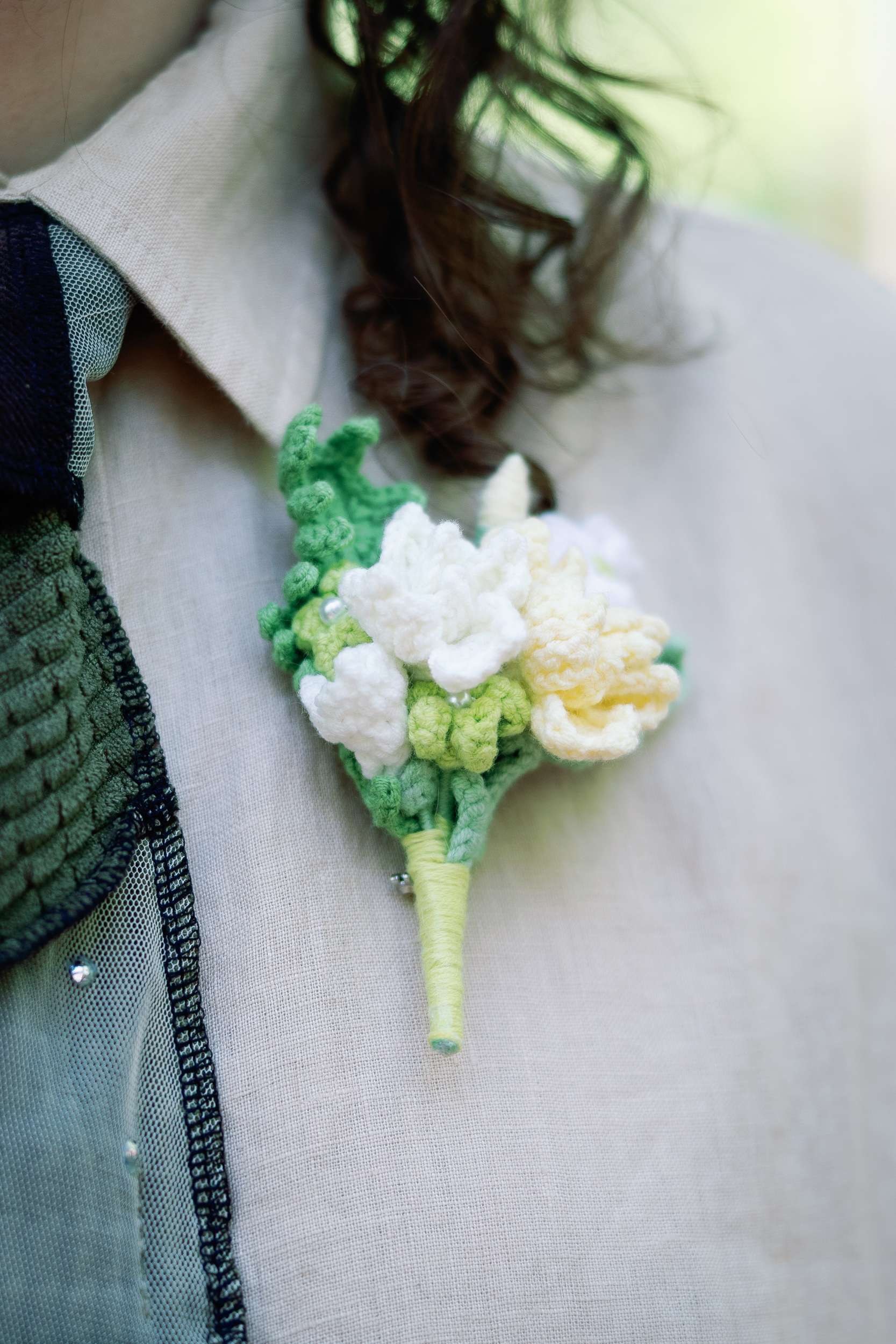
Furthermore, the emphasis on unique, artisan-made items—such as the couple’s custom rings and the bride’s crochet bouquet—highlights an increase in support for small-scale, independent creators over mass-market wedding retailers. This trend, often referred to as the "maker movement," is permeating the wedding sector, ensuring that the items used during the ceremony hold a narrative weight that mass-produced goods cannot replicate.
Final Analysis
The wedding of Jaci and Jason at the Spirit of Suwannee Music Festival serves as a case study for the modern pursuit of personal authenticity. By stripping away the performative layers of the traditional wedding industry, the couple was able to craft an event that was not only financially sustainable but also deeply aligned with their values and lifestyle.
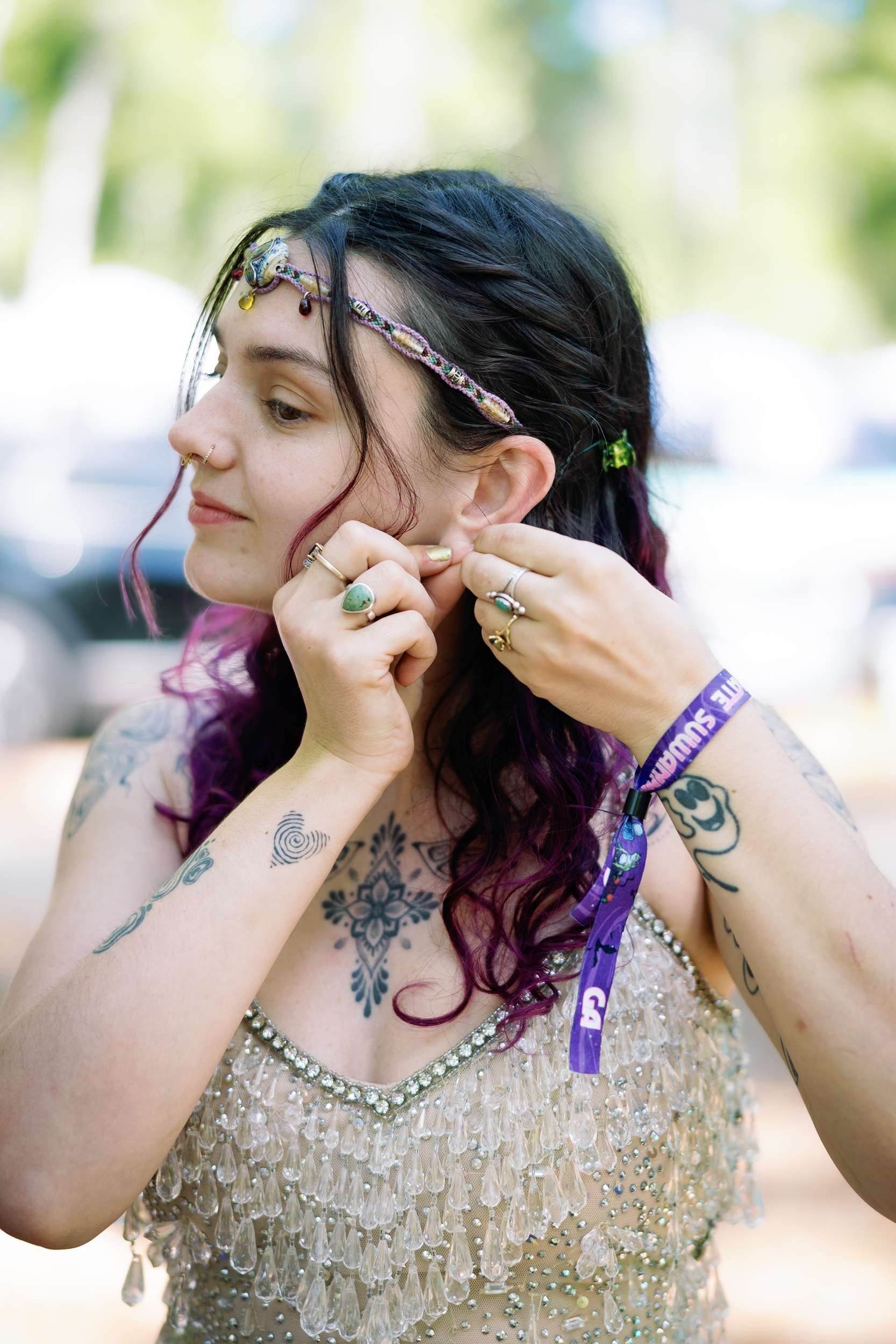
While not every couple may choose to swap a tuxedo for a festival wristband, the underlying philosophy—that a wedding should be a reflection of the couple’s "happy place"—is gaining momentum. As society continues to redefine what constitutes a meaningful celebration, the model of the festival wedding stands as a testament to the idea that the most memorable events are often those that prioritize human connection, shared joy, and the courage to eschew convention in favor of genuine self-expression.
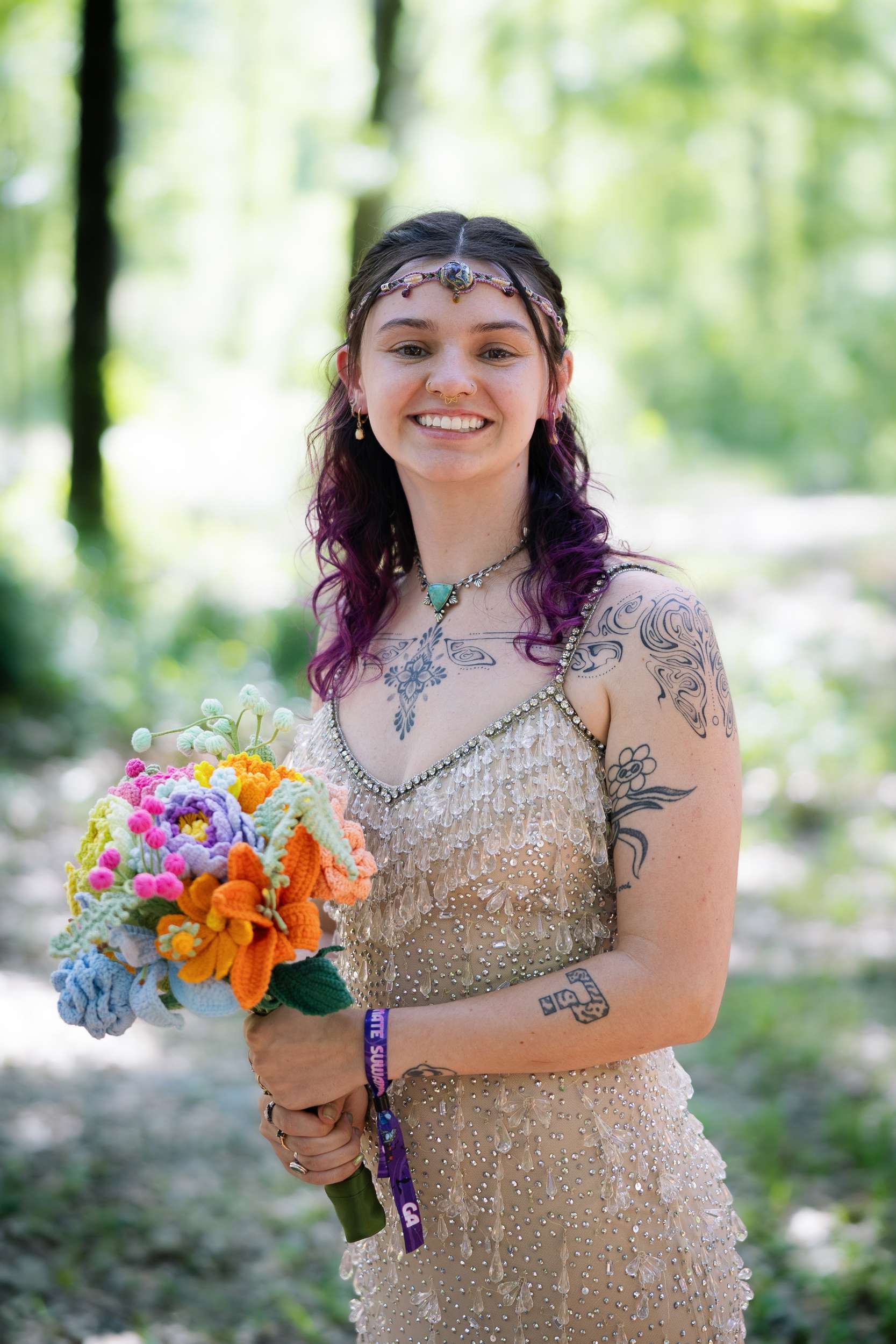
Ultimately, the success of their day was not measured by the grandeur of the venue or the extravagance of the guest list, but by the ability of the couple to remain true to themselves. As the music played on at the Spirit of Suwannee, the couple’s decision to embrace the absurdity of a clown-nosed photo shoot and a wagon ride home demonstrated that, for many, the most important part of a wedding is not the ceremony itself, but the journey that follows. By choosing to start their married life in a space that fostered creativity and connection, Jaci and Jason have provided a roadmap for others looking to navigate the complexities of modern marriage with grace, humor, and a focus on what truly matters.