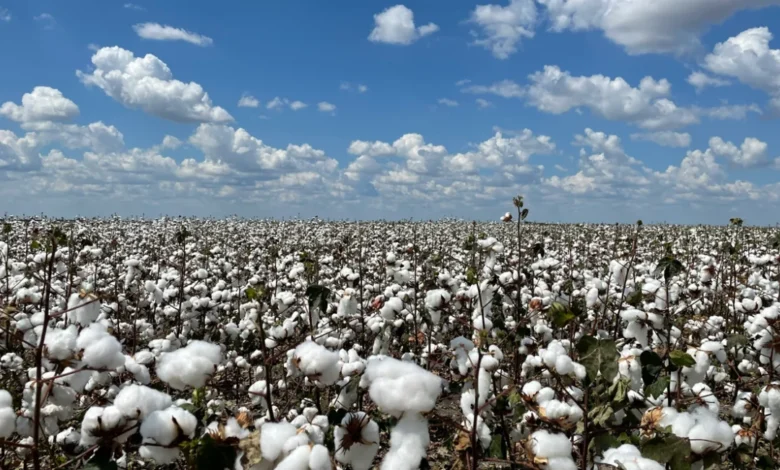
The global fashion industry stands at a critical juncture, facing mounting pressure to abandon the exploitative models of the past in favor of radical transparency and ecological restoration. At the heart of this transformation is the "farm-to-closet" movement—a systemic approach that seeks to trace the lifecycle of a garment from the very soil where its raw fibers are cultivated to the final stitch. By prioritizing regenerative agriculture, artisanal craftsmanship, and direct supply chain oversight, this movement is challenging the foundations of the multi-trillion-dollar fast fashion industry, which has long been criticized for its environmental degradation and human rights concerns.
The Anatomy of the Fast Fashion Crisis
For decades, the fashion industry has operated on a linear model: extraction, production, consumption, and disposal. According to data from the United Nations Environment Programme (UNEP), the fashion sector is responsible for approximately 2 to 8 percent of global carbon emissions and consumes nearly 93 billion cubic meters of water annually. The fast fashion paradigm, characterized by rapid trend cycles and low-cost manufacturing, has resulted in a massive surge in textile waste. Industry estimates suggest that the equivalent of one garbage truck of textiles is landfilled or burned every second, highlighting an urgent need for structural change.
The "farm-to-closet" model serves as a direct antithesis to this culture of disposability. Rather than obscuring the origins of a garment, this philosophy demands that brands account for every stage of production. It shifts the focus from cost-efficiency to value-creation, ensuring that the farmer, the weaver, and the consumer are connected in a transparent, equitable ecosystem.
SukkhaCitta: A Blueprint for Regenerative Practice
One of the most compelling case studies in this movement is the Indonesian label SukkhaCitta. Founded as a social enterprise, the brand has successfully implemented a model that integrates rural empowerment with high-end garment production. Their approach begins long before the loom; it starts with the soil health of cotton and dye crops. By partnering directly with local farmers, SukkhaCitta promotes regenerative agricultural practices—methods that restore soil biodiversity and sequester carbon—rather than depleting the land with synthetic fertilizers and pesticides.
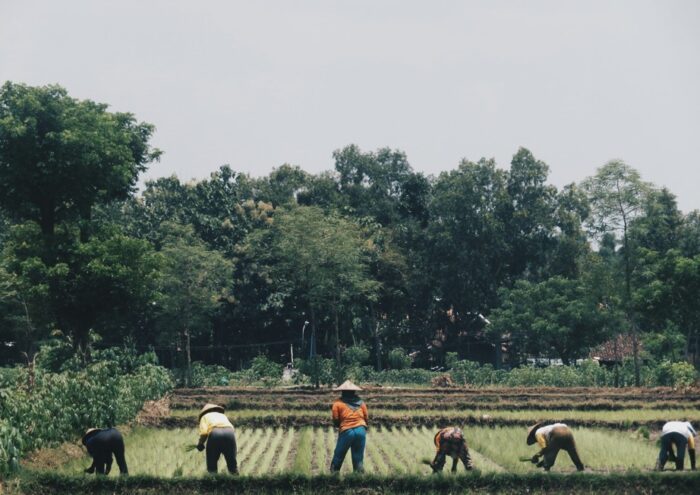
The brand’s reliance on traditional craftsmanship, particularly in the use of natural indigo dyes, illustrates the intersection of heritage and sustainability. Unlike synthetic dyes, which are a primary source of industrial water pollution in textile-producing hubs, natural indigo extraction is a labor-intensive, chemical-free process that preserves ancestral knowledge. This process is not merely a design choice; it is a vital economic intervention that keeps traditional skills alive, providing indigenous communities with a dignified livelihood and a platform to compete in the global marketplace.
A Chronology of the Slow Fashion Shift
The transition toward a farm-to-closet model has been building momentum over the last decade, driven by consumer demand and increased regulatory scrutiny:
- 2013: The collapse of the Rana Plaza factory in Bangladesh serves as a catalyst, sparking the global "Fashion Revolution" movement, which demands transparency across supply chains.
- 2018: The emergence of the "Regenerative Fashion" discourse gains traction, as climate scientists emphasize the role of agriculture in carbon mitigation.
- 2020-2022: The COVID-19 pandemic exposes the fragility of global supply chains, forcing brands to localize production and reconsider long-distance, opaque outsourcing.
- 2024-2025: Increased legislative focus on ESG (Environmental, Social, and Governance) criteria in the European Union and the United States begins to hold large corporations accountable for the environmental footprint of their entire value chain.
Economic and Social Implications
The shift toward this model is not without its challenges. Critics often point to the higher price points of garments produced under these conditions. However, proponents argue that the "true cost" of fast fashion—which includes the long-term environmental cleanup and the social costs of suppressed wages—is hidden in the price tag. By paying fair wages and investing in safe working conditions, brands like SukkhaCitta are proving that a sustainable business model is not only ethically necessary but also economically viable for the long term.
Beyond the economics, the social impact on women, who make up the vast majority of the global garment workforce, is profound. The farm-to-closet approach empowers female artisans and farmers by giving them agency over their craft and ensuring that they retain a larger share of the value chain. This represents a departure from the traditional exploitation of labor in developing economies, shifting the power dynamic toward community-led development.
Data-Driven Sustainability: Can It Scale?
The feasibility of scaling the farm-to-closet model remains a subject of intense debate among industry analysts. Skeptics argue that the labor-intensive nature of regenerative agriculture and artisanal production makes it difficult to meet the massive demand of global consumption. However, supporters suggest that the solution is not to replicate the current volume of production, but to shift the consumption culture itself.

According to a report by the Ellen MacArthur Foundation, transitioning to a circular economy in fashion could unlock $560 billion in economic opportunity by reducing waste and increasing the utilization of garments. The farm-to-closet model supports this by creating high-quality, durable products that are designed to last, effectively reducing the need for constant replenishment. When a consumer understands the story—and the human effort—behind a garment, the psychological incentive to treat that item as "disposable" diminishes significantly.
The Role of Technology and Traceability
Technology is playing an increasingly vital role in making the farm-to-closet model accessible to a wider audience. Blockchain-based traceability tools are allowing brands to provide "digital passports" for clothing, which contain verified data about the farm where the fibers were grown, the facility where the cloth was woven, and the specific artisans involved in the sewing process. This level of transparency is becoming the new gold standard for luxury and mid-market brands alike, as consumers increasingly vote with their wallets for companies that can prove their claims.
The Future Landscape of Fashion
The future of the industry will likely be defined by a bifurcation. On one side, the giants of fast fashion will face increasing pressure to adopt circular practices to comply with impending environmental legislation. On the other side, a new generation of brands will likely emerge, prioritizing the farm-to-closet model as their primary value proposition.
This movement represents a fundamental re-evaluation of what a garment actually is. It is no longer just a commodity; it is a manifestation of ecological health, community resilience, and cultural continuity. As the industry moves forward, the success of these models will depend on a collective shift in priorities—from the speed of delivery to the integrity of the supply chain.
In conclusion, the transition toward a more sustainable fashion future is a complex, multi-layered endeavor. It requires not only the innovation of brands like SukkhaCitta but also the active participation of consumers, policymakers, and international trade organizations. The farm-to-closet approach provides a clear, actionable roadmap for how this transformation can occur. While it is a departure from the status quo, it offers a vision of an industry that respects the limits of the planet and the dignity of its people. The question is no longer whether such a shift is possible, but rather how quickly the broader industry can adapt to this new reality of accountability and respect for the origins of our clothes. As the narrative around consumption evolves, the garments of the future will be measured not by how quickly they can be replaced, but by how well they connect the wearer to the natural world and the hands that crafted them.