A Vision of Timeless Elegance and Modern Artistry at Chicagos Holy Name Cathedral

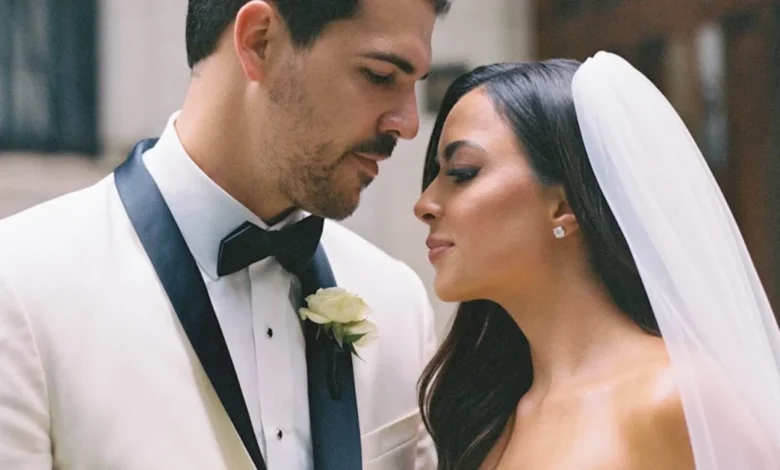
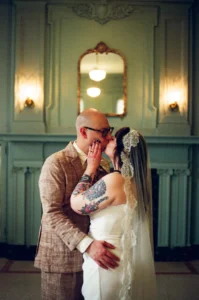
The convergence of historic grandeur and contemporary bridal couture was recently exemplified in the wedding of Cristina and her husband, Jordan, at the Holy Name Cathedral in Chicago. This event, characterized by its meticulous planning and high-fashion elements, serves as a benchmark for the modern luxury wedding industry in the Midwest. From the architectural significance of the venue to the bespoke details of the bridal ensemble, the celebration provided a comprehensive look at the evolving trends in the high-end matrimonial sector, where traditional religious ceremonies are increasingly paired with highly personalized, experiential receptions.
A Six-Year Journey: From Martini Night to the Altar
The narrative of the couple began six years prior at a local restaurant in their hometown. In an era dominated by digital matchmaking, their meeting followed a traditional, spontaneous trajectory. While attending a "Thursday Martini Night" with friends, Cristina was approached by Jordan, who had been encouraged by his father to initiate a conversation. This familial involvement at the inception of their relationship set a precedent for the couple’s emphasis on family throughout their courtship and eventual wedding day.
The relationship culminated in a carefully orchestrated proposal that occurred just days before Valentine’s Day. Utilizing a private space transformed by thematic decor—including candles, rose petals, and a balloon arch—Jordan created a sensory-focused environment. The inclusion of a fireplace and the couple’s favorite music provided a cinematic backdrop for the engagement. A key element of the surprise was the timing; by proposing on a Thursday night after work, Jordan successfully bypassed the expectations often associated with weekend or holiday proposals. The presence of both families during the event further underscored the communal nature of their union.

Architectural Grandeur: The Significance of Holy Name Cathedral
The choice of Holy Name Cathedral for the ceremony provided a profound sense of historical and cultural gravity. Located in the Near North Side of Chicago, Holy Name Cathedral is the seat of the Archdiocese of Chicago and stands as one of the most significant religious landmarks in the United States. Built in the Gothic Revival style and dedicated in 1875, the cathedral has survived numerous historical events, including the Great Chicago Fire’s aftermath, and has undergone several restorations to maintain its intricate woodwork and expansive nave.
For a wedding of this scale, the cathedral offers a dramatic "aisle walk" that is highly coveted in the luxury wedding market. The bride’s entrance, accompanied by her father, was set against a backdrop of soaring arches and stained glass, elements that contribute to the "cathedral effect"—a term often used by event planners to describe the awe-inspiring atmosphere that a historic stone structure lends to a ceremony. This choice of venue reflects a broader trend among modern couples to seek out "legacy locations" that offer a sense of permanence and architectural beauty that modern venues often struggle to replicate.
The Art of Bridal Couture: Galia Lahav and the Custom Aesthetic
The bridal attire served as a focal point for the event’s design narrative. Cristina selected the "Jules" gown from Galia Lahav, a designer renowned for "power bridal" looks that blend sensuality with high-fashion drama. Based in Tel Aviv, Galia Lahav has become a dominant force in the global luxury bridal market, catering to a clientele that seeks intricate lacework, structural innovation, and hand-embroidered details.
The "Jules" dress is characterized by its balance of "sexy, classy, and dramatic" elements. Notable features included an exceptionally long train and an open-back design, which are hallmarks of the Galia Lahav aesthetic. To further personalize the look, the bride collaborated on the design of removable custom sleeves. This "two-in-one" look is a growing trend in bridal fashion, allowing the bride to transition from a formal, modest appearance during the cathedral ceremony to a more streamlined, party-ready silhouette for the reception without the need for a full outfit change.

The selection process was relatively streamlined; despite the high stakes of a luxury wedding, the bride found her gown after trying on approximately 10 to 15 dresses. This efficiency highlights a shift in consumer behavior where modern brides often conduct extensive research online via social media platforms like Instagram and Pinterest before ever stepping into a boutique, allowing them to target specific designers and silhouettes with precision.
Strategic Planning and the Experience Economy
The logistical execution of the wedding was managed by Michigan Avenue Events, a firm specializing in high-capacity, luxury celebrations. With 300 guests flying in from various parts of the country, the event required sophisticated hospitality management. The influx of guests from three different major cities highlights the "destination" nature of Chicago as a central hub for national weddings, benefitting the local economy through hotel stays, transportation services, and dining.
One of the most talked-about design elements was a custom-designed floral and candle installation situated atop a grand piano. Created by Northern Greenhouses, this arrangement served as the primary visual "hook" for guests entering the reception. In the wedding industry, such "showstopping" moments are essential for creating an "experience economy" environment, where the value of the event is measured not just by the ceremony itself, but by the unique, shareable moments provided to the attendees.
The use of a classic white Rolls Royce for transportation further solidified the event’s theme of "timeless luxury." The choice of a vintage vehicle serves as a bridge between the historic nature of the cathedral and the modern glamour of the bridal fashion, providing a cohesive aesthetic thread throughout the day’s chronology.

Emotional Resonance and the "First Look" Tradition
Despite the grand scale of the event, the day was marked by significant emotional milestones. The "first look" with the bridesmaids—a modern tradition where the bridal party sees the bride in her full attire for the first time—served as a psychological "icebreaker" before the ceremony. This practice has become a staple in wedding photography, as it captures candid, high-emotion reactions that are often more intimate than the public ceremony.
The ceremony itself was highlighted by the groom’s visible emotional response at the altar. Professional wedding photographers, such as Kaylea Moreno who captured the event, often emphasize the importance of these raw moments. The groom’s "uncontrollable sobbing" upon seeing the bride walk down the aisle provides a humanizing contrast to the formal surroundings of the Holy Name Cathedral. This trend toward emotional vulnerability in men during weddings has been noted by sociologists as a shift in modern masculinity, where the public display of affection and joy is increasingly celebrated.
The Reception: From Elegance to Rockstar Performance
The transition from the solemnity of the cathedral to the high-energy reception was marked by a surprising performance by the bride. Eschewing the traditional passive role of the host, Cristina joined the live band on stage, a moment she described as becoming a "rockstar." This level of personalization is a hallmark of "New Age" weddings, where couples prioritize entertainment and individual expression over rigid adherence to traditional reception protocols.
The success of the day was such that the bride reported she would not change any aspect of the event, save for a minor logistical adjustment regarding the honeymoon. The couple departed for their honeymoon the day immediately following the wedding—a schedule that many industry experts now advise against due to the physical and emotional exhaustion following a large-scale event. The "day-after" travel remains a common point of contention in wedding planning, with a growing number of couples opting for a "minimoon" or a few days of rest before embarking on international travel.

Industry Implications and Local Economic Impact
The scale and execution of the Cristina-Jordan wedding reflect broader trends in the $70 billion U.S. wedding industry. Large-scale events with 300+ guests require a network of specialized vendors, contributing significantly to the local service sector. In Chicago, the wedding industry is a vital component of the city’s hospitality landscape, supporting florists, caterers, musicians, and transport companies.
Furthermore, the emphasis on bespoke design—such as the custom sleeves and the piano floral installation—points to a market that is increasingly moving away from "package" weddings. Today’s luxury consumers demand high levels of customization and are willing to invest in professional design teams to ensure their event is unique. This shift has led to the rise of "wedding designers" who function similarly to interior designers or film art directors, focusing on the visual and sensory cohesion of the entire day.
In conclusion, the wedding at Holy Name Cathedral was more than a personal milestone; it was a sophisticated production that harmonized the historic soul of Chicago with the cutting edge of bridal fashion and event design. It stands as a testament to the enduring appeal of the "Grand Wedding" and the technical skill required to execute a vision that is both deeply personal and professionally polished.